Trading Card Binders
CN → US| HS编码 | 关税税率 | 原产国 | 目的国 | 文档 |
|---|---|---|---|---|
| 3926904800 | 13.4% | CN | US | 官方文档 |
| 3926908700 | 40.3% | CN | US | 官方文档 |
| 4202328000 | 40.7% | CN | US | 官方文档 |
| 4202399000 | 55.0% | CN | US | 官方文档 |
| 4820300020 | 35.0% | CN | US | 官方文档 |
| 4820300040 | 35.0% | CN | US | 官方文档 |
商品图片
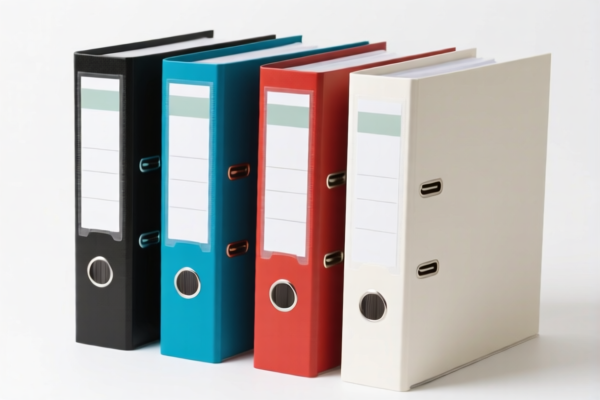
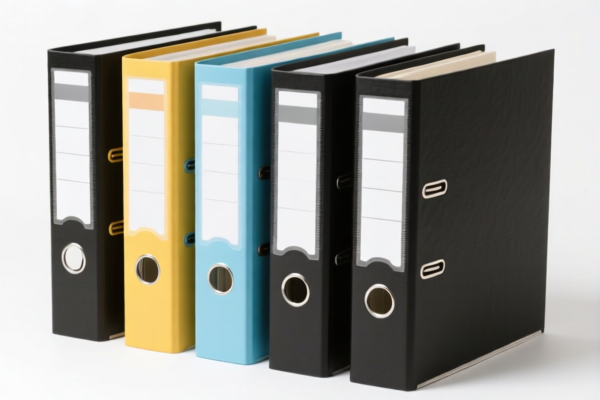
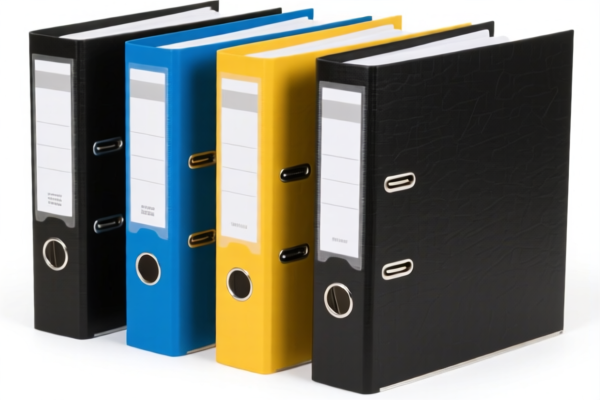
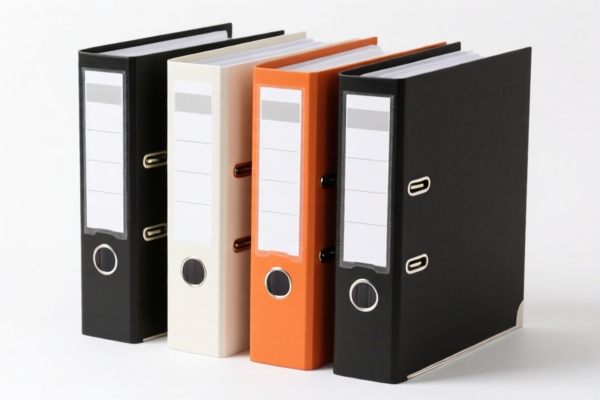
AI分析
🃏 Trading Card Binders: The Ultimate Guide to HS Code Classification & US Customs Clearance (2026)
🌐 HS Code Reference & Customs Clearance Guide | 2026 Updated Tariff Analysis | Professional Compliance Strategy
📌 I. Product Definition & Classification: Do You Really Know "Trading Card Binders"?
Trading card binders are specialized storage solutions designed to protect and display collectible cards (e.g., Pokémon, Magic: The Gathering, Baseball Cards). In international trade, they are not a single unified product but are strictly divided based on material composition.
The two main categories are: 1. Plastic Binders: Made primarily of PVC, PP, or PET (common for loose-leaf page refills and rigid covers). 2. Paper/Cardboard Binders: Made of paper, paperboard, or other paper-based materials (common for simple portfolios).
⚠️ Key Distinction:
- If the binder’s primary material is plastic (sheeting, molded plastic, sleeves) → It falls under Chapter 39 (Plastics).
- If the binder’s primary material is paper/paperboard → It falls under Chapter 48 (Paper).
- Note: Items normally carried in pockets/handbags (like small wallet-style card holders) may fall under Chapter 42 (Articles of Leather/Textiles/Plastics), but standard "binders" are generally office/stationery goods.
📦 II. HS Code Classification Details (2026 Latest Tariff Authority)
Based on the provided dataset, here are the exact HS Codes and tax rates for Trading Card Binders:
| HS Code | Product Description | Material | Tax Rate (US Import from China) |
|---|---|---|---|
3926.90.48.00 |
Other articles of plastics: Photo albums | Plastic | 0.0% |
3926.90.87.00 |
Other articles of plastics: Flexible plastic document binders with tabs, rolled or flat | Plastic | 0.0% |
4820.30.00.20 |
Registers, account books... Looseleaf binders | Paper/Paperboard | 25.0% |
4820.30.00.40 |
Registers, account books... Other (e.g., simple portfolios) | Paper/Paperboard | 25.0% |
4202.32.80.00 |
Articles of textile/plastic: Pocket/handbag items (e.g., small card wallets) | Textile/Plastic | 0.0% |
4202.39.90.00 |
Articles of pocket/handbag: Other | Various | 0.0% |
🔍 Critical Note:
- Most standard ring binders or pocket-style binders for trading cards made of plastic are classified under 3926.90.48.00 (if considered photo albums) or 3926.90.87.00 (if considered flexible binders).
- If the binder is made of paper (e.g., cardboard covers with paper sleeves), it is classified under 4820.30.
- Small card wallets (zippered, pocket-sized) may fall under 4202, which is often used for premium, fashion-oriented card holders.
💰 III. 2026 Latest Tariff Rate Details (Detailed Breakdown)
✅ Applicable Country: United States (US)
✅ Origin: China (CN)
✅ Effective Date: 2026 (Based on provided data)
🎯 1. Plastic Binders: 3926.90.48.00 & 3926.90.87.00
| Item | Content |
|---|---|
| Base Tariff | 0.0% |
| Additional Tariff (Section 301) | 0.0% |
| Total Tariff | 0.0% |
| Tax Calculation | CIF Value × 0.0% = $0 |
| De Minimis Eligibility | ✅ Yes (If value <$800) |
| Legal Basis | HTSUS Chapter 39 (Plastics and Articles Thereof) |
📌 Explanation:
- Plastic trading card binders are exempt from additional tariffs in this dataset.
- This makes plastic binders highly competitive for US importers from China.
- Classification Tip:
- Use3926.90.48.00if marketed as "Photo Albums" or "Card Albums".
- Use3926.90.87.00if marketed as "Flexible Plastic Document Binders with Tabs".
🎯 2. Paper/Cardboard Binders: 4820.30.00.20 & 4820.30.00.40
| Item | Content |
|---|---|
| Base Tariff | 0.0% |
| Additional Tariff (Section 301) | 25.0% |
| Total Tariff | 25.0% |
| Tax Calculation | CIF Value × 25.0% |
| De Minimis Eligibility | ✅ Yes (If value <$800) |
| Legal Basis | HTSUS Chapter 48 (Paper/Paperboard) |
📌 Explanation:
- Paper-based binders face a 25% additional tariff.
- This significantly increases the landed cost. Importers should consider switching to plastic or paperboard alternatives if tariff mitigation is needed.
🎯 3. Pocket/Handbag Style Card Holders: 4202.32.80.00 & 4202.39.90.00
| Item | Content |
|---|---|
| Base Tariff | 0.0% |
| Additional Tariff | 0.0% |
| Total Tariff | 0.0% |
| De Minimis Eligibility | ✅ Yes (If value <$800) |
| Legal Basis | HTSUS Chapter 42 (Articles of Leather/Textiles/Plastics) |
📌 Explanation:
- These codes apply to small, portable card holders (e.g., wallet-style, zippered).
- If your product is a large binder, do not use these codes; customs may reject them for misclassification.
- Use only if the item is "normally carried in the pocket or handbag."
🛠️ IV. Customs Clearance Practical Advice (Avoiding Pitfalls)
✅ 1. Required Documentation Checklist
| Document | Required? | Notes |
|---|---|---|
| ✅ Product Specifications | ✔️ | Must specify material (e.g., "100% PVC", "Recycled Paperboard") |
| ✅ Photos | ✔️ | Show full binder, sleeves, tabs, and any branding |
| ✅ Commercial Invoice | ✔️ | Clearly state "Plastic Trading Card Binder" or "Paper Portfolio" |
| ✅ Material Declaration | ✔️ | Critical for distinguishing between Chapter 39 and 48 |
| ✅ Packaging List | ✔️ | Include quantity per carton, net/gross weight |
✅ 2. Classification Strategy (Key Tips)
🔥 “Material Matters: Plastic is Free, Paper is Costly!”
| Scenario | Correct HS Code | Risk |
|---|---|---|
| Plastic Ring Binder with Plastic Sleeves | 3926.90.48.00 or 3926.90.87.00 |
Low (0% tariff) |
| Cardboard Binder with Paper Sleeves | 4820.30.00.20 or 4820.30.00.40 |
High (25% tariff) |
| Small Zippered Card Wallet | 4202.32.80.00 |
Low (0% tariff, but ensure size matches "pocket/handbag") |
| Mixed Material (e.g., Plastic Cover + Paper Insert) | Check Primary Material | Misclassification risk! If plastic >50%, use Ch 39 |
📌 Important:
- If the binder has a plastic cover and paper insert, determine the essential character. Usually, the plastic cover dominates, so classify under 3926.
- Do not misdeclare paper binders as plastic to avoid tariffs; customs inspections will verify material.
✅ 3. Special Cases
| Case | Recommendation |
|---|---|
| OEM Custom Binders | Provide design specs to prove material composition. |
| Bulk vs. Retail | Tariffs apply regardless of quantity; ensure invoice value is accurate. |
| De Minimis ($800) | If shipping individual units via DHL/USPS/FedEx, ensure value <$800 to qualify for de minimis entry. |
| Anti-Dumping | No anti-dumping duties listed for these codes in the provided data. |
🌍 V. Global Market Comparison (2026)
| Market | Recommended HS Code | Tariff Rate (China Origin) | Notes |
|---|---|---|---|
| 🇺🇸 USA | 3926.90.48.00 |
0.0% | Best for plastic binders |
| 🇺🇸 USA | 4820.30.00.20 |
25.0% | High cost for paper binders |
| 🇪🇺 EU | 3926.90 |
~0-6.5% | VAT applies (20% avg) |
| 🇨🇳 China | 3926.90 |
~0-5% | Import duties for foreign goods |
| 🇬🇧 UK | 3926.90 |
~0-6.5% | Post-Brexit VAT applies |
📌 Conclusion:
- US imports of plastic trading card binders are tariff-free under the provided data.
- Paper binders incur a 25% penalty.
- Strategy: Prioritize plastic or mixed-material binders (plastic dominant) to minimize costs.
📌 VI. Common Mistakes & Pitfalls (Learn from Others’ Errors)
❌ Mistake 1: Declaring a paper binder as a plastic binder
👉 Consequence: Customs inspection reveals paper content → 25% tariff + penalties.
❌ Mistake 2: Using 4202 codes for large binders
👉 Consequence: Misclassification → Goods held at port, delays, and possible reclassification.
❌ Mistake 3: Not specifying material in the invoice
👉 Consequence: Customs assigns highest possible duty → 25% tariff instead of 0%.
✅ Correct Practice:
“Plastic Trading Card Binder, PVC Material, 9-Pocket Pages, 100 Pages, For Collectible Cards, Model XYZ”
🎯 VII. Conclusion: Optimize Your Imports
🎯 Key Takeaway:
🔹 Plastic Binders = 0% Tariff (Use
3926.90.48.00or3926.90.87.00)
🔹 Paper Binders = 25% Tariff (Use4820.30.00.20or4820.30.00.40)
🔹 Small Wallets = 0% Tariff (Use4202.32.80.00if pocket-sized)
📌 Pro Tip:
If you are importing from China to the US, switch to plastic or plastic-dominant binders to save 25% on duties. Ensure your commercial invoice clearly states the material composition to avoid customs delays.
✨ Professional Clearance Starts with Accurate Classification!
💼 Save Costs, Avoid Penalties, Stay Compliant!
用户评价
关于 HS 编码归类
协调制度(HS)是由世界海关组织(WCO)制定的国际贸易商品分类标准。全球 200 多个国家采用 HS 系统作为海关关税、贸易统计和进出口监管的基础。
每个 HS 编码遵循以下层级结构:
- 章(2 位)——商品大类(例如:第 84 章:机器和机械设备)
- 品目(4 位)——章内的更具体分类
- 子目(6 位)——国际通用细分,所有 WCO 成员国统一使用
- 本国细分(8-10 位)——各国自行扩展的细分编码,如美国 HTSUS 10 位编码
正确的 HS 编码归类对于顺利通关、准确缴纳关税和遵守贸易法规至关重要。错误归类可能导致海关延误、多缴关税或罚款。
从CN进口到US时,适用的关税税率可能包括:
- 最惠国(MFN)税率——适用于 WTO 成员国的标准关税税率
- 普通税率——适用于无贸易协定国家
- 贸易救济关税——附加关税,如 301 条款(反倾销)、232 条款(国家安全)或反补贴税
本页内容仅供参考。如需正式归类,请咨询当地海关或持牌报关代理。