Trading Card Binders
CN → US| HS Code | Tariff Rate | Origin | Destination | Doc |
|---|---|---|---|---|
| 3926904800 | 13.4% | CN | US | Official Doc |
| 3926908700 | 40.3% | CN | US | Official Doc |
| 4202328000 | 40.7% | CN | US | Official Doc |
| 4202399000 | 55.0% | CN | US | Official Doc |
| 4820300020 | 35.0% | CN | US | Official Doc |
| 4820300040 | 35.0% | CN | US | Official Doc |
Product Images
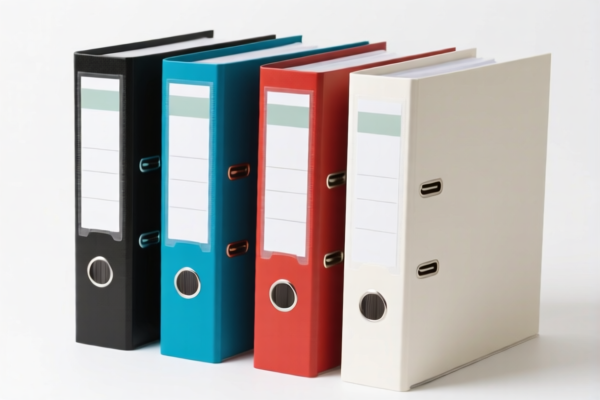
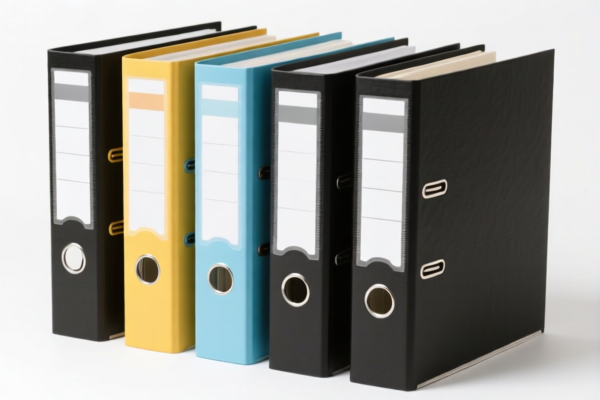
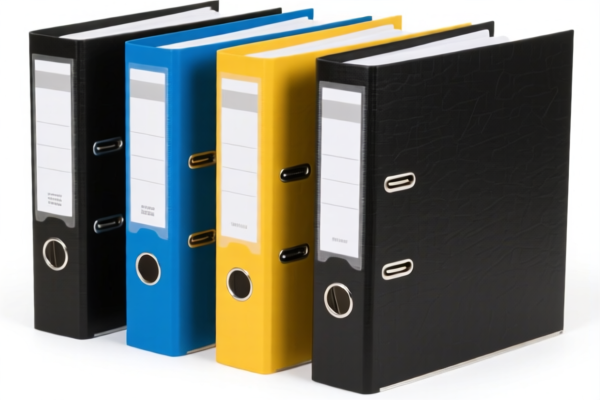
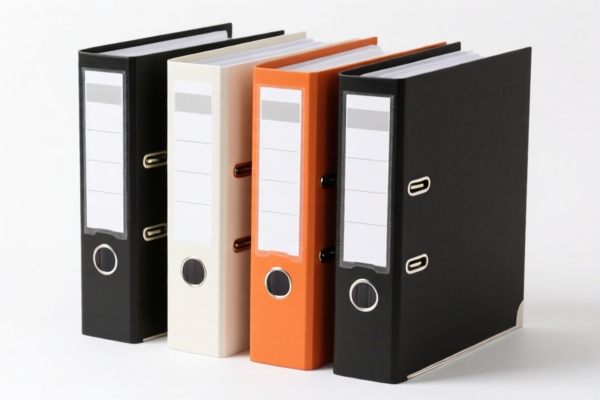
AI Analysis
🃏 Trading Card Binders: The Ultimate Guide to HS Code Classification & US Customs Clearance (2026)
🌐 HS Code Reference & Customs Clearance Guide | 2026 Updated Tariff Analysis | Professional Compliance Strategy
📌 I. Product Definition & Classification: Do You Really Know "Trading Card Binders"?
Trading card binders are specialized storage solutions designed to protect and display collectible cards (e.g., Pokémon, Magic: The Gathering, Baseball Cards). In international trade, they are not a single unified product but are strictly divided based on material composition.
The two main categories are: 1. Plastic Binders: Made primarily of PVC, PP, or PET (common for loose-leaf page refills and rigid covers). 2. Paper/Cardboard Binders: Made of paper, paperboard, or other paper-based materials (common for simple portfolios).
⚠️ Key Distinction:
- If the binder’s primary material is plastic (sheeting, molded plastic, sleeves) → It falls under Chapter 39 (Plastics).
- If the binder’s primary material is paper/paperboard → It falls under Chapter 48 (Paper).
- Note: Items normally carried in pockets/handbags (like small wallet-style card holders) may fall under Chapter 42 (Articles of Leather/Textiles/Plastics), but standard "binders" are generally office/stationery goods.
📦 II. HS Code Classification Details (2026 Latest Tariff Authority)
Based on the provided dataset, here are the exact HS Codes and tax rates for Trading Card Binders:
| HS Code | Product Description | Material | Tax Rate (US Import from China) |
|---|---|---|---|
3926.90.48.00 |
Other articles of plastics: Photo albums | Plastic | 0.0% |
3926.90.87.00 |
Other articles of plastics: Flexible plastic document binders with tabs, rolled or flat | Plastic | 0.0% |
4820.30.00.20 |
Registers, account books... Looseleaf binders | Paper/Paperboard | 25.0% |
4820.30.00.40 |
Registers, account books... Other (e.g., simple portfolios) | Paper/Paperboard | 25.0% |
4202.32.80.00 |
Articles of textile/plastic: Pocket/handbag items (e.g., small card wallets) | Textile/Plastic | 0.0% |
4202.39.90.00 |
Articles of pocket/handbag: Other | Various | 0.0% |
🔍 Critical Note:
- Most standard ring binders or pocket-style binders for trading cards made of plastic are classified under 3926.90.48.00 (if considered photo albums) or 3926.90.87.00 (if considered flexible binders).
- If the binder is made of paper (e.g., cardboard covers with paper sleeves), it is classified under 4820.30.
- Small card wallets (zippered, pocket-sized) may fall under 4202, which is often used for premium, fashion-oriented card holders.
💰 III. 2026 Latest Tariff Rate Details (Detailed Breakdown)
✅ Applicable Country: United States (US)
✅ Origin: China (CN)
✅ Effective Date: 2026 (Based on provided data)
🎯 1. Plastic Binders: 3926.90.48.00 & 3926.90.87.00
| Item | Content |
|---|---|
| Base Tariff | 0.0% |
| Additional Tariff (Section 301) | 0.0% |
| Total Tariff | 0.0% |
| Tax Calculation | CIF Value × 0.0% = $0 |
| De Minimis Eligibility | ✅ Yes (If value <$800) |
| Legal Basis | HTSUS Chapter 39 (Plastics and Articles Thereof) |
📌 Explanation:
- Plastic trading card binders are exempt from additional tariffs in this dataset.
- This makes plastic binders highly competitive for US importers from China.
- Classification Tip:
- Use3926.90.48.00if marketed as "Photo Albums" or "Card Albums".
- Use3926.90.87.00if marketed as "Flexible Plastic Document Binders with Tabs".
🎯 2. Paper/Cardboard Binders: 4820.30.00.20 & 4820.30.00.40
| Item | Content |
|---|---|
| Base Tariff | 0.0% |
| Additional Tariff (Section 301) | 25.0% |
| Total Tariff | 25.0% |
| Tax Calculation | CIF Value × 25.0% |
| De Minimis Eligibility | ✅ Yes (If value <$800) |
| Legal Basis | HTSUS Chapter 48 (Paper/Paperboard) |
📌 Explanation:
- Paper-based binders face a 25% additional tariff.
- This significantly increases the landed cost. Importers should consider switching to plastic or paperboard alternatives if tariff mitigation is needed.
🎯 3. Pocket/Handbag Style Card Holders: 4202.32.80.00 & 4202.39.90.00
| Item | Content |
|---|---|
| Base Tariff | 0.0% |
| Additional Tariff | 0.0% |
| Total Tariff | 0.0% |
| De Minimis Eligibility | ✅ Yes (If value <$800) |
| Legal Basis | HTSUS Chapter 42 (Articles of Leather/Textiles/Plastics) |
📌 Explanation:
- These codes apply to small, portable card holders (e.g., wallet-style, zippered).
- If your product is a large binder, do not use these codes; customs may reject them for misclassification.
- Use only if the item is "normally carried in the pocket or handbag."
🛠️ IV. Customs Clearance Practical Advice (Avoiding Pitfalls)
✅ 1. Required Documentation Checklist
| Document | Required? | Notes |
|---|---|---|
| ✅ Product Specifications | ✔️ | Must specify material (e.g., "100% PVC", "Recycled Paperboard") |
| ✅ Photos | ✔️ | Show full binder, sleeves, tabs, and any branding |
| ✅ Commercial Invoice | ✔️ | Clearly state "Plastic Trading Card Binder" or "Paper Portfolio" |
| ✅ Material Declaration | ✔️ | Critical for distinguishing between Chapter 39 and 48 |
| ✅ Packaging List | ✔️ | Include quantity per carton, net/gross weight |
✅ 2. Classification Strategy (Key Tips)
🔥 “Material Matters: Plastic is Free, Paper is Costly!”
| Scenario | Correct HS Code | Risk |
|---|---|---|
| Plastic Ring Binder with Plastic Sleeves | 3926.90.48.00 or 3926.90.87.00 |
Low (0% tariff) |
| Cardboard Binder with Paper Sleeves | 4820.30.00.20 or 4820.30.00.40 |
High (25% tariff) |
| Small Zippered Card Wallet | 4202.32.80.00 |
Low (0% tariff, but ensure size matches "pocket/handbag") |
| Mixed Material (e.g., Plastic Cover + Paper Insert) | Check Primary Material | Misclassification risk! If plastic >50%, use Ch 39 |
📌 Important:
- If the binder has a plastic cover and paper insert, determine the essential character. Usually, the plastic cover dominates, so classify under 3926.
- Do not misdeclare paper binders as plastic to avoid tariffs; customs inspections will verify material.
✅ 3. Special Cases
| Case | Recommendation |
|---|---|
| OEM Custom Binders | Provide design specs to prove material composition. |
| Bulk vs. Retail | Tariffs apply regardless of quantity; ensure invoice value is accurate. |
| De Minimis ($800) | If shipping individual units via DHL/USPS/FedEx, ensure value <$800 to qualify for de minimis entry. |
| Anti-Dumping | No anti-dumping duties listed for these codes in the provided data. |
🌍 V. Global Market Comparison (2026)
| Market | Recommended HS Code | Tariff Rate (China Origin) | Notes |
|---|---|---|---|
| 🇺🇸 USA | 3926.90.48.00 |
0.0% | Best for plastic binders |
| 🇺🇸 USA | 4820.30.00.20 |
25.0% | High cost for paper binders |
| 🇪🇺 EU | 3926.90 |
~0-6.5% | VAT applies (20% avg) |
| 🇨🇳 China | 3926.90 |
~0-5% | Import duties for foreign goods |
| 🇬🇧 UK | 3926.90 |
~0-6.5% | Post-Brexit VAT applies |
📌 Conclusion:
- US imports of plastic trading card binders are tariff-free under the provided data.
- Paper binders incur a 25% penalty.
- Strategy: Prioritize plastic or mixed-material binders (plastic dominant) to minimize costs.
📌 VI. Common Mistakes & Pitfalls (Learn from Others’ Errors)
❌ Mistake 1: Declaring a paper binder as a plastic binder
👉 Consequence: Customs inspection reveals paper content → 25% tariff + penalties.
❌ Mistake 2: Using 4202 codes for large binders
👉 Consequence: Misclassification → Goods held at port, delays, and possible reclassification.
❌ Mistake 3: Not specifying material in the invoice
👉 Consequence: Customs assigns highest possible duty → 25% tariff instead of 0%.
✅ Correct Practice:
“Plastic Trading Card Binder, PVC Material, 9-Pocket Pages, 100 Pages, For Collectible Cards, Model XYZ”
🎯 VII. Conclusion: Optimize Your Imports
🎯 Key Takeaway:
🔹 Plastic Binders = 0% Tariff (Use
3926.90.48.00or3926.90.87.00)
🔹 Paper Binders = 25% Tariff (Use4820.30.00.20or4820.30.00.40)
🔹 Small Wallets = 0% Tariff (Use4202.32.80.00if pocket-sized)
📌 Pro Tip:
If you are importing from China to the US, switch to plastic or plastic-dominant binders to save 25% on duties. Ensure your commercial invoice clearly states the material composition to avoid customs delays.
✨ Professional Clearance Starts with Accurate Classification!
💼 Save Costs, Avoid Penalties, Stay Compliant!
Customer Reviews
About HS Code Classification
The Harmonized System (HS) is an internationally standardized nomenclature developed by the World Customs Organization (WCO) to classify traded products. Over 200 countries use the HS system as the basis for customs tariffs, trade statistics, and import/export regulations.
Each HS code follows a hierarchical structure:
- Chapter (2 digits) — Broad category of goods (e.g., Chapter 84: Machinery and Mechanical Appliances)
- Heading (4 digits) — More specific grouping within the chapter
- Subheading (6 digits) — Internationally standardized breakdown, used by all WCO member countries
- National subdivisions (8-10 digits) — Country-specific extensions for further classification, such as US HTSUS 10-digit codes
Correct HS code classification is essential for smooth customs clearance, accurate duty payment, and compliance with trade regulations. Misclassification can lead to customs delays, overpayment of duties, or penalties.
When importing from CN to US, the applicable tariff rates may include:
- Most-Favored-Nation (MFN) rate — The standard duty rate applied to WTO members
- General rate — Applied to countries without trade agreements
- Trade remedy duties — Additional tariffs such as Section 301 (anti-dumping), Section 232 (national security), or countervailing duties
The information provided on this page is for reference purposes only. For official classification, please consult with your local customs authority or a licensed customs broker.