Transparent Masking Tape
CN → US| HS编码 | 关税税率 | 原产国 | 目的国 | 文档 |
|---|---|---|---|---|
| 4811411000 | 35.0% | CN | US | 官方文档 |
| 3919102055 | 40.8% | CN | US | 官方文档 |
| 3919102030 | 40.8% | CN | US | 官方文档 |
| 3919905040 | 40.8% | CN | US | 官方文档 |
| 3919102040 | 40.8% | CN | US | 官方文档 |
商品图片
AI分析
🧴 Transparent Masking Tape: The Ultimate HS Code & Customs Clearance Guide
🌐 HS Code Reference & Customs Clearance Guide | 2026 Latest Tariff Analysis | Professional Strategy for Adhesive Products
📌 I. Product Definition: What Exactly is "Transparent Masking Tape"?
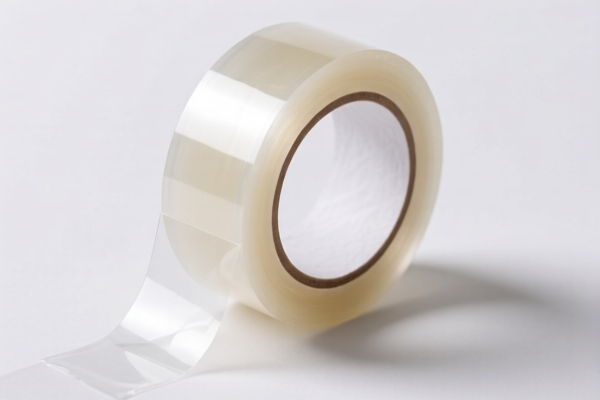
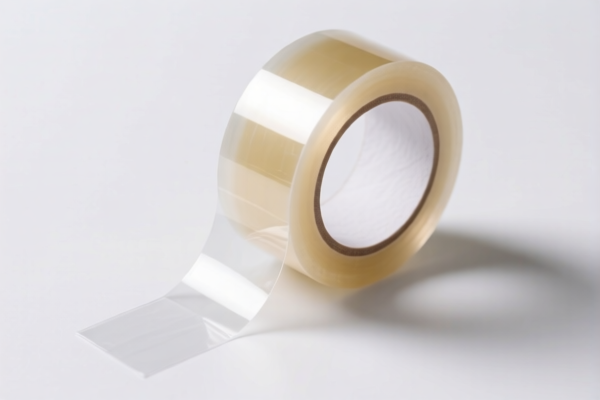
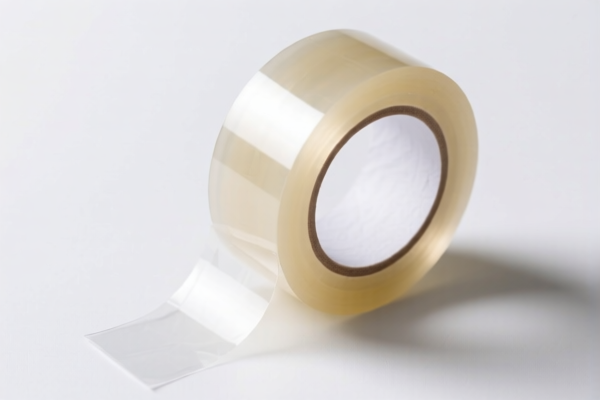
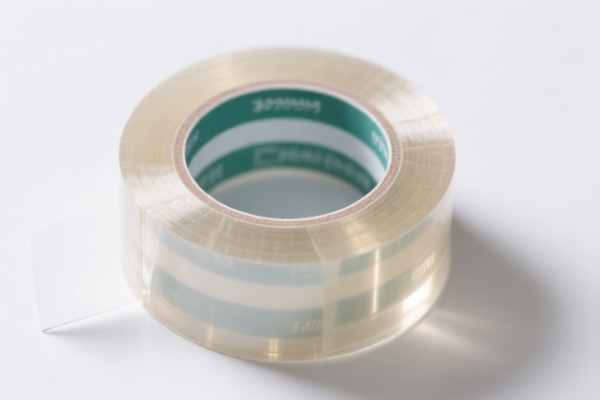
Transparent Masking Tape (often referred to as Clear Tape, Cellotape, or Adhesive Tape) is a ubiquitous packaging and office supply item. However, in international trade, its classification is highly sensitive to its material composition and specific usage.
It generally falls into two main categories: 1. Paper-based Tape with Transparent Coating: Still often classified under Paper (Chapter 48). 2. Plastic-based Tape (PP/PET/BOPP): Classified under Plastics (Chapter 39).
⚠️ Critical Distinction:
- If the backing is paper (even if coated with clear glue), it typically falls under 4811.
- If the backing is plastic (polypropylene, polyethylene, etc.), it falls under 3919.
- Anti-static variants have specific sub-headings due to their functional properties.
📦 II. HS Code Classification Details (2026 Tariff Authority Comparison)
Based on the provided data, here are the valid HS Codes for Transparent Masking Tape, categorized by material and function.
| HS Code | Product Description & Logic | Total Tax Rate | Key Characteristics |
|---|---|---|---|
| 4811.41.10.00 | Paper-based Transparent Self-adhesive Tape Classified as self-adhesive paper, matching transparent tape morphology. |
35.0% | • Base Tariff: 0.0% • Retaliatory (301): 25.0% • Section 122: 10% (Note: Lower base tariff due to paper origin) |
| 3919.10.20.55 | Plastic Self-adhesive Tape (Other) Classified as plastic self-adhesive tape, falling under other categories. |
40.8% | • Base Tariff: 5.8% • Retaliatory (301): 25.0% • Section 122: 10% (Note: Highest complexity) |
| 3919.10.20.30 | Transparent Plastic Tape Classified as transparent tape, matching material and morphology descriptions. |
40.8% | • Base Tariff: 5.8% • Retaliatory (301): 25.0% • Section 122: 10% (Note: Standard plastic transparent tape) |
| 3919.90.50.40 | Plastic Self-adhesive Strip (Transparent Anti-static) Classified as plastic self-adhesive strip with transparent properties. |
40.8% | • Base Tariff: 5.8% • Retaliatory (301): 25.0% • Section 122: 10% (Note: Specific for anti-static applications) |
| 3919.10.20.40 | Transparent Self-adhesive Strip (Plastic) Classified as transparent self-adhesive strip, material is plastic. |
40.8% | • Base Tariff: 5.8% • Retaliatory (301): 25.0% • Section 122: 10% (Note: Functional plastic strip) |
🔍 Key Insight:
- The Paper-based tape (4811) has a lower base tariff (0%) but still incurs the full retaliatory and Section 122 duties, resulting in a 35% total rate.
- The Plastic-based tapes (3919) have a higher base tariff (5.8%), leading to a 40.8% total rate.
- Misclassification Risk: Declaring plastic tape as paper (or vice versa) can lead to severe penalties, underpayment of duties, and shipment delays.
💰 III. Detailed Breakdown of Tariff Rates (2026 US Market)
✅ Applicable Country: United States (US)
✅ Country of Origin: China (CN) (Assumed based on "Section 122" and typical tariff structures)
✅ Effective Date: Current 2026 Tariff Schedule
🎯 1. 4811.41.10.00 – Paper-based Transparent Self-adhesive Tape
| Item | Detail |
|---|---|
| Base Tariff | 0% (Ad valorem) |
| Section 301 Tariff | +25% (Retaliatory tariffs on Chinese goods) |
| Section 122 Tariff | +10% (Specific duty on certain Chinese imports) |
| Total Effective Rate | 35.0% |
| Calculation | CIF Value × 35% |
| De Minimis Exemption? | ❌ No (Deny de minimis) |
| Legal Basis Path | USITC:4811.41.10.00 → Section 301 → Section 122 |
📌 Explanation:
- Although paper products often have low base tariffs, the 25% Section 301 and 10% Section 122 duties make this category expensive.
- The 35% total rate is fixed regardless of the tape's transparency or adhesive type, as long as it is paper-based.
🎯 2. 3919.10.20.30 / 3919.10.20.40 / 3919.10.20.55 – Plastic Transparent Self-adhesive Tape
| Item | Detail |
|---|---|
| Base Tariff | 5.8% (Ad valorem) |
| Section 301 Tariff | +25% (Retaliatory tariffs on Chinese goods) |
| Section 122 Tariff | +10% (Specific duty on certain Chinese imports) |
| Total Effective Rate | 40.8% |
| Calculation | CIF Value × 40.8% |
| De Minimis Exemption? | ❌ No (Deny de minimis) |
| Legal Basis Path | USITC:3919.10.20.xx → Section 301 → Section 122 |
📌 Explanation:
- Plastic tapes have a 5.8% base tariff, which is higher than paper-based tapes.
- The addition of 25% + 10% results in a 40.8% total rate, which is 5.8% higher than the paper-based alternative.
- Sub-class distinctions (30 vs 40 vs 55) depend on specific product features (e.g., anti-static, width, core type), but the tax rate remains identical in this dataset.
🎯 3. 3919.90.50.40 – Transparent Anti-static Plastic Tape
| Item | Detail |
|---|---|
| Base Tariff | 5.8% |
| Section 301 Tariff | +25% |
| Section 122 Tariff | +10% |
| Total Effective Rate | 40.8% |
| Special Note | Functional classification (Anti-static) |
📌 Note:
- Anti-static tapes are often used in electronics manufacturing.
- Despite the specialized function, it falls under the same high-tax bracket as standard plastic tapes.
- Customs Tip: Ensure the "Anti-static" claim is supported by technical data sheets, as misdeclaration can lead to reclassification.
🛠️ IV. Customs Clearance Practical Advice (Avoid Pitfalls)
✅ 1. Essential Documentation Checklist
| Document | Required? | Description |
|---|---|---|
| ✅ Product Specification Sheet | ✔️ | Must specify backing material (Paper vs. Plastic), adhesive type, width, thickness. |
| ✅ Composition Breakdown | ✔️ | Clearly state: e.g., "PP (Polypropylene) film backing with acrylic adhesive." |
| ✅ Technical Data Sheet | ✔️ | For anti-static tapes, provide resistance values (e.g., $10^6 - 10^9$ ohms). |
| ✅ Commercial Invoice | ✔️ | Must match HS Code description exactly. Avoid vague terms like "Tape." Use "Self-adhesive Plastic Tape." |
| ✅ Packing List | ✔️ | Detail net weight, gross weight, and dimensions. |
| ✅ Certificate of Origin | ✔️ | Required for origin verification to apply correct Section 301/122 rates. |
✅ 2. Declaration Best Practices
🔥 "Paper or Plastic? Know Your Backing! Vague Terms Lead to Delays!"
| Scenario | Correct Declaration | Incorrect Declaration | Risk |
|---|---|---|---|
| Standard Clear Tape | 3919.10.20.30 (Plastic) |
"Transparent Tape" | High risk of reclassification to higher duty or rejection. |
| Paper-based Tape | 4811.41.10.00 (Paper) |
"Self-adhesive Tape" | May be assumed plastic, leading to 40.8% instead of 35%. |
| Anti-static Tape | 3919.90.50.40 |
"Clear Tape" | Loss of functional verification; potential audit flag. |
| Mixed Shipment | Split invoices by material | Single invoice for mixed goods | Customs may apply the highest rate to the entire shipment. |
✅ 3. Special Cases & Solutions
| Situation | Recommendation |
|---|---|
| OEM/White Label Products | Ensure the product matches the declared HS Code. If the supplier changes material (e.g., from PET to PP), update the HS Code accordingly. |
| Custom Widths/Lengths | Dimensions do not affect HS classification here, but must be accurately declared for valuation. |
| Anti-static Claims | Provide third-party test reports to prove anti-static properties. If proven, 3919.90.50.40 is more accurate than generic plastic tape codes. |
| Section 122 Impact | Since Section 122 adds 10%, ensure your pricing model includes this cost. It is non-negotiable for Chinese-origin goods. |
🌍 V. Global Market Comparison (2026)
| Market | Recommended HS Code | Total Tariff Rate | Notes |
|---|---|---|---|
| 🇺🇸 USA | 3919.10.20.30 (Plastic)4811.41.10.00 (Paper) |
40.8% (Plastic) 35.0% (Paper) |
High Section 301 (25%) + Section 122 (10%). Paper is slightly cheaper. |
| 🇨🇳 China | 3919.10.20.30 |
~5-7% | Lower base tariffs. No Section 301/122 for imports into China. |
| 🇪🇺 EU | 3919.10.20.30 |
~6.5% | Standard EU tariff. No retaliatory duties. |
| 🇬🇧 UK | 3919.10.20.30 |
~6.5% | Post-Brexit tariff. Similar to EU. |
📌 Conclusion:
- USA is the most challenging market due to Section 301 and Section 122.
- Paper-based tape (4811) offers a 5.8% tax savings compared to plastic tape (3919) in the US market.
- Consider supply chain optimization: If using paper-based tape meets functional requirements, it is the cost-effective choice for US exports.
📌 VI. Common Errors & Pitfalls (Lessons Learned)
❌ Error 1: Declaring Plastic Tape as "Paper Tape" to save 5.8%
👉 Consequence: Customs audit, reclassification, penalties, and shipment hold.
👉 Solution: Always verify the backing material with your supplier.
❌ Error 2: Using "Tape" as the Product Name
👉 Consequence: Ambiguity leads to manual examination and delays.
👉 Solution: Use precise terms: "Self-adhesive Polypropylene Tape" or "Self-adhesive Paper Tape."
❌ Error 3: Ignoring Section 122 Duties
👉 Consequence: Underpayment of 10% of CIF value.
👉 Solution: Factor in 35% or 40.8% total duty in your pricing model from day one.
❌ Error 4: Misclassifying Anti-static Tape as Standard Tape
👉 Consequence: Missing out on specific regulatory requirements or audit flags.
👉 Solution: Clearly declare "Anti-static" and provide technical data.
✅ Correct Practice:
"Self-Adhesive Plastic Tape, 19mm Width, Polypropylene Backing, Transparent, No Anti-Static Properties"
🎯 VII. Conclusion: Precision in Classification Saves Money!
🎯 Key Takeaway:
🔹 "Paper vs. Plastic: The 5.8% Difference Matters!"
🔹 "Section 301 + 122 = Fixed Costs. Optimize Material Choice."
🔹 "Declare Accurately: Vague Names Lead to High Risks!"
📌 Pro Tip:
If your product is plastic-based, consider if a paper-based alternative can meet your functional needs (e.g., for general packaging). The 35% vs. 40.8% tariff difference can significantly impact profit margins for high-volume shipments to the US.
📣 Action Required:
📞 Consult Customs Brokers: Verify HS Code with your supplier’s technical specs.
📊 Cost Analysis: Calculate landed cost using 35% (Paper) or 40.8% (Plastic).
🚀 Optimize: Choose the most cost-effective material that meets customer requirements.
✨ Customs Clearance Starts with Accurate Classification!
💼 Your Bottom Line Depends on the Right HS Code!
用户评价
关于 HS 编码归类
协调制度(HS)是由世界海关组织(WCO)制定的国际贸易商品分类标准。全球 200 多个国家采用 HS 系统作为海关关税、贸易统计和进出口监管的基础。
每个 HS 编码遵循以下层级结构:
- 章(2 位)——商品大类(例如:第 84 章:机器和机械设备)
- 品目(4 位)——章内的更具体分类
- 子目(6 位)——国际通用细分,所有 WCO 成员国统一使用
- 本国细分(8-10 位)——各国自行扩展的细分编码,如美国 HTSUS 10 位编码
正确的 HS 编码归类对于顺利通关、准确缴纳关税和遵守贸易法规至关重要。错误归类可能导致海关延误、多缴关税或罚款。
从CN进口到US时,适用的关税税率可能包括:
- 最惠国(MFN)税率——适用于 WTO 成员国的标准关税税率
- 普通税率——适用于无贸易协定国家
- 贸易救济关税——附加关税,如 301 条款(反倾销)、232 条款(国家安全)或反补贴税
本页内容仅供参考。如需正式归类,请咨询当地海关或持牌报关代理。