Transparent Masking Tape
CN → US| HS Code | Tariff Rate | Origin | Destination | Doc |
|---|---|---|---|---|
| 4811411000 | 35.0% | CN | US | Official Doc |
| 3919102055 | 40.8% | CN | US | Official Doc |
| 3919102030 | 40.8% | CN | US | Official Doc |
| 3919905040 | 40.8% | CN | US | Official Doc |
| 3919102040 | 40.8% | CN | US | Official Doc |
Product Images
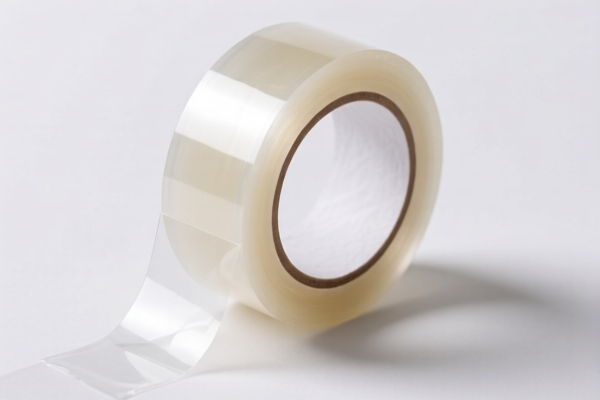
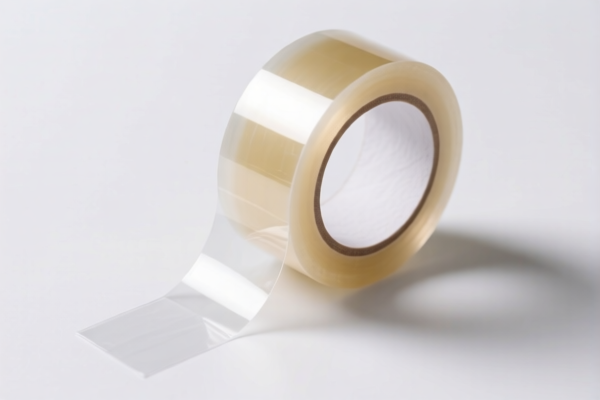
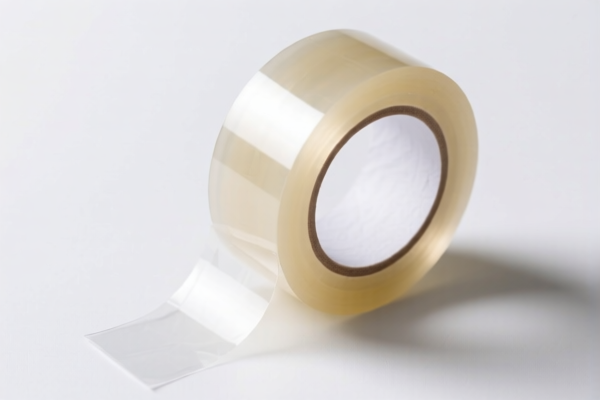
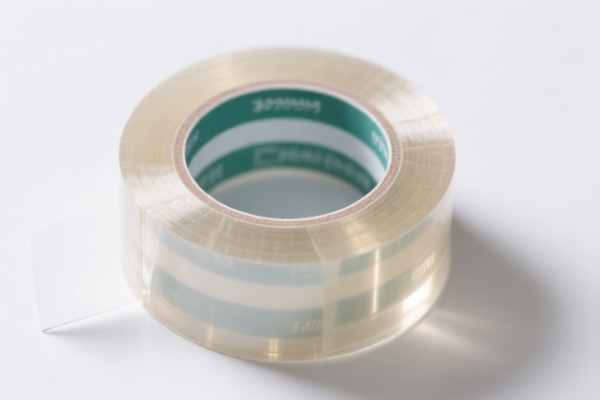
AI Analysis
🧴 Transparent Masking Tape: The Ultimate HS Code & Customs Clearance Guide
🌐 HS Code Reference & Customs Clearance Guide | 2026 Latest Tariff Analysis | Professional Strategy for Adhesive Products
📌 I. Product Definition: What Exactly is "Transparent Masking Tape"?
Transparent Masking Tape (often referred to as Clear Tape, Cellotape, or Adhesive Tape) is a ubiquitous packaging and office supply item. However, in international trade, its classification is highly sensitive to its material composition and specific usage.
It generally falls into two main categories: 1. Paper-based Tape with Transparent Coating: Still often classified under Paper (Chapter 48). 2. Plastic-based Tape (PP/PET/BOPP): Classified under Plastics (Chapter 39).
⚠️ Critical Distinction:
- If the backing is paper (even if coated with clear glue), it typically falls under 4811.
- If the backing is plastic (polypropylene, polyethylene, etc.), it falls under 3919.
- Anti-static variants have specific sub-headings due to their functional properties.
📦 II. HS Code Classification Details (2026 Tariff Authority Comparison)
Based on the provided data, here are the valid HS Codes for Transparent Masking Tape, categorized by material and function.
| HS Code | Product Description & Logic | Total Tax Rate | Key Characteristics |
|---|---|---|---|
| 4811.41.10.00 | Paper-based Transparent Self-adhesive Tape Classified as self-adhesive paper, matching transparent tape morphology. |
35.0% | • Base Tariff: 0.0% • Retaliatory (301): 25.0% • Section 122: 10% (Note: Lower base tariff due to paper origin) |
| 3919.10.20.55 | Plastic Self-adhesive Tape (Other) Classified as plastic self-adhesive tape, falling under other categories. |
40.8% | • Base Tariff: 5.8% • Retaliatory (301): 25.0% • Section 122: 10% (Note: Highest complexity) |
| 3919.10.20.30 | Transparent Plastic Tape Classified as transparent tape, matching material and morphology descriptions. |
40.8% | • Base Tariff: 5.8% • Retaliatory (301): 25.0% • Section 122: 10% (Note: Standard plastic transparent tape) |
| 3919.90.50.40 | Plastic Self-adhesive Strip (Transparent Anti-static) Classified as plastic self-adhesive strip with transparent properties. |
40.8% | • Base Tariff: 5.8% • Retaliatory (301): 25.0% • Section 122: 10% (Note: Specific for anti-static applications) |
| 3919.10.20.40 | Transparent Self-adhesive Strip (Plastic) Classified as transparent self-adhesive strip, material is plastic. |
40.8% | • Base Tariff: 5.8% • Retaliatory (301): 25.0% • Section 122: 10% (Note: Functional plastic strip) |
🔍 Key Insight:
- The Paper-based tape (4811) has a lower base tariff (0%) but still incurs the full retaliatory and Section 122 duties, resulting in a 35% total rate.
- The Plastic-based tapes (3919) have a higher base tariff (5.8%), leading to a 40.8% total rate.
- Misclassification Risk: Declaring plastic tape as paper (or vice versa) can lead to severe penalties, underpayment of duties, and shipment delays.
💰 III. Detailed Breakdown of Tariff Rates (2026 US Market)
✅ Applicable Country: United States (US)
✅ Country of Origin: China (CN) (Assumed based on "Section 122" and typical tariff structures)
✅ Effective Date: Current 2026 Tariff Schedule
🎯 1. 4811.41.10.00 – Paper-based Transparent Self-adhesive Tape
| Item | Detail |
|---|---|
| Base Tariff | 0% (Ad valorem) |
| Section 301 Tariff | +25% (Retaliatory tariffs on Chinese goods) |
| Section 122 Tariff | +10% (Specific duty on certain Chinese imports) |
| Total Effective Rate | 35.0% |
| Calculation | CIF Value × 35% |
| De Minimis Exemption? | ❌ No (Deny de minimis) |
| Legal Basis Path | USITC:4811.41.10.00 → Section 301 → Section 122 |
📌 Explanation:
- Although paper products often have low base tariffs, the 25% Section 301 and 10% Section 122 duties make this category expensive.
- The 35% total rate is fixed regardless of the tape's transparency or adhesive type, as long as it is paper-based.
🎯 2. 3919.10.20.30 / 3919.10.20.40 / 3919.10.20.55 – Plastic Transparent Self-adhesive Tape
| Item | Detail |
|---|---|
| Base Tariff | 5.8% (Ad valorem) |
| Section 301 Tariff | +25% (Retaliatory tariffs on Chinese goods) |
| Section 122 Tariff | +10% (Specific duty on certain Chinese imports) |
| Total Effective Rate | 40.8% |
| Calculation | CIF Value × 40.8% |
| De Minimis Exemption? | ❌ No (Deny de minimis) |
| Legal Basis Path | USITC:3919.10.20.xx → Section 301 → Section 122 |
📌 Explanation:
- Plastic tapes have a 5.8% base tariff, which is higher than paper-based tapes.
- The addition of 25% + 10% results in a 40.8% total rate, which is 5.8% higher than the paper-based alternative.
- Sub-class distinctions (30 vs 40 vs 55) depend on specific product features (e.g., anti-static, width, core type), but the tax rate remains identical in this dataset.
🎯 3. 3919.90.50.40 – Transparent Anti-static Plastic Tape
| Item | Detail |
|---|---|
| Base Tariff | 5.8% |
| Section 301 Tariff | +25% |
| Section 122 Tariff | +10% |
| Total Effective Rate | 40.8% |
| Special Note | Functional classification (Anti-static) |
📌 Note:
- Anti-static tapes are often used in electronics manufacturing.
- Despite the specialized function, it falls under the same high-tax bracket as standard plastic tapes.
- Customs Tip: Ensure the "Anti-static" claim is supported by technical data sheets, as misdeclaration can lead to reclassification.
🛠️ IV. Customs Clearance Practical Advice (Avoid Pitfalls)
✅ 1. Essential Documentation Checklist
| Document | Required? | Description |
|---|---|---|
| ✅ Product Specification Sheet | ✔️ | Must specify backing material (Paper vs. Plastic), adhesive type, width, thickness. |
| ✅ Composition Breakdown | ✔️ | Clearly state: e.g., "PP (Polypropylene) film backing with acrylic adhesive." |
| ✅ Technical Data Sheet | ✔️ | For anti-static tapes, provide resistance values (e.g., $10^6 - 10^9$ ohms). |
| ✅ Commercial Invoice | ✔️ | Must match HS Code description exactly. Avoid vague terms like "Tape." Use "Self-adhesive Plastic Tape." |
| ✅ Packing List | ✔️ | Detail net weight, gross weight, and dimensions. |
| ✅ Certificate of Origin | ✔️ | Required for origin verification to apply correct Section 301/122 rates. |
✅ 2. Declaration Best Practices
🔥 "Paper or Plastic? Know Your Backing! Vague Terms Lead to Delays!"
| Scenario | Correct Declaration | Incorrect Declaration | Risk |
|---|---|---|---|
| Standard Clear Tape | 3919.10.20.30 (Plastic) |
"Transparent Tape" | High risk of reclassification to higher duty or rejection. |
| Paper-based Tape | 4811.41.10.00 (Paper) |
"Self-adhesive Tape" | May be assumed plastic, leading to 40.8% instead of 35%. |
| Anti-static Tape | 3919.90.50.40 |
"Clear Tape" | Loss of functional verification; potential audit flag. |
| Mixed Shipment | Split invoices by material | Single invoice for mixed goods | Customs may apply the highest rate to the entire shipment. |
✅ 3. Special Cases & Solutions
| Situation | Recommendation |
|---|---|
| OEM/White Label Products | Ensure the product matches the declared HS Code. If the supplier changes material (e.g., from PET to PP), update the HS Code accordingly. |
| Custom Widths/Lengths | Dimensions do not affect HS classification here, but must be accurately declared for valuation. |
| Anti-static Claims | Provide third-party test reports to prove anti-static properties. If proven, 3919.90.50.40 is more accurate than generic plastic tape codes. |
| Section 122 Impact | Since Section 122 adds 10%, ensure your pricing model includes this cost. It is non-negotiable for Chinese-origin goods. |
🌍 V. Global Market Comparison (2026)
| Market | Recommended HS Code | Total Tariff Rate | Notes |
|---|---|---|---|
| 🇺🇸 USA | 3919.10.20.30 (Plastic)4811.41.10.00 (Paper) |
40.8% (Plastic) 35.0% (Paper) |
High Section 301 (25%) + Section 122 (10%). Paper is slightly cheaper. |
| 🇨🇳 China | 3919.10.20.30 |
~5-7% | Lower base tariffs. No Section 301/122 for imports into China. |
| 🇪🇺 EU | 3919.10.20.30 |
~6.5% | Standard EU tariff. No retaliatory duties. |
| 🇬🇧 UK | 3919.10.20.30 |
~6.5% | Post-Brexit tariff. Similar to EU. |
📌 Conclusion:
- USA is the most challenging market due to Section 301 and Section 122.
- Paper-based tape (4811) offers a 5.8% tax savings compared to plastic tape (3919) in the US market.
- Consider supply chain optimization: If using paper-based tape meets functional requirements, it is the cost-effective choice for US exports.
📌 VI. Common Errors & Pitfalls (Lessons Learned)
❌ Error 1: Declaring Plastic Tape as "Paper Tape" to save 5.8%
👉 Consequence: Customs audit, reclassification, penalties, and shipment hold.
👉 Solution: Always verify the backing material with your supplier.
❌ Error 2: Using "Tape" as the Product Name
👉 Consequence: Ambiguity leads to manual examination and delays.
👉 Solution: Use precise terms: "Self-adhesive Polypropylene Tape" or "Self-adhesive Paper Tape."
❌ Error 3: Ignoring Section 122 Duties
👉 Consequence: Underpayment of 10% of CIF value.
👉 Solution: Factor in 35% or 40.8% total duty in your pricing model from day one.
❌ Error 4: Misclassifying Anti-static Tape as Standard Tape
👉 Consequence: Missing out on specific regulatory requirements or audit flags.
👉 Solution: Clearly declare "Anti-static" and provide technical data.
✅ Correct Practice:
"Self-Adhesive Plastic Tape, 19mm Width, Polypropylene Backing, Transparent, No Anti-Static Properties"
🎯 VII. Conclusion: Precision in Classification Saves Money!
🎯 Key Takeaway:
🔹 "Paper vs. Plastic: The 5.8% Difference Matters!"
🔹 "Section 301 + 122 = Fixed Costs. Optimize Material Choice."
🔹 "Declare Accurately: Vague Names Lead to High Risks!"
📌 Pro Tip:
If your product is plastic-based, consider if a paper-based alternative can meet your functional needs (e.g., for general packaging). The 35% vs. 40.8% tariff difference can significantly impact profit margins for high-volume shipments to the US.
📣 Action Required:
📞 Consult Customs Brokers: Verify HS Code with your supplier’s technical specs.
📊 Cost Analysis: Calculate landed cost using 35% (Paper) or 40.8% (Plastic).
🚀 Optimize: Choose the most cost-effective material that meets customer requirements.
✨ Customs Clearance Starts with Accurate Classification!
💼 Your Bottom Line Depends on the Right HS Code!
Customer Reviews
About HS Code Classification
The Harmonized System (HS) is an internationally standardized nomenclature developed by the World Customs Organization (WCO) to classify traded products. Over 200 countries use the HS system as the basis for customs tariffs, trade statistics, and import/export regulations.
Each HS code follows a hierarchical structure:
- Chapter (2 digits) — Broad category of goods (e.g., Chapter 84: Machinery and Mechanical Appliances)
- Heading (4 digits) — More specific grouping within the chapter
- Subheading (6 digits) — Internationally standardized breakdown, used by all WCO member countries
- National subdivisions (8-10 digits) — Country-specific extensions for further classification, such as US HTSUS 10-digit codes
Correct HS code classification is essential for smooth customs clearance, accurate duty payment, and compliance with trade regulations. Misclassification can lead to customs delays, overpayment of duties, or penalties.
When importing from CN to US, the applicable tariff rates may include:
- Most-Favored-Nation (MFN) rate — The standard duty rate applied to WTO members
- General rate — Applied to countries without trade agreements
- Trade remedy duties — Additional tariffs such as Section 301 (anti-dumping), Section 232 (national security), or countervailing duties
The information provided on this page is for reference purposes only. For official classification, please consult with your local customs authority or a licensed customs broker.