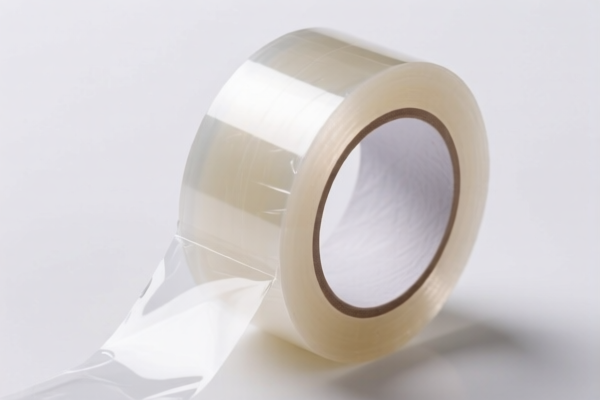
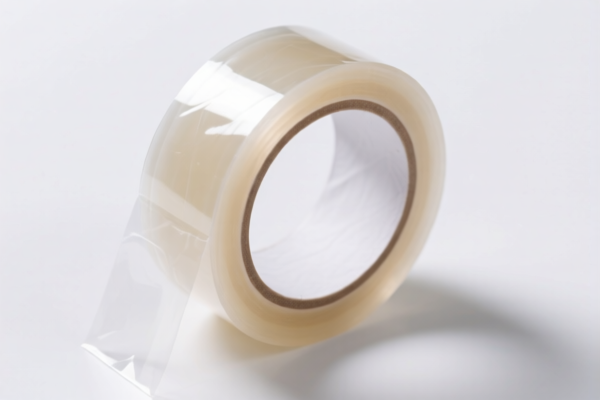
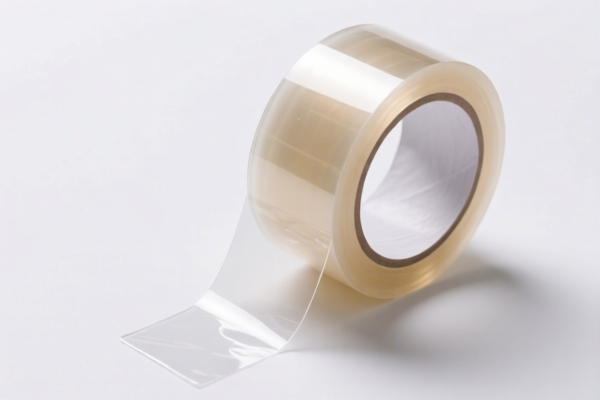
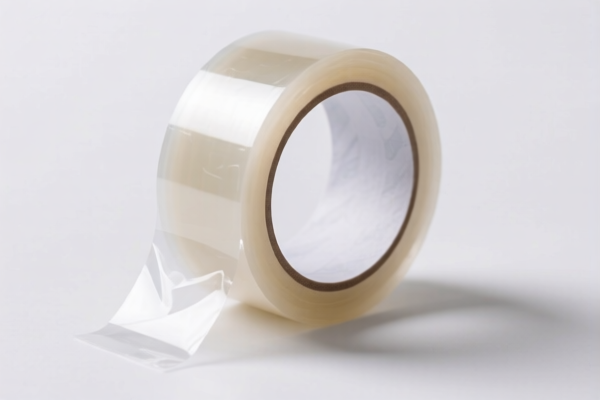
Transparent OPP Tape within 5cm
CN → US| HS编码 | 关税税率 | 原产国 | 目的国 | 文档 |
|---|---|---|---|---|
| 3919102030 | 40.8% | CN | US | 官方文档 |
| 3919102040 | 40.8% | CN | US | 官方文档 |
| 3926904800 | 13.4% | CN | US | 官方文档 |
| 3926909989 | 22.8% | CN | US | 官方文档 |
| 3919102030 | 40.8% | CN | US | 官方文档 |
商品图片
AI分析
🎀 Clear OPP Tape (Width ≤ 5cm) | High-Volume Low-Value Item Guide
🌐 HS Code Reference & Clearance Guide | 2026 Latest Tariff Analysis | Strategic Customs Strategy
📌 One, Product Definition & Classification: Do You Really Understand "Clear Tape"?
Transparent OPP (Oriented Polypropylene) tape is one of the most commonly used packaging materials in global logistics, e-commerce, and light industrial packaging. It is a thin, clear adhesive tape made from polypropylene film.
In international trade, its classification depends heavily on width and specific usage characteristics, especially under current US trade policies regarding Chinese-origin goods.
⚠️ Key Distinction Point:
- If the tape is ≤ 5cm width and meets specific material/form criteria → It often falls under 3919.10.20.30 (Subject to HIGH tariffs).
- If the tape is used for repair purposes or fits other general plastic article definitions → It may fall under 3919.10.20.40 or 3926.90.48.00 / 3926.90.99.89 (Variable tariffs).
- CRITICAL: Width and physical form are decisive factors for HS Code assignment.
📦 Two, HS Code Classification Details (2026 Latest Tariff Authority Comparison)
Based on the provided data, here are the precise HS Codes and their corresponding explanations for "Transparent OPP Tape ≤ 5cm":
| HS Code | Product Description | Applicable Scenario | Key Characteristics |
|---|---|---|---|
3919.10.20.30 |
Transparent tape, width ≤ 5cm, material: transparent plastic, form: tape | Standard packaging tape, office use, light shipping | Width ≤ 5cm, transparent OPP material |
3919.10.20.40 |
Transparent tape, use: repair, material: plastic, fits other category features | Repair tape, specialized adhesive applications | Repair purpose, plastic material |
3926.90.48.00 |
Plastic articles, material: plastic, form: article, fits Chapter 39 classification | General plastic items not specifically categorized as tapes | General plastic article, non-specific tape |
3926.90.99.89 |
Other plastic articles, material: polymer, not excluded specific categories | General polymer products, miscellaneous plastic goods | Polymer-based, general exclusion |
🔍 Important Reminder:
-3919.10.20.30and3919.10.20.40are the primary codes for tapes under Chapter 39 (Plastics and Articles Thereof).
-3926codes are for other plastic articles. If the product is clearly a "tape," prefer Chapter 39. If it’s a specialized plastic item that doesn’t fit tape definitions, consider Chapter 3926.
- Width matters: ≤ 5cm is a specific trigger for some subcategories.
💰 Three, 2026 Latest Tariff Rate Details (Including Surcharges & Policy Add-ons)
✅ Applicable Country: United States (US)
✅ Origin: China (CN)
✅ Effective Time: 2025 onwards (Including subsequent imports)
🎯 1. 3919.10.20.30 —— Transparent Tape (Width ≤ 5cm)
| Item | Content |
|---|---|
| Base Tariff | 5.8% |
| Additional Tariff (Section 301) | +25.0% |
| Section 122 Tariff | +10.0% |
| Total Tariff Rate | 40.8% |
| Tax Calculation | CIF Value × 40.8% |
| De Minimis Eligibility | ❌ Not Eligible (High tariff items often excluded) |
| Legal Basis Path | Base: 5.8% → 301: 25.0% → Sec122: 10.0% |
📌 Explanation:
- "Base Tariff 5.8%": Standard MFN rate for plastic tapes.
- "Section 301 Tariff 25%": Additional duty on Chinese-origin goods under US Trade Act Section 301.
- "Section 122 Tariff 10%": Additional duty under Section 122 of the Trade Expansion Act (national security/trade balance).
- Total 40.8%: This is a very high effective rate. Must be factored into cost calculations.
🎯 2. 3919.10.20.40 —— Transparent Tape (Repair Use)
| Item | Content |
|---|---|
| Base Tariff | 5.8% |
| Additional Tariff (Section 301) | +25.0% |
| Section 122 Tariff | +10.0% |
| Total Tariff Rate | 40.8% |
| Tax Calculation | CIF Value × 40.8% |
| De Minimis Eligibility | ❌ Not Eligible |
| Legal Basis Path | Base: 5.8% → 301: 25.0% → Sec122: 10.0% |
📌 Note:
- Same tariff structure as3919.10.20.30.
- Even if labeled as "repair tape," the tariff burden remains the same under current US policy.
🎯 3. 3926.90.48.00 —— Other Plastic Articles
| Item | Content |
|---|---|
| Base Tariff | 3.4% |
| Additional Tariff (Section 301) | +0.0% |
| Section 122 Tariff | +10.0% |
| Total Tariff Rate | 13.4% |
| Tax Calculation | CIF Value × 13.4% |
| De Minimis Eligibility | ❓ Check Specifics (Lower base may allow different treatment) |
| Legal Basis Path | Base: 3.4% → 301: 0.0% → Sec122: 10.0% |
📌 Advantage:
- Significantly lower total tariff (13.4%) compared to tape-specific codes.
- No Section 301 tariff. Only Section 122 applies.
- Strategy: If the product can be justified as a "general plastic article" rather than a "tape," this code offers major savings. However, risk of reclassification by CBP exists.
🎯 4. 3926.90.99.89 —— Other Plastic Articles (General)
| Item | Content |
|---|---|
| Base Tariff | 5.3% |
| Additional Tariff (Section 301) | +7.5% |
| Section 122 Tariff | +10.0% |
| Total Tariff Rate | 22.8% |
| Tax Calculation | CIF Value × 22.8% |
| De Minimis Eligibility | ❓ Check Specifics |
| Legal Basis Path | Base: 5.3% → 301: 7.5% → Sec122: 10.0% |
📌 Middle Ground:
- Higher than3926.90.48.00but lower than3919codes.
- Applies if the item doesn’t fit specific tape definitions but is a general plastic polymer product.
🛠️ Four, Clearance Practical Advice (Battle-Tested Pitfall Guide)
✅ 1. Documentation Checklist (Essential Items)
| Document | Must Provide | Description |
|---|---|---|
| ✅ Product Specification Sheet | ✔️ | Width, material (OPP), adhesive type, length |
| ✅ Product Photos (Clear) | ✔️ | Show transparency, width reference, packaging |
| ✅ Commercial Invoice | ✔️ | Describe as "Clear Plastic Tape" or "Plastic Article" |
| ✅ Packing List | ✔️ | Quantity, weight, dimensions |
| ✅ Origin Certificate (if any) | ✔️ | For potential preferential treatment |
✅ 2. Declaration Strategy (Key Mnemonics)
🔥 "Width Determines Code, Purpose Matters Less, Article May Save Costs!"
| Scenario | Correct Declaration | Wrong Approach |
|---|---|---|
| Tape ≤ 5cm, transparent | 3919.10.20.30 |
Misdeclare as general plastic → Risk of penalty |
| Repair tape | 3919.10.20.40 |
Declare as packaging → May still be same tax |
| General plastic item (not clear tape) | 3926.90.48.00 |
Force tape code → 40.8% vs 13.4% |
| Polymer-based non-tape | 3926.90.99.89 |
Misclassify as tape → Higher tax |
✅ 3. Special Situation Handling
| Situation | Recommendation |
|---|---|
| OEM Custom Tape | Provide design specs to justify "general plastic article" if possible |
| Mixed Shipments | Separate clear tape ≤5cm from other items to avoid misclassification |
| De Minimis Claims | Be cautious. High-tariff items (40.8%) often block Section 321 de minimis entry |
| Pre-Ruling | Apply for CBP Advance Ruling to lock in HS Code and tariff rate |
🌍 Five, Global Market Clearance Comparison (2026 Latest)
| Country/Region | Recommended HS Code | Tariff (China Origin) | Certification | Notes |
|---|---|---|---|---|
| 🇺🇸 US | 3919.10.20.30 |
40.8% | None | High tariff due to 301 + Sec122 |
| 🇺🇸 US | 3926.90.48.00 |
13.4% | None | Lower if classified as general plastic |
| 🇨🇳 China | 3919.10.20.30 |
~5-10% | CCC (if applicable) | No additional surcharges |
| 🇪🇺 EU | 3919.10.20 |
~6.5% | CE (if applicable) | No major surcharges |
| 🇬🇧 UK | 3919.10.20 |
~6.5% | UKCA | Post-Brexit rules |
| 🇯🇵 Japan | 3919.10.20 |
~6.0% | PSE (if applicable) | No major surcharges |
📌 Conclusion:
- US is the most challenging market due to cumulative tariffs (301 + Sec122).
- Consider restructuring product description to3926.90.48.00if legally justifiable to save 27.4% in tariffs.
- Non-US markets have significantly lower tariff burdens.
📌 Six, Common Mistakes & Pitfalls (Blood Lessons)
❌ Mistake 1: Declaring all tapes as 3926 to avoid higher taxes
👉 Consequence: CBP reclassification → Back taxes + penalties.
Rule: If it’s clearly a "tape" (adhesive, rolls, transparent),
3919is more accurate.
❌ Mistake 2: Ignoring Section 122 Tariff
👉 Consequence: Underpayment of 10% → Audit target.
Rule: Always include Section 122 if applicable.
❌ Mistake 3: Assuming De Minimis Applies to High-Tariff Items
👉 Consequence: Shipment seized at border.
Rule: Items with >20% total tariff often excluded from Section 321.
❌ Mistake 4: Vague Description ("Plastic Tape")
👉 Consequence: Delays in clearance, request for more info.
Rule: Specify "Width ≤ 5cm," "Transparent OPP," "Adhesive Type."
✅ Correct Approach:
“Clear OPP Adhesive Tape, Width 4cm, Transparent Polypropylene, for Packaging Use, Model XYZ, Non-Retail”
🎯 Seven, Conclusion: Precision Classification Saves Money!
🎯 Remember the Mnemonic:
🔹 "Width ≤5cm? Check 3919. 40.8% Tax. Try 3926? 13.4% Save."
🔹 "HS Code Determines Cost, Tariff Difference is Huge, Wrong Class = Big Fine!"
📌 Pro Tip:
If your tape is originating from Vietnam, Thailand, or Malaysia, you may qualify for Tariff Exemptions under US trade policies, reducing rates to 0%~5%.
Recommend Applying for CBP Advance Ruling before shipment to lock in the correct HS Code and tariff rate.
📣 Immediate Action:
📞 Consult Customs Broker + Provide Product Specs + Apply for HS Code Pre-Ruling
🚀 Ensure Smooth Clearance, Reduce Costs, Maximize Profit!
✨ Professional Clearance Starts with Accurate Classification!
💼 Every Cent of Cost Should Be Precisely Calculated!
用户评价
关于 HS 编码归类
协调制度(HS)是由世界海关组织(WCO)制定的国际贸易商品分类标准。全球 200 多个国家采用 HS 系统作为海关关税、贸易统计和进出口监管的基础。
每个 HS 编码遵循以下层级结构:
- 章(2 位)——商品大类(例如:第 84 章:机器和机械设备)
- 品目(4 位)——章内的更具体分类
- 子目(6 位)——国际通用细分,所有 WCO 成员国统一使用
- 本国细分(8-10 位)——各国自行扩展的细分编码,如美国 HTSUS 10 位编码
正确的 HS 编码归类对于顺利通关、准确缴纳关税和遵守贸易法规至关重要。错误归类可能导致海关延误、多缴关税或罚款。
从CN进口到US时,适用的关税税率可能包括:
- 最惠国(MFN)税率——适用于 WTO 成员国的标准关税税率
- 普通税率——适用于无贸易协定国家
- 贸易救济关税——附加关税,如 301 条款(反倾销)、232 条款(国家安全)或反补贴税
本页内容仅供参考。如需正式归类,请咨询当地海关或持牌报关代理。