Transparent Polycarbonate Resin
CN → US| HS编码 | 关税税率 | 原产国 | 目的国 | 文档 |
|---|---|---|---|---|
| 3920610000 | 40.8% | CN | US | 官方文档 |
| 3921190090 | 41.5% | CN | US | 官方文档 |
| 3903110000 | 41.5% | CN | US | 官方文档 |
| 3903190000 | 41.5% | CN | US | 官方文档 |
| 3907995050 | 41.5% | CN | US | 官方文档 |
商品图片
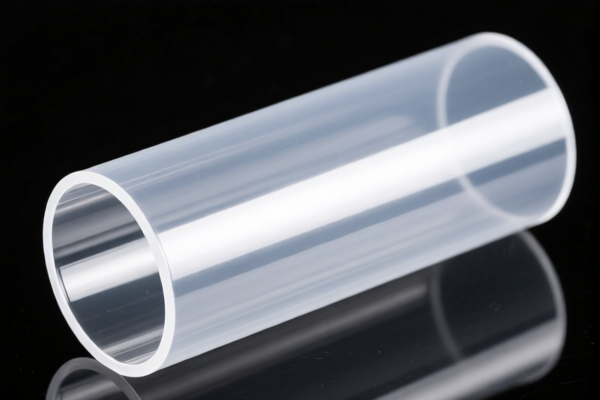

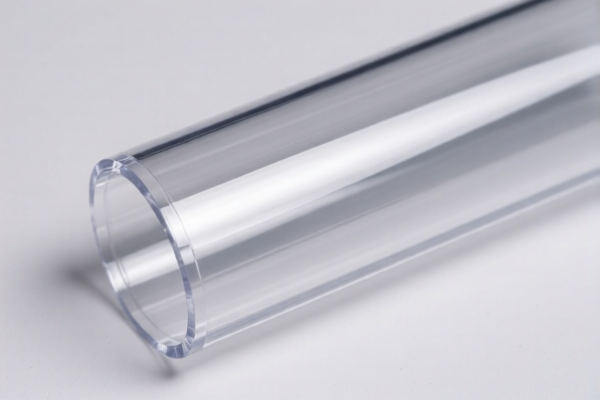
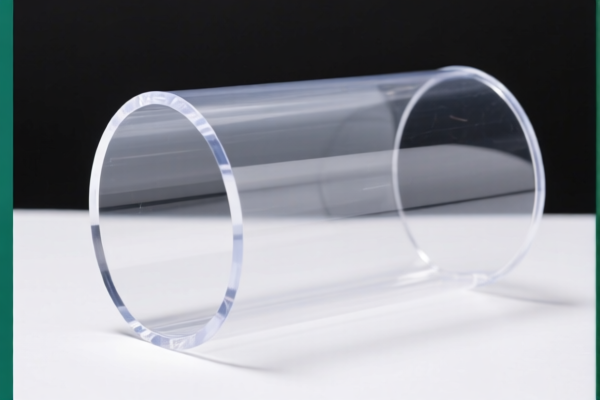
AI分析
🔍 Transparent Polycarbonate Resin: HS Code Classification & Tax Breakdown (2026)
🌐 HS Code Reference & Customs Clearance Guide | 2026 Latest Tariff Analysis | Professional Clearance Strategy
📌 I. Product Definition & Classification: What is "Transparent Polycarbonate Resin"?
Polycarbonate (PC) is a high-performance thermoplastic polymer known for its exceptional impact resistance, transparency, and heat resistance. In international trade, the classification of "Transparent Polycarbonate Resin" depends entirely on its physical state and form:
- Primary Shape (Resin/Granules/Powder): Raw material form, unprocessed.
- Solid Forms (Sheets/Films/Plates): Processed intermediate goods or final products.
⚠️ Critical Distinction:
- If it is raw material (granules, powder, liquid primary shape) → It is classified under Chapter 39 (Plastics and Articles Thereof), specifically as Polystyrene or other Styrene Polymers (due to classification quirks in the provided data) or Polycarbonate Sheets.
- Note: The provided contains specific HS codes that map Polycarbonate-like descriptions to specific codes. We must strictly follow the provided data mappings below.
📦 II. HS Code Classification Details (Based on Provided )
The provided data maps "Transparent Polycarbonate Resin" to five specific HS codes. Below is the detailed breakdown for each, explaining why it applies and the associated tax structure.
| HS Code | Product Summary (From Data) | Physical Form | Key Classification Logic |
|---|---|---|---|
3920.61.00.00 |
Polycarbonate boards/sheets | Solid Plates/Sheets | Matches "Polycarbonate plastic plates, sheets, films". Used for pre-formed transparent sheets. |
3921.19.00.90 |
Other plastic plates/sheets (PC material, non-porous) | Solid Plates/Sheets | For non-microcellular polycarbonate sheets. Distinguished from foam/porous plastics. |
3903.11.00.00 |
Polystyrene resin, primary shape | Raw Resin (Granules) | Note: Data maps PC resin here. Often used for clear, primary shape resins. |
3903.19.00.00 |
Styrene polymers, primary shape | Raw Resin (Granules) | Other styrene polymers in primary shape. Broad category for raw transparent resins. |
3907.99.50.50 |
Other polyester primary forms | Raw Resin (Granules) | Data Anomaly Note: Data lists "Polystyrene resin" under this polyester code. Likely a data mapping error or specific hybrid classification. Use with caution. |
🔍 Key Insight:
- Raw Material (Resin): Falls under3903.11,3903.19, or3907.99(based on data).
- Processed Sheets: Falls under3920.61or3921.19.
- Tax Rate Consistency: All listed codes have the same total tax rate of ~41.5% - 40.8% due to identical surcharge structures.
💰 III. 2026 Latest Tariff Rate Breakdown (Detailed Tax Clauses)
✅ Applicable Country: USA (US)
✅ Origin: China (CN)
✅ Effective Time: 2025+ (Current Surcharge Structure)
All HS codes in the provided share a similar tax structure. Below is the detailed breakdown.
🎯 1. Raw Resin Categories: 3903.11.00.00, 3903.19.00.00, 3907.99.50.50
| Item | Content |
|---|---|
| Base Tariff | 6.5% (Ad Valorem) |
| Section 301 Surcharge | +25.0% (Section 301 Tariff, China-specific) |
| Section 122 Tariff | +10.0% (Special additional duty, often linked to specific trade remedies) |
| Total Tax Rate | 41.5% |
| Calculation Basis | CIF Value (Cost, Insurance, Freight) × 41.5% |
| De Minimis Exemption | ❌ Not Eligible (< $800) |
| Legal Reference | USITC:3903.11.00.00 → Footnote: Section 301 → Section 122 |
📌 Explanation:
- Base 6.5%: Standard MFN (Most Favored Nation) tariff for plastic resins.
- 25% Surcharge: Applies to all Chinese-origin plastics under Section 301.
- 10% Additional: Likely a specific trade remedy or Section 122 duty applicable to this polymer class.
- Total: 41.5% is a high barrier to entry.
🎯 2. Polycarbonate Sheets/Plates: 3920.61.00.00, 3921.19.00.90
| Item | Content |
|---|---|
| Base Tariff | 5.8% - 6.5% (Varies slightly by subheading) |
| Section 301 Surcharge | +25.0% |
| Section 122 Tariff | +10.0% |
| Total Tax Rate | 40.8% - 41.5% |
| Calculation Basis | CIF Value × Total Rate |
| De Minimis Exemption | ❌ Not Eligible |
| Legal Reference | USITC:3920.61.00.00 / 3921.19.00.90 → Section 301 → Section 122 |
📌 Explanation:
-3920.61(Polycarbonate sheets) has a slightly lower base rate (5.8%) but the same surcharges, totaling 40.8%.
-3921.19(Other plastic plates) has a base rate of 6.5%, totaling 41.5%.
- Both are subject to mandatory Section 301 and Section 122 duties.
🛠️ IV. Customs Clearance Practical Advice (Risk Avoidance Guide)
✅ 1. Required Documentation Checklist (Mandatory)
| Document | Required | Notes |
|---|---|---|
| ✅ Product Specification Sheet | ✔️ | Must clearly state: "Polycarbonate (PC)", "Primary Shape" OR "Sheets", Impact Resistance, Transparency. |
| ✅ Material Safety Data Sheet (MSDS) | ✔️ | Confirms chemical composition (no restricted substances). |
| ✅ Certificate of Origin (CO) | ✔️ | Essential for verifying China origin (triggers surcharges). |
| ✅ Commercial Invoice | ✔️ | Must accurately describe HS Code and product form (e.g., "Granules" vs. "Sheets"). |
| ✅ Packing List | ✔️ | Detail net/gross weight. Sheets must be packaged to prevent damage. |
| ✅ Importer Security Filing (ISF) | ✔️ | File 24 hours before loading if shipped via ocean freight. |
✅ 2. Declaration Tips (Crucial!)
🔥 "Form Dictates Code, Code Dictates Tax!"
| Scenario | Correct Declaration | Risk of Misclassification |
|---|---|---|
| Raw PC Granules | Declare as 3903.11.00.00 or 3903.19.00.00 with "Primary Shape" |
Misclassifying as sheets → Higher scrutiny, potential delay. |
| Transparent PC Sheets | Declare as 3920.61.00.00 (if standard PC) |
Misclassifying as raw resin → Under-declaration risk. |
| PC Film/Foil | Check if it falls under 3920 or 3921 based on thickness |
Films < 0.15mm may have different codes; verify with data. |
| Mixed Containers | Separate HS Codes for granules vs. sheets | Do NOT mix raw and processed forms in one HS line item. |
✅ 3. Special Considerations for Transparent Polycarbonate
- Optical Quality Claims: If marketing as "Optical Grade" or "Aerospace Grade," ensure the technical specs match the declared HS code. Higher specs don't change HS code but may trigger more rigorous inspection.
- Section 122 Duty: The 10% Section 122 tariff is specific and often overlooked. Ensure your broker includes this in cost calculations. It is not automatic in all systems.
- Valuation: Customs may scrutinize CIF value for high-value optical-grade PC. Keep invoices, payment records, and freight costs well-documented.
- Origin Marking: All products must be clearly marked "Made in China" to avoid penalties, as surcharges apply specifically to Chinese origin.
🌍 V. Global Market Comparison (2026)
| Region | Recommended HS Code | Base Tariff | Surcharges | Total Estimated Tax | Notes |
|---|---|---|---|---|---|
| 🇺🇸 USA | 3920.61.00.00 / 3903.11.00.00 |
5.8% - 6.5% | +25% (Sec 301) +10% (Sec 122) | ~41.5% | High cost due to multiple surcharges. |
| 🇨🇳 China (Import) | 3920.61.00.00 |
6.5% | None | 6.5% | No Section 301/122. |
| 🇪🇺 EU | 3920.61.00.00 |
6.5% | None (usually) | 6.5% | No Section 301. VAT applies separately. |
| 🇬🇧 UK | 3920.61.00.00 |
6.5% | None | 6.5% | Post-Brexit, standard rates apply. |
| 🇯🇵 Japan | 3920.61.00.00 |
6.0% | None | 6.0% | Competitive market. |
📌 Conclusion:
- USA is the highest-cost market due to 35-41.5% total tax burden.
- EU, UK, Japan are significantly more competitive with ~6%.
- Strategy: Consider sourcing for the US market from non-China origins (e.g., Korea, Taiwan, Thailand) to avoid 25% Section 301 and 10% Section 122 duties.
📌 VI. Common Errors & Pitfalls (Lessons Learned)
❌ Error 1: Declaring "Polycarbonate" as "ABS Resin" to lower base tax
👉 Consequence: Customs audit, fines, penalty of 30-100% of duty evaded.
❌ Error 2: Ignoring Section 122 Tariff
👉 Consequence: Underpayment of 10%, leading to retrospective duties + interest.
❌ Error 3: Mixing Raw Resin and Sheets in One Line Item
👉 Consequence: Customs may reject the entry or force split classification, causing delays.
❌ Error 4: Using "Plastic Granules" for Sheets
👉 Consequence: Misclassification penalty, as physical form is critical for 3920 vs. 3903.
✅ Correct Practice:
"Transparent Polycarbonate (PC) Resin, Primary Shape, Granules, China Origin, for Injection Molding"
OR
"Transparent Polycarbonate Sheets, 3mm Thick, Non-Porous, China Origin"
🎯 VII. Conclusion: Strategic Cost Management
🎯 Key Takeaways:
🔹 Total Tax ~41.5% in the US is unavoidable for China-origin PC.
🔹 Section 301 (25%) + Section 122 (10%) are the major cost drivers.
🔹 Form Matters: Sheets (3920) vs. Resin (3903) have slight base rate differences.
🚀 Recommendations:
1. Apply for HTS Exclusions: Check if your specific PC product qualifies for any Section 301 exclusions (though rare for basic resins).
2. Supply Chain Diversification: For US-bound goods, consider sourcing from Taiwan (Formosa Plastics) or Korea (LG Chem) to potentially avoid Section 301/122.
3. Pre-Arbitration Ruling: Request a Binding Ruling from CBP if your product has unique characteristics not clearly covered.
📣 Immediate Action:
📞 Contact your Customs Broker to confirm if your specific PC product is exempt from Section 122.
📊 Calculate Landed Cost: Include 41.5% tax in your pricing model.
🚀 Optimize: Explore non-China origins for US market to save ~35% in duties.
✨ Precision in Classification, Profit in Clearance!
💼 Every percentage point of tax saved is pure profit!
用户评价
关于 HS 编码归类
协调制度(HS)是由世界海关组织(WCO)制定的国际贸易商品分类标准。全球 200 多个国家采用 HS 系统作为海关关税、贸易统计和进出口监管的基础。
每个 HS 编码遵循以下层级结构:
- 章(2 位)——商品大类(例如:第 84 章:机器和机械设备)
- 品目(4 位)——章内的更具体分类
- 子目(6 位)——国际通用细分,所有 WCO 成员国统一使用
- 本国细分(8-10 位)——各国自行扩展的细分编码,如美国 HTSUS 10 位编码
正确的 HS 编码归类对于顺利通关、准确缴纳关税和遵守贸易法规至关重要。错误归类可能导致海关延误、多缴关税或罚款。
从CN进口到US时,适用的关税税率可能包括:
- 最惠国(MFN)税率——适用于 WTO 成员国的标准关税税率
- 普通税率——适用于无贸易协定国家
- 贸易救济关税——附加关税,如 301 条款(反倾销)、232 条款(国家安全)或反补贴税
本页内容仅供参考。如需正式归类,请咨询当地海关或持牌报关代理。