Transparent Polycarbonate Resin
CN → US| HS Code | Tariff Rate | Origin | Destination | Doc |
|---|---|---|---|---|
| 3920610000 | 40.8% | CN | US | Official Doc |
| 3921190090 | 41.5% | CN | US | Official Doc |
| 3903110000 | 41.5% | CN | US | Official Doc |
| 3903190000 | 41.5% | CN | US | Official Doc |
| 3907995050 | 41.5% | CN | US | Official Doc |
Product Images
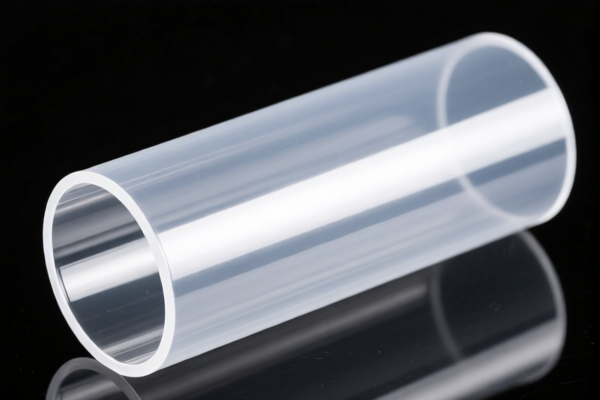

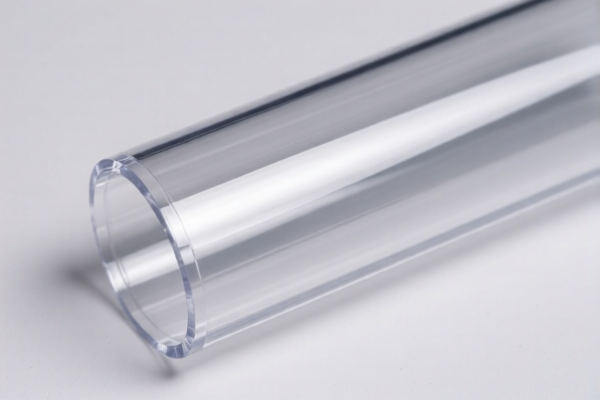
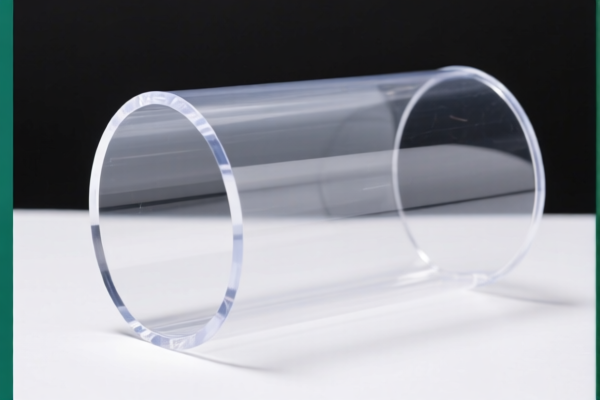
AI Analysis
🔍 Transparent Polycarbonate Resin: HS Code Classification & Tax Breakdown (2026)
🌐 HS Code Reference & Customs Clearance Guide | 2026 Latest Tariff Analysis | Professional Clearance Strategy
📌 I. Product Definition & Classification: What is "Transparent Polycarbonate Resin"?
Polycarbonate (PC) is a high-performance thermoplastic polymer known for its exceptional impact resistance, transparency, and heat resistance. In international trade, the classification of "Transparent Polycarbonate Resin" depends entirely on its physical state and form:
- Primary Shape (Resin/Granules/Powder): Raw material form, unprocessed.
- Solid Forms (Sheets/Films/Plates): Processed intermediate goods or final products.
⚠️ Critical Distinction:
- If it is raw material (granules, powder, liquid primary shape) → It is classified under Chapter 39 (Plastics and Articles Thereof), specifically as Polystyrene or other Styrene Polymers (due to classification quirks in the provided data) or Polycarbonate Sheets.
- Note: The provided contains specific HS codes that map Polycarbonate-like descriptions to specific codes. We must strictly follow the provided data mappings below.
📦 II. HS Code Classification Details (Based on Provided )
The provided data maps "Transparent Polycarbonate Resin" to five specific HS codes. Below is the detailed breakdown for each, explaining why it applies and the associated tax structure.
| HS Code | Product Summary (From Data) | Physical Form | Key Classification Logic |
|---|---|---|---|
3920.61.00.00 |
Polycarbonate boards/sheets | Solid Plates/Sheets | Matches "Polycarbonate plastic plates, sheets, films". Used for pre-formed transparent sheets. |
3921.19.00.90 |
Other plastic plates/sheets (PC material, non-porous) | Solid Plates/Sheets | For non-microcellular polycarbonate sheets. Distinguished from foam/porous plastics. |
3903.11.00.00 |
Polystyrene resin, primary shape | Raw Resin (Granules) | Note: Data maps PC resin here. Often used for clear, primary shape resins. |
3903.19.00.00 |
Styrene polymers, primary shape | Raw Resin (Granules) | Other styrene polymers in primary shape. Broad category for raw transparent resins. |
3907.99.50.50 |
Other polyester primary forms | Raw Resin (Granules) | Data Anomaly Note: Data lists "Polystyrene resin" under this polyester code. Likely a data mapping error or specific hybrid classification. Use with caution. |
🔍 Key Insight:
- Raw Material (Resin): Falls under3903.11,3903.19, or3907.99(based on data).
- Processed Sheets: Falls under3920.61or3921.19.
- Tax Rate Consistency: All listed codes have the same total tax rate of ~41.5% - 40.8% due to identical surcharge structures.
💰 III. 2026 Latest Tariff Rate Breakdown (Detailed Tax Clauses)
✅ Applicable Country: USA (US)
✅ Origin: China (CN)
✅ Effective Time: 2025+ (Current Surcharge Structure)
All HS codes in the provided share a similar tax structure. Below is the detailed breakdown.
🎯 1. Raw Resin Categories: 3903.11.00.00, 3903.19.00.00, 3907.99.50.50
| Item | Content |
|---|---|
| Base Tariff | 6.5% (Ad Valorem) |
| Section 301 Surcharge | +25.0% (Section 301 Tariff, China-specific) |
| Section 122 Tariff | +10.0% (Special additional duty, often linked to specific trade remedies) |
| Total Tax Rate | 41.5% |
| Calculation Basis | CIF Value (Cost, Insurance, Freight) × 41.5% |
| De Minimis Exemption | ❌ Not Eligible (< $800) |
| Legal Reference | USITC:3903.11.00.00 → Footnote: Section 301 → Section 122 |
📌 Explanation:
- Base 6.5%: Standard MFN (Most Favored Nation) tariff for plastic resins.
- 25% Surcharge: Applies to all Chinese-origin plastics under Section 301.
- 10% Additional: Likely a specific trade remedy or Section 122 duty applicable to this polymer class.
- Total: 41.5% is a high barrier to entry.
🎯 2. Polycarbonate Sheets/Plates: 3920.61.00.00, 3921.19.00.90
| Item | Content |
|---|---|
| Base Tariff | 5.8% - 6.5% (Varies slightly by subheading) |
| Section 301 Surcharge | +25.0% |
| Section 122 Tariff | +10.0% |
| Total Tax Rate | 40.8% - 41.5% |
| Calculation Basis | CIF Value × Total Rate |
| De Minimis Exemption | ❌ Not Eligible |
| Legal Reference | USITC:3920.61.00.00 / 3921.19.00.90 → Section 301 → Section 122 |
📌 Explanation:
-3920.61(Polycarbonate sheets) has a slightly lower base rate (5.8%) but the same surcharges, totaling 40.8%.
-3921.19(Other plastic plates) has a base rate of 6.5%, totaling 41.5%.
- Both are subject to mandatory Section 301 and Section 122 duties.
🛠️ IV. Customs Clearance Practical Advice (Risk Avoidance Guide)
✅ 1. Required Documentation Checklist (Mandatory)
| Document | Required | Notes |
|---|---|---|
| ✅ Product Specification Sheet | ✔️ | Must clearly state: "Polycarbonate (PC)", "Primary Shape" OR "Sheets", Impact Resistance, Transparency. |
| ✅ Material Safety Data Sheet (MSDS) | ✔️ | Confirms chemical composition (no restricted substances). |
| ✅ Certificate of Origin (CO) | ✔️ | Essential for verifying China origin (triggers surcharges). |
| ✅ Commercial Invoice | ✔️ | Must accurately describe HS Code and product form (e.g., "Granules" vs. "Sheets"). |
| ✅ Packing List | ✔️ | Detail net/gross weight. Sheets must be packaged to prevent damage. |
| ✅ Importer Security Filing (ISF) | ✔️ | File 24 hours before loading if shipped via ocean freight. |
✅ 2. Declaration Tips (Crucial!)
🔥 "Form Dictates Code, Code Dictates Tax!"
| Scenario | Correct Declaration | Risk of Misclassification |
|---|---|---|
| Raw PC Granules | Declare as 3903.11.00.00 or 3903.19.00.00 with "Primary Shape" |
Misclassifying as sheets → Higher scrutiny, potential delay. |
| Transparent PC Sheets | Declare as 3920.61.00.00 (if standard PC) |
Misclassifying as raw resin → Under-declaration risk. |
| PC Film/Foil | Check if it falls under 3920 or 3921 based on thickness |
Films < 0.15mm may have different codes; verify with data. |
| Mixed Containers | Separate HS Codes for granules vs. sheets | Do NOT mix raw and processed forms in one HS line item. |
✅ 3. Special Considerations for Transparent Polycarbonate
- Optical Quality Claims: If marketing as "Optical Grade" or "Aerospace Grade," ensure the technical specs match the declared HS code. Higher specs don't change HS code but may trigger more rigorous inspection.
- Section 122 Duty: The 10% Section 122 tariff is specific and often overlooked. Ensure your broker includes this in cost calculations. It is not automatic in all systems.
- Valuation: Customs may scrutinize CIF value for high-value optical-grade PC. Keep invoices, payment records, and freight costs well-documented.
- Origin Marking: All products must be clearly marked "Made in China" to avoid penalties, as surcharges apply specifically to Chinese origin.
🌍 V. Global Market Comparison (2026)
| Region | Recommended HS Code | Base Tariff | Surcharges | Total Estimated Tax | Notes |
|---|---|---|---|---|---|
| 🇺🇸 USA | 3920.61.00.00 / 3903.11.00.00 |
5.8% - 6.5% | +25% (Sec 301) +10% (Sec 122) | ~41.5% | High cost due to multiple surcharges. |
| 🇨🇳 China (Import) | 3920.61.00.00 |
6.5% | None | 6.5% | No Section 301/122. |
| 🇪🇺 EU | 3920.61.00.00 |
6.5% | None (usually) | 6.5% | No Section 301. VAT applies separately. |
| 🇬🇧 UK | 3920.61.00.00 |
6.5% | None | 6.5% | Post-Brexit, standard rates apply. |
| 🇯🇵 Japan | 3920.61.00.00 |
6.0% | None | 6.0% | Competitive market. |
📌 Conclusion:
- USA is the highest-cost market due to 35-41.5% total tax burden.
- EU, UK, Japan are significantly more competitive with ~6%.
- Strategy: Consider sourcing for the US market from non-China origins (e.g., Korea, Taiwan, Thailand) to avoid 25% Section 301 and 10% Section 122 duties.
📌 VI. Common Errors & Pitfalls (Lessons Learned)
❌ Error 1: Declaring "Polycarbonate" as "ABS Resin" to lower base tax
👉 Consequence: Customs audit, fines, penalty of 30-100% of duty evaded.
❌ Error 2: Ignoring Section 122 Tariff
👉 Consequence: Underpayment of 10%, leading to retrospective duties + interest.
❌ Error 3: Mixing Raw Resin and Sheets in One Line Item
👉 Consequence: Customs may reject the entry or force split classification, causing delays.
❌ Error 4: Using "Plastic Granules" for Sheets
👉 Consequence: Misclassification penalty, as physical form is critical for 3920 vs. 3903.
✅ Correct Practice:
"Transparent Polycarbonate (PC) Resin, Primary Shape, Granules, China Origin, for Injection Molding"
OR
"Transparent Polycarbonate Sheets, 3mm Thick, Non-Porous, China Origin"
🎯 VII. Conclusion: Strategic Cost Management
🎯 Key Takeaways:
🔹 Total Tax ~41.5% in the US is unavoidable for China-origin PC.
🔹 Section 301 (25%) + Section 122 (10%) are the major cost drivers.
🔹 Form Matters: Sheets (3920) vs. Resin (3903) have slight base rate differences.
🚀 Recommendations:
1. Apply for HTS Exclusions: Check if your specific PC product qualifies for any Section 301 exclusions (though rare for basic resins).
2. Supply Chain Diversification: For US-bound goods, consider sourcing from Taiwan (Formosa Plastics) or Korea (LG Chem) to potentially avoid Section 301/122.
3. Pre-Arbitration Ruling: Request a Binding Ruling from CBP if your product has unique characteristics not clearly covered.
📣 Immediate Action:
📞 Contact your Customs Broker to confirm if your specific PC product is exempt from Section 122.
📊 Calculate Landed Cost: Include 41.5% tax in your pricing model.
🚀 Optimize: Explore non-China origins for US market to save ~35% in duties.
✨ Precision in Classification, Profit in Clearance!
💼 Every percentage point of tax saved is pure profit!
Customer Reviews
About HS Code Classification
The Harmonized System (HS) is an internationally standardized nomenclature developed by the World Customs Organization (WCO) to classify traded products. Over 200 countries use the HS system as the basis for customs tariffs, trade statistics, and import/export regulations.
Each HS code follows a hierarchical structure:
- Chapter (2 digits) — Broad category of goods (e.g., Chapter 84: Machinery and Mechanical Appliances)
- Heading (4 digits) — More specific grouping within the chapter
- Subheading (6 digits) — Internationally standardized breakdown, used by all WCO member countries
- National subdivisions (8-10 digits) — Country-specific extensions for further classification, such as US HTSUS 10-digit codes
Correct HS code classification is essential for smooth customs clearance, accurate duty payment, and compliance with trade regulations. Misclassification can lead to customs delays, overpayment of duties, or penalties.
When importing from CN to US, the applicable tariff rates may include:
- Most-Favored-Nation (MFN) rate — The standard duty rate applied to WTO members
- General rate — Applied to countries without trade agreements
- Trade remedy duties — Additional tariffs such as Section 301 (anti-dumping), Section 232 (national security), or countervailing duties
The information provided on this page is for reference purposes only. For official classification, please consult with your local customs authority or a licensed customs broker.