Transparent Tape UV Protection
CN → US| HS编码 | 关税税率 | 原产国 | 目的国 | 文档 |
|---|---|---|---|---|
| 3921904090 | 39.2% | CN | US | 官方文档 |
| 5903102090 | 35.0% | CN | US | 官方文档 |
| 3919102040 | 40.8% | CN | US | 官方文档 |
| 3919905040 | 40.8% | CN | US | 官方文档 |
| 5903102010 | 35.0% | CN | US | 官方文档 |
商品图片
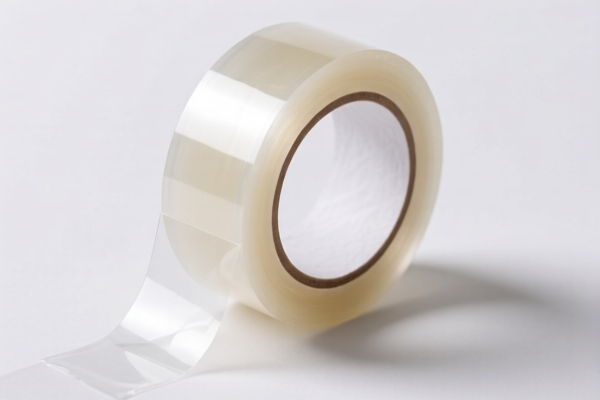
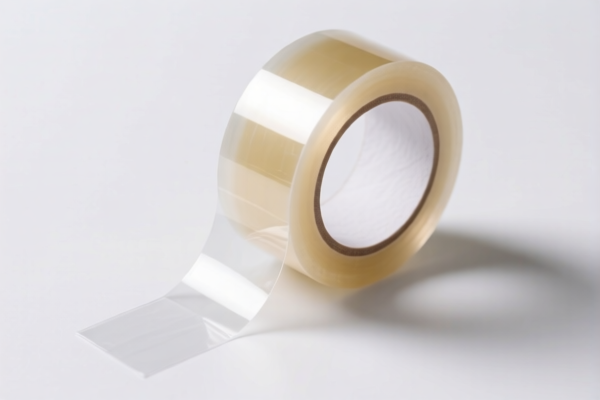
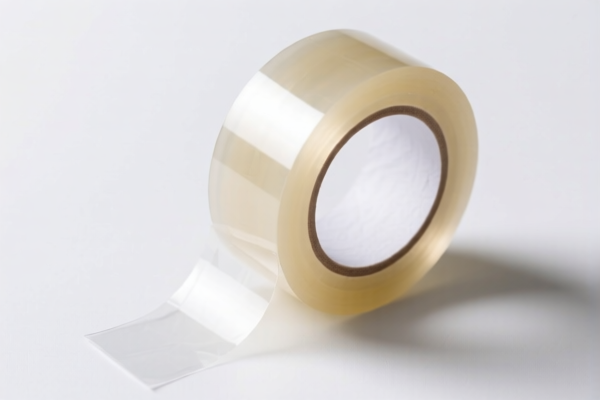
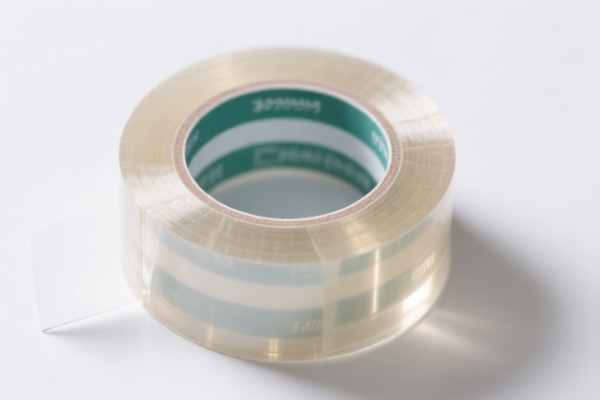
AI分析
🛡️ Transparent Tape (UV Protection / High Temperature Resistant)
🌐 HS Code Reference & Customs Clearance Guide | 2026 Latest Tariff Analysis | Professional Clearance Strategy
📌 Part 1: Product Definition and Classification: Do You Really Understand "Transparent Tape"?
Transparent tape, specifically those with UV protection or high-temperature resistance, is widely used in packaging, industrial bonding, and protective film applications. In international trade, its classification depends heavily on its material composition, substrate type, and form factor (self-adhesive vs. coated textile).
Because "Transparent Tape (UV Protection/High Temp)" is a functional description rather than a structural one, it can fall into multiple HS Code categories depending on how the adhesive and backing are constructed. Below is the detailed breakdown based on the provided data.
⚠️ Key Distinction Point:
- Is it a plastic film/strip? → Look at Chapter 39 (Plastics).
- Is it a textile fabric coated with plastic/resin? → Look at Chapter 59 (Textiles).
- Is it self-adhesive? → Look at Heading 3919.
📦 Part 2: HS Code Classification Details (2026 Latest Tariff Authoritative Comparison)
Based on the provided data, here are the five possible classifications for "Transparent Tape (UV Protection / High Temp)":
| HS Code | Product Description | Application Scenario | Material/Structure |
|---|---|---|---|
3921.90.40.90 |
Plastic film/strips, Other | General plastic packaging tapes | Plastic film/strips, not specifically self-adhesive in this subheading context |
5903.10.20.90 |
Polymer-impregnated/coated textile bases | Industrial protective tapes on fabric backing | Textile fabric coated/laminated with polymers (PVC or similar) |
3919.10.20.40 |
Self-adhesive plastic strips, in rolls | Standard self-adhesive tapes | Plastic, flat shape, roll form, self-adhesive |
3919.90.50.40 |
Self-adhesive plastic strips, other | Other self-adhesive plastic tapes | Plastic material, tape form, self-adhesive |
5903.10.20.10 |
PVC or similar plastic coated textile | Specific PVC-coated textile tapes | Textile base, PVC or similar plastic coating/lamination |
🔍 Key Reminder:
- If the tape has a fabric/textile backing coated with plastic/resin, it belongs to Chapter 59 (5903).
- If the tape is purely plastic-based and self-adhesive, it belongs to Chapter 39 (3919or3921).
- The UV protection and high-temperature features are functional additives and do not change the fundamental material classification unless the primary material changes.
💰 Part 3: 2026 Latest Tariff Rate Breakdown (Including Surcharges & Policy Add-ons)
✅ Applicable Country: United States (US)
✅ Country of Origin: China (CN)
✅ Effective Time: Current applicable rates (including Section 301 and Section 122 tariffs)
🎯 1. 3921.90.40.90 —— Plastic Film/Strips (Other)
| Item | Content |
|---|---|
| Base Tariff | 4.2% |
| Section 301 Surcharge | +25.0% |
| Section 122 Surcharge | +10.0% |
| Total Tariff | 39.2% |
| Tax Calculation | CIF Value × 39.2% |
| Legal Basis | Base Tariff + Section 301 + Section 122 |
📌 Explanation:
- This classification treats the tape as a general plastic product.
- The 39.2% total rate includes the base duty (4.2%), the heavy Section 301 tariff (25%), and the additional Section 122 tariff (10%).
- High cost alert: This is one of the higher tariff brackets for plastic products from China.
🎯 2. 5903.10.20.90 —— Polymer-Impregnated/Coated Textile Bases
| Item | Content |
|---|---|
| Base Tariff | 0.0% |
| Section 301 Surcharge | +25.0% |
| Section 122 Surcharge | +10.0% |
| Total Tariff | 35.0% |
| Tax Calculation | CIF Value × 35.0% |
| Legal Basis | Base Tariff + Section 301 + Section 122 |
📌 Explanation:
- If the tape is on a textile backing (e.g., fabric tape), the base tariff is 0%.
- However, it still incurs the Section 301 (25%) and Section 122 (10%) surcharges.
- Savings: This is 4.2% cheaper than the3921.90.40.90classification.
- Crucial Check: Ensure the product genuinely uses a textile substrate. If it’s pure plastic, misclassification here can lead to penalties.
🎯 3. 3919.10.20.40 —— Self-Adhesive Plastic Strips (Rolls, Flat)
| Item | Content |
|---|---|
| Base Tariff | 5.8% |
| Section 301 Surcharge | +25.0% |
| Section 122 Surcharge | +10.0% |
| Total Tariff | 40.8% |
| Tax Calculation | CIF Value × 40.8% |
| Legal Basis | Base Tariff + Section 301 + Section 122 |
📌 Explanation:
- This is the most common classification for standard self-adhesive tapes (like packing tape).
- The base tariff is higher (5.8%) than3921.
- Total 40.8% is the highest among the plastic options.
- Optimization Tip: If your tape is self-adhesive, compare this with5903.10.20.90(35.0%) if a textile backing is feasible.
🎯 4. 3919.90.50.40 —— Self-Adhesive Plastic Strips (Other)
| Item | Content |
|---|---|
| Base Tariff | 5.8% |
| Section 301 Surcharge | +25.0% |
| Section 122 Surcharge | +10.0% |
| Total Tariff | 40.8% |
| Tax Calculation | CIF Value × 40.8% |
| Legal Basis | Base Tariff + Section 301 + Section 122 |
📌 Explanation:
- Similar to3919.10.20.40but for "other" self-adhesive plastic tapes not specifically listed in the roll/flat subheading.
- Same total rate: 40.8%.
- Ensure the specific form factor (roll, flat, etc.) matches the correct subheading to avoid customs queries.
🎯 5. 5903.10.20.10 —— PVC or Similar Plastic Coated Textile Base
| Item | Content |
|---|---|
| Base Tariff | 0.0% |
| Section 301 Surcharge | +25.0% |
| Section 122 Surcharge | +10.0% |
| Total Tariff | 35.0% |
| Tax Calculation | CIF Value × 35.0% |
| Legal Basis | Base Tariff + Section 301 + Section 122 |
📌 Explanation:
- Specifically for PVC-coated textiles.
- If your UV protection/high-temp tape uses a PVC-coated fabric backing, this is an excellent option.
- Same total rate: 35.0% as5903.10.20.90.
- Advantage: If your product is explicitly PVC-based, this is the most precise classification, minimizing audit risk while maintaining the lower 35% rate.
🛠️ Part 4: Customs Clearance Practical Advice (Real-World Pitfall Guide)
✅ 1. Documentation Checklist (All Required)
| Document | Must Provide | Description |
|---|---|---|
| ✅ Product Specification Sheet | ✔️ | Must specify material (Plastic vs. Textile), dimensions, adhesive type |
| ✅ Product Photos | ✔️ | Clear images showing cross-section (if possible) to prove backing material |
| ✅ Commercial Invoice | ✔️ | Clearly state "Transparent Tape, UV Protected, High Temp Resistant" |
| ✅ Packing List | ✔️ | Detailed weight and volume info |
| ✅ Origin Certificate | ✔️ | Required for Section 301/122 determination |
| ✅ Test Report | ✔️ | If claiming "UV Protection" or "High Temp", provide lab test results (optional but recommended for defense) |
✅ 2. Classification Strategy (Key Tips)
🔥 "Material Determines Code, Textile Saves Tax, Plastic Pays More!"
| Scenario | Recommended HS Code | Total Tariff | Reason |
|---|---|---|---|
| Pure Plastic Tape (No fabric) | 3919.10.20.40 or 3919.90.50.40 |
40.8% | Most common for standard packing tapes |
| Plastic Film/Strip (Non-self-adhesive or different form) | 3921.90.40.90 |
39.2% | Alternative if not self-adhesive |
| Textile Backing + Plastic Coating | 5903.10.20.90 or 5903.10.20.10 |
35.0% | Best Option if fabric backing is used. Saves 4.2-5.8% vs. pure plastic. |
📌 Strategic Advice:
- If your product can be manufactured with a textile backing (e.g., cloth tape, fabric tape), strongly consider Class 59 to save on tariffs.
- If it is strictly plastic (PP, PE, PVC film), you must use Class 39.
✅ 3. Special Case Handling
| Scenario | Handling Advice |
|---|---|
| Misclassification Risk | If you claim 5903 but customs finds no textile, you’ll face penalties. Ensure the backing is visibly textile. |
| UV/High-Temp Claims | These are functional attributes. They don’t change the HS Code but may require additional documentation if questioned. |
| Section 122 Tariff | The 10% Section 122 tariff is applied to many imports from China. It is unavoidable for these products unless exempted. |
| Section 301 Tariff | The 25% surcharge is standard for most Chinese industrial goods. No exemption for tapes. |
🌍 Part 5: Global Market Comparison (2026 Latest)
| Country/Region | Recommended HS Code | Total Tariff (China Origin) | Certification Requirements | Notes |
|---|---|---|---|---|
| 🇺🇸 USA | 5903.10.20.10 (if textile) |
35.0% | None specific | Best rate if textile backing. Plastic tapes: 39.2%-40.8%. |
| 🇺🇸 USA | 3919.10.20.40 (plastic) |
40.8% | None specific | Highest tariff for standard self-adhesive tapes. |
| 🇨🇳 China | Varies | 0%-5% | CCC (if applicable) | No Section 301/122 tariffs. |
| 🇪🇺 EU | Varies | 0%-6% | CE (if electrical, not applicable here) | Lower base tariffs, no Section 301. |
| 🇬🇧 UK | Varies | 0%-6% | UKCA | Post-Brexit rules, similar to EU. |
📌 Conclusion:
- USA is the most expensive market due to Section 301 (25%) and Section 122 (10%) tariffs.
- Strategy: If possible, switch to textile-backed tapes (5903) to reduce US duties from ~40% to 35%.
- China/EU/UK: Tariffs are significantly lower. Focus on CE/UKCA compliance if needed, but tariff savings are the main advantage.
📌 Part 6: Common Errors & Pitfall Guide (Lessons Learned)
❌ Error 1: Classifying Plastic Tape as 5903 (Textile) to save tax.
👉 Consequence: Customs will inspect, find no textile, and penalize for misclassification. Fine + Back Taxes.
❌ Error 2: Ignoring Section 122 tariff in cost calculation.
👉 Consequence: Profit margin miscalculation. The 10% surcharge is often overlooked but is mandatory.
❌ Error 3: Using vague description "Transparent Tape" in Invoice.
👉 Consequence: Customs may hold the shipment for clarification, causing delays.
👉 Correct: Use "Self-Adhesive Plastic Tape, UV Protected, for Industrial Packaging".
❌ Error 4: Assuming UV Protection changes the HS Code.
👉 Consequence: No, it doesn’t. It’s a functional additive. Classification remains based on material.
✅ Correct Approach:
"Self-Adhesive Tape, Plastic Base, UV Resistant, Roll Form" →
3919.10.20.40(40.8%)
"PVC-Coated Fabric Tape, Self-Adhesive, UV Resistant" →5903.10.20.10(35.0%)
🎯 Part 7: Conclusion: Professional Classification, Cost Optimization!
🎯 Remember the Mantra:
🔹 "Textile Base Saves Tax (35%), Plastic Costs More (39-40%)."
🔹 "Section 301 (25%) + Section 122 (10%) are Inevitable for US."
🔹 "Accurate Description Prevents Delays."
📌 Pro Tip:
If your product must use plastic backing but you want to reduce costs, consider:
1. Supply Chain Diversification: Source from Vietnam/Mexico if possible (though Section 301 may still apply depending on rules of origin).
2. Pre-Ruling: Apply for an Advance Ruling from US Customs to confirm the HS Code before shipment.
3. Product Modification: If feasible, switch to a fabric-backed design to utilize the 5903 code.
📣 Immediate Action:
📞 Consult with a professional customs broker.
📦 Provide detailed material specs (Plastic vs. Textile).
🚀 Optimize your HS Code to minimize tariff impact and ensure smooth customs clearance.
✨ Professional Clearance Starts with Precise Classification!
💼 Every percentage point in tariff is a point of profit!
用户评价
关于 HS 编码归类
协调制度(HS)是由世界海关组织(WCO)制定的国际贸易商品分类标准。全球 200 多个国家采用 HS 系统作为海关关税、贸易统计和进出口监管的基础。
每个 HS 编码遵循以下层级结构:
- 章(2 位)——商品大类(例如:第 84 章:机器和机械设备)
- 品目(4 位)——章内的更具体分类
- 子目(6 位)——国际通用细分,所有 WCO 成员国统一使用
- 本国细分(8-10 位)——各国自行扩展的细分编码,如美国 HTSUS 10 位编码
正确的 HS 编码归类对于顺利通关、准确缴纳关税和遵守贸易法规至关重要。错误归类可能导致海关延误、多缴关税或罚款。
从CN进口到US时,适用的关税税率可能包括:
- 最惠国(MFN)税率——适用于 WTO 成员国的标准关税税率
- 普通税率——适用于无贸易协定国家
- 贸易救济关税——附加关税,如 301 条款(反倾销)、232 条款(国家安全)或反补贴税
本页内容仅供参考。如需正式归类,请咨询当地海关或持牌报关代理。