Transparent Tape UV Protection
CN → US| HS Code | Tariff Rate | Origin | Destination | Doc |
|---|---|---|---|---|
| 3921904090 | 39.2% | CN | US | Official Doc |
| 5903102090 | 35.0% | CN | US | Official Doc |
| 3919102040 | 40.8% | CN | US | Official Doc |
| 3919905040 | 40.8% | CN | US | Official Doc |
| 5903102010 | 35.0% | CN | US | Official Doc |
Product Images
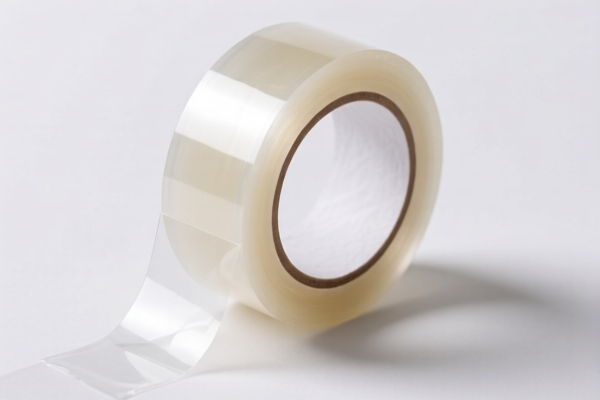
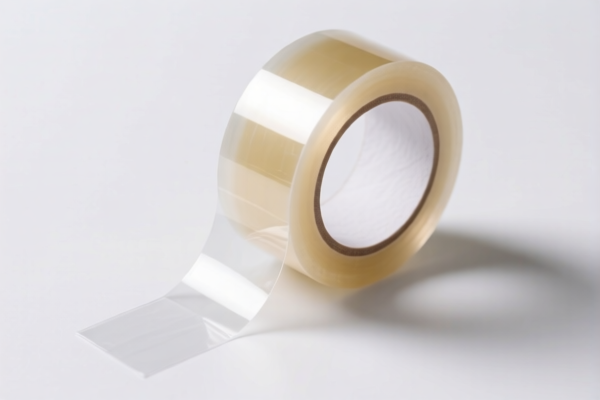
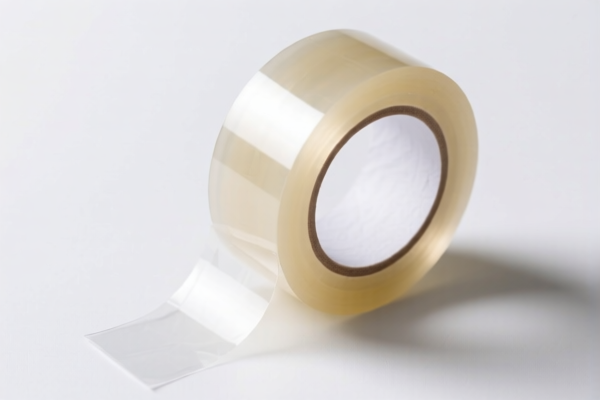
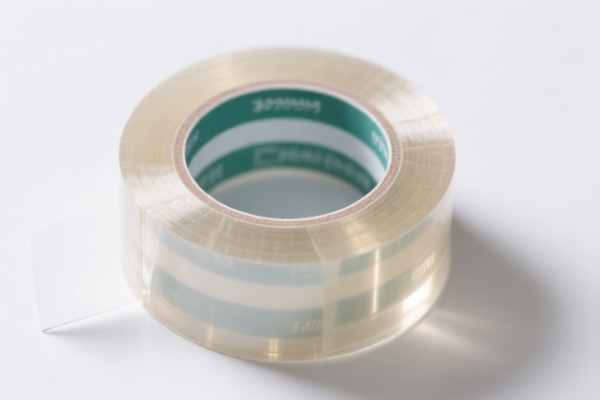
AI Analysis
🛡️ Transparent Tape (UV Protection / High Temperature Resistant)
🌐 HS Code Reference & Customs Clearance Guide | 2026 Latest Tariff Analysis | Professional Clearance Strategy
📌 Part 1: Product Definition and Classification: Do You Really Understand "Transparent Tape"?
Transparent tape, specifically those with UV protection or high-temperature resistance, is widely used in packaging, industrial bonding, and protective film applications. In international trade, its classification depends heavily on its material composition, substrate type, and form factor (self-adhesive vs. coated textile).
Because "Transparent Tape (UV Protection/High Temp)" is a functional description rather than a structural one, it can fall into multiple HS Code categories depending on how the adhesive and backing are constructed. Below is the detailed breakdown based on the provided data.
⚠️ Key Distinction Point:
- Is it a plastic film/strip? → Look at Chapter 39 (Plastics).
- Is it a textile fabric coated with plastic/resin? → Look at Chapter 59 (Textiles).
- Is it self-adhesive? → Look at Heading 3919.
📦 Part 2: HS Code Classification Details (2026 Latest Tariff Authoritative Comparison)
Based on the provided data, here are the five possible classifications for "Transparent Tape (UV Protection / High Temp)":
| HS Code | Product Description | Application Scenario | Material/Structure |
|---|---|---|---|
3921.90.40.90 |
Plastic film/strips, Other | General plastic packaging tapes | Plastic film/strips, not specifically self-adhesive in this subheading context |
5903.10.20.90 |
Polymer-impregnated/coated textile bases | Industrial protective tapes on fabric backing | Textile fabric coated/laminated with polymers (PVC or similar) |
3919.10.20.40 |
Self-adhesive plastic strips, in rolls | Standard self-adhesive tapes | Plastic, flat shape, roll form, self-adhesive |
3919.90.50.40 |
Self-adhesive plastic strips, other | Other self-adhesive plastic tapes | Plastic material, tape form, self-adhesive |
5903.10.20.10 |
PVC or similar plastic coated textile | Specific PVC-coated textile tapes | Textile base, PVC or similar plastic coating/lamination |
🔍 Key Reminder:
- If the tape has a fabric/textile backing coated with plastic/resin, it belongs to Chapter 59 (5903).
- If the tape is purely plastic-based and self-adhesive, it belongs to Chapter 39 (3919or3921).
- The UV protection and high-temperature features are functional additives and do not change the fundamental material classification unless the primary material changes.
💰 Part 3: 2026 Latest Tariff Rate Breakdown (Including Surcharges & Policy Add-ons)
✅ Applicable Country: United States (US)
✅ Country of Origin: China (CN)
✅ Effective Time: Current applicable rates (including Section 301 and Section 122 tariffs)
🎯 1. 3921.90.40.90 —— Plastic Film/Strips (Other)
| Item | Content |
|---|---|
| Base Tariff | 4.2% |
| Section 301 Surcharge | +25.0% |
| Section 122 Surcharge | +10.0% |
| Total Tariff | 39.2% |
| Tax Calculation | CIF Value × 39.2% |
| Legal Basis | Base Tariff + Section 301 + Section 122 |
📌 Explanation:
- This classification treats the tape as a general plastic product.
- The 39.2% total rate includes the base duty (4.2%), the heavy Section 301 tariff (25%), and the additional Section 122 tariff (10%).
- High cost alert: This is one of the higher tariff brackets for plastic products from China.
🎯 2. 5903.10.20.90 —— Polymer-Impregnated/Coated Textile Bases
| Item | Content |
|---|---|
| Base Tariff | 0.0% |
| Section 301 Surcharge | +25.0% |
| Section 122 Surcharge | +10.0% |
| Total Tariff | 35.0% |
| Tax Calculation | CIF Value × 35.0% |
| Legal Basis | Base Tariff + Section 301 + Section 122 |
📌 Explanation:
- If the tape is on a textile backing (e.g., fabric tape), the base tariff is 0%.
- However, it still incurs the Section 301 (25%) and Section 122 (10%) surcharges.
- Savings: This is 4.2% cheaper than the3921.90.40.90classification.
- Crucial Check: Ensure the product genuinely uses a textile substrate. If it’s pure plastic, misclassification here can lead to penalties.
🎯 3. 3919.10.20.40 —— Self-Adhesive Plastic Strips (Rolls, Flat)
| Item | Content |
|---|---|
| Base Tariff | 5.8% |
| Section 301 Surcharge | +25.0% |
| Section 122 Surcharge | +10.0% |
| Total Tariff | 40.8% |
| Tax Calculation | CIF Value × 40.8% |
| Legal Basis | Base Tariff + Section 301 + Section 122 |
📌 Explanation:
- This is the most common classification for standard self-adhesive tapes (like packing tape).
- The base tariff is higher (5.8%) than3921.
- Total 40.8% is the highest among the plastic options.
- Optimization Tip: If your tape is self-adhesive, compare this with5903.10.20.90(35.0%) if a textile backing is feasible.
🎯 4. 3919.90.50.40 —— Self-Adhesive Plastic Strips (Other)
| Item | Content |
|---|---|
| Base Tariff | 5.8% |
| Section 301 Surcharge | +25.0% |
| Section 122 Surcharge | +10.0% |
| Total Tariff | 40.8% |
| Tax Calculation | CIF Value × 40.8% |
| Legal Basis | Base Tariff + Section 301 + Section 122 |
📌 Explanation:
- Similar to3919.10.20.40but for "other" self-adhesive plastic tapes not specifically listed in the roll/flat subheading.
- Same total rate: 40.8%.
- Ensure the specific form factor (roll, flat, etc.) matches the correct subheading to avoid customs queries.
🎯 5. 5903.10.20.10 —— PVC or Similar Plastic Coated Textile Base
| Item | Content |
|---|---|
| Base Tariff | 0.0% |
| Section 301 Surcharge | +25.0% |
| Section 122 Surcharge | +10.0% |
| Total Tariff | 35.0% |
| Tax Calculation | CIF Value × 35.0% |
| Legal Basis | Base Tariff + Section 301 + Section 122 |
📌 Explanation:
- Specifically for PVC-coated textiles.
- If your UV protection/high-temp tape uses a PVC-coated fabric backing, this is an excellent option.
- Same total rate: 35.0% as5903.10.20.90.
- Advantage: If your product is explicitly PVC-based, this is the most precise classification, minimizing audit risk while maintaining the lower 35% rate.
🛠️ Part 4: Customs Clearance Practical Advice (Real-World Pitfall Guide)
✅ 1. Documentation Checklist (All Required)
| Document | Must Provide | Description |
|---|---|---|
| ✅ Product Specification Sheet | ✔️ | Must specify material (Plastic vs. Textile), dimensions, adhesive type |
| ✅ Product Photos | ✔️ | Clear images showing cross-section (if possible) to prove backing material |
| ✅ Commercial Invoice | ✔️ | Clearly state "Transparent Tape, UV Protected, High Temp Resistant" |
| ✅ Packing List | ✔️ | Detailed weight and volume info |
| ✅ Origin Certificate | ✔️ | Required for Section 301/122 determination |
| ✅ Test Report | ✔️ | If claiming "UV Protection" or "High Temp", provide lab test results (optional but recommended for defense) |
✅ 2. Classification Strategy (Key Tips)
🔥 "Material Determines Code, Textile Saves Tax, Plastic Pays More!"
| Scenario | Recommended HS Code | Total Tariff | Reason |
|---|---|---|---|
| Pure Plastic Tape (No fabric) | 3919.10.20.40 or 3919.90.50.40 |
40.8% | Most common for standard packing tapes |
| Plastic Film/Strip (Non-self-adhesive or different form) | 3921.90.40.90 |
39.2% | Alternative if not self-adhesive |
| Textile Backing + Plastic Coating | 5903.10.20.90 or 5903.10.20.10 |
35.0% | Best Option if fabric backing is used. Saves 4.2-5.8% vs. pure plastic. |
📌 Strategic Advice:
- If your product can be manufactured with a textile backing (e.g., cloth tape, fabric tape), strongly consider Class 59 to save on tariffs.
- If it is strictly plastic (PP, PE, PVC film), you must use Class 39.
✅ 3. Special Case Handling
| Scenario | Handling Advice |
|---|---|
| Misclassification Risk | If you claim 5903 but customs finds no textile, you’ll face penalties. Ensure the backing is visibly textile. |
| UV/High-Temp Claims | These are functional attributes. They don’t change the HS Code but may require additional documentation if questioned. |
| Section 122 Tariff | The 10% Section 122 tariff is applied to many imports from China. It is unavoidable for these products unless exempted. |
| Section 301 Tariff | The 25% surcharge is standard for most Chinese industrial goods. No exemption for tapes. |
🌍 Part 5: Global Market Comparison (2026 Latest)
| Country/Region | Recommended HS Code | Total Tariff (China Origin) | Certification Requirements | Notes |
|---|---|---|---|---|
| 🇺🇸 USA | 5903.10.20.10 (if textile) |
35.0% | None specific | Best rate if textile backing. Plastic tapes: 39.2%-40.8%. |
| 🇺🇸 USA | 3919.10.20.40 (plastic) |
40.8% | None specific | Highest tariff for standard self-adhesive tapes. |
| 🇨🇳 China | Varies | 0%-5% | CCC (if applicable) | No Section 301/122 tariffs. |
| 🇪🇺 EU | Varies | 0%-6% | CE (if electrical, not applicable here) | Lower base tariffs, no Section 301. |
| 🇬🇧 UK | Varies | 0%-6% | UKCA | Post-Brexit rules, similar to EU. |
📌 Conclusion:
- USA is the most expensive market due to Section 301 (25%) and Section 122 (10%) tariffs.
- Strategy: If possible, switch to textile-backed tapes (5903) to reduce US duties from ~40% to 35%.
- China/EU/UK: Tariffs are significantly lower. Focus on CE/UKCA compliance if needed, but tariff savings are the main advantage.
📌 Part 6: Common Errors & Pitfall Guide (Lessons Learned)
❌ Error 1: Classifying Plastic Tape as 5903 (Textile) to save tax.
👉 Consequence: Customs will inspect, find no textile, and penalize for misclassification. Fine + Back Taxes.
❌ Error 2: Ignoring Section 122 tariff in cost calculation.
👉 Consequence: Profit margin miscalculation. The 10% surcharge is often overlooked but is mandatory.
❌ Error 3: Using vague description "Transparent Tape" in Invoice.
👉 Consequence: Customs may hold the shipment for clarification, causing delays.
👉 Correct: Use "Self-Adhesive Plastic Tape, UV Protected, for Industrial Packaging".
❌ Error 4: Assuming UV Protection changes the HS Code.
👉 Consequence: No, it doesn’t. It’s a functional additive. Classification remains based on material.
✅ Correct Approach:
"Self-Adhesive Tape, Plastic Base, UV Resistant, Roll Form" →
3919.10.20.40(40.8%)
"PVC-Coated Fabric Tape, Self-Adhesive, UV Resistant" →5903.10.20.10(35.0%)
🎯 Part 7: Conclusion: Professional Classification, Cost Optimization!
🎯 Remember the Mantra:
🔹 "Textile Base Saves Tax (35%), Plastic Costs More (39-40%)."
🔹 "Section 301 (25%) + Section 122 (10%) are Inevitable for US."
🔹 "Accurate Description Prevents Delays."
📌 Pro Tip:
If your product must use plastic backing but you want to reduce costs, consider:
1. Supply Chain Diversification: Source from Vietnam/Mexico if possible (though Section 301 may still apply depending on rules of origin).
2. Pre-Ruling: Apply for an Advance Ruling from US Customs to confirm the HS Code before shipment.
3. Product Modification: If feasible, switch to a fabric-backed design to utilize the 5903 code.
📣 Immediate Action:
📞 Consult with a professional customs broker.
📦 Provide detailed material specs (Plastic vs. Textile).
🚀 Optimize your HS Code to minimize tariff impact and ensure smooth customs clearance.
✨ Professional Clearance Starts with Precise Classification!
💼 Every percentage point in tariff is a point of profit!
Customer Reviews
About HS Code Classification
The Harmonized System (HS) is an internationally standardized nomenclature developed by the World Customs Organization (WCO) to classify traded products. Over 200 countries use the HS system as the basis for customs tariffs, trade statistics, and import/export regulations.
Each HS code follows a hierarchical structure:
- Chapter (2 digits) — Broad category of goods (e.g., Chapter 84: Machinery and Mechanical Appliances)
- Heading (4 digits) — More specific grouping within the chapter
- Subheading (6 digits) — Internationally standardized breakdown, used by all WCO member countries
- National subdivisions (8-10 digits) — Country-specific extensions for further classification, such as US HTSUS 10-digit codes
Correct HS code classification is essential for smooth customs clearance, accurate duty payment, and compliance with trade regulations. Misclassification can lead to customs delays, overpayment of duties, or penalties.
When importing from CN to US, the applicable tariff rates may include:
- Most-Favored-Nation (MFN) rate — The standard duty rate applied to WTO members
- General rate — Applied to countries without trade agreements
- Trade remedy duties — Additional tariffs such as Section 301 (anti-dumping), Section 232 (national security), or countervailing duties
The information provided on this page is for reference purposes only. For official classification, please consult with your local customs authority or a licensed customs broker.