Unassembled Mink Paws
CN → US| HS编码 | 关税税率 | 原产国 | 目的国 | 文档 |
|---|---|---|---|---|
| 4103901190 | 17.5% | CN | US | 官方文档 |
| 4103901140 | 17.5% | CN | US | 官方文档 |
| 4303100030 | 39.0% | CN | US | 官方文档 |
| 4301100020 | 17.5% | CN | US | 官方文档 |
| 4301100010 | 17.5% | CN | US | 官方文档 |
商品图片
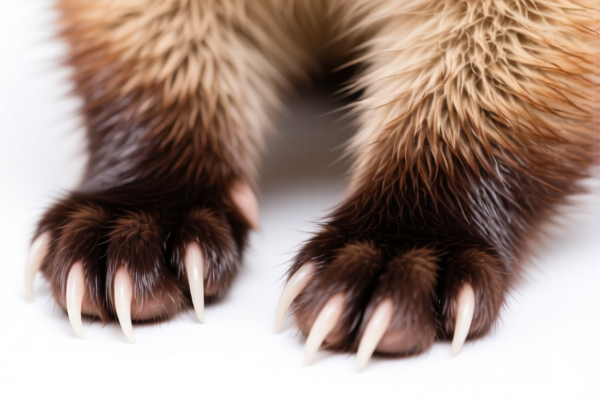
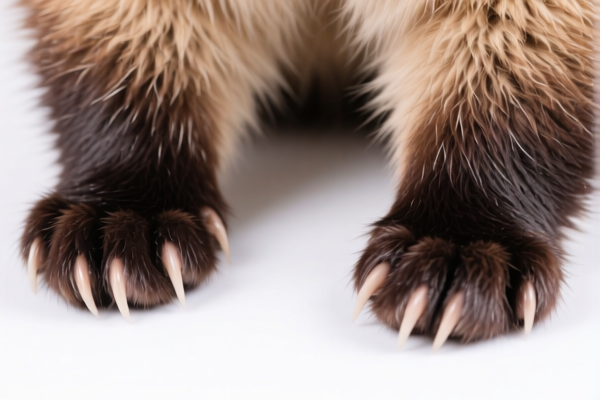
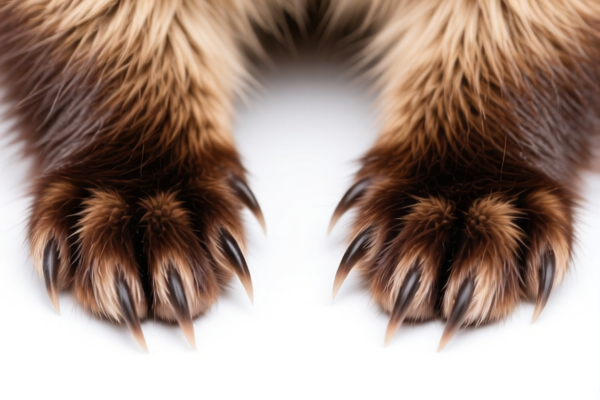
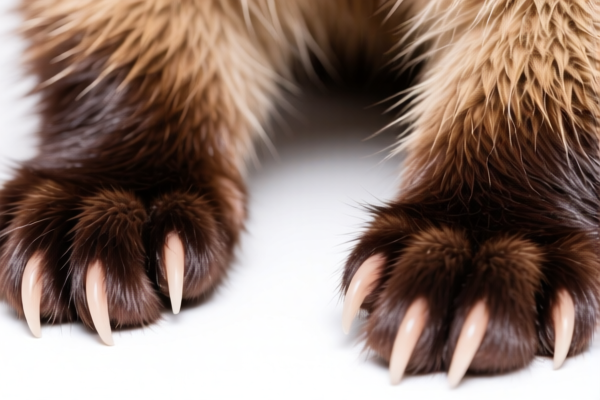
AI分析
🐾 Unassembled Mink Paws: The Ultimate HS Code & Tariff Guide for 2026
🌐 HS Code Reference & Customs Clearance Strategy | 2026 Latest Tariff Analysis | Professional Compliance Guide
📌 I. Product Definition & Classification Logic: Decoding "Unassembled Mink Paws"
Mink paws (specifically unassembled) represent a niche but critical raw material in the luxury fur industry. In international trade, they are generally categorized as raw hides and skins, either in their natural state or slightly processed (tanned/dyed) but not yet cut into final garment panels.
The classification hinges on two key factors:
1. Processing Stage: Are they raw (unsalted/untanned) or semi-processed (tanned/dyed)?
2. Form: Are they whole paws (unassembled parts) or processed into skins/leathers?
⚠️ Critical Distinction:
- Raw/Unclassified Parts: If the paws are unsalted, untanned, and considered "other" unclassified raw materials → Chapter 41.
- Processed/Tanned Parts: If they are tanned, dyed, or considered "intermediate products" for fur garments → Chapter 43.
📦 II. HS Code Classification Matrix (2026 Latest Tariff Authority)
Based on the provided data, here is the precise breakdown for "Unassembled Mink Paws":
| HS Code | Product Description | Processing State | Logical Basis |
|---|---|---|---|
4103.90.11.90 |
Other raw hides and skins (unspecialized category) | Raw/Unclassified | Fits "other unclassified raw" logic; not specifically named. |
4103.90.11.40 |
Raw fur material, unprocessed primary product | Raw/Unprocessed | Fits "primary product" feature; no tanning/processing. |
4303.10.00.30 |
Intermediate fur products (dyed mink skin parts) | Tanned/Dyed Intermediate | Classified as "intermediate" for garment assembly; post-tanning. |
4301.10.00.20 |
Fur slices/shreds (Mink origin "Other") | Processed/Sliced | Fits "slices/shreds" category; source defined as "other". |
4301.10.00.10 |
Mink skins in raw form (unprocessed) | Raw Mink Skin | Material is mink; form is raw skin; logical fit for Chapter 43. |
🔍 Key Insight:
- Raw vs. Tanned: Items under 4103 are typically raw/unprocessed. Items under 4301/4303 are tanned, dyed, or processed.
- Tariff Impact: Raw items (4103) generally face lower base tariffs, but processed items (4303) face higher base tariffs due to their closer proximity to finished luxury goods.
💰 III. 2026 Tariff Rate Breakdown (Including Surcharges & Policy Add-ons)
✅ Applicable Country: United States (US)
✅ Origin: China (CN)
✅ Effective Date: Post-2025 policies (Section 301 & IEEPA)
🎯 1. Raw Mink Paws (HS Codes: 4103.90.11.90 & 4103.90.11.40)
These codes classify the paws as raw, unprocessed materials.
| Item | Detail |
|---|---|
| Base Tariff | 0.0% (Ad Valorem) |
| Section 301 Surcharge | +7.5% |
| Section 122 Tariff | +10% |
| Total Effective Rate | 17.5% |
| Calculation | CIF Value × 17.5% |
| De Minimis Eligibility | ❌ No (Subject to strict scrutiny) |
| Legal Authority Path | Section 301: 9903.88.01 → Section 122 → USITC: 4103.90.11.90/40 |
📌 Explanation:
- Base 0%: Raw hides often have low base duties to encourage domestic processing.
- Section 301 (7.5%): Applied to Chinese-origin raw materials under specific trade remedies.
- Section 122 (10%): Additional duty under the "U.S. Customs and Border Protection" authority for specific sensitive materials.
- Total 17.5%: Moderate tariff burden.
🎯 2. Intermediate/Dyed Mink Parts (HS Code: 4303.10.00.30)
This code classifies the paws as processed intermediate products (tanned/dyed).
| Item | Detail |
|---|---|
| Base Tariff | 4.0% |
| Section 301 Surcharge | +25.0% |
| Section 122 Tariff | +10% |
| Total Effective Rate | 39.0% |
| Calculation | CIF Value × 39.0% |
| De Minimis Eligibility | ❌ No |
| Legal Authority Path | Section 301: 9903.88.01 → Section 122 → USITC: 4303.10.00.30 |
📌 Explanation:
- Base 4%: Higher than raw hides due to processing value.
- Section 301 (25%): Significant surcharge for processed fur products from China.
- Section 122 (10%): Additional duty applies.
- Total 39.0%: High tariff burden. This reflects the "finished good" proximity.
🎯 3. Processed Mink Slices/Skins (HS Codes: 4301.10.00.20 & 4301.10.00.10)
These codes classify the paws as processed mink skins/slices.
| Item | Detail |
|---|---|
| Base Tariff | 0.0% |
| Section 301 Surcharge | +7.5% |
| Section 122 Tariff | +10% |
| Total Effective Rate | 17.5% |
| Calculation | CIF Value × 17.5% |
| De Minimis Eligibility | ❌ No |
| Legal Authority Path | Section 301: 9903.88.01 → Section 122 → USITC: 4301.10.00.20/10 |
📌 Explanation:
- Base 0%: Despite being in Chapter 43, these specific subheadings retain a 0% base rate.
- Surcharge Total: Same as raw items (17.5%).
- Note: The lower total tariff vs.4303is due to the lower Section 301 rate (7.5% vs. 25%) for this specific classification.
🛠️ IV. Customs Clearance Best Practices (Avoiding Pitfalls)
✅ 1. Documentation Checklist (Mandatory)
| Document | Required | Purpose |
|---|---|---|
| ✅ Product Specification Sheet | ✔️ | Details: Raw vs. Tanned, Dyed/Undyed, Weight, Quantity. |
| ✅ Commercial Invoice | ✔️ | Must clearly state "Unassembled Mink Paws" and correct HS Code. |
| ✅ Packing List | ✔️ | Itemized weight and volume; avoid vague descriptions like "Fur Parts." |
| ✅ Certificate of Origin (CO) | ✔️ | Prove Chinese origin for Section 301/122 applicability. |
| ✅ Processing Disclosure | ✔️ | Critical: Must declare if tanned/dyed to avoid misclassification between Ch 41 & Ch 43. |
| ✅ CITES Permit | ⚠️ | Mink is not CITES-listed, but verify if any exotic cross-breeds are involved. |
✅ 2. Declaration Strategy (Key Mnemonic)
🔥 "Raw is 41, Tanned is 43; Section 301 makes the tax big!"
| Scenario | Correct HS Code | Tariff Rate | Risk Level |
|---|---|---|---|
| Raw, Untanned, Unsalty | 4103.90.11.90 or 40 |
17.5% | 🟢 Low (Base 0%) |
| Tanned, Dyed, Intermediate | 4303.10.00.30 |
39.0% | 🔴 High |
| Processed Slices/Skins | 4301.10.00.20 or 10 |
17.5% | 🟢 Low (Base 0%) |
📌 Warning:
- Misclassifying a tanned paw as raw (4103instead of4303) can lead to back duties + penalties.
- Misclassifying a raw paw as processed (4301instead of4103) may result in overpayment but is safer than underpayment.
✅ 3. Special Cases & Tips
| Situation | Handling Advice |
|---|---|
| Mixed Shipment (Raw + Tanned) | Split declarations. Do not mix 4103 and 4303 codes in one line item. |
| Sample Shipments | Still subject to 39.0% if tanned, 17.5% if raw. No de minimis exemption. |
| OEM Custom Dyeing | If dyeing occurs in China, ensure HS Code matches the final processed state. |
| Valuation Dispute | Provide transaction value proof (invoices, payment records) to avoid CBP valuation adjustments. |
🌍 V. Global Market Comparison (2026)
| Country/Region | Recommended HS Code | Tariff Rate (China Origin) | Notes |
|---|---|---|---|
| 🇺🇸 USA | 4103.90.11.90 / 4303.10.00.30 |
17.5% (Raw) / 39.0% (Tanned) | Highest impact: Section 301 + 122. |
| 🇨🇳 China | 4103.90.11.90 / 4303.10.00.30 |
Varies (Export Duties) | Check Chinese export tariffs. |
| 🇪🇺 EU | 4103.90 / 4303.10 |
0% - 4% | No Section 301/122. Much lower burden. |
| 🇬🇧 UK | 4103.90 / 4303.10 |
0% - 5% | Post-Brexit tariffs are generally favorable. |
| 🇨🇦 Canada | 4103.90 / 4303.10 |
0% - 2.5% | CUSMA benefits may apply if non-originating. |
📌 Conclusion:
- USA is the most expensive market due to Section 301 & 122.
- EU/UK/Canada offer significantly lower tariffs for the same goods.
- Consider supply chain diversification if shipping to the US.
📌 VI. Common Errors & Pitfalls (Lessons Learned)
❌ Error 1: Declaring tanned paws as raw (4103) to save tax.
👉 Consequence: CBP inspection reveals tanning → Back taxes + 25% penalty.
❌ Error 2: Using vague description "Fur Parts" without HS Code.
👉 Consequence: CBP assigns highest possible tariff → 39.0% + delays.
❌ Error 3: Ignoring Section 122.
👉 Consequence: Underpayment by 10% → Audit flag.
❌ Error 4: Mixing raw and processed items in one shipment.
👉 Consequence: Customs rejection → Reshipment costs.
✅ Correct Approach:
"Mink Paws, Unassembled, Tanned and Dyed, for Garment Assembly, HS Code 4303.10.00.30"
🎯 VII. Conclusion: Strategic Compliance for Profitability
🎯 Remember:
🔹 "Raw is 17.5%, Tanned is 39% – The Difference is 21.5%!"
🔹 "Section 301 Hits Hard – Know Your Processing State!"
🔹 "HS Code is Law – Misclassification is Costly!"
📌 Pro Tip:
- If you are shipping to the USA, consider pre-classification rulings from CBP for new product lines.
- For high-volume shipments, explore free trade agreements (FTAs) if sourcing from non-China countries (e.g., Canada, Mexico).
📣 Action Now:
📞 Consult a Licensed Customs Broker
📄 Verify Processing Status (Raw vs. Tanned)
🚀 Optimize HS Code for Lowest Legal Tariff
✨ Precision in Classification = Profit in Clearance!
💼 Every Percent Saved is Pure Margin!
用户评价
关于 HS 编码归类
协调制度(HS)是由世界海关组织(WCO)制定的国际贸易商品分类标准。全球 200 多个国家采用 HS 系统作为海关关税、贸易统计和进出口监管的基础。
每个 HS 编码遵循以下层级结构:
- 章(2 位)——商品大类(例如:第 84 章:机器和机械设备)
- 品目(4 位)——章内的更具体分类
- 子目(6 位)——国际通用细分,所有 WCO 成员国统一使用
- 本国细分(8-10 位)——各国自行扩展的细分编码,如美国 HTSUS 10 位编码
正确的 HS 编码归类对于顺利通关、准确缴纳关税和遵守贸易法规至关重要。错误归类可能导致海关延误、多缴关税或罚款。
从CN进口到US时,适用的关税税率可能包括:
- 最惠国(MFN)税率——适用于 WTO 成员国的标准关税税率
- 普通税率——适用于无贸易协定国家
- 贸易救济关税——附加关税,如 301 条款(反倾销)、232 条款(国家安全)或反补贴税
本页内容仅供参考。如需正式归类,请咨询当地海关或持牌报关代理。