Unassembled Mink Paws
CN → US| HS Code | Tariff Rate | Origin | Destination | Doc |
|---|---|---|---|---|
| 4103901190 | 17.5% | CN | US | Official Doc |
| 4103901140 | 17.5% | CN | US | Official Doc |
| 4303100030 | 39.0% | CN | US | Official Doc |
| 4301100020 | 17.5% | CN | US | Official Doc |
| 4301100010 | 17.5% | CN | US | Official Doc |
Product Images
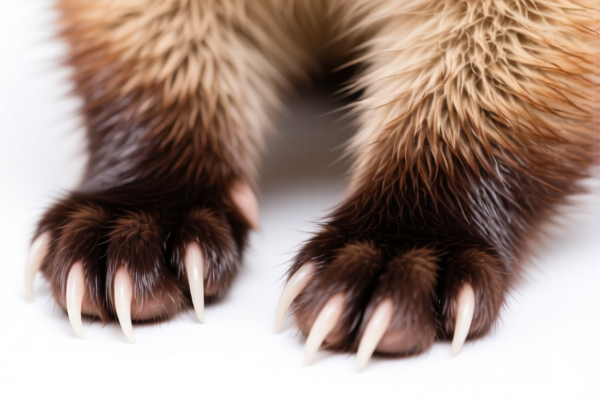
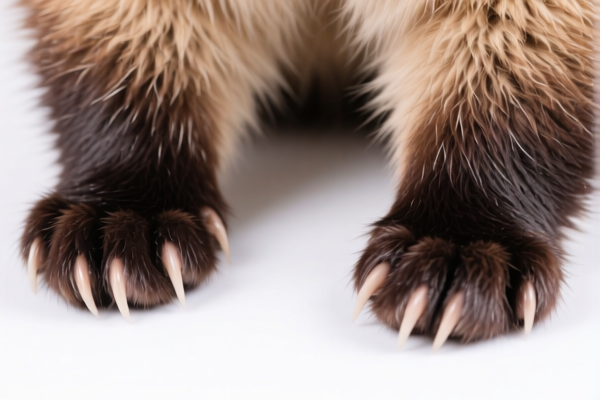
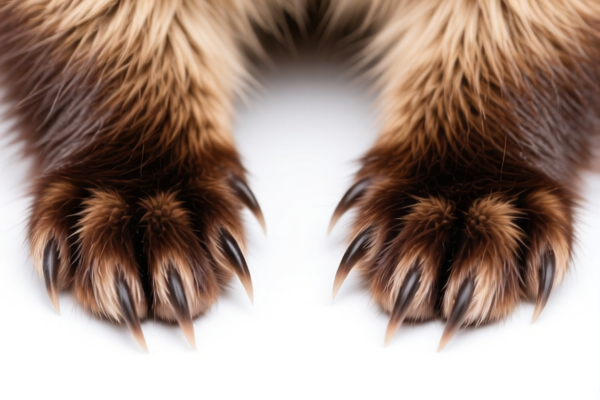
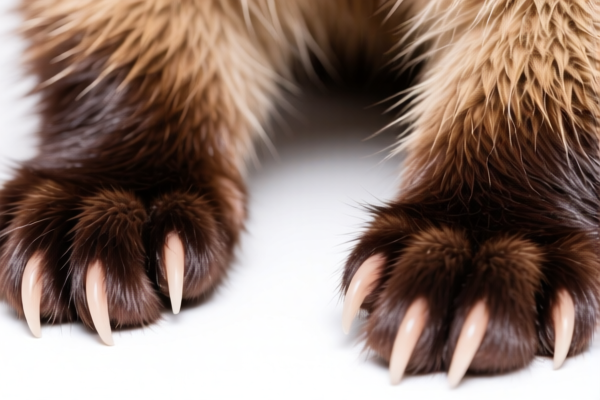
AI Analysis
🐾 Unassembled Mink Paws: The Ultimate HS Code & Tariff Guide for 2026
🌐 HS Code Reference & Customs Clearance Strategy | 2026 Latest Tariff Analysis | Professional Compliance Guide
📌 I. Product Definition & Classification Logic: Decoding "Unassembled Mink Paws"
Mink paws (specifically unassembled) represent a niche but critical raw material in the luxury fur industry. In international trade, they are generally categorized as raw hides and skins, either in their natural state or slightly processed (tanned/dyed) but not yet cut into final garment panels.
The classification hinges on two key factors:
1. Processing Stage: Are they raw (unsalted/untanned) or semi-processed (tanned/dyed)?
2. Form: Are they whole paws (unassembled parts) or processed into skins/leathers?
⚠️ Critical Distinction:
- Raw/Unclassified Parts: If the paws are unsalted, untanned, and considered "other" unclassified raw materials → Chapter 41.
- Processed/Tanned Parts: If they are tanned, dyed, or considered "intermediate products" for fur garments → Chapter 43.
📦 II. HS Code Classification Matrix (2026 Latest Tariff Authority)
Based on the provided data, here is the precise breakdown for "Unassembled Mink Paws":
| HS Code | Product Description | Processing State | Logical Basis |
|---|---|---|---|
4103.90.11.90 |
Other raw hides and skins (unspecialized category) | Raw/Unclassified | Fits "other unclassified raw" logic; not specifically named. |
4103.90.11.40 |
Raw fur material, unprocessed primary product | Raw/Unprocessed | Fits "primary product" feature; no tanning/processing. |
4303.10.00.30 |
Intermediate fur products (dyed mink skin parts) | Tanned/Dyed Intermediate | Classified as "intermediate" for garment assembly; post-tanning. |
4301.10.00.20 |
Fur slices/shreds (Mink origin "Other") | Processed/Sliced | Fits "slices/shreds" category; source defined as "other". |
4301.10.00.10 |
Mink skins in raw form (unprocessed) | Raw Mink Skin | Material is mink; form is raw skin; logical fit for Chapter 43. |
🔍 Key Insight:
- Raw vs. Tanned: Items under 4103 are typically raw/unprocessed. Items under 4301/4303 are tanned, dyed, or processed.
- Tariff Impact: Raw items (4103) generally face lower base tariffs, but processed items (4303) face higher base tariffs due to their closer proximity to finished luxury goods.
💰 III. 2026 Tariff Rate Breakdown (Including Surcharges & Policy Add-ons)
✅ Applicable Country: United States (US)
✅ Origin: China (CN)
✅ Effective Date: Post-2025 policies (Section 301 & IEEPA)
🎯 1. Raw Mink Paws (HS Codes: 4103.90.11.90 & 4103.90.11.40)
These codes classify the paws as raw, unprocessed materials.
| Item | Detail |
|---|---|
| Base Tariff | 0.0% (Ad Valorem) |
| Section 301 Surcharge | +7.5% |
| Section 122 Tariff | +10% |
| Total Effective Rate | 17.5% |
| Calculation | CIF Value × 17.5% |
| De Minimis Eligibility | ❌ No (Subject to strict scrutiny) |
| Legal Authority Path | Section 301: 9903.88.01 → Section 122 → USITC: 4103.90.11.90/40 |
📌 Explanation:
- Base 0%: Raw hides often have low base duties to encourage domestic processing.
- Section 301 (7.5%): Applied to Chinese-origin raw materials under specific trade remedies.
- Section 122 (10%): Additional duty under the "U.S. Customs and Border Protection" authority for specific sensitive materials.
- Total 17.5%: Moderate tariff burden.
🎯 2. Intermediate/Dyed Mink Parts (HS Code: 4303.10.00.30)
This code classifies the paws as processed intermediate products (tanned/dyed).
| Item | Detail |
|---|---|
| Base Tariff | 4.0% |
| Section 301 Surcharge | +25.0% |
| Section 122 Tariff | +10% |
| Total Effective Rate | 39.0% |
| Calculation | CIF Value × 39.0% |
| De Minimis Eligibility | ❌ No |
| Legal Authority Path | Section 301: 9903.88.01 → Section 122 → USITC: 4303.10.00.30 |
📌 Explanation:
- Base 4%: Higher than raw hides due to processing value.
- Section 301 (25%): Significant surcharge for processed fur products from China.
- Section 122 (10%): Additional duty applies.
- Total 39.0%: High tariff burden. This reflects the "finished good" proximity.
🎯 3. Processed Mink Slices/Skins (HS Codes: 4301.10.00.20 & 4301.10.00.10)
These codes classify the paws as processed mink skins/slices.
| Item | Detail |
|---|---|
| Base Tariff | 0.0% |
| Section 301 Surcharge | +7.5% |
| Section 122 Tariff | +10% |
| Total Effective Rate | 17.5% |
| Calculation | CIF Value × 17.5% |
| De Minimis Eligibility | ❌ No |
| Legal Authority Path | Section 301: 9903.88.01 → Section 122 → USITC: 4301.10.00.20/10 |
📌 Explanation:
- Base 0%: Despite being in Chapter 43, these specific subheadings retain a 0% base rate.
- Surcharge Total: Same as raw items (17.5%).
- Note: The lower total tariff vs.4303is due to the lower Section 301 rate (7.5% vs. 25%) for this specific classification.
🛠️ IV. Customs Clearance Best Practices (Avoiding Pitfalls)
✅ 1. Documentation Checklist (Mandatory)
| Document | Required | Purpose |
|---|---|---|
| ✅ Product Specification Sheet | ✔️ | Details: Raw vs. Tanned, Dyed/Undyed, Weight, Quantity. |
| ✅ Commercial Invoice | ✔️ | Must clearly state "Unassembled Mink Paws" and correct HS Code. |
| ✅ Packing List | ✔️ | Itemized weight and volume; avoid vague descriptions like "Fur Parts." |
| ✅ Certificate of Origin (CO) | ✔️ | Prove Chinese origin for Section 301/122 applicability. |
| ✅ Processing Disclosure | ✔️ | Critical: Must declare if tanned/dyed to avoid misclassification between Ch 41 & Ch 43. |
| ✅ CITES Permit | ⚠️ | Mink is not CITES-listed, but verify if any exotic cross-breeds are involved. |
✅ 2. Declaration Strategy (Key Mnemonic)
🔥 "Raw is 41, Tanned is 43; Section 301 makes the tax big!"
| Scenario | Correct HS Code | Tariff Rate | Risk Level |
|---|---|---|---|
| Raw, Untanned, Unsalty | 4103.90.11.90 or 40 |
17.5% | 🟢 Low (Base 0%) |
| Tanned, Dyed, Intermediate | 4303.10.00.30 |
39.0% | 🔴 High |
| Processed Slices/Skins | 4301.10.00.20 or 10 |
17.5% | 🟢 Low (Base 0%) |
📌 Warning:
- Misclassifying a tanned paw as raw (4103instead of4303) can lead to back duties + penalties.
- Misclassifying a raw paw as processed (4301instead of4103) may result in overpayment but is safer than underpayment.
✅ 3. Special Cases & Tips
| Situation | Handling Advice |
|---|---|
| Mixed Shipment (Raw + Tanned) | Split declarations. Do not mix 4103 and 4303 codes in one line item. |
| Sample Shipments | Still subject to 39.0% if tanned, 17.5% if raw. No de minimis exemption. |
| OEM Custom Dyeing | If dyeing occurs in China, ensure HS Code matches the final processed state. |
| Valuation Dispute | Provide transaction value proof (invoices, payment records) to avoid CBP valuation adjustments. |
🌍 V. Global Market Comparison (2026)
| Country/Region | Recommended HS Code | Tariff Rate (China Origin) | Notes |
|---|---|---|---|
| 🇺🇸 USA | 4103.90.11.90 / 4303.10.00.30 |
17.5% (Raw) / 39.0% (Tanned) | Highest impact: Section 301 + 122. |
| 🇨🇳 China | 4103.90.11.90 / 4303.10.00.30 |
Varies (Export Duties) | Check Chinese export tariffs. |
| 🇪🇺 EU | 4103.90 / 4303.10 |
0% - 4% | No Section 301/122. Much lower burden. |
| 🇬🇧 UK | 4103.90 / 4303.10 |
0% - 5% | Post-Brexit tariffs are generally favorable. |
| 🇨🇦 Canada | 4103.90 / 4303.10 |
0% - 2.5% | CUSMA benefits may apply if non-originating. |
📌 Conclusion:
- USA is the most expensive market due to Section 301 & 122.
- EU/UK/Canada offer significantly lower tariffs for the same goods.
- Consider supply chain diversification if shipping to the US.
📌 VI. Common Errors & Pitfalls (Lessons Learned)
❌ Error 1: Declaring tanned paws as raw (4103) to save tax.
👉 Consequence: CBP inspection reveals tanning → Back taxes + 25% penalty.
❌ Error 2: Using vague description "Fur Parts" without HS Code.
👉 Consequence: CBP assigns highest possible tariff → 39.0% + delays.
❌ Error 3: Ignoring Section 122.
👉 Consequence: Underpayment by 10% → Audit flag.
❌ Error 4: Mixing raw and processed items in one shipment.
👉 Consequence: Customs rejection → Reshipment costs.
✅ Correct Approach:
"Mink Paws, Unassembled, Tanned and Dyed, for Garment Assembly, HS Code 4303.10.00.30"
🎯 VII. Conclusion: Strategic Compliance for Profitability
🎯 Remember:
🔹 "Raw is 17.5%, Tanned is 39% – The Difference is 21.5%!"
🔹 "Section 301 Hits Hard – Know Your Processing State!"
🔹 "HS Code is Law – Misclassification is Costly!"
📌 Pro Tip:
- If you are shipping to the USA, consider pre-classification rulings from CBP for new product lines.
- For high-volume shipments, explore free trade agreements (FTAs) if sourcing from non-China countries (e.g., Canada, Mexico).
📣 Action Now:
📞 Consult a Licensed Customs Broker
📄 Verify Processing Status (Raw vs. Tanned)
🚀 Optimize HS Code for Lowest Legal Tariff
✨ Precision in Classification = Profit in Clearance!
💼 Every Percent Saved is Pure Margin!
Customer Reviews
About HS Code Classification
The Harmonized System (HS) is an internationally standardized nomenclature developed by the World Customs Organization (WCO) to classify traded products. Over 200 countries use the HS system as the basis for customs tariffs, trade statistics, and import/export regulations.
Each HS code follows a hierarchical structure:
- Chapter (2 digits) — Broad category of goods (e.g., Chapter 84: Machinery and Mechanical Appliances)
- Heading (4 digits) — More specific grouping within the chapter
- Subheading (6 digits) — Internationally standardized breakdown, used by all WCO member countries
- National subdivisions (8-10 digits) — Country-specific extensions for further classification, such as US HTSUS 10-digit codes
Correct HS code classification is essential for smooth customs clearance, accurate duty payment, and compliance with trade regulations. Misclassification can lead to customs delays, overpayment of duties, or penalties.
When importing from CN to US, the applicable tariff rates may include:
- Most-Favored-Nation (MFN) rate — The standard duty rate applied to WTO members
- General rate — Applied to countries without trade agreements
- Trade remedy duties — Additional tariffs such as Section 301 (anti-dumping), Section 232 (national security), or countervailing duties
The information provided on this page is for reference purposes only. For official classification, please consult with your local customs authority or a licensed customs broker.