Unbleached Cotton Twill Fabric
CN → US| HS编码 | 关税税率 | 原产国 | 目的国 | 文档 |
|---|---|---|---|---|
| 5514220020 | 49.9% | CN | US | 官方文档 |
| 5514120020 | 49.9% | CN | US | 官方文档 |
| 6302319050 | 24.2% | CN | US | 官方文档 |
| 6302219050 | 24.2% | CN | US | 官方文档 |
| 6307909884 | 24.5% | CN | US | 官方文档 |
商品图片


AI分析
🧵 Unbleached Cotton Twill Fabric
🌐 HS Code Reference & Customs Clearance Guide | 2026 Latest Tariff Analysis | Professional Transit Strategy 📌 I. Product Definition & Classification: Do You Understand "Unbleached Cotton Twill"?
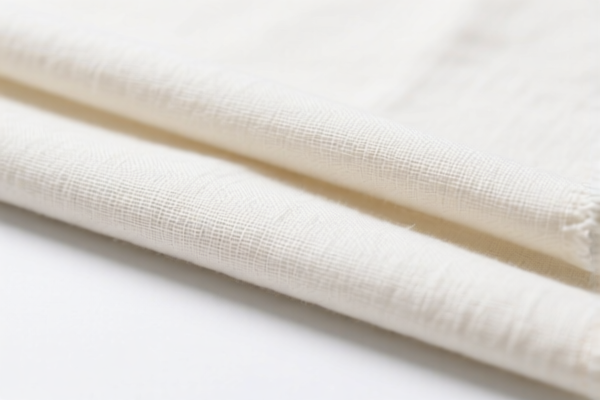
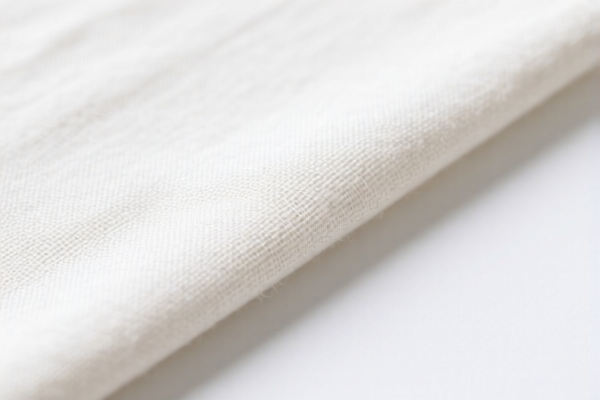
Unbleached Cotton Twill Fabric is a woven textile characterized by a distinct diagonal rib pattern (twill weave) made primarily from cotton fibers that have not undergone the bleaching process (retaining their natural cream/yellowish hue). In international trade, it is critical to distinguish whether the product is classified as a raw fabric (by weight/composition) or a finished good (by end-use).
Key Distinctions: * Fabric Classification (Chapters 52/55): If the item is loose rolls of textile material, it falls under headings related to woven fabrics of cotton or synthetic fibers. * Finished Goods Classification (Chapter 63): If the item is cut and sewn into specific bedding items (sheets, pillowcases, duvet covers), it falls under household linen.
⚠️ Critical Classification Point: - If it is a woven fabric (not yet cut/sewn into final products) → Goes to 5514.12.00.20 or 5514.22.00.20 (depending on composition). - If it is bedding (sheets, etc.) made from cotton or synthetic blends → Goes to 6302.31.90.50 or 6302.21.90.50. - If it is a general textile good (not bedding) → Goes to 6307.90.98.84.
📦 II. HS Code Classification Details (2026 Latest Tariff Authority Comparison)
| HS Code | Product Description | Applicable Scenario | Composition/Nature |
|---|---|---|---|
5514.12.00.20 |
Woven fabrics of synthetic staple fibers and cotton, containing <85% synthetic, unbleached | Unbleached Synthetic/Cotton Blend Twill (High Synthetic Content) | ✅ Synthetic > Cotton (but <85%) |
5514.22.00.20 |
Woven fabrics of synthetic staple fibers and cotton, containing <85% synthetic, unbleached | Unbleached Synthetic/Cotton Blend Twill (Specific Blend Ratio) | ✅ Synthetic > Cotton (Specific Sub-heading) |
6302.31.90.50 |
Bed linen, knitted or crocheted? No, Woven: Bed linen, of cotton | Finished Bedding (Sheets, Pillowcases) made of Cotton | ✅ Cotton-based Bedding |
6302.21.90.50 |
Bed linen, of cotton | Finished Bedding (Sheets, Pillowcases) made of Cotton | ✅ Cotton-based Bedding |
6307.90.98.84 |
Other made-up articles, including dress patterns | General Textile Good (Non-bedding, e.g., sacks, bags, covers) | ✅ Synthetic/Other Material Made-up Article |
🔍 Key Reminder: - Fabric vs. Finished Good: If you import raw rolls of "Unbleached Cotton Twill," do NOT classify it as Bed Linen (
6302...). It must be classified as Fabric (5514...). - Unbleached Status: The5514codes explicitly cover unbleached (unbleached) variants. If the fabric were bleached or dyed, different sub-headings might apply, but here we stick to the provided data for unbleached. - Material Mix: The5514codes indicate a mix of Synthetic (Polyester) and Cotton. Pure cotton fabric would typically fall under Chapter 52, but the provided data suggests these are blends.
💰 III. 2026 Latest Tariff Rate Detailed Analysis (Including Surcharges & Policy Add-ons)
✅ Applicable Country: United States (US) ✅ Origin: China (CN) ✅ Effective Date: Current rates include Section 301, Section 122, and Base Tariffs.
🎯 1. 5514.12.00.20 & 5514.22.00.20 — Woven Fabrics (Synthetic/Cotton Blend, Unbleached)
These two codes cover the raw fabric state. They attract the highest tariff burden due to the synthetic component and Section 301 rules.
| Item | Content |
|---|---|
| Base Tariff | 14.9% |
| Section 301 Surcharge | +25.0% (USITC Footnote) |
| Section 122 Surcharge | +10.0% (Specific Clause 122 Tariff) |
| Total Effective Rate | 49.9% |
| Calculation Basis | CIF Value × 49.9% |
| De Minimis Eligibility | ❌ No (High tariff rates disqualify from $800 exemption) |
| Legal Path | USITC:5514.12.00.20 → SECTION_301 + SECTION_122 |
📌 Explanation: - These codes are for textile fabrics. The 25% Section 301 tariff applies to most Chinese textiles. - The additional 10% Section 122 tariff further increases the cost. - Total 49.9% is extremely high. Importers must verify if any other classification (like finished bedding) offers a lower rate, though Chapter 63 also has surcharges.
🎯 2. 6302.31.90.50 & 6302.21.90.50 — Bed Linen (Cotton-Based)
These codes apply if the fabric is already made up into bedding items (sheets, pillowcases).
| Item | Content |
|---|---|
| Base Tariff | 6.7% |
| Section 301 Surcharge | +7.5% (Reduced rate for certain textile goods) |
| Section 122 Surcharge | +10.0% |
| Total Effective Rate | 24.2% |
| Calculation Basis | CIF Value × 24.2% |
| De Minimis Eligibility | ❌ No |
| Legal Path | USITC:6302.21.90.50 → SECTION_301 (Textile Exemption/Lower Rate) + SECTION_122 |
📌 Note: - While the base tariff (6.7%) is lower than fabric (14.9%), the Section 301 rate for these specific bedding items is lower (7.5% vs 25%) due to specific USITC exclusions or classifications for cotton household textiles. - However, if you are importing raw fabric, you cannot use these codes. You must use
5514....
🎯 3. 6307.90.98.84 — Other Made-Up Textile Articles
This code is for non-bedding finished goods (e.g., dust covers, industrial textile covers).
| Item | Content |
|---|---|
| Base Tariff | 7.0% |
| Section 301 Surcharge | +7.5% |
| Section 122 Surcharge | +10.0% |
| Total Effective Rate | 24.5% |
| Calculation Basis | CIF Value × 24.5% |
| De Minimis Eligibility | ❌ No |
| Legal Path | USITC:6307.90.98.84 → SECTION_301 + SECTION_122 |
📌 Explanation: - This is a "basket" category for other textile products. - Rate is similar to bedding (
24.5%vs24.2%). - Do not use for raw fabric rolls.
🛠️ IV. Customs Clearance Practical Advice (实战避坑指南)
✅ 1. Preparation Checklist (Must-Have Documents)
| Document | Required | Description |
|---|---|---|
| ✅ Product Specification Sheet | ✔️ | Must clearly state: "Unbleached," "Twill Weave," "Cotton/Synthetic Blend Ratio." |
| ✅ Fabric Swatch/Photo | ✔️ | Visual proof of twill pattern and unbleached color (cream/yellow). |
| ✅ Commercial Invoice | ✔️ | Clearly describe as "Woven Fabric" OR "Bed Linen" depending on HS Code. |
| ✅ Bill of Lading | ✔️ | Ensure weight and dimensions match invoice. |
| ✅ Certificate of Origin | ✔️ | Required for Section 301/122 assessment if origin is China. |
| ✅ Third-Party Test Report | ✔️ | Fiber content analysis (e.g., 65% Polyester, 35% Cotton) to justify 5514 vs 5208 (if pure cotton were an option, but data says 5514). |
✅ 2. Declaration Tips (Critical Rules)
🔥 "Raw Fabric = Chapter 55; Finished Bedding = Chapter 63; Wrong Code = Penalty!"
| Scenario | Correct HS Code | Incorrect Action | Consequence |
|---|---|---|---|
| Importing Rolls of Unbleached Twill | 5514.12.00.20 or 5514.22.00.20 |
Declaring as "Bed Sheets" (6302...) |
Severe Penalty: Misclassification, possible fraud investigation, 49.9% vs 24.2% refund/demand. |
| Importing Made-Up Bed Sheets | 6302.31.90.50 or 6302.21.90.50 |
Declaring as "Raw Fabric" | Higher Tax: Paying 49.9% instead of 24.2%. |
| Importing Non-Bedding Textile Goods | 6307.90.98.84 |
Declaring as Fabric | Misclassification: May trigger audit if end-use is clearly a finished article. |
| Unbleached vs. Bleached | 5514... (Unbleached) |
Declaring as Bleached/Dyed | Correct Rate: If unbleached is specified, use the provided unbleached codes. |
✅ 3. Special Circumstances Handling
| Situation | Handling Advice |
|---|---|
| Mixed Containers | If containers contain both raw fabric and finished bedding, declare separately. Do not bundle under one HS Code. |
| Section 122 Applicability | Ensure the Section 122 tariff is correctly applied. Some textile exclusions may exist, but verify current USITC exclusions list for 5514 and 6302. |
| Fiber Content Verification | Customs may test the fabric. If the cotton content is >85%, it might fall under Chapter 52, not 5514. Ensure the blend is accurately declared as <85% synthetic. |
| Origin Marking | All products must be marked "Made in China" to trigger the correct Section 301/122 tariffs. |
🌍 V. Global Market Customs Comparison (2026 Latest)
| Country/Region | Recommended HS Code (Fabric) | Tariff (China) | Certification | Remarks |
|---|---|---|---|---|
| 🇺🇸 USA | 5514.12.00.20 |
49.9% | None | High due to Sec 301/122 |
| 🇪🇺 EU | 5211... or 5514... |
~12% | REACH, Oeko-Tex | Lower base tariff, no Section 301 |
| 🇨🇳 China | 5514... |
~10% | N/A | Import tariff, not export |
| 🇮🇳 India | 5514... |
~15-20% | BIS | High protectionist tariffs |
| 🇬🇧 UK | 5514... |
~12% | UKCA | Post-Brexit rules apply |
📌 Conclusion: - USA is the most expensive market for this product due to the combination of Base + Section 301 + Section 122 tariffs. - Total Cost Impact: For a $10,000 shipment, expect ~$5,000 in tariffs. - Strategy: Consider if the product can be classified as finished bedding (
6302) if it meets the definition, as the tariff is nearly half (24.2% vs 49.9%). However, this is only valid if the product is already sewn.
📌 VI. Common Errors & Pitfalls (Lessons Learned)
❌ Error 1: Declaring raw fabric rolls as "Bedding" to save tax. 👉 Consequence: Customs inspection reveals rolls, not sheets. Fine + Back Taxes + Seizure Risk.
❌ Error 2: Ignoring the "Unbleached" status. 👉 Consequence: If the fabric is actually bleached, it might fall under a different sub-heading with different rates. Ensure physical goods match the "Unbleached" declaration.
❌ Error 3: Misjudging Fiber Content.
👉 Consequence: If cotton is >85%, it is not 5514 (Synthetic/Cotton blend). It would be 5208 (Cotton Woven Fabric). Misclassification leads to wrong tariff rates and potential penalties.
❌ Error 4: Assuming De Minimis ($800) applies. 👉 Consequence: With a 49.9% tariff, the de minimis exemption does NOT apply for Chinese goods. All shipments are subject to full duty calculation.
✅ Correct Practice:
"Unbleached Cotton/Polyester Twill Woven Fabric, Roll Form, 65% Poly/35% Cotton, Not Dyeing/Bleaching, for Textile Manufacturing Use"
🎯 VII. Conclusion: Precise Classification, Cost Control, Efficiency!
🎯 Remember the Golden Rules:
🔹 "Raw Rolls = 5514 (49.9%); Finished Sheets = 6302 (24.2%); Wrong Code = Big Problem!" 🔹 "Unbleached + Twill + Blend = 5514; Pure Cotton = Check Chapter 52!"
📌 Pro Tip:
If your product is 100% Cotton, verify if 5514 is still correct. The provided data suggests 5514 is for Synthetic/Cotton blends. If it is pure cotton, it may fall under 5208 (Cotton Woven Fabric), which might have different Section 301 rates. Always verify fiber content with a lab report.
📣 Immediate Action:
📞 Consult a licensed customs broker. 📋 Provide Fiber Content Analysis and Product Photos. 🚀 Apply for a Binding Ruling if your shipment volume is large to lock in the HS Code and avoid disputes.
✨ Professional Customs Clearance Starts with Accurate Classification! 💼 Every Percentage Point of Tariff Matters!
用户评价
关于 HS 编码归类
协调制度(HS)是由世界海关组织(WCO)制定的国际贸易商品分类标准。全球 200 多个国家采用 HS 系统作为海关关税、贸易统计和进出口监管的基础。
每个 HS 编码遵循以下层级结构:
- 章(2 位)——商品大类(例如:第 84 章:机器和机械设备)
- 品目(4 位)——章内的更具体分类
- 子目(6 位)——国际通用细分,所有 WCO 成员国统一使用
- 本国细分(8-10 位)——各国自行扩展的细分编码,如美国 HTSUS 10 位编码
正确的 HS 编码归类对于顺利通关、准确缴纳关税和遵守贸易法规至关重要。错误归类可能导致海关延误、多缴关税或罚款。
从CN进口到US时,适用的关税税率可能包括:
- 最惠国(MFN)税率——适用于 WTO 成员国的标准关税税率
- 普通税率——适用于无贸易协定国家
- 贸易救济关税——附加关税,如 301 条款(反倾销)、232 条款(国家安全)或反补贴税
本页内容仅供参考。如需正式归类,请咨询当地海关或持牌报关代理。