Unbleached Cotton Twill Fabric
CN → US| HS Code | Tariff Rate | Origin | Destination | Doc |
|---|---|---|---|---|
| 5514220020 | 49.9% | CN | US | Official Doc |
| 5514120020 | 49.9% | CN | US | Official Doc |
| 6302319050 | 24.2% | CN | US | Official Doc |
| 6302219050 | 24.2% | CN | US | Official Doc |
| 6307909884 | 24.5% | CN | US | Official Doc |
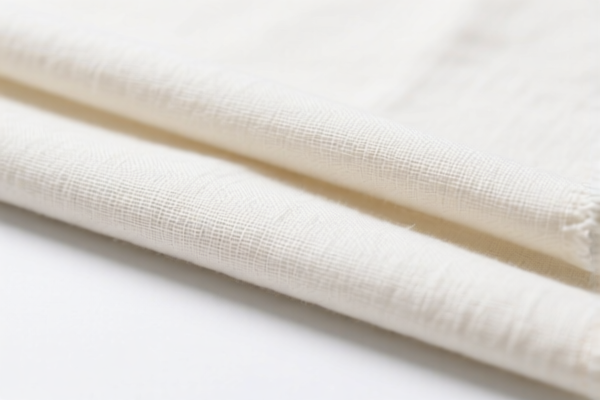
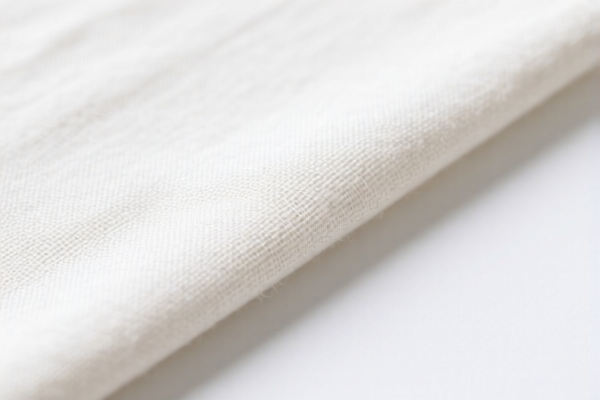
Product Images


AI Analysis
🧵 Unbleached Cotton Twill Fabric
🌐 HS Code Reference & Customs Clearance Guide | 2026 Latest Tariff Analysis | Professional Transit Strategy 📌 I. Product Definition & Classification: Do You Understand "Unbleached Cotton Twill"?
Unbleached Cotton Twill Fabric is a woven textile characterized by a distinct diagonal rib pattern (twill weave) made primarily from cotton fibers that have not undergone the bleaching process (retaining their natural cream/yellowish hue). In international trade, it is critical to distinguish whether the product is classified as a raw fabric (by weight/composition) or a finished good (by end-use).
Key Distinctions: * Fabric Classification (Chapters 52/55): If the item is loose rolls of textile material, it falls under headings related to woven fabrics of cotton or synthetic fibers. * Finished Goods Classification (Chapter 63): If the item is cut and sewn into specific bedding items (sheets, pillowcases, duvet covers), it falls under household linen.
⚠️ Critical Classification Point: - If it is a woven fabric (not yet cut/sewn into final products) → Goes to 5514.12.00.20 or 5514.22.00.20 (depending on composition). - If it is bedding (sheets, etc.) made from cotton or synthetic blends → Goes to 6302.31.90.50 or 6302.21.90.50. - If it is a general textile good (not bedding) → Goes to 6307.90.98.84.
📦 II. HS Code Classification Details (2026 Latest Tariff Authority Comparison)
| HS Code | Product Description | Applicable Scenario | Composition/Nature |
|---|---|---|---|
5514.12.00.20 |
Woven fabrics of synthetic staple fibers and cotton, containing <85% synthetic, unbleached | Unbleached Synthetic/Cotton Blend Twill (High Synthetic Content) | ✅ Synthetic > Cotton (but <85%) |
5514.22.00.20 |
Woven fabrics of synthetic staple fibers and cotton, containing <85% synthetic, unbleached | Unbleached Synthetic/Cotton Blend Twill (Specific Blend Ratio) | ✅ Synthetic > Cotton (Specific Sub-heading) |
6302.31.90.50 |
Bed linen, knitted or crocheted? No, Woven: Bed linen, of cotton | Finished Bedding (Sheets, Pillowcases) made of Cotton | ✅ Cotton-based Bedding |
6302.21.90.50 |
Bed linen, of cotton | Finished Bedding (Sheets, Pillowcases) made of Cotton | ✅ Cotton-based Bedding |
6307.90.98.84 |
Other made-up articles, including dress patterns | General Textile Good (Non-bedding, e.g., sacks, bags, covers) | ✅ Synthetic/Other Material Made-up Article |
🔍 Key Reminder: - Fabric vs. Finished Good: If you import raw rolls of "Unbleached Cotton Twill," do NOT classify it as Bed Linen (
6302...). It must be classified as Fabric (5514...). - Unbleached Status: The5514codes explicitly cover unbleached (unbleached) variants. If the fabric were bleached or dyed, different sub-headings might apply, but here we stick to the provided data for unbleached. - Material Mix: The5514codes indicate a mix of Synthetic (Polyester) and Cotton. Pure cotton fabric would typically fall under Chapter 52, but the provided data suggests these are blends.
💰 III. 2026 Latest Tariff Rate Detailed Analysis (Including Surcharges & Policy Add-ons)
✅ Applicable Country: United States (US) ✅ Origin: China (CN) ✅ Effective Date: Current rates include Section 301, Section 122, and Base Tariffs.
🎯 1. 5514.12.00.20 & 5514.22.00.20 — Woven Fabrics (Synthetic/Cotton Blend, Unbleached)
These two codes cover the raw fabric state. They attract the highest tariff burden due to the synthetic component and Section 301 rules.
| Item | Content |
|---|---|
| Base Tariff | 14.9% |
| Section 301 Surcharge | +25.0% (USITC Footnote) |
| Section 122 Surcharge | +10.0% (Specific Clause 122 Tariff) |
| Total Effective Rate | 49.9% |
| Calculation Basis | CIF Value × 49.9% |
| De Minimis Eligibility | ❌ No (High tariff rates disqualify from $800 exemption) |
| Legal Path | USITC:5514.12.00.20 → SECTION_301 + SECTION_122 |
📌 Explanation: - These codes are for textile fabrics. The 25% Section 301 tariff applies to most Chinese textiles. - The additional 10% Section 122 tariff further increases the cost. - Total 49.9% is extremely high. Importers must verify if any other classification (like finished bedding) offers a lower rate, though Chapter 63 also has surcharges.
🎯 2. 6302.31.90.50 & 6302.21.90.50 — Bed Linen (Cotton-Based)
These codes apply if the fabric is already made up into bedding items (sheets, pillowcases).
| Item | Content |
|---|---|
| Base Tariff | 6.7% |
| Section 301 Surcharge | +7.5% (Reduced rate for certain textile goods) |
| Section 122 Surcharge | +10.0% |
| Total Effective Rate | 24.2% |
| Calculation Basis | CIF Value × 24.2% |
| De Minimis Eligibility | ❌ No |
| Legal Path | USITC:6302.21.90.50 → SECTION_301 (Textile Exemption/Lower Rate) + SECTION_122 |
📌 Note: - While the base tariff (6.7%) is lower than fabric (14.9%), the Section 301 rate for these specific bedding items is lower (7.5% vs 25%) due to specific USITC exclusions or classifications for cotton household textiles. - However, if you are importing raw fabric, you cannot use these codes. You must use
5514....
🎯 3. 6307.90.98.84 — Other Made-Up Textile Articles
This code is for non-bedding finished goods (e.g., dust covers, industrial textile covers).
| Item | Content |
|---|---|
| Base Tariff | 7.0% |
| Section 301 Surcharge | +7.5% |
| Section 122 Surcharge | +10.0% |
| Total Effective Rate | 24.5% |
| Calculation Basis | CIF Value × 24.5% |
| De Minimis Eligibility | ❌ No |
| Legal Path | USITC:6307.90.98.84 → SECTION_301 + SECTION_122 |
📌 Explanation: - This is a "basket" category for other textile products. - Rate is similar to bedding (
24.5%vs24.2%). - Do not use for raw fabric rolls.
🛠️ IV. Customs Clearance Practical Advice (实战避坑指南)
✅ 1. Preparation Checklist (Must-Have Documents)
| Document | Required | Description |
|---|---|---|
| ✅ Product Specification Sheet | ✔️ | Must clearly state: "Unbleached," "Twill Weave," "Cotton/Synthetic Blend Ratio." |
| ✅ Fabric Swatch/Photo | ✔️ | Visual proof of twill pattern and unbleached color (cream/yellow). |
| ✅ Commercial Invoice | ✔️ | Clearly describe as "Woven Fabric" OR "Bed Linen" depending on HS Code. |
| ✅ Bill of Lading | ✔️ | Ensure weight and dimensions match invoice. |
| ✅ Certificate of Origin | ✔️ | Required for Section 301/122 assessment if origin is China. |
| ✅ Third-Party Test Report | ✔️ | Fiber content analysis (e.g., 65% Polyester, 35% Cotton) to justify 5514 vs 5208 (if pure cotton were an option, but data says 5514). |
✅ 2. Declaration Tips (Critical Rules)
🔥 "Raw Fabric = Chapter 55; Finished Bedding = Chapter 63; Wrong Code = Penalty!"
| Scenario | Correct HS Code | Incorrect Action | Consequence |
|---|---|---|---|
| Importing Rolls of Unbleached Twill | 5514.12.00.20 or 5514.22.00.20 |
Declaring as "Bed Sheets" (6302...) |
Severe Penalty: Misclassification, possible fraud investigation, 49.9% vs 24.2% refund/demand. |
| Importing Made-Up Bed Sheets | 6302.31.90.50 or 6302.21.90.50 |
Declaring as "Raw Fabric" | Higher Tax: Paying 49.9% instead of 24.2%. |
| Importing Non-Bedding Textile Goods | 6307.90.98.84 |
Declaring as Fabric | Misclassification: May trigger audit if end-use is clearly a finished article. |
| Unbleached vs. Bleached | 5514... (Unbleached) |
Declaring as Bleached/Dyed | Correct Rate: If unbleached is specified, use the provided unbleached codes. |
✅ 3. Special Circumstances Handling
| Situation | Handling Advice |
|---|---|
| Mixed Containers | If containers contain both raw fabric and finished bedding, declare separately. Do not bundle under one HS Code. |
| Section 122 Applicability | Ensure the Section 122 tariff is correctly applied. Some textile exclusions may exist, but verify current USITC exclusions list for 5514 and 6302. |
| Fiber Content Verification | Customs may test the fabric. If the cotton content is >85%, it might fall under Chapter 52, not 5514. Ensure the blend is accurately declared as <85% synthetic. |
| Origin Marking | All products must be marked "Made in China" to trigger the correct Section 301/122 tariffs. |
🌍 V. Global Market Customs Comparison (2026 Latest)
| Country/Region | Recommended HS Code (Fabric) | Tariff (China) | Certification | Remarks |
|---|---|---|---|---|
| 🇺🇸 USA | 5514.12.00.20 |
49.9% | None | High due to Sec 301/122 |
| 🇪🇺 EU | 5211... or 5514... |
~12% | REACH, Oeko-Tex | Lower base tariff, no Section 301 |
| 🇨🇳 China | 5514... |
~10% | N/A | Import tariff, not export |
| 🇮🇳 India | 5514... |
~15-20% | BIS | High protectionist tariffs |
| 🇬🇧 UK | 5514... |
~12% | UKCA | Post-Brexit rules apply |
📌 Conclusion: - USA is the most expensive market for this product due to the combination of Base + Section 301 + Section 122 tariffs. - Total Cost Impact: For a $10,000 shipment, expect ~$5,000 in tariffs. - Strategy: Consider if the product can be classified as finished bedding (
6302) if it meets the definition, as the tariff is nearly half (24.2% vs 49.9%). However, this is only valid if the product is already sewn.
📌 VI. Common Errors & Pitfalls (Lessons Learned)
❌ Error 1: Declaring raw fabric rolls as "Bedding" to save tax. 👉 Consequence: Customs inspection reveals rolls, not sheets. Fine + Back Taxes + Seizure Risk.
❌ Error 2: Ignoring the "Unbleached" status. 👉 Consequence: If the fabric is actually bleached, it might fall under a different sub-heading with different rates. Ensure physical goods match the "Unbleached" declaration.
❌ Error 3: Misjudging Fiber Content.
👉 Consequence: If cotton is >85%, it is not 5514 (Synthetic/Cotton blend). It would be 5208 (Cotton Woven Fabric). Misclassification leads to wrong tariff rates and potential penalties.
❌ Error 4: Assuming De Minimis ($800) applies. 👉 Consequence: With a 49.9% tariff, the de minimis exemption does NOT apply for Chinese goods. All shipments are subject to full duty calculation.
✅ Correct Practice:
"Unbleached Cotton/Polyester Twill Woven Fabric, Roll Form, 65% Poly/35% Cotton, Not Dyeing/Bleaching, for Textile Manufacturing Use"
🎯 VII. Conclusion: Precise Classification, Cost Control, Efficiency!
🎯 Remember the Golden Rules:
🔹 "Raw Rolls = 5514 (49.9%); Finished Sheets = 6302 (24.2%); Wrong Code = Big Problem!" 🔹 "Unbleached + Twill + Blend = 5514; Pure Cotton = Check Chapter 52!"
📌 Pro Tip:
If your product is 100% Cotton, verify if 5514 is still correct. The provided data suggests 5514 is for Synthetic/Cotton blends. If it is pure cotton, it may fall under 5208 (Cotton Woven Fabric), which might have different Section 301 rates. Always verify fiber content with a lab report.
📣 Immediate Action:
📞 Consult a licensed customs broker. 📋 Provide Fiber Content Analysis and Product Photos. 🚀 Apply for a Binding Ruling if your shipment volume is large to lock in the HS Code and avoid disputes.
✨ Professional Customs Clearance Starts with Accurate Classification! 💼 Every Percentage Point of Tariff Matters!
Customer Reviews
About HS Code Classification
The Harmonized System (HS) is an internationally standardized nomenclature developed by the World Customs Organization (WCO) to classify traded products. Over 200 countries use the HS system as the basis for customs tariffs, trade statistics, and import/export regulations.
Each HS code follows a hierarchical structure:
- Chapter (2 digits) — Broad category of goods (e.g., Chapter 84: Machinery and Mechanical Appliances)
- Heading (4 digits) — More specific grouping within the chapter
- Subheading (6 digits) — Internationally standardized breakdown, used by all WCO member countries
- National subdivisions (8-10 digits) — Country-specific extensions for further classification, such as US HTSUS 10-digit codes
Correct HS code classification is essential for smooth customs clearance, accurate duty payment, and compliance with trade regulations. Misclassification can lead to customs delays, overpayment of duties, or penalties.
When importing from CN to US, the applicable tariff rates may include:
- Most-Favored-Nation (MFN) rate — The standard duty rate applied to WTO members
- General rate — Applied to countries without trade agreements
- Trade remedy duties — Additional tariffs such as Section 301 (anti-dumping), Section 232 (national security), or countervailing duties
The information provided on this page is for reference purposes only. For official classification, please consult with your local customs authority or a licensed customs broker.