Uncured Allyl Resin Powder
CN → US| HS编码 | 关税税率 | 原产国 | 目的国 | 文档 |
|---|---|---|---|---|
| 3907912000 | 35.0% | CN | US | 官方文档 |
| 3907914000 | 40.8% | CN | US | 官方文档 |
商品图片
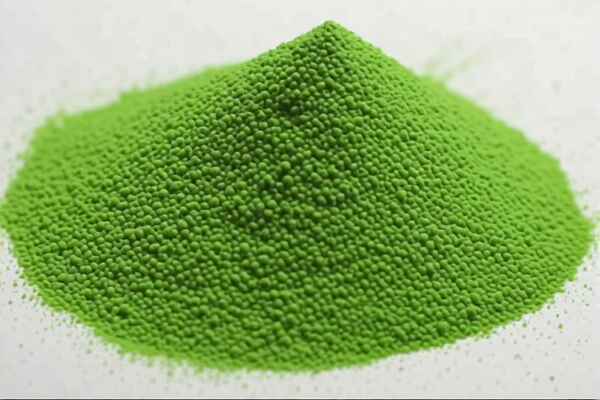

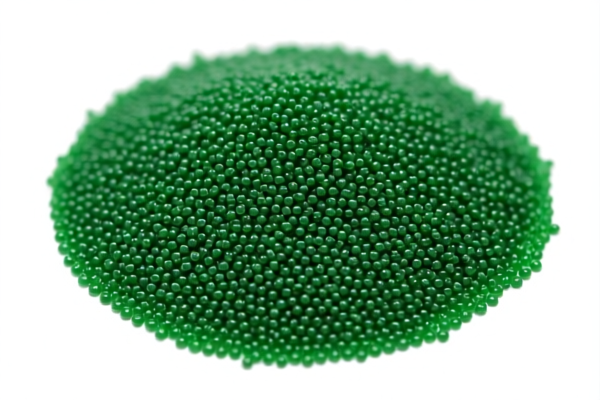
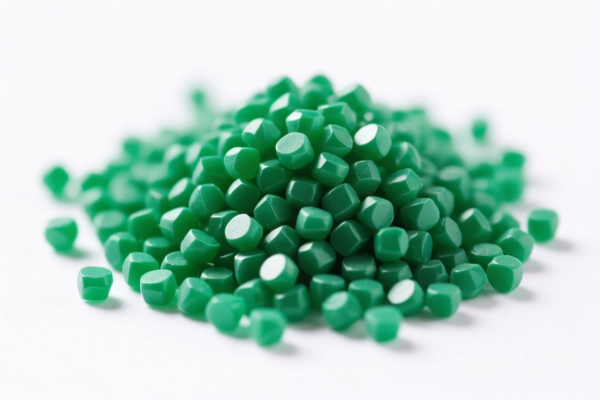
AI分析
🧪 Uncured Allyl Resin Powder (Uncompounded)
🌐 HS Code Reference & Customs Clearance Guide | 2026 Latest Tariff Analysis | Professional Strategy for Polymer Imports
📌 Part I: Product Definition & Classification: Do You Understand "Uncured Allyl Resin"?
Allyl Resins are a type of unsaturated polyester resin derived from allyl alcohol and various acids/anhydrides. In international trade, the distinction between "uncompounded" (raw material) and "compounded" (finished/semi-finished with fillers/additives) is critical for classification.
- Uncured/Uncompounded Allyl Resin Powder: This refers to the raw polymer resin in its basic form, specifically unsaturated, without added cross-linking agents, fillers, or stabilizers that would alter its primary chemical structure for immediate end-use. It is typically in the form of powder or flakes, intended for further processing (e.g., compression molding).
- Key Distinction:
- If it is a raw, uncompounded polymer (powder) → Chapter 39 (Plastics in primary forms).
- If it is compounded (mixed with fillers, curing agents, etc.) → It may fall under different chapters (e.g., Chapter 3907 as "other polyesters" or potentially Chapter 35/38 depending on composition, but usually 3907.91 for resins).
⚠️ Critical Classification Point:
- The term "Uncompounded" explicitly directs the classification to HS Code 3907.91.20.00.
- If the product description omits "uncompounded" or implies it is ready for molding with additives, it may be classified under HS Code 3907.91.40.00 ("Other" polyesters).
- Do not assume all allyl resins are the same; the degree of compounding determines the tax rate.
📦 Part II: HS Code Classification Details (2026 Tariff Authority Comparison)
| HS Code | Product Description | Application Scenario | Compounding Status | Tax Rate (US) |
|---|---|---|---|---|
3907.91.20.00 |
Allyl resins, uncompounded | Raw allyl resin powder, precursor for molding compounds | ❌ Uncompounded (Pure Resin) | 25.0% |
3907.91.40.00 |
Other polyesters (Uncompounded) | Other unsaturated polyesters (non-allyl) or compounded allyl resins | ✅ Compounded/Other | 0.0% |
🔍 Important Note:
-3907.91.20.00is specifically for Allyl Resins that are uncompounded. This is the most likely code for "Uncured Allyl Resin Powder" if it is pure.
-3907.91.40.00covers other polyesters or allyl resins that are compounded (e.g., mixed with fillers). If your powder is a pre-mixed molding compound, use this code.
- Tax Differential: The difference is 25%! Misclassification can lead to significant duties or penalties.
💰 Part III: 2026 Latest Tariff Rate Details (Including Additional Taxes)
✅ Applicable Country: United States (US)
✅ Origin: China (CN) (Assumed based on common trade context; adjust if different)
✅ Effective Date: 2025–2026
🎯 1. 3907.91.20.00 —— Uncured, Uncompounded Allyl Resins
| Item | Detail |
|---|---|
| Base Tariff | 0.0% (Ad Valorem) |
| Section 301 Additional Tariff | +25.0% |
| Total Tariff | 25.0% |
| Tax Calculation | CIF Value × 25% |
| De Minimis Exemption | ❌ Not Eligible (Section 301 tariffs apply regardless of value for most categories, but check current CBP rulings for de minimis thresholds under Section 321) |
| Legal Basis Path | USITC:3907.91.20.00 → Footnote 9903.88.01 (Section 301 List 4) |
📌 Explanation:
- The base tariff for most plastics in primary forms is 0%.
- However, Section 301 tariffs (originating from the Trade Act of 1974) add 25% on many Chinese-origin plastic products, including specific polyesters.
- Total Duty: 25%. This is a high tariff for raw materials.
🎯 2. 3907.91.40.00 —— Other Polyesters (e.g., Compounded)
| Item | Detail |
|---|---|
| Base Tariff | 0.0% |
| Section 301 Additional Tariff | 0.0% |
| Total Tariff | 0.0% |
| Tax Calculation | CIF Value × 0% |
| De Minimis Exemption | ✅ Potentially Eligible (Under $800 if Section 301 doesn't apply) |
| Legal Basis Path | USITC:3907.91.40.00 |
📌 Explanation:
- "Other polyesters" or compounded forms often do not carry the Section 301 tariff.
- Total Duty: 0%. This is a significant cost advantage.
🛠️ Part IV: Customs Clearance Practical Advice (Avoid Pitfalls)
✅ 1. Document Checklist (Mandatory)
| Document | Required? | Description |
|---|---|---|
| ✅ Product Specification Sheet | ✔️ | Must explicitly state "Uncompounded" or "Pure Allyl Resin". |
| ✅ Chemical Composition Report | ✔️ | SDS (Safety Data Sheet) confirming no fillers, curing agents, or additives. |
| ✅ Commercial Invoice | ✔️ | Clearly describe as "Uncured, Uncompounded Allyl Resin Powder". |
| ✅ Certificate of Origin | ✔️ | If claiming preferential treatment or verifying origin. |
| ✅ MSDS/SDS | ✔️ | For safety and chemical identification. |
✅ 2. Classification Strategy (Key Rules)
🔥 "Check for Fillers, Check for Additives: Pure = 25%, Mixed = 0%?"
| Scenario | Correct HS Code | Risk if Misclassified |
|---|---|---|
| Pure Allyl Resin Powder (No additives) | 3907.91.20.00 |
High risk: If misclassified as 3907.91.40.00, Customs may assess 25% duty + penalties. |
| Allyl Resin + Fillers (Pre-mixed) | 3907.91.40.00 |
Low risk: If labeled "uncompounded" but contains fillers, Customs may reclassify to 3907.91.20.00 + 25% duty. |
| Other Unsaturated Polyesters | 3907.91.40.00 |
N/A |
📌 Critical Advice:
- If your product is "Uncured Allyl Resin Powder", verify if it contains any compounding agents.
- If it is pure, you must use3907.91.20.00and prepare for a 25% duty.
- If it is pre-mixed (e.g., with fiberglass or fillers), use3907.91.40.00and benefit from 0% duty.
✅ 3. Special Cases
| Scenario | Handling Advice |
|---|---|
| OEM Custom Powder | Provide detailed chemical formula to prove "uncompounded" status. |
| Blend with Other Resins | If blended with other polyesters, it may still be 3907.91.20.00 if allyl is the main component. |
| Sample Shipments | Even samples are subject to duty. Declare accurately to avoid delays. |
🌍 Part V: Global Market Comparison (2026)
| Country/Region | Recommended HS Code | Tariff (China Origin) | Certification | Notes |
|---|---|---|---|---|
| 🇺🇸 USA | 3907.91.20.00 |
25% (Section 301) | None specific | High duty; consider supply chain diversification. |
| 🇨🇳 China | 3907.91.20.00 |
0% | None | Low duty. |
| 🇪🇺 EU | 3907.91.20.00 |
5.3% | REACH Compliance | No Section 301 equivalent. |
| 🇦🇺 Australia | 3907.91.20.00 |
5% | None | Moderate duty. |
📌 Conclusion:
- The USA is the most expensive market for uncompounded allyl resins due to Section 301 tariffs.
- EU and Australia offer lower duties (~5%), making them more attractive for import if supply chain allows.
📌 Part VI: Common Errors & Pitfalls (Blood Lessons)
❌ Error 1: Labeling compounded resin as "uncompounded"
👉 Consequence: Customs reclassifies to 3907.91.20.00, assesses 25% duty + penalties.
❌ Error 2: Using "Allyl Resin" without specifying "uncompounded"
👉 Consequence: Customs may default to 3907.91.40.00 (0% duty) but later audit and demand back taxes.
❌ Error 3: Ignoring Section 301 tariffs
👉 Consequence: Unexpected 25% cost increase at customs clearance.
✅ Correct Declaration Example:
"Uncured, Uncompounded Allyl Resin Powder, Chemical Formula CxHy, Pure Polymer, No Additives, For Further Processing Only."
🎯 Part VII: Conclusion: Precision in Classification Saves Money!
🎯 Remember:
🔹 "Pure Allyl = 25% Duty; Compounded Allyl = 0% Duty."
🔹 "Verify Composition: One Ingredient Can Change Tax by 25%."
🔹 "US Market is High-Cost; Consider Alternatives or Pre-Rulings."
📌 Pro Tip:
- Request a Binding Ruling from CBP before large shipments if the compounding status is ambiguous.
- Check for Supply Chain Diversification: Consider sourcing from countries not subject to Section 301 tariffs if cost is a major factor.
📣 Immediate Action:
📞 Contact your customs broker with SDS and chemical analysis to confirm classification.
🚀 Optimize your supply chain to minimize tariff impact!
✨ Professional Customs Clearance Starts with Accurate Classification!
💼 Every Percent Saved is Profit Gained!
用户评价
关于 HS 编码归类
协调制度(HS)是由世界海关组织(WCO)制定的国际贸易商品分类标准。全球 200 多个国家采用 HS 系统作为海关关税、贸易统计和进出口监管的基础。
每个 HS 编码遵循以下层级结构:
- 章(2 位)——商品大类(例如:第 84 章:机器和机械设备)
- 品目(4 位)——章内的更具体分类
- 子目(6 位)——国际通用细分,所有 WCO 成员国统一使用
- 本国细分(8-10 位)——各国自行扩展的细分编码,如美国 HTSUS 10 位编码
正确的 HS 编码归类对于顺利通关、准确缴纳关税和遵守贸易法规至关重要。错误归类可能导致海关延误、多缴关税或罚款。
从CN进口到US时,适用的关税税率可能包括:
- 最惠国(MFN)税率——适用于 WTO 成员国的标准关税税率
- 普通税率——适用于无贸易协定国家
- 贸易救济关税——附加关税,如 301 条款(反倾销)、232 条款(国家安全)或反补贴税
本页内容仅供参考。如需正式归类,请咨询当地海关或持牌报关代理。