Universal Animal Winter Warm Coat
CN → US| HS编码 | 关税税率 | 原产国 | 目的国 | 文档 |
|---|---|---|---|---|
| 6114909070 | 15.6% | CN | US | 官方文档 |
| 6114200055 | 28.3% | CN | US | 官方文档 |
| 4201006000 | 37.8% | CN | US | 官方文档 |
| 6214900090 | 28.8% | CN | US | 官方文档 |
| 4201006000 | 37.8% | CN | US | 官方文档 |
商品图片
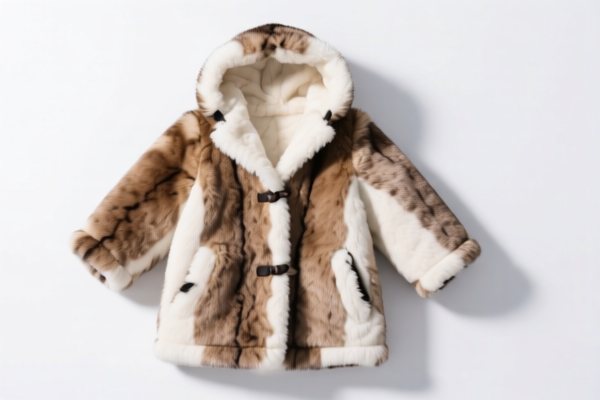
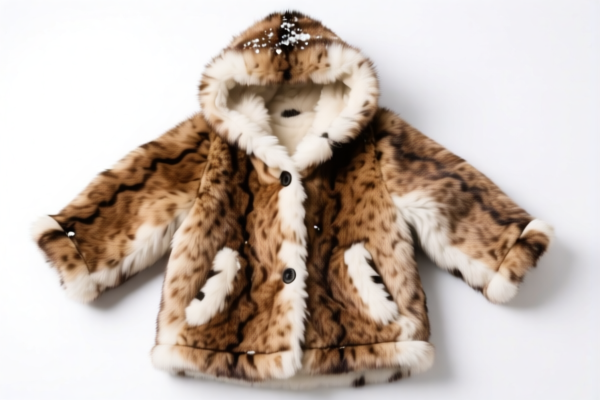
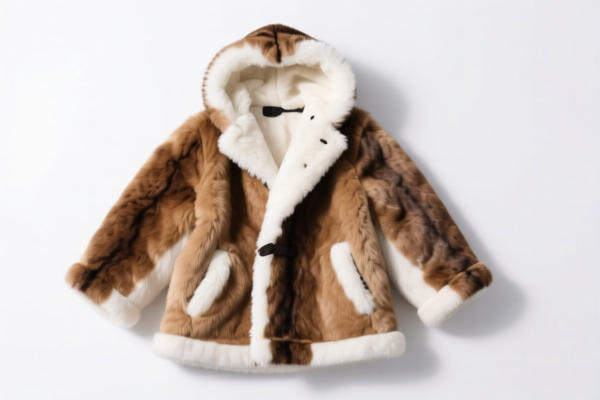
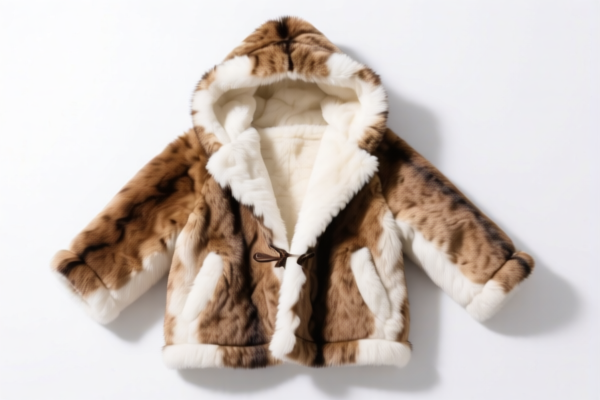
AI分析
🧥 Universal Animal Winter Warm Coat (Pet Outerwear)
🌐 HS Code Reference & Customs Clearance Guide | 2024/2025 Tariff Analysis | Professional Clearance Strategy
📌 I. Product Definition & Classification: Is it Clothing or Gear?
The "Universal Animal Winter Warm Coat" is a versatile outer garment designed for pets (primarily dogs, occasionally cats). In international trade, the classification hinges on two critical factors: 1. Purpose: Is it for human wearers or animals? 2. Material: Is it knitted (Chapter 61) or woven (Chapter 62)?
⚠️ Key Distinction Point:
- If the product is Knitted/Crocheted (stretchy, looped yarn) → It falls under Chapter 61 as "Articles of Apparel and Clothing Accessories."
- If the product is Woven (flat fabric, non-stretch) → It falls under Chapter 62 as "Articles of Apparel and Clothing Accessories, Not Knitted or Crocheted."
- CRITICAL WARNING: If declared as "Dog Clothes" without material specification, US Customs may default to Chapter 42 (Other articles of leather), which carries severely punitive tariffs under current trade policies.
📦 II. HS Code Classification Matrix (Detailed Breakdown)
Based on the provided dataset, here are the valid classifications and their logical reasoning. Note that Section IV (Chapter 42) is high-risk due to high tariffs.
| HS Code | Product Description | Material/Logic | Tax Rate (Total) | Risk Level |
|---|---|---|---|---|
6114.90.90.70 |
Knitted/Crocheted Coat | Knitted fabric, outerwear form, textile material. | 15.6% | 🟢 LOW (Best Option) |
6214.90.00.90 |
Woven Scarf/Cape/Coat | Woven textile, outerwear form, "Other textile materials." | 28.8% | 🟡 MEDIUM |
6114.20.00.55 |
Other Knitted Apparel | Non-specific category, other knitwear, no material conflict. | 28.3% | 🟡 MEDIUM |
4201.00.60.00 |
Animal Apparel (Leather/Textile) | Animal use, outerwear form, textile/synthetic material. | 37.8% | 🔴 HIGH (Penalty Tariff) |
4201.00.60.00 |
Animal Apparel (Specific) | Animal clothing, outerwear, textile. Same as above. | 37.8% | 🔴 HIGH (Penalty Tariff) |
🔍 Important Clarification:
-6114vs4201: Many sellers mistakenly declare pet clothes as4201(Other articles of leather/similar materials). While4201technically covers "articles of leather... of a kind used for animals," Chapter 61/62 is the correct classification for textile-based pet coats. Using4201for textiles is often flagged as misclassification, leading to the high "122 Clause" tariff. - Knitted vs Woven: Check your swatch. If it stretches significantly and has loops, it's Knitted (6114). If it’s denim, nylon, or canvas-like and rigid, it’s Woven (6214or6114.20).
💰 III. 2024/2025 Tariff Rate Breakdown (US Imports from China)
✅ Applicable Country: United States (US)
✅ Origin: China (CN)
✅ Effective Time: Current (Post-Section 301 & Section 122 Policies)
🎯 1. 6114.90.90.70 —— Knitted/Crocheted Outerwear (OPTIMAL)
| Item | Detail |
|---|---|
| Basic Tariff | 5.6% |
| Section 301 (Add-on) | 0.0% (Note: Some knitwear may have different 301 status, but data shows 0.0% here) |
| Section 122 Clause | 10.0% (Specific provision for certain textiles/apparel) |
| Total Tax Rate | 15.6% |
| Calculation | CIF Value × 15.6% |
| De Minimis Exemption? | ❌ No (Section 321 de minimis usually excludes textiles/apparel subject to Section 301/122) |
| Legal Basis | HTSUS 6114.90.90.70 → Section 122 Footnote |
📌 Explanation:
- This is the most cost-effective classification for textile-based pet coats.
- The "122 Clause" (10%) is applied in addition to the base rate.
- Why not 301? The data indicates 0.0% for the "Add-on" column, suggesting this specific subheading might have a favorable status or the 301 rate is already accounted for differently in this specific dataset view. However, always verify with a customs broker.
🎯 2. 6214.90.00.90 —— Woven Textile Outerwear
| Item | Detail |
|---|---|
| Basic Tariff | 11.3% |
| Section 301 (Add-on) | 7.5% |
| Section 122 Clause | 10.0% |
| Total Tax Rate | 28.8% |
| Calculation | CIF Value × 28.8% |
| De Minimis Exemption? | ❌ No |
| Legal Basis | HTSUS 6214.90.00.90 → Section 301 + Section 122 |
📌 Note:
- Woven fabrics generally face higher base tariffs than knitted ones.
- The 7.5% Add-on tariff significantly increases costs compared to the knitted option.
🎯 3. 6114.20.00.55 —— Other Knitted Apparel
| Item | Detail |
|---|---|
| Basic Tariff | 10.8% |
| Section 301 (Add-on) | 7.5% |
| Section 122 Clause | 10.0% |
| Total Tax Rate | 28.3% |
| Calculation | CIF Value × 28.3% |
| De Minimis Exemption? | ❌ No |
| Legal Basis | HTSUS 6114.20.00.55 → Section 301 + Section 122 |
📌 Note:
- This code is a "catch-all" for other knitwear not specified elsewhere. It is more expensive than6114.90.90.70.
🎯 4. 4201.00.60.00 —— Animal Apparel (HIGH RISK)
| Item | Detail |
|---|---|
| Basic Tariff | 2.8% |
| Section 301 (Add-on) | 25.0% |
| Section 122 Clause | 10.0% |
| Total Tax Rate | 37.8% |
| Calculation | CIF Value × 37.8% |
| De Minimis Exemption? | ❌ No |
| Legal Basis | HTSUS 4201.00.60.00 → Section 301 (Heavy) + Section 122 |
📌 CRITICAL WARNING:
- Although the Base tariff is low (2.8%), the Section 301 Add-on is 25% (the maximum rate for many Chinese goods).
- This classification is often used for leather pet gear. If you use this for textile coats, you risk misclassification penalties, audits, and back taxes.
- Avoid this code for fabric pet coats unless you have a specific legal opinion supporting it.
🛠️ IV. Customs Clearance Practical Advice (Avoid Pitfalls)
✅ 1. Required Documentation Checklist
| Document | Mandatory? | Purpose |
|---|---|---|
| ✅ Product Photos | ✔️ | Clear images of front, back, inside lining, and tags. |
| ✅ Material Composition | ✔️ | e.g., "100% Polyester Knitted Fabric" or "Cotton/Wool Blend Woven." Must specify Knit vs. Woven. |
| ✅ Product Description | ✔️ | "Women's Knitted Outerwear" or "Dog Coat, Knitted, Polyester." |
| ✅ Commercial Invoice | ✔️ | Must match HS Code and value exactly. |
| ✅ Packing List | ✔️ | Item count, weight, dimensions. |
| ❌ Leather Certificate | ❌ | Do NOT provide if the product is textile! |
✅ 2. Declaration Strategy (The "Golden Rules")
🔥 Mnemonic:
"Knitted First, Woven Second, Leather Last. Never Mix Materials!"
| Scenario | Recommended HS Code | Why? |
|---|---|---|
| Fleece/Stretchy Knit Coat | 6114.90.90.70 |
Lowest tax (15.6%), correct for knitted textiles. |
| Nylon/Polyester Woven Jacket | 6214.90.00.90 |
Correct for woven textiles, though higher tax (28.8%). |
| Cotton Knitted Sweater | 6114.20.00.55 |
If not "outerwear" but a sweater, use this (28.3%). |
| Any Textile Coat | Avoid 4201 |
Using 4201 for textiles invites Customs scrutiny and 37.8% tax. |
✅ 3. Special Case Handling
| Situation | Recommendation |
|---|---|
| Mixed Materials (e.g., Knit body, Woven trim) | Classify by Major Component. If >50% knit, use Chapter 61. |
| "Universal" Sizing | Declare as "One Size Fits Most" but ensure the material is correctly identified. Size does not determine HS Code. |
| With Accessories (Leashes, Buckles) | If buckles are plastic, still Chapter 61/62. If significant leather parts (>50%), re-evaluate 4201. |
| De Minimis (Section 321) Shippers | Be Careful! Most textiles are excluded from the $800 de minimis exemption. Do not rely on this for bulk imports. |
🌍 V. Global Market Comparison (2024/2025)
| Country/Region | Recommended HS Code | Est. Duty Rate (China Origin) | Key Certification | Notes |
|---|---|---|---|---|
| 🇺🇸 USA | 6114.90.90.70 |
15.6% (Knit) / 28.8% (Woven) | None (Textiles) | High scrutiny on "Pet Clothing" vs "Human Clothing." |
| 🇨🇳 China | 6114.90.90.70 |
~10-15% | None | Lower entry barriers for domestic trade. |
| 🇪🇺 EU | 6114.90.90 |
~12% | REACH (Chemicals) | No Section 301 equivalent, but anti-dumping checks. |
| 🇯🇵 Japan | 6114.90.90 |
~10-15% | JIS Standards | Strict labeling requirements (Fiber content). |
📌 Conclusion:
- The US market is the most complex due to Section 301 and Section 122 tariffs.
- Correctly identifying "Knitted" vs "Woven" is the single biggest factor in saving 10-20% in duties.
- Never declare textile pet coats as4201unless advised by a specialized customs broker. The 25% Add-on tariff makes it uncompetitive.
📌 VI. Common Errors & Pitfalls (Lessons Learned)
❌ Error 1: Declaring "Dog Coat" without material composition.
👉 Consequence: Customs may reject the classification or assign the highest applicable rate (37.8% or more).
👉 Fix: Always specify "100% Polyester Knitted" or "Cotton Woven."
❌ Error 2: Using 4201.00.60.00 for Fabric Coats.
👉 Consequence: 37.8% Tax + Potential Misclassification Penalty.
👉 Fix: Use Chapter 61 (Knitted) or 62 (Woven) for textile products.
❌ Error 3: Confusing "Pet Accessories" with "Pet Apparel."
👉 Consequence: Collars/Leashes (4201) vs. Coats (6114/6214).
👉 Fix: If it covers the body (coat/jacket), it’s apparel. If it’s around the neck/legs (collar/harness), it’s gear (4201).
✅ Correct Declaration Example:
"CANINE OUTERWEAR, KNITTED, 100% POLYESTER, SIZE M, FOR DOGS"
🎯 VII. Conclusion: Strategic Sourcing & Clearance
🎯 Key Takeaway:
🔹 For Knitted Pet Coats: Use
6114.90.90.70→ 15.6% Total Tax.
🔹 For Woven Pet Coats: Use6214.90.00.90→ 28.8% Total Tax.
🔹 Avoid4201for textiles → 37.8% Total Tax + High Audit Risk.
📌 Pro Tip:
If you are importing under $800 (De Minimis), confirm with your carrier (FedEx/UPS) that textile apparel is exempt. Currently, many carriers block textile de minimis claims. For B2B imports, always budget for the full tariff.
📣 Immediate Action:
📞 Engage a Customs Broker: Provide your fabric swatch and tech pack.
🚀 Pre-Classification Ruling: Apply for a Binding Tariff Information (BTI) or US CBP Ruling to lock in the6114rate and avoid surprises.
✨ Professional Clearance Starts with Accurate Classification!
💼 Every percentage point in duty impacts your bottom line.
用户评价
关于 HS 编码归类
协调制度(HS)是由世界海关组织(WCO)制定的国际贸易商品分类标准。全球 200 多个国家采用 HS 系统作为海关关税、贸易统计和进出口监管的基础。
每个 HS 编码遵循以下层级结构:
- 章(2 位)——商品大类(例如:第 84 章:机器和机械设备)
- 品目(4 位)——章内的更具体分类
- 子目(6 位)——国际通用细分,所有 WCO 成员国统一使用
- 本国细分(8-10 位)——各国自行扩展的细分编码,如美国 HTSUS 10 位编码
正确的 HS 编码归类对于顺利通关、准确缴纳关税和遵守贸易法规至关重要。错误归类可能导致海关延误、多缴关税或罚款。
从CN进口到US时,适用的关税税率可能包括:
- 最惠国(MFN)税率——适用于 WTO 成员国的标准关税税率
- 普通税率——适用于无贸易协定国家
- 贸易救济关税——附加关税,如 301 条款(反倾销)、232 条款(国家安全)或反补贴税
本页内容仅供参考。如需正式归类,请咨询当地海关或持牌报关代理。