Universal Animal Winter Warm Coat
CN → US| HS Code | Tariff Rate | Origin | Destination | Doc |
|---|---|---|---|---|
| 6114909070 | 15.6% | CN | US | Official Doc |
| 6114200055 | 28.3% | CN | US | Official Doc |
| 4201006000 | 37.8% | CN | US | Official Doc |
| 6214900090 | 28.8% | CN | US | Official Doc |
| 4201006000 | 37.8% | CN | US | Official Doc |
Product Images
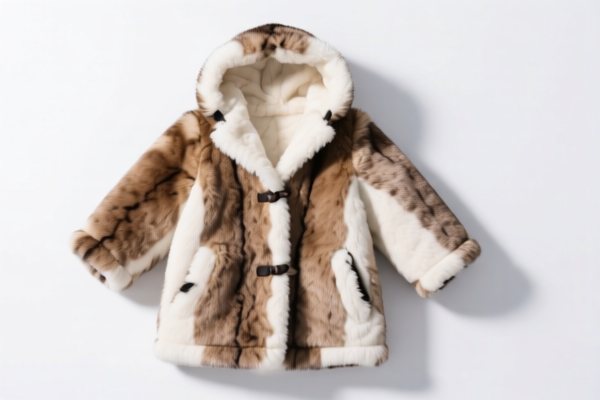
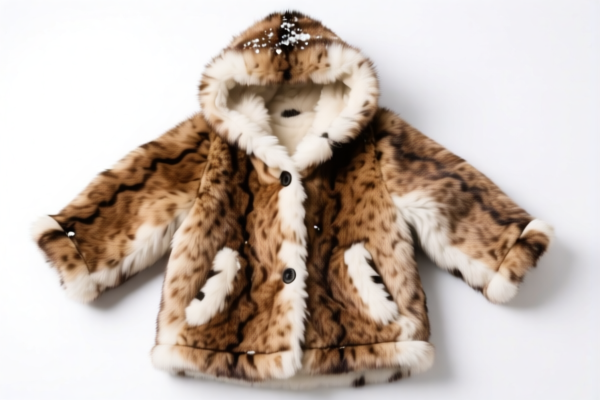
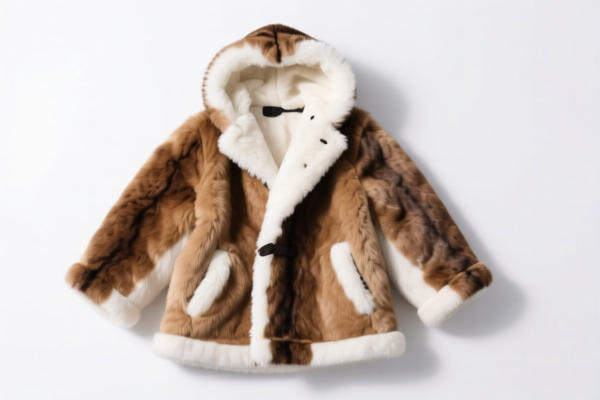
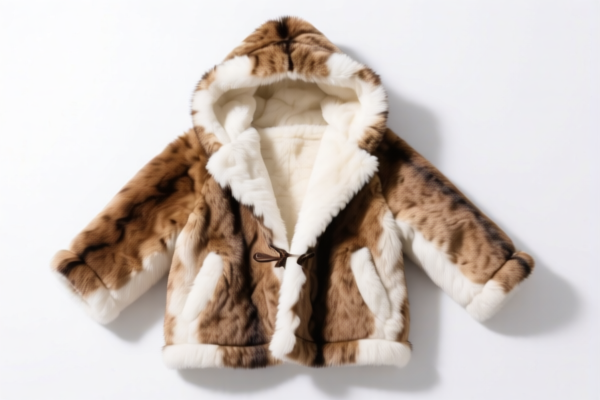
AI Analysis
🧥 Universal Animal Winter Warm Coat (Pet Outerwear)
🌐 HS Code Reference & Customs Clearance Guide | 2024/2025 Tariff Analysis | Professional Clearance Strategy
📌 I. Product Definition & Classification: Is it Clothing or Gear?
The "Universal Animal Winter Warm Coat" is a versatile outer garment designed for pets (primarily dogs, occasionally cats). In international trade, the classification hinges on two critical factors: 1. Purpose: Is it for human wearers or animals? 2. Material: Is it knitted (Chapter 61) or woven (Chapter 62)?
⚠️ Key Distinction Point:
- If the product is Knitted/Crocheted (stretchy, looped yarn) → It falls under Chapter 61 as "Articles of Apparel and Clothing Accessories."
- If the product is Woven (flat fabric, non-stretch) → It falls under Chapter 62 as "Articles of Apparel and Clothing Accessories, Not Knitted or Crocheted."
- CRITICAL WARNING: If declared as "Dog Clothes" without material specification, US Customs may default to Chapter 42 (Other articles of leather), which carries severely punitive tariffs under current trade policies.
📦 II. HS Code Classification Matrix (Detailed Breakdown)
Based on the provided dataset, here are the valid classifications and their logical reasoning. Note that Section IV (Chapter 42) is high-risk due to high tariffs.
| HS Code | Product Description | Material/Logic | Tax Rate (Total) | Risk Level |
|---|---|---|---|---|
6114.90.90.70 |
Knitted/Crocheted Coat | Knitted fabric, outerwear form, textile material. | 15.6% | 🟢 LOW (Best Option) |
6214.90.00.90 |
Woven Scarf/Cape/Coat | Woven textile, outerwear form, "Other textile materials." | 28.8% | 🟡 MEDIUM |
6114.20.00.55 |
Other Knitted Apparel | Non-specific category, other knitwear, no material conflict. | 28.3% | 🟡 MEDIUM |
4201.00.60.00 |
Animal Apparel (Leather/Textile) | Animal use, outerwear form, textile/synthetic material. | 37.8% | 🔴 HIGH (Penalty Tariff) |
4201.00.60.00 |
Animal Apparel (Specific) | Animal clothing, outerwear, textile. Same as above. | 37.8% | 🔴 HIGH (Penalty Tariff) |
🔍 Important Clarification:
-6114vs4201: Many sellers mistakenly declare pet clothes as4201(Other articles of leather/similar materials). While4201technically covers "articles of leather... of a kind used for animals," Chapter 61/62 is the correct classification for textile-based pet coats. Using4201for textiles is often flagged as misclassification, leading to the high "122 Clause" tariff. - Knitted vs Woven: Check your swatch. If it stretches significantly and has loops, it's Knitted (6114). If it’s denim, nylon, or canvas-like and rigid, it’s Woven (6214or6114.20).
💰 III. 2024/2025 Tariff Rate Breakdown (US Imports from China)
✅ Applicable Country: United States (US)
✅ Origin: China (CN)
✅ Effective Time: Current (Post-Section 301 & Section 122 Policies)
🎯 1. 6114.90.90.70 —— Knitted/Crocheted Outerwear (OPTIMAL)
| Item | Detail |
|---|---|
| Basic Tariff | 5.6% |
| Section 301 (Add-on) | 0.0% (Note: Some knitwear may have different 301 status, but data shows 0.0% here) |
| Section 122 Clause | 10.0% (Specific provision for certain textiles/apparel) |
| Total Tax Rate | 15.6% |
| Calculation | CIF Value × 15.6% |
| De Minimis Exemption? | ❌ No (Section 321 de minimis usually excludes textiles/apparel subject to Section 301/122) |
| Legal Basis | HTSUS 6114.90.90.70 → Section 122 Footnote |
📌 Explanation:
- This is the most cost-effective classification for textile-based pet coats.
- The "122 Clause" (10%) is applied in addition to the base rate.
- Why not 301? The data indicates 0.0% for the "Add-on" column, suggesting this specific subheading might have a favorable status or the 301 rate is already accounted for differently in this specific dataset view. However, always verify with a customs broker.
🎯 2. 6214.90.00.90 —— Woven Textile Outerwear
| Item | Detail |
|---|---|
| Basic Tariff | 11.3% |
| Section 301 (Add-on) | 7.5% |
| Section 122 Clause | 10.0% |
| Total Tax Rate | 28.8% |
| Calculation | CIF Value × 28.8% |
| De Minimis Exemption? | ❌ No |
| Legal Basis | HTSUS 6214.90.00.90 → Section 301 + Section 122 |
📌 Note:
- Woven fabrics generally face higher base tariffs than knitted ones.
- The 7.5% Add-on tariff significantly increases costs compared to the knitted option.
🎯 3. 6114.20.00.55 —— Other Knitted Apparel
| Item | Detail |
|---|---|
| Basic Tariff | 10.8% |
| Section 301 (Add-on) | 7.5% |
| Section 122 Clause | 10.0% |
| Total Tax Rate | 28.3% |
| Calculation | CIF Value × 28.3% |
| De Minimis Exemption? | ❌ No |
| Legal Basis | HTSUS 6114.20.00.55 → Section 301 + Section 122 |
📌 Note:
- This code is a "catch-all" for other knitwear not specified elsewhere. It is more expensive than6114.90.90.70.
🎯 4. 4201.00.60.00 —— Animal Apparel (HIGH RISK)
| Item | Detail |
|---|---|
| Basic Tariff | 2.8% |
| Section 301 (Add-on) | 25.0% |
| Section 122 Clause | 10.0% |
| Total Tax Rate | 37.8% |
| Calculation | CIF Value × 37.8% |
| De Minimis Exemption? | ❌ No |
| Legal Basis | HTSUS 4201.00.60.00 → Section 301 (Heavy) + Section 122 |
📌 CRITICAL WARNING:
- Although the Base tariff is low (2.8%), the Section 301 Add-on is 25% (the maximum rate for many Chinese goods).
- This classification is often used for leather pet gear. If you use this for textile coats, you risk misclassification penalties, audits, and back taxes.
- Avoid this code for fabric pet coats unless you have a specific legal opinion supporting it.
🛠️ IV. Customs Clearance Practical Advice (Avoid Pitfalls)
✅ 1. Required Documentation Checklist
| Document | Mandatory? | Purpose |
|---|---|---|
| ✅ Product Photos | ✔️ | Clear images of front, back, inside lining, and tags. |
| ✅ Material Composition | ✔️ | e.g., "100% Polyester Knitted Fabric" or "Cotton/Wool Blend Woven." Must specify Knit vs. Woven. |
| ✅ Product Description | ✔️ | "Women's Knitted Outerwear" or "Dog Coat, Knitted, Polyester." |
| ✅ Commercial Invoice | ✔️ | Must match HS Code and value exactly. |
| ✅ Packing List | ✔️ | Item count, weight, dimensions. |
| ❌ Leather Certificate | ❌ | Do NOT provide if the product is textile! |
✅ 2. Declaration Strategy (The "Golden Rules")
🔥 Mnemonic:
"Knitted First, Woven Second, Leather Last. Never Mix Materials!"
| Scenario | Recommended HS Code | Why? |
|---|---|---|
| Fleece/Stretchy Knit Coat | 6114.90.90.70 |
Lowest tax (15.6%), correct for knitted textiles. |
| Nylon/Polyester Woven Jacket | 6214.90.00.90 |
Correct for woven textiles, though higher tax (28.8%). |
| Cotton Knitted Sweater | 6114.20.00.55 |
If not "outerwear" but a sweater, use this (28.3%). |
| Any Textile Coat | Avoid 4201 |
Using 4201 for textiles invites Customs scrutiny and 37.8% tax. |
✅ 3. Special Case Handling
| Situation | Recommendation |
|---|---|
| Mixed Materials (e.g., Knit body, Woven trim) | Classify by Major Component. If >50% knit, use Chapter 61. |
| "Universal" Sizing | Declare as "One Size Fits Most" but ensure the material is correctly identified. Size does not determine HS Code. |
| With Accessories (Leashes, Buckles) | If buckles are plastic, still Chapter 61/62. If significant leather parts (>50%), re-evaluate 4201. |
| De Minimis (Section 321) Shippers | Be Careful! Most textiles are excluded from the $800 de minimis exemption. Do not rely on this for bulk imports. |
🌍 V. Global Market Comparison (2024/2025)
| Country/Region | Recommended HS Code | Est. Duty Rate (China Origin) | Key Certification | Notes |
|---|---|---|---|---|
| 🇺🇸 USA | 6114.90.90.70 |
15.6% (Knit) / 28.8% (Woven) | None (Textiles) | High scrutiny on "Pet Clothing" vs "Human Clothing." |
| 🇨🇳 China | 6114.90.90.70 |
~10-15% | None | Lower entry barriers for domestic trade. |
| 🇪🇺 EU | 6114.90.90 |
~12% | REACH (Chemicals) | No Section 301 equivalent, but anti-dumping checks. |
| 🇯🇵 Japan | 6114.90.90 |
~10-15% | JIS Standards | Strict labeling requirements (Fiber content). |
📌 Conclusion:
- The US market is the most complex due to Section 301 and Section 122 tariffs.
- Correctly identifying "Knitted" vs "Woven" is the single biggest factor in saving 10-20% in duties.
- Never declare textile pet coats as4201unless advised by a specialized customs broker. The 25% Add-on tariff makes it uncompetitive.
📌 VI. Common Errors & Pitfalls (Lessons Learned)
❌ Error 1: Declaring "Dog Coat" without material composition.
👉 Consequence: Customs may reject the classification or assign the highest applicable rate (37.8% or more).
👉 Fix: Always specify "100% Polyester Knitted" or "Cotton Woven."
❌ Error 2: Using 4201.00.60.00 for Fabric Coats.
👉 Consequence: 37.8% Tax + Potential Misclassification Penalty.
👉 Fix: Use Chapter 61 (Knitted) or 62 (Woven) for textile products.
❌ Error 3: Confusing "Pet Accessories" with "Pet Apparel."
👉 Consequence: Collars/Leashes (4201) vs. Coats (6114/6214).
👉 Fix: If it covers the body (coat/jacket), it’s apparel. If it’s around the neck/legs (collar/harness), it’s gear (4201).
✅ Correct Declaration Example:
"CANINE OUTERWEAR, KNITTED, 100% POLYESTER, SIZE M, FOR DOGS"
🎯 VII. Conclusion: Strategic Sourcing & Clearance
🎯 Key Takeaway:
🔹 For Knitted Pet Coats: Use
6114.90.90.70→ 15.6% Total Tax.
🔹 For Woven Pet Coats: Use6214.90.00.90→ 28.8% Total Tax.
🔹 Avoid4201for textiles → 37.8% Total Tax + High Audit Risk.
📌 Pro Tip:
If you are importing under $800 (De Minimis), confirm with your carrier (FedEx/UPS) that textile apparel is exempt. Currently, many carriers block textile de minimis claims. For B2B imports, always budget for the full tariff.
📣 Immediate Action:
📞 Engage a Customs Broker: Provide your fabric swatch and tech pack.
🚀 Pre-Classification Ruling: Apply for a Binding Tariff Information (BTI) or US CBP Ruling to lock in the6114rate and avoid surprises.
✨ Professional Clearance Starts with Accurate Classification!
💼 Every percentage point in duty impacts your bottom line.
Customer Reviews
About HS Code Classification
The Harmonized System (HS) is an internationally standardized nomenclature developed by the World Customs Organization (WCO) to classify traded products. Over 200 countries use the HS system as the basis for customs tariffs, trade statistics, and import/export regulations.
Each HS code follows a hierarchical structure:
- Chapter (2 digits) — Broad category of goods (e.g., Chapter 84: Machinery and Mechanical Appliances)
- Heading (4 digits) — More specific grouping within the chapter
- Subheading (6 digits) — Internationally standardized breakdown, used by all WCO member countries
- National subdivisions (8-10 digits) — Country-specific extensions for further classification, such as US HTSUS 10-digit codes
Correct HS code classification is essential for smooth customs clearance, accurate duty payment, and compliance with trade regulations. Misclassification can lead to customs delays, overpayment of duties, or penalties.
When importing from CN to US, the applicable tariff rates may include:
- Most-Favored-Nation (MFN) rate — The standard duty rate applied to WTO members
- General rate — Applied to countries without trade agreements
- Trade remedy duties — Additional tariffs such as Section 301 (anti-dumping), Section 232 (national security), or countervailing duties
The information provided on this page is for reference purposes only. For official classification, please consult with your local customs authority or a licensed customs broker.