Unprocessed Sheepskin Raw Material
CN → US| HS编码 | 关税税率 | 原产国 | 目的国 | 文档 |
|---|---|---|---|---|
| 4103901190 | 17.5% | CN | US | 官方文档 |
| 4103901190 | 17.5% | CN | US | 官方文档 |
| 4102291090 | 17.5% | CN | US | 官方文档 |
| 4102101000 | 17.5% | CN | US | 官方文档 |
| 4103901130 | 17.5% | CN | US | 官方文档 |
商品图片
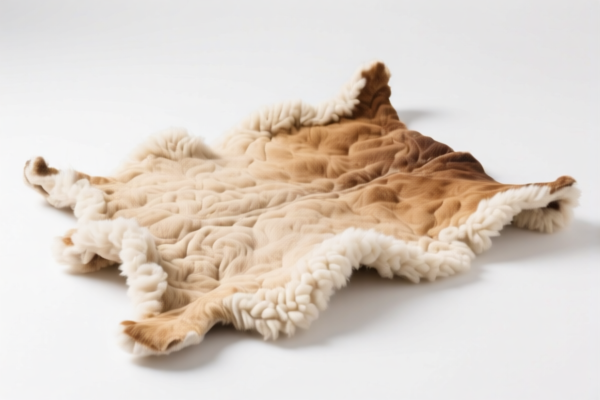
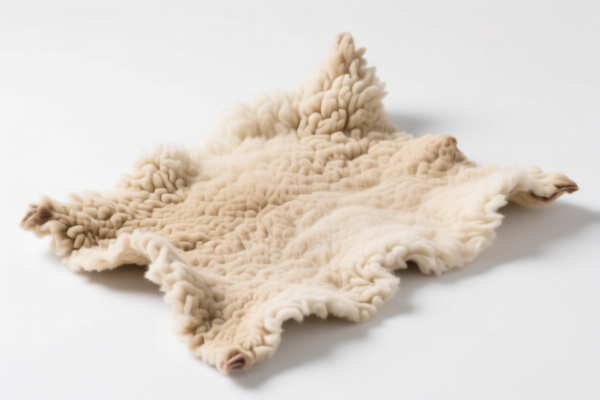
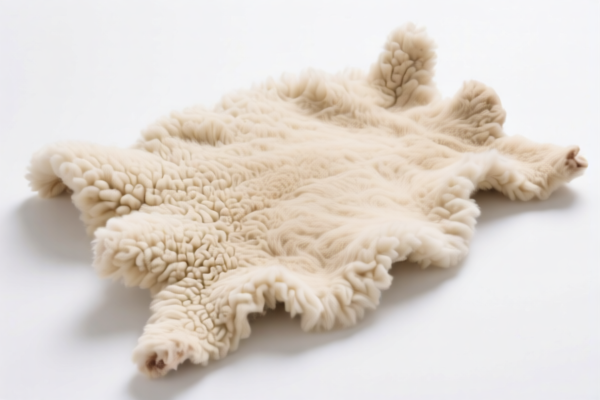
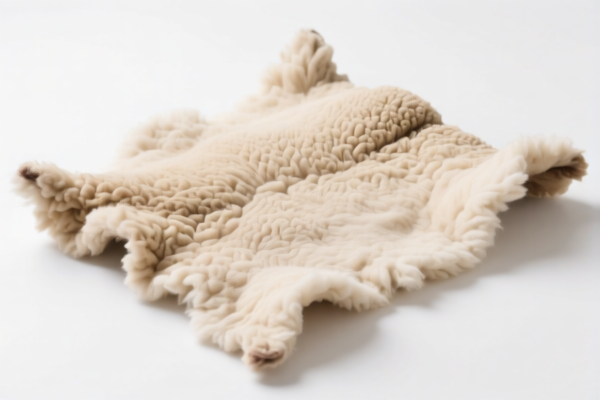
AI分析
🐑 Unprocessed Sheepskin Raw Material (Raw Hides)
🌐 HS Code Reference & Customs Clearance Guide | 2026 Latest Tariff Analysis | Professional-Level Strategy
📌 I. Product Definition & Classification: Do You Really Understand "Raw Sheepskin"?
Raw sheepskin, as a natural animal product, is a critical upstream material for the leather and textile industries. In international trade, its classification hinges strictly on its physical state (dry/wet), processing level (ungtanned/pretanned), and hair status (with/without hair). Misclassification here leads to severe duty penalties and customs delays.
⚠️ Key Distinction Point:
- Fresh/Wet Skins vs. Dry Skins: While often grouped under similar headings, customs authorities distinguish between skins prepared for preservation (e.g., salted, dried) and those already in a specific state of preservation.
- With Hair vs. Without Hair:
- With Hair (Fur/Hide): Generally falls under Heading 4102 (Woolskins) or 4103 (Other hides and skins). Note: Standard sheepskins with fleece are often classified under 4102 if they are "woolskins," but generic "sheepskin" without specific wool characteristics may fall under 4103.
- Without Hair (Split/Scoured): Falls under Heading 4103.
- Ungtanned vs. Pretanned:
- Ungtanned: Never tanned or processed beyond preservation.
- Pretanned: Slightly processed for preservation but not fully tanned.
📦 II. HS Code Classification Details (2026 Latest Tariff Authority Comparison)
Based on the provided data, all classifications point to Sheepskin in various raw states. The specific sub-headings reflect subtle differences in physical preparation.
| HS Code | Product Description | Matching Material & State | Key Characteristics |
|---|---|---|---|
4103.90.11.90 |
Ungtanned Sheepskin (Dry) | Sheepskin; Ungtanned & Dry | Raw material in dry state, no tanning applied. |
4103.90.11.90 |
Ungtanned Sheepskin (Hairless) | Sheepskin; Hairless & Ungtanned | Sheepskin with hair removed, not yet tanned. |
4102.29.10.90 |
Ungtanned Sheepskin (Pre-tanned) | Sheepskin; Hairless & Pre-tanned | Note: Data specifies "Pre-tanned" (Pre-tanned) for this code. |
4102.10.10.00 |
Ungtanned Sheepskin (General) | Sheepskin; Ungtanned | General category for ungtanned sheepskins (typically with hair/wool). |
4103.90.11.30 |
Ungtanned Sheepskin (Specific Class) | Sheepskin; Ungtanned | Specific animal skin classification, ungtanned. |
🔍 Crucial Observation:
- All listed HS Codes carry the SAME total tariff rate (17.5%).
- The distinction lies in the physical description:
-4102codes typically apply to Woolskins (sheepskins with fleece).
-4103codes typically apply to Other Hides and Skins (including sheepskins without fleece, or split skins).
- Consistency is Key: Regardless of whether it’s dry, hairless, or specifically classified, the duty structure remains uniform in this dataset.
💰 III. 2026 Latest Tariff Rate Breakdown (Including Surcharges & Policy Add-ons)
✅ Applicable Country: United States (US)
✅ Origin: China (CN) (Implied by "122 Clause" and typical trade context)
✅ Effective Time: Current as per data snapshot
🎯 1. All Listed HS Codes (4103.90.11.90, 4102.29.10.90, 4102.10.10.00, 4103.90.11.30)
| Item | Content |
|---|---|
| Base Duty Rate | 0.0% (Ad Valorem) |
| Section 301 Surcharge (Added Tariff) | +7.5% |
| Section 122 Surcharge (IEEPA/EO) | +10.0% |
| Total Effective Tax Rate | 17.5% |
| Tax Calculation | CIF Value × 17.5% |
| De Minimis Eligibility | ❌ Not Eligible (Section 301/122 tariffs generally negate de minimis benefits for high-risk categories) |
| Legal Authority Path | Base: 0% → Section 301: 7.5% → Section 122: 10% → Total: 17.5% |
📌 Explanation of Tax Components:
- Base Rate (0%): Sheepskins often have a low or zero MFN (Most Favored Nation) base duty.
- Section 301 (7.5%): A standard additional tariff imposed on many Chinese goods under the U.S.-China trade war.
- Section 122 (10%): Imposed under Section 122 of the Trade Expansion Act of 1962, often for national security or supply chain resilience reasons.
- Total (17.5%): This is a fixed surcharge on top of the base rate. For raw materials, this significantly impacts cost margins.
🛠️ IV. Customs Clearance Practical Advice (Battle-Tested Pitfall Avoidance)
✅ 1. Documentation Checklist (Non-Negotiable)
| Document | Must Provide | Reason |
|---|---|---|
| ✅ Product Description | ✔️ | Must specify: "Sheepskin," "Ungtanned," "Dry/Wet," "With/Without Hair." |
| ✅ Commercial Invoice | ✔️ | Must clearly state HS Code and CIF value. |
| ✅ Packing List | ✔️ | Details weight, number of skins, and preservation method (salted, dried, etc.). |
| ✅ Certificate of Origin | ✔️ | To confirm Chinese origin (triggering Section 301/122). |
| ✅ Health/Sanitary Certificate | ✔️ | Required for animal products to ensure no disease risk. |
| ✅ Photos of Goods | ✔️ | To verify "ungtanned" status (no chemical smell, no dye). |
✅ 2. Declaration Tips (Key Mantras)
🔥 “Describe State, Not Just Name: Dry, Hairless, or Raw?”
| Scenario | Correct Declaration | Wrong Practice |
|---|---|---|
| Dry Sheepskin | 4103.90.11.90 - "Ungtanned Sheepskin, Dry State" |
Just writing "Sheepskin" → Risk of reclassification. |
| Hairless Sheepskin | 4103.90.11.90 - "Ungtanned Sheepskin, Hairless" |
Calling it "Tanned" → Wrong HS Code, higher duty. |
| Woolskin (With Fleece) | 4102.10.10.00 - "Ungtanned Sheepskin, with Wool" |
Misclassifying as 4103 → Potential audit flag. |
| Pretanned Sheepskin | 4102.29.10.90 - "Ungtanned Sheepskin, Pretanned" |
Confusing "Pretanned" with "Fully Tanned" → 4104 (Tanned Leather) has different rates. |
⚠️ Critical Warning:
- Do not use generic terms like "Leather" or "Raw Material" without specifying the state.
- If the sheepskin is salted (wet preservation), it may still fall under these codes, but ensure the description matches "Ungtanned."
- If the sheepskin is already tanned (even lightly), it moves to Heading 4104 or 4105, which may have different tax structures. Ensure it is truly ungtanned.
✅ 3. Special Case Handling
| Situation | Handling Advice |
|---|---|
| Mixed Batches (With/Without Hair) | Separate shipments or declare explicitly to avoid ambiguity. |
| Wet Salted Skins | Ensure proper ventilation in shipping containers to prevent spoilage; declare as "Ungtanned." |
| Pre-Tanned Skins | Provide proof of "pre-tanning" (e.g., chemical treatment reports) to justify 4102.29.10.90. |
| Small Sample Quantities | Even small shipments are subject to 17.5% tariff; do not assume de minimis applies if Section 301/122 applies. |
🌍 V. Global Market Comparison (2026 Latest)
| Country/Region | Recommended HS Code | Tariff (China Origin) | Certification | Notes |
|---|---|---|---|---|
| 🇺🇸 USA | 4103.90.11.90 / 4102.29.10.90 |
17.5% (0% Base + 7.5% 301 + 10% 122) | USDA, CBP | High duty due to trade policies. |
| 🇨🇳 China | 4103.90.11 |
0% | N/A | Import duty free for raw materials. |
| 🇪🇺 EU | 4102.29 / 4103.90 |
4.7% (Standard) | REACH, Ecolabel | No Section 301/122 surcharges. |
| 🇬🇧 UK | 4102.29 / 4103.90 |
4.7% | UKCA | Post-Brexit alignment with EU rates. |
| 🇦🇺 Australia | 4102.29 / 4103.90 |
5% | APVMA | No major surcharges. |
📌 Conclusion:
- The USA is the most expensive market for Chinese raw sheepskin due to the 17.5% cumulative tariff.
- EU, UK, and Australia have significantly lower duties (~5%).
- Strategy: If targeting the US market, factor in the 17.5% cost. If possible, consider sourcing from non-China origins to avoid Section 301/122 tariffs.
📌 VI. Common Mistakes & Pitfall Guide (Blood-Lesson Summary)
❌ Mistake 1: Declaring "Sheepskin" without specifying "Ungtanned"
👉 Consequence: Customs may assume it’s tanned leather (4104), leading to reclassification, penalties, and delays.
❌ Mistake 2: Ignoring the "Section 122" 10% surcharge
👉 Consequence: Underpaying duty by 10% → Severe fines and potential loss of import privileges.
❌ Mistake 3: Confusing "Pretanned" with "Tanned"
👉 Consequence: 4102.29.10.90 (Pretanned) vs. 4104 (Tanned) have different regulatory requirements. Misdeclaration can lead to seizure.
❌ Mistake 4: Not providing sanitary certificates
👉 Consequence: Animal products are high-risk. Missing docs = Hold at port, potential destruction.
✅ Correct Practice:
“Sheepskin, Ungtanned, Dry, Without Hair, 100% Natural, Chinese Origin, HS 4103.90.11.90”
🎯 VII. Conclusion: Precision Classification, Cost Control!
🎯 Remember the Mantra:
🔹 “State Matters: Dry, Hairless, or Raw? Declare It!”
🔹 “17.5% is the US Price: 0% Base + 7.5% 301 + 10% 122.”
🔹 “Animal Products Need Sanitary Certs: No Docs, No Entry.”
📌 Pro Tip:
If you are exporting large volumes to the US, consider:
1. Pre-Arrival Review Program (PARP): Get an advance ruling on your HS Code.
2. Supply Chain Diversification: Source sheepskins from Vietnam, Turkey, or Australia to avoid Chinese origin surcharges.
3. Duty Drawback: If you export finished leather goods from these raw skins, explore duty drawback programs to reclaim some tariffs.
📣 Immediate Action:
📞 Contact a licensed customs broker + Provide sample photos + Request HS Code Pre-Ruling
🚀 Clear Customs Smoothly, Control Costs, Maximize Profits!
✨ Professional Customs Clearance Starts with Accurate Classification!
💼 Every cent of tax matters in raw material trade!
用户评价
关于 HS 编码归类
协调制度(HS)是由世界海关组织(WCO)制定的国际贸易商品分类标准。全球 200 多个国家采用 HS 系统作为海关关税、贸易统计和进出口监管的基础。
每个 HS 编码遵循以下层级结构:
- 章(2 位)——商品大类(例如:第 84 章:机器和机械设备)
- 品目(4 位)——章内的更具体分类
- 子目(6 位)——国际通用细分,所有 WCO 成员国统一使用
- 本国细分(8-10 位)——各国自行扩展的细分编码,如美国 HTSUS 10 位编码
正确的 HS 编码归类对于顺利通关、准确缴纳关税和遵守贸易法规至关重要。错误归类可能导致海关延误、多缴关税或罚款。
从CN进口到US时,适用的关税税率可能包括:
- 最惠国(MFN)税率——适用于 WTO 成员国的标准关税税率
- 普通税率——适用于无贸易协定国家
- 贸易救济关税——附加关税,如 301 条款(反倾销)、232 条款(国家安全)或反补贴税
本页内容仅供参考。如需正式归类,请咨询当地海关或持牌报关代理。