Unprocessed Sheepskin Raw Material
CN → US| HS Code | Tariff Rate | Origin | Destination | Doc |
|---|---|---|---|---|
| 4103901190 | 17.5% | CN | US | Official Doc |
| 4103901190 | 17.5% | CN | US | Official Doc |
| 4102291090 | 17.5% | CN | US | Official Doc |
| 4102101000 | 17.5% | CN | US | Official Doc |
| 4103901130 | 17.5% | CN | US | Official Doc |
Product Images
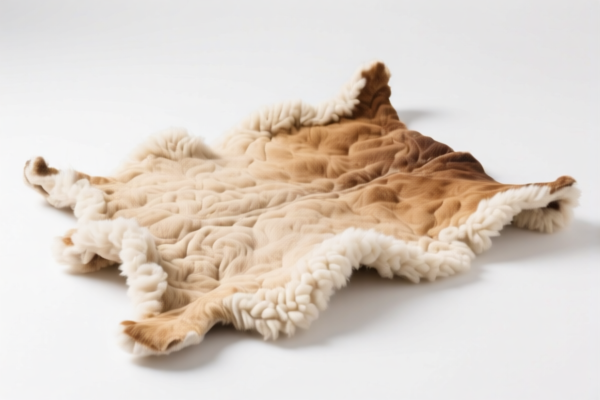
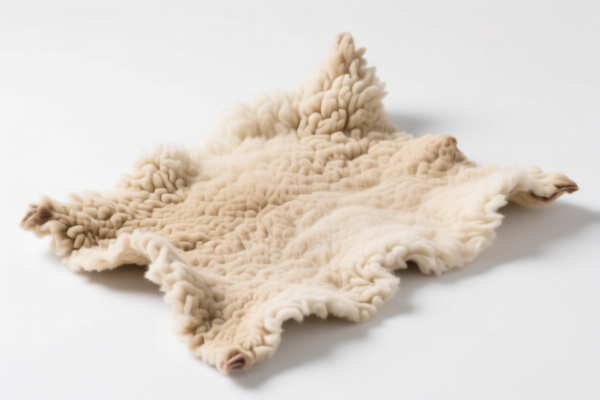
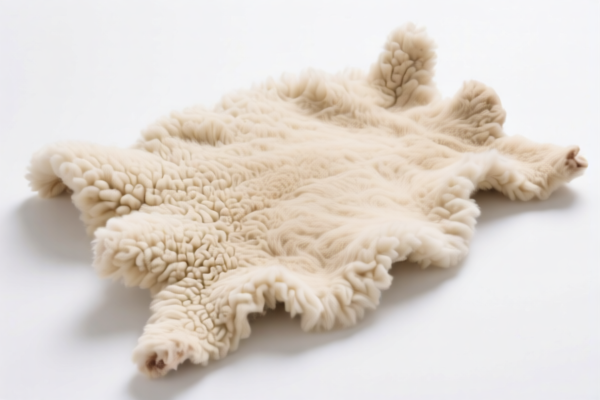
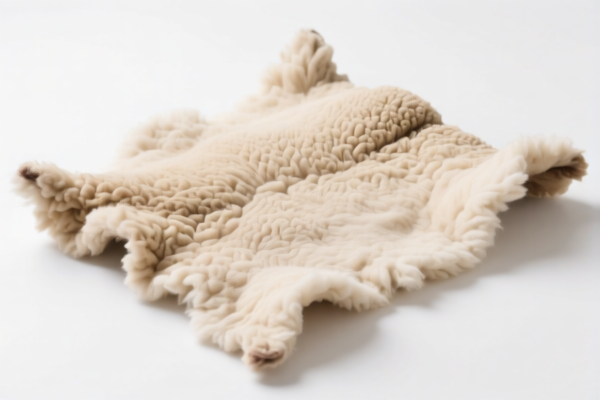
AI Analysis
🐑 Unprocessed Sheepskin Raw Material (Raw Hides)
🌐 HS Code Reference & Customs Clearance Guide | 2026 Latest Tariff Analysis | Professional-Level Strategy
📌 I. Product Definition & Classification: Do You Really Understand "Raw Sheepskin"?
Raw sheepskin, as a natural animal product, is a critical upstream material for the leather and textile industries. In international trade, its classification hinges strictly on its physical state (dry/wet), processing level (ungtanned/pretanned), and hair status (with/without hair). Misclassification here leads to severe duty penalties and customs delays.
⚠️ Key Distinction Point:
- Fresh/Wet Skins vs. Dry Skins: While often grouped under similar headings, customs authorities distinguish between skins prepared for preservation (e.g., salted, dried) and those already in a specific state of preservation.
- With Hair vs. Without Hair:
- With Hair (Fur/Hide): Generally falls under Heading 4102 (Woolskins) or 4103 (Other hides and skins). Note: Standard sheepskins with fleece are often classified under 4102 if they are "woolskins," but generic "sheepskin" without specific wool characteristics may fall under 4103.
- Without Hair (Split/Scoured): Falls under Heading 4103.
- Ungtanned vs. Pretanned:
- Ungtanned: Never tanned or processed beyond preservation.
- Pretanned: Slightly processed for preservation but not fully tanned.
📦 II. HS Code Classification Details (2026 Latest Tariff Authority Comparison)
Based on the provided data, all classifications point to Sheepskin in various raw states. The specific sub-headings reflect subtle differences in physical preparation.
| HS Code | Product Description | Matching Material & State | Key Characteristics |
|---|---|---|---|
4103.90.11.90 |
Ungtanned Sheepskin (Dry) | Sheepskin; Ungtanned & Dry | Raw material in dry state, no tanning applied. |
4103.90.11.90 |
Ungtanned Sheepskin (Hairless) | Sheepskin; Hairless & Ungtanned | Sheepskin with hair removed, not yet tanned. |
4102.29.10.90 |
Ungtanned Sheepskin (Pre-tanned) | Sheepskin; Hairless & Pre-tanned | Note: Data specifies "Pre-tanned" (Pre-tanned) for this code. |
4102.10.10.00 |
Ungtanned Sheepskin (General) | Sheepskin; Ungtanned | General category for ungtanned sheepskins (typically with hair/wool). |
4103.90.11.30 |
Ungtanned Sheepskin (Specific Class) | Sheepskin; Ungtanned | Specific animal skin classification, ungtanned. |
🔍 Crucial Observation:
- All listed HS Codes carry the SAME total tariff rate (17.5%).
- The distinction lies in the physical description:
-4102codes typically apply to Woolskins (sheepskins with fleece).
-4103codes typically apply to Other Hides and Skins (including sheepskins without fleece, or split skins).
- Consistency is Key: Regardless of whether it’s dry, hairless, or specifically classified, the duty structure remains uniform in this dataset.
💰 III. 2026 Latest Tariff Rate Breakdown (Including Surcharges & Policy Add-ons)
✅ Applicable Country: United States (US)
✅ Origin: China (CN) (Implied by "122 Clause" and typical trade context)
✅ Effective Time: Current as per data snapshot
🎯 1. All Listed HS Codes (4103.90.11.90, 4102.29.10.90, 4102.10.10.00, 4103.90.11.30)
| Item | Content |
|---|---|
| Base Duty Rate | 0.0% (Ad Valorem) |
| Section 301 Surcharge (Added Tariff) | +7.5% |
| Section 122 Surcharge (IEEPA/EO) | +10.0% |
| Total Effective Tax Rate | 17.5% |
| Tax Calculation | CIF Value × 17.5% |
| De Minimis Eligibility | ❌ Not Eligible (Section 301/122 tariffs generally negate de minimis benefits for high-risk categories) |
| Legal Authority Path | Base: 0% → Section 301: 7.5% → Section 122: 10% → Total: 17.5% |
📌 Explanation of Tax Components:
- Base Rate (0%): Sheepskins often have a low or zero MFN (Most Favored Nation) base duty.
- Section 301 (7.5%): A standard additional tariff imposed on many Chinese goods under the U.S.-China trade war.
- Section 122 (10%): Imposed under Section 122 of the Trade Expansion Act of 1962, often for national security or supply chain resilience reasons.
- Total (17.5%): This is a fixed surcharge on top of the base rate. For raw materials, this significantly impacts cost margins.
🛠️ IV. Customs Clearance Practical Advice (Battle-Tested Pitfall Avoidance)
✅ 1. Documentation Checklist (Non-Negotiable)
| Document | Must Provide | Reason |
|---|---|---|
| ✅ Product Description | ✔️ | Must specify: "Sheepskin," "Ungtanned," "Dry/Wet," "With/Without Hair." |
| ✅ Commercial Invoice | ✔️ | Must clearly state HS Code and CIF value. |
| ✅ Packing List | ✔️ | Details weight, number of skins, and preservation method (salted, dried, etc.). |
| ✅ Certificate of Origin | ✔️ | To confirm Chinese origin (triggering Section 301/122). |
| ✅ Health/Sanitary Certificate | ✔️ | Required for animal products to ensure no disease risk. |
| ✅ Photos of Goods | ✔️ | To verify "ungtanned" status (no chemical smell, no dye). |
✅ 2. Declaration Tips (Key Mantras)
🔥 “Describe State, Not Just Name: Dry, Hairless, or Raw?”
| Scenario | Correct Declaration | Wrong Practice |
|---|---|---|
| Dry Sheepskin | 4103.90.11.90 - "Ungtanned Sheepskin, Dry State" |
Just writing "Sheepskin" → Risk of reclassification. |
| Hairless Sheepskin | 4103.90.11.90 - "Ungtanned Sheepskin, Hairless" |
Calling it "Tanned" → Wrong HS Code, higher duty. |
| Woolskin (With Fleece) | 4102.10.10.00 - "Ungtanned Sheepskin, with Wool" |
Misclassifying as 4103 → Potential audit flag. |
| Pretanned Sheepskin | 4102.29.10.90 - "Ungtanned Sheepskin, Pretanned" |
Confusing "Pretanned" with "Fully Tanned" → 4104 (Tanned Leather) has different rates. |
⚠️ Critical Warning:
- Do not use generic terms like "Leather" or "Raw Material" without specifying the state.
- If the sheepskin is salted (wet preservation), it may still fall under these codes, but ensure the description matches "Ungtanned."
- If the sheepskin is already tanned (even lightly), it moves to Heading 4104 or 4105, which may have different tax structures. Ensure it is truly ungtanned.
✅ 3. Special Case Handling
| Situation | Handling Advice |
|---|---|
| Mixed Batches (With/Without Hair) | Separate shipments or declare explicitly to avoid ambiguity. |
| Wet Salted Skins | Ensure proper ventilation in shipping containers to prevent spoilage; declare as "Ungtanned." |
| Pre-Tanned Skins | Provide proof of "pre-tanning" (e.g., chemical treatment reports) to justify 4102.29.10.90. |
| Small Sample Quantities | Even small shipments are subject to 17.5% tariff; do not assume de minimis applies if Section 301/122 applies. |
🌍 V. Global Market Comparison (2026 Latest)
| Country/Region | Recommended HS Code | Tariff (China Origin) | Certification | Notes |
|---|---|---|---|---|
| 🇺🇸 USA | 4103.90.11.90 / 4102.29.10.90 |
17.5% (0% Base + 7.5% 301 + 10% 122) | USDA, CBP | High duty due to trade policies. |
| 🇨🇳 China | 4103.90.11 |
0% | N/A | Import duty free for raw materials. |
| 🇪🇺 EU | 4102.29 / 4103.90 |
4.7% (Standard) | REACH, Ecolabel | No Section 301/122 surcharges. |
| 🇬🇧 UK | 4102.29 / 4103.90 |
4.7% | UKCA | Post-Brexit alignment with EU rates. |
| 🇦🇺 Australia | 4102.29 / 4103.90 |
5% | APVMA | No major surcharges. |
📌 Conclusion:
- The USA is the most expensive market for Chinese raw sheepskin due to the 17.5% cumulative tariff.
- EU, UK, and Australia have significantly lower duties (~5%).
- Strategy: If targeting the US market, factor in the 17.5% cost. If possible, consider sourcing from non-China origins to avoid Section 301/122 tariffs.
📌 VI. Common Mistakes & Pitfall Guide (Blood-Lesson Summary)
❌ Mistake 1: Declaring "Sheepskin" without specifying "Ungtanned"
👉 Consequence: Customs may assume it’s tanned leather (4104), leading to reclassification, penalties, and delays.
❌ Mistake 2: Ignoring the "Section 122" 10% surcharge
👉 Consequence: Underpaying duty by 10% → Severe fines and potential loss of import privileges.
❌ Mistake 3: Confusing "Pretanned" with "Tanned"
👉 Consequence: 4102.29.10.90 (Pretanned) vs. 4104 (Tanned) have different regulatory requirements. Misdeclaration can lead to seizure.
❌ Mistake 4: Not providing sanitary certificates
👉 Consequence: Animal products are high-risk. Missing docs = Hold at port, potential destruction.
✅ Correct Practice:
“Sheepskin, Ungtanned, Dry, Without Hair, 100% Natural, Chinese Origin, HS 4103.90.11.90”
🎯 VII. Conclusion: Precision Classification, Cost Control!
🎯 Remember the Mantra:
🔹 “State Matters: Dry, Hairless, or Raw? Declare It!”
🔹 “17.5% is the US Price: 0% Base + 7.5% 301 + 10% 122.”
🔹 “Animal Products Need Sanitary Certs: No Docs, No Entry.”
📌 Pro Tip:
If you are exporting large volumes to the US, consider:
1. Pre-Arrival Review Program (PARP): Get an advance ruling on your HS Code.
2. Supply Chain Diversification: Source sheepskins from Vietnam, Turkey, or Australia to avoid Chinese origin surcharges.
3. Duty Drawback: If you export finished leather goods from these raw skins, explore duty drawback programs to reclaim some tariffs.
📣 Immediate Action:
📞 Contact a licensed customs broker + Provide sample photos + Request HS Code Pre-Ruling
🚀 Clear Customs Smoothly, Control Costs, Maximize Profits!
✨ Professional Customs Clearance Starts with Accurate Classification!
💼 Every cent of tax matters in raw material trade!
Customer Reviews
About HS Code Classification
The Harmonized System (HS) is an internationally standardized nomenclature developed by the World Customs Organization (WCO) to classify traded products. Over 200 countries use the HS system as the basis for customs tariffs, trade statistics, and import/export regulations.
Each HS code follows a hierarchical structure:
- Chapter (2 digits) — Broad category of goods (e.g., Chapter 84: Machinery and Mechanical Appliances)
- Heading (4 digits) — More specific grouping within the chapter
- Subheading (6 digits) — Internationally standardized breakdown, used by all WCO member countries
- National subdivisions (8-10 digits) — Country-specific extensions for further classification, such as US HTSUS 10-digit codes
Correct HS code classification is essential for smooth customs clearance, accurate duty payment, and compliance with trade regulations. Misclassification can lead to customs delays, overpayment of duties, or penalties.
When importing from CN to US, the applicable tariff rates may include:
- Most-Favored-Nation (MFN) rate — The standard duty rate applied to WTO members
- General rate — Applied to countries without trade agreements
- Trade remedy duties — Additional tariffs such as Section 301 (anti-dumping), Section 232 (national security), or countervailing duties
The information provided on this page is for reference purposes only. For official classification, please consult with your local customs authority or a licensed customs broker.