Unselected Fleece
CN → US| HS编码 | 关税税率 | 原产国 | 目的国 | 文档 |
|---|---|---|---|---|
| 6001102000 | 52.2% | CN | US | 官方文档 |
| 6001106000 | 44.0% | CN | US | 官方文档 |
| 6006100000 | 45.0% | CN | US | 官方文档 |
| 6006909000 | 35.0% | CN | US | 官方文档 |
商品图片
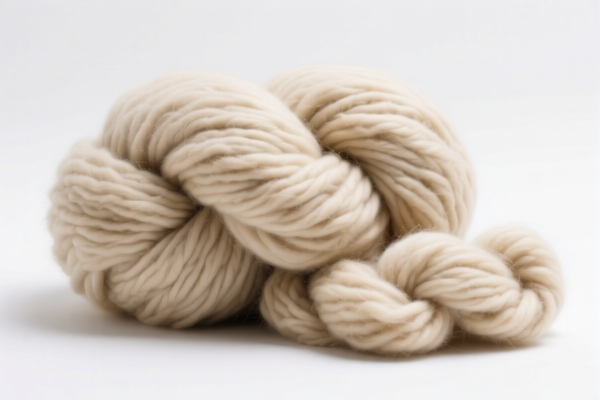
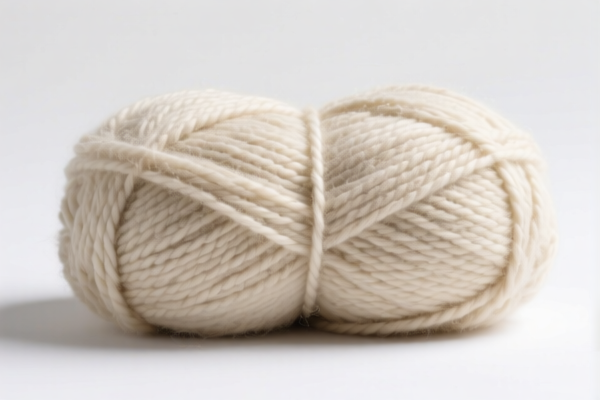


AI分析
🧥 Fleece Fabric (Fleece Material)
🌐 HS Code Reference & Customs Clearance Guide | 2026 Latest Tariff Analysis | Professional Clearance Strategy
📌 I. Product Definition & Classification: What Exactly is "Fleece"?
Fleece fabric, a staple in outdoor gear and casual wear, is technically defined as a synthetic fiber fabric (usually polyester) with a napped or piled surface created by mechanical brushing or shearing. In international trade, its classification depends heavily on: 1. Construction Method: Is it knitted (most common) or woven? 2. Fabric Structure: Is it a long-pile fabric (heavy fleece) or a short-pile/knitted pile? 3. Material Composition: Primarily synthetic fibers (polyester).
⚠️ Critical Distinction:
- "Fleece" is not a single HS Code. It is a generic term.
- If it has a thick, long pile resembling wool, it may fall under Long Pile Fabrics.
- If it is a standard knitted polyester fabric with a brushed surface, it falls under Other Knitted or Crocheted Fabrics.
- Misclassification leads to drastic duty differences (from 35% to 52.2%).
📦 II. HS Code Classification Details (2026 Latest Tariff Authority Comparison)
Based on the provided data, here are the four potential classifications for Fleece Fabric imported into the US from China:
| HS Code | Product Description | Key Characteristics | Typical Use Case |
|---|---|---|---|
6001.10.20.00 |
Napped Fabrics, Made of Synthetic Fibers | Fabric with a raised surface (nap), specifically polyester/synthetic. High pile density. | Heavyweight winter fleece, polar fleece, high-pile outerwear fabrics. |
6001.10.60.00 |
Other Napped Fabrics, Knitted or Crocheted | Knitted structure with long pile, but not strictly classified under the "synthetic fiber" sub-heading above due to specific textile structure definitions. | Medium-weight knitted fleece, athletic wear materials. |
6006.10.00.00 |
Knitted or Crocheted Fabrics, Made of Synthetic Fibers | Standard knitted fabric. The "fleece" effect is achieved via brushing, but the base fabric is a standard synthetic knit. | Standard polyester fleece jackets, lightweight linings, fleece blends. |
6006.90.90.00 |
Other Knitted or Crocheted Fabrics, Not Elsewhere Specified | Catch-all category for knitted fabrics that don't fit specific fiber-type subheadings (e.g., mixed fibers or specific constructions not covered elsewhere). | Mixed material fleece blends, niche textile constructions. |
🔍 Key Insight:
- The biggest tax disparity lies between6001.10.20.00(52.2%) and6006.90.90.00(35.0%).
- Customs authorities scrutinize whether the fabric is "Napped" (绒面) under Chapter 60.10 vs. just a "Knitted Fabric" (针织物) under Chapter 60.06.
- "Napped" (60.10) implies a more complex surface treatment (longer, denser pile), often attracting higher scrutiny and potentially higher duties if not carefully justified.
💰 III. 2026 Latest Tariff Rate Details (Including Additional Duties)
✅ Applicable Country: United States (US)
✅ Origin: China (CN)
✅ Effective Date: 2025/2026 (Current Trade Environment)
🎯 1. 6001.10.20.00 —— Napped Fabrics, Synthetic Fibers (Highest Risk)
| Item | Detail |
|---|---|
| Base Duty | 17.2% |
| Section 301 Duty (Add-on) | +25.0% |
| Section 122 Duty (IEEPA) | +10.0% |
| Total Duty Rate | 52.2% |
| Tax Calculation | CIF Value × 52.2% |
| De Minimis Eligibility | ❌ NO (Cannot use $800 de minimis) |
| Legal Basis | Section 301 → Section 122 (IEEPA) → HTSUS 6001.10.20.00 |
📌 Explanation:
- This code attracts the full burden of US trade tariffs.
- The 17.2% base is already high for textiles.
- Adding 25% (Section 301) and 10% (Section 122) makes it one of the most expensive textile imports.
- Risk: High. Customs may challenge the "napped" definition if the pile is not sufficiently long/dense.
🎯 2. 6001.10.60.00 —— Other Napped Fabrics, Knitted/Crocheted
| Item | Detail |
|---|---|
| Base Duty | 9.0% |
| Section 301 Duty (Add-on) | +25.0% |
| Section 122 Duty (IEEPA) | +10.0% |
| Total Duty Rate | 44.0% |
| Tax Calculation | CIF Value × 44.0% |
| De Minimis Eligibility | ❌ NO |
| Legal Basis | Section 301 → Section 122 (IEEPA) → HTSUS 6001.10.60.00 |
📌 Note:
- Slightly lower base duty (9.0%) than the first code.
- Still subject to full 35% in additional tariffs.
- Applicable if the fabric is knitted with a pile but doesn't meet the strict "synthetic fiber napped" definition of the previous code.
🎯 3. 6006.10.00.00 —— Knitted Fabrics, Synthetic Fibers
| Item | Detail |
|---|---|
| Base Duty | 10.0% |
| Section 301 Duty (Add-on) | +25.0% |
| Section 122 Duty (IEEPA) | +10.0% |
| Total Duty Rate | 45.0% |
| Tax Calculation | CIF Value × 45.0% |
| De Minimis Eligibility | ❌ NO |
| Legal Basis | Section 301 → Section 122 (IEEPA) → HTSUS 6006.10.00.00 |
📌 Note:
- Often used for standard polyester fleece that is brushed but not classified as "long-pile napped fabric" under 60.10.
- Total duty is 45%, saving 7.2% compared to6001.10.20.00.
🎯 4. 6006.90.90.00 —— Other Knitted Fabrics (Lowest Duty)
| Item | Detail |
|---|---|
| Base Duty | 0.0% |
| Section 301 Duty (Add-on) | +25.0% |
| Section 122 Duty (IEEPA) | +10.0% |
| Total Duty Rate | 35.0% |
| Tax Calculation | CIF Value × 35.0% |
| De Minimis Eligibility | ❌ NO |
| Legal Basis | Section 301 → Section 122 (IEEPA) → HTSUS 6006.90.90.00 |
📌 Note:
- Lowest Total Duty (35%).
- Applicable if the fabric is a knitted synthetic blend that doesn't fit the specific "synthetic fiber" subheadings or if the pile structure is considered standard knit.
- Caution: Must ensure the product truly qualifies as "Other" and not a specific synthetic knit (which might fall under 6006.10 with a 10% base).
🛠️ IV. Customs Clearance Practical Advice (Avoid Pitfalls)
✅ 1. Preparation Checklist (Non-Negotiable)
| Document | Required? | Purpose |
|---|---|---|
| ✅ Technical Specification Sheet | ✔️ | Details fabric weight (GSM), pile height, fiber content (e.g., 100% Polyester), and construction (Knitted/Woven). |
| ✅ Fabric Swatch/Photos | ✔️ | Visual proof of the "nap" or pile structure. Crucial for distinguishing between 60.10 (Napped) and 60.06 (Knitted). |
| ✅ Commercial Invoice | ✔️ | Must clearly state "Fleece Fabric, Polyester, Knitted" and NOT just "Fabric." |
| ✅ Packing List | ✔️ | Confirm dimensions and weight to avoid volume disputes. |
| ✅ Origin Certificate | ✔️ | Proof of China origin to apply correct Section 301/122 duties. |
✅ 2. Declaration Tips (Key Mantra)
🔥 "Define the Pile, Define the Knit, Choose Wisely!"
| Scenario | Recommended HS Code | Why? |
|---|---|---|
| Heavy, thick, long-pile fleece (e.g., Polar Fleece) | 6001.10.20.00 or 6001.10.60.00 |
High pile density qualifies it as "Napped Fabric." |
| Standard, lightweight brushed fleece | 6006.10.00.00 |
Brushed surface doesn't always equal "Napped" under 60.10. |
| Mixed fiber fleece (e.g., Poly/Cotton blend) | 6006.90.90.00 |
If not 100% synthetic, it may fall into "Other." |
| Woven Fleece (Rare) | Different Chapter (54/55) | Check if it's truly woven; if so, 60.xx codes are wrong. |
✅ 3. Special Handling
| Situation | Strategy |
|---|---|
| OEM Custom Fleece | Provide customer design specs to prove it's a standard garment material, not a specialized "napped" industrial fabric. |
| Mixed Shipment | Declare each fabric type separately. Do not mix 6001 and 6006 codes in one line item. |
| Dispute on "Napped" | If customs argues your brushed fabric is "Napped" (higher tax), provide technical data showing pile height < threshold for 60.10. |
| De Minimis Exploitation | ❌ Do not attempt. Fleece fabrics are explicitly excluded from Section 321 de minimis relief for China-origin goods due to Section 301/122. |
🌍 V. Global Market Comparison (2026)
| Market | Recommended HS Code | Approx. Total Duty (CN Origin) | Notes |
|---|---|---|---|
| 🇺🇸 USA | 6006.90.90.00 |
35.0% | Lowest possible if qualified. |
| 🇪🇺 EU | 6006.90.90 | ~12% | No Section 301/122 equivalents. Much cheaper. |
| 🇨🇳 China | 6006.90.90 | ~9% | Low base duty, no additional tariffs. |
| 🇬🇧 UK | 6006.90.90 | ~12% | Post-Brexit tariffs apply. |
📌 Conclusion:
- The US market is uniquely expensive for Chinese textile imports due to Section 301 (25%) and Section 122 (10%).
- Strategy: Aim for6006.90.90.00(35%) if the fabric construction allows. Avoid6001.10.20.00(52.2%) unless the product is strictly defined as high-pile napped fabric.
📌 VI. Common Errors & Pitfalls (Blood & Tears)
❌ Error 1: Declaring all fleece as 6006.10.00.00 to save tax.
👉 Consequence: If customs verifies it is "Napped Fabric" (60.10), you face back taxes, penalties, and potential seizure.
❌ Error 2: Using "De Minimis" ($800) for bulk fleece shipments.
👉 Consequence: Package rejected or seized. Section 301/122 goods are NOT eligible for de minimis.
❌ Error 3: Vague Description: "Fleece."
👉 Consequence: Customs examiner has discretion. They may choose the highest duty code based on visual inspection.
❌ Error 4: Ignoring Fiber Composition.
👉 Consequence: If it's 50% Cotton/50% Polyester, 6001.10.20.00 (Synthetic) is incorrect. Must use "Other" codes, which may have different rates.
✅ Correct Action:
"100% Polyester Knitted Fleece Fabric, Brushed Surface, 300 GSM, for Outdoor Jackets, Model XYZ"
🎯 VII. Conclusion: Precision Saves Money!
🎯 Remember the Mantra:
🔹 "Napped is High Tax (52%), Knitted is Lower (35-45%)."
🔹 "301 + 122 = 35% Extra. Don't Pay 52% if you can Pay 35%."
🔹 "De Minimis is DEAD for China Fleece."
📌 Pro Tip:
If your fleece is made in Vietnam, Bangladesh, or Indonesia, you may qualify for lower or zero Section 301/122 tariffs.
Consider supply chain diversification if US duties make the product uncompetitive.
📣 Immediate Action:
📞 Consult a Customs Broker before shipping.
📄 Request an Advance Ruling from US Customs (CBP) if shipment volume is high.
🚀 Optimize Your HS Code to save up to 17% in duties.
✨ Professional Clearance Starts with Accurate Classification!
💼 Every Percent Counts in Global Trade!
用户评价
关于 HS 编码归类
协调制度(HS)是由世界海关组织(WCO)制定的国际贸易商品分类标准。全球 200 多个国家采用 HS 系统作为海关关税、贸易统计和进出口监管的基础。
每个 HS 编码遵循以下层级结构:
- 章(2 位)——商品大类(例如:第 84 章:机器和机械设备)
- 品目(4 位)——章内的更具体分类
- 子目(6 位)——国际通用细分,所有 WCO 成员国统一使用
- 本国细分(8-10 位)——各国自行扩展的细分编码,如美国 HTSUS 10 位编码
正确的 HS 编码归类对于顺利通关、准确缴纳关税和遵守贸易法规至关重要。错误归类可能导致海关延误、多缴关税或罚款。
从CN进口到US时,适用的关税税率可能包括:
- 最惠国(MFN)税率——适用于 WTO 成员国的标准关税税率
- 普通税率——适用于无贸易协定国家
- 贸易救济关税——附加关税,如 301 条款(反倾销)、232 条款(国家安全)或反补贴税
本页内容仅供参考。如需正式归类,请咨询当地海关或持牌报关代理。