Unselected Fleece
CN → US| HS Code | Tariff Rate | Origin | Destination | Doc |
|---|---|---|---|---|
| 6001102000 | 52.2% | CN | US | Official Doc |
| 6001106000 | 44.0% | CN | US | Official Doc |
| 6006100000 | 45.0% | CN | US | Official Doc |
| 6006909000 | 35.0% | CN | US | Official Doc |
Product Images
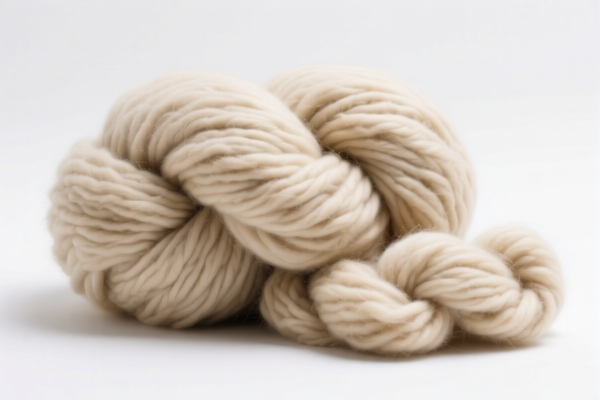
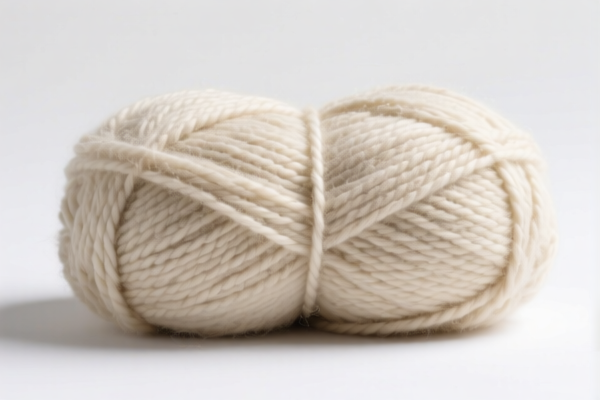


AI Analysis
🧥 Fleece Fabric (Fleece Material)
🌐 HS Code Reference & Customs Clearance Guide | 2026 Latest Tariff Analysis | Professional Clearance Strategy
📌 I. Product Definition & Classification: What Exactly is "Fleece"?
Fleece fabric, a staple in outdoor gear and casual wear, is technically defined as a synthetic fiber fabric (usually polyester) with a napped or piled surface created by mechanical brushing or shearing. In international trade, its classification depends heavily on: 1. Construction Method: Is it knitted (most common) or woven? 2. Fabric Structure: Is it a long-pile fabric (heavy fleece) or a short-pile/knitted pile? 3. Material Composition: Primarily synthetic fibers (polyester).
⚠️ Critical Distinction:
- "Fleece" is not a single HS Code. It is a generic term.
- If it has a thick, long pile resembling wool, it may fall under Long Pile Fabrics.
- If it is a standard knitted polyester fabric with a brushed surface, it falls under Other Knitted or Crocheted Fabrics.
- Misclassification leads to drastic duty differences (from 35% to 52.2%).
📦 II. HS Code Classification Details (2026 Latest Tariff Authority Comparison)
Based on the provided data, here are the four potential classifications for Fleece Fabric imported into the US from China:
| HS Code | Product Description | Key Characteristics | Typical Use Case |
|---|---|---|---|
6001.10.20.00 |
Napped Fabrics, Made of Synthetic Fibers | Fabric with a raised surface (nap), specifically polyester/synthetic. High pile density. | Heavyweight winter fleece, polar fleece, high-pile outerwear fabrics. |
6001.10.60.00 |
Other Napped Fabrics, Knitted or Crocheted | Knitted structure with long pile, but not strictly classified under the "synthetic fiber" sub-heading above due to specific textile structure definitions. | Medium-weight knitted fleece, athletic wear materials. |
6006.10.00.00 |
Knitted or Crocheted Fabrics, Made of Synthetic Fibers | Standard knitted fabric. The "fleece" effect is achieved via brushing, but the base fabric is a standard synthetic knit. | Standard polyester fleece jackets, lightweight linings, fleece blends. |
6006.90.90.00 |
Other Knitted or Crocheted Fabrics, Not Elsewhere Specified | Catch-all category for knitted fabrics that don't fit specific fiber-type subheadings (e.g., mixed fibers or specific constructions not covered elsewhere). | Mixed material fleece blends, niche textile constructions. |
🔍 Key Insight:
- The biggest tax disparity lies between6001.10.20.00(52.2%) and6006.90.90.00(35.0%).
- Customs authorities scrutinize whether the fabric is "Napped" (绒面) under Chapter 60.10 vs. just a "Knitted Fabric" (针织物) under Chapter 60.06.
- "Napped" (60.10) implies a more complex surface treatment (longer, denser pile), often attracting higher scrutiny and potentially higher duties if not carefully justified.
💰 III. 2026 Latest Tariff Rate Details (Including Additional Duties)
✅ Applicable Country: United States (US)
✅ Origin: China (CN)
✅ Effective Date: 2025/2026 (Current Trade Environment)
🎯 1. 6001.10.20.00 —— Napped Fabrics, Synthetic Fibers (Highest Risk)
| Item | Detail |
|---|---|
| Base Duty | 17.2% |
| Section 301 Duty (Add-on) | +25.0% |
| Section 122 Duty (IEEPA) | +10.0% |
| Total Duty Rate | 52.2% |
| Tax Calculation | CIF Value × 52.2% |
| De Minimis Eligibility | ❌ NO (Cannot use $800 de minimis) |
| Legal Basis | Section 301 → Section 122 (IEEPA) → HTSUS 6001.10.20.00 |
📌 Explanation:
- This code attracts the full burden of US trade tariffs.
- The 17.2% base is already high for textiles.
- Adding 25% (Section 301) and 10% (Section 122) makes it one of the most expensive textile imports.
- Risk: High. Customs may challenge the "napped" definition if the pile is not sufficiently long/dense.
🎯 2. 6001.10.60.00 —— Other Napped Fabrics, Knitted/Crocheted
| Item | Detail |
|---|---|
| Base Duty | 9.0% |
| Section 301 Duty (Add-on) | +25.0% |
| Section 122 Duty (IEEPA) | +10.0% |
| Total Duty Rate | 44.0% |
| Tax Calculation | CIF Value × 44.0% |
| De Minimis Eligibility | ❌ NO |
| Legal Basis | Section 301 → Section 122 (IEEPA) → HTSUS 6001.10.60.00 |
📌 Note:
- Slightly lower base duty (9.0%) than the first code.
- Still subject to full 35% in additional tariffs.
- Applicable if the fabric is knitted with a pile but doesn't meet the strict "synthetic fiber napped" definition of the previous code.
🎯 3. 6006.10.00.00 —— Knitted Fabrics, Synthetic Fibers
| Item | Detail |
|---|---|
| Base Duty | 10.0% |
| Section 301 Duty (Add-on) | +25.0% |
| Section 122 Duty (IEEPA) | +10.0% |
| Total Duty Rate | 45.0% |
| Tax Calculation | CIF Value × 45.0% |
| De Minimis Eligibility | ❌ NO |
| Legal Basis | Section 301 → Section 122 (IEEPA) → HTSUS 6006.10.00.00 |
📌 Note:
- Often used for standard polyester fleece that is brushed but not classified as "long-pile napped fabric" under 60.10.
- Total duty is 45%, saving 7.2% compared to6001.10.20.00.
🎯 4. 6006.90.90.00 —— Other Knitted Fabrics (Lowest Duty)
| Item | Detail |
|---|---|
| Base Duty | 0.0% |
| Section 301 Duty (Add-on) | +25.0% |
| Section 122 Duty (IEEPA) | +10.0% |
| Total Duty Rate | 35.0% |
| Tax Calculation | CIF Value × 35.0% |
| De Minimis Eligibility | ❌ NO |
| Legal Basis | Section 301 → Section 122 (IEEPA) → HTSUS 6006.90.90.00 |
📌 Note:
- Lowest Total Duty (35%).
- Applicable if the fabric is a knitted synthetic blend that doesn't fit the specific "synthetic fiber" subheadings or if the pile structure is considered standard knit.
- Caution: Must ensure the product truly qualifies as "Other" and not a specific synthetic knit (which might fall under 6006.10 with a 10% base).
🛠️ IV. Customs Clearance Practical Advice (Avoid Pitfalls)
✅ 1. Preparation Checklist (Non-Negotiable)
| Document | Required? | Purpose |
|---|---|---|
| ✅ Technical Specification Sheet | ✔️ | Details fabric weight (GSM), pile height, fiber content (e.g., 100% Polyester), and construction (Knitted/Woven). |
| ✅ Fabric Swatch/Photos | ✔️ | Visual proof of the "nap" or pile structure. Crucial for distinguishing between 60.10 (Napped) and 60.06 (Knitted). |
| ✅ Commercial Invoice | ✔️ | Must clearly state "Fleece Fabric, Polyester, Knitted" and NOT just "Fabric." |
| ✅ Packing List | ✔️ | Confirm dimensions and weight to avoid volume disputes. |
| ✅ Origin Certificate | ✔️ | Proof of China origin to apply correct Section 301/122 duties. |
✅ 2. Declaration Tips (Key Mantra)
🔥 "Define the Pile, Define the Knit, Choose Wisely!"
| Scenario | Recommended HS Code | Why? |
|---|---|---|
| Heavy, thick, long-pile fleece (e.g., Polar Fleece) | 6001.10.20.00 or 6001.10.60.00 |
High pile density qualifies it as "Napped Fabric." |
| Standard, lightweight brushed fleece | 6006.10.00.00 |
Brushed surface doesn't always equal "Napped" under 60.10. |
| Mixed fiber fleece (e.g., Poly/Cotton blend) | 6006.90.90.00 |
If not 100% synthetic, it may fall into "Other." |
| Woven Fleece (Rare) | Different Chapter (54/55) | Check if it's truly woven; if so, 60.xx codes are wrong. |
✅ 3. Special Handling
| Situation | Strategy |
|---|---|
| OEM Custom Fleece | Provide customer design specs to prove it's a standard garment material, not a specialized "napped" industrial fabric. |
| Mixed Shipment | Declare each fabric type separately. Do not mix 6001 and 6006 codes in one line item. |
| Dispute on "Napped" | If customs argues your brushed fabric is "Napped" (higher tax), provide technical data showing pile height < threshold for 60.10. |
| De Minimis Exploitation | ❌ Do not attempt. Fleece fabrics are explicitly excluded from Section 321 de minimis relief for China-origin goods due to Section 301/122. |
🌍 V. Global Market Comparison (2026)
| Market | Recommended HS Code | Approx. Total Duty (CN Origin) | Notes |
|---|---|---|---|
| 🇺🇸 USA | 6006.90.90.00 |
35.0% | Lowest possible if qualified. |
| 🇪🇺 EU | 6006.90.90 | ~12% | No Section 301/122 equivalents. Much cheaper. |
| 🇨🇳 China | 6006.90.90 | ~9% | Low base duty, no additional tariffs. |
| 🇬🇧 UK | 6006.90.90 | ~12% | Post-Brexit tariffs apply. |
📌 Conclusion:
- The US market is uniquely expensive for Chinese textile imports due to Section 301 (25%) and Section 122 (10%).
- Strategy: Aim for6006.90.90.00(35%) if the fabric construction allows. Avoid6001.10.20.00(52.2%) unless the product is strictly defined as high-pile napped fabric.
📌 VI. Common Errors & Pitfalls (Blood & Tears)
❌ Error 1: Declaring all fleece as 6006.10.00.00 to save tax.
👉 Consequence: If customs verifies it is "Napped Fabric" (60.10), you face back taxes, penalties, and potential seizure.
❌ Error 2: Using "De Minimis" ($800) for bulk fleece shipments.
👉 Consequence: Package rejected or seized. Section 301/122 goods are NOT eligible for de minimis.
❌ Error 3: Vague Description: "Fleece."
👉 Consequence: Customs examiner has discretion. They may choose the highest duty code based on visual inspection.
❌ Error 4: Ignoring Fiber Composition.
👉 Consequence: If it's 50% Cotton/50% Polyester, 6001.10.20.00 (Synthetic) is incorrect. Must use "Other" codes, which may have different rates.
✅ Correct Action:
"100% Polyester Knitted Fleece Fabric, Brushed Surface, 300 GSM, for Outdoor Jackets, Model XYZ"
🎯 VII. Conclusion: Precision Saves Money!
🎯 Remember the Mantra:
🔹 "Napped is High Tax (52%), Knitted is Lower (35-45%)."
🔹 "301 + 122 = 35% Extra. Don't Pay 52% if you can Pay 35%."
🔹 "De Minimis is DEAD for China Fleece."
📌 Pro Tip:
If your fleece is made in Vietnam, Bangladesh, or Indonesia, you may qualify for lower or zero Section 301/122 tariffs.
Consider supply chain diversification if US duties make the product uncompetitive.
📣 Immediate Action:
📞 Consult a Customs Broker before shipping.
📄 Request an Advance Ruling from US Customs (CBP) if shipment volume is high.
🚀 Optimize Your HS Code to save up to 17% in duties.
✨ Professional Clearance Starts with Accurate Classification!
💼 Every Percent Counts in Global Trade!
Customer Reviews
About HS Code Classification
The Harmonized System (HS) is an internationally standardized nomenclature developed by the World Customs Organization (WCO) to classify traded products. Over 200 countries use the HS system as the basis for customs tariffs, trade statistics, and import/export regulations.
Each HS code follows a hierarchical structure:
- Chapter (2 digits) — Broad category of goods (e.g., Chapter 84: Machinery and Mechanical Appliances)
- Heading (4 digits) — More specific grouping within the chapter
- Subheading (6 digits) — Internationally standardized breakdown, used by all WCO member countries
- National subdivisions (8-10 digits) — Country-specific extensions for further classification, such as US HTSUS 10-digit codes
Correct HS code classification is essential for smooth customs clearance, accurate duty payment, and compliance with trade regulations. Misclassification can lead to customs delays, overpayment of duties, or penalties.
When importing from CN to US, the applicable tariff rates may include:
- Most-Favored-Nation (MFN) rate — The standard duty rate applied to WTO members
- General rate — Applied to countries without trade agreements
- Trade remedy duties — Additional tariffs such as Section 301 (anti-dumping), Section 232 (national security), or countervailing duties
The information provided on this page is for reference purposes only. For official classification, please consult with your local customs authority or a licensed customs broker.