Vegetable Fiber Woven Cosmetic Bag
CN → US| HS编码 | 关税税率 | 原产国 | 目的国 | 文档 |
|---|---|---|---|---|
| 6305900000 | 23.7% | CN | US | 官方文档 |
| 6305100000 | 17.5% | CN | US | 官方文档 |
| 4602192920 | 40.3% | CN | US | 官方文档 |
| 4602192940 | 40.3% | CN | US | 官方文档 |
| 4202921500 | 41.3% | CN | US | 官方文档 |
商品图片
AI分析
🌿 Cosmetic Bags Weave of Vegetable Fiber (Vegetable Fiber Woven Cosmetic Bag)
🌐 HS Code Reference & Customs Clearance Guide | 2026 Latest Tariff Analysis | Professional Logistics Strategy
📌 I. Product Definition & Classification: Do You Truly Understand "Vegetable Fiber Bags"?
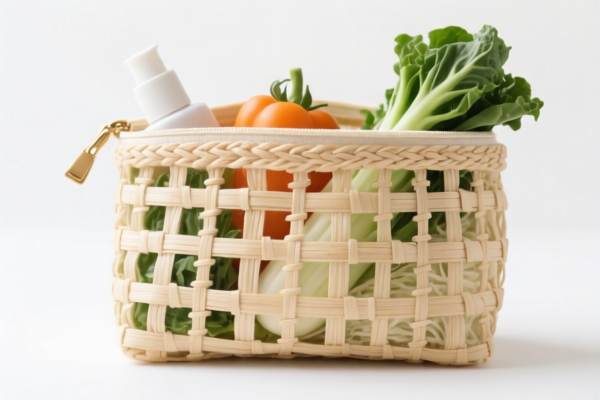
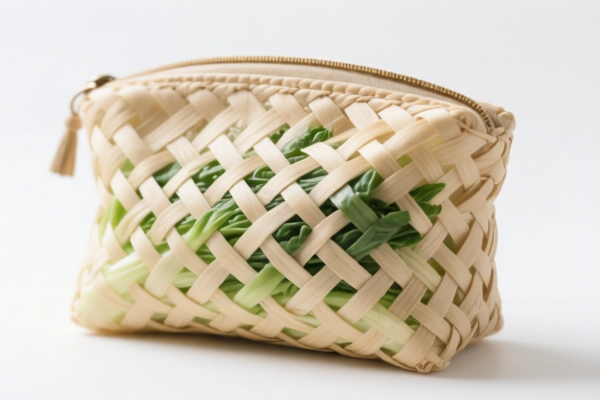
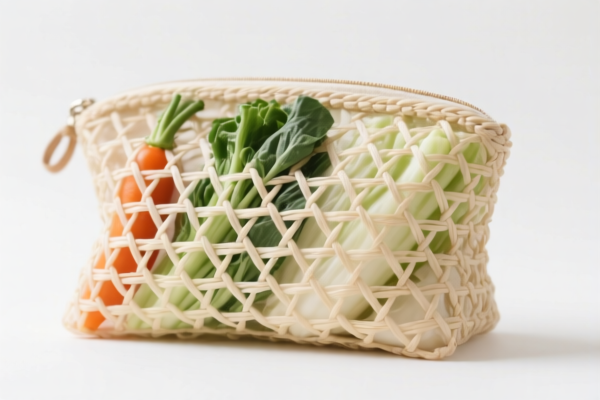
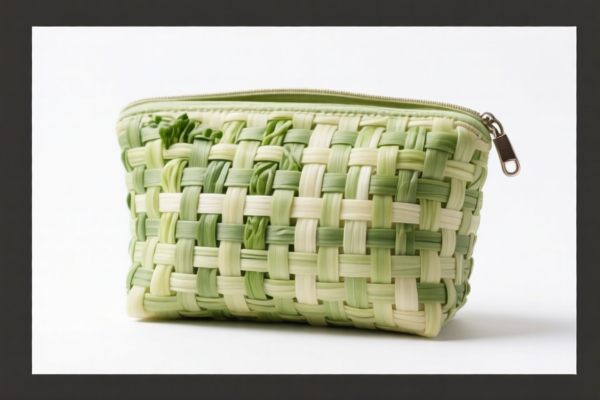
A Vegetable Fiber Woven Cosmetic Bag is a small container made from plant-based materials (such as rattan, bamboo, reed, or straw) that are woven together. In international trade, these products sit at a critical intersection of textiles and woven manufactures.
The classification depends heavily on how customs authorities interpret the primary function (container vs. accessory) and the material specificity:
1. Textile/Bag Classification: If the bag is viewed primarily as a "bag" made from other textile materials (vegetable fibers are often categorized here if not specifically covered under Chapter 46 items). 2. Woven Article Classification: If the bag is viewed primarily as a finished article made from vegetable plaiting materials (Chapter 46). 3. Specific Accessory Classification: If classified under general article accessories in Chapter 42.
⚠️ Key Distinction Point:
- If deemed a "Bag" made of other textile materials → 6305.90 / 6305.10
- If deemed a "Handbag" made of textile materials → 4202.92
- If deemed a "Woven Article" of vegetable materials → 4602.19
📦 II. HS Code Classification Details (2026 Latest Tariff Authority Comparison)
| HS Code | Product Description | Application Scenario | Material/Shape Logic |
|---|---|---|---|
6305.90.00.00 |
Sacks and bags, of textile materials, other than those of heading 6305.10 or 6305.32 to 6305.34 | Bags made of other textile materials; vegetable fibers fall under this broader "other textile" category if not strictly "woven plaiting" | ✅ Material: Other Textile (Vegetable Fiber) ✅ Form: Bag |
6305.10.00.00 |
Sacks and bags, of jute or of other textile bast fibers | Sacks/bags made of bast fibers (vegetable). Logic: Product is a bag, material is vegetable fiber fitting "other bast fibers" | ✅ Material: Vegetable Bast Fiber ✅ Form: Bag/Sack |
4602.19.29.20 |
Articles of vegetable plaiting materials: Other: Other: Handbags, purses, etc. | Handbags/purses made of vegetable plaiting. Logic: Veg fiber matches, weaving matches, crossbody/cosmetic bag = Handbag use | ✅ Material: Vegetable Fiber ✅ Form: Woven Handbag |
4602.19.29.40 |
Articles of vegetable plaiting materials: Other: Other: Other (Non-handbags) | Other woven vegetable articles not classified as handbags. Logic: Veg fiber matches, weaving matches, but classified as non-handbag | ✅ Material: Vegetable Fiber ✅ Form: Woven Article (Non-handbag) |
4202.92.15.00 |
Articles of apparel and accessories, of a kind used for the person or for goods, consisting of: Other: Other: Other: Other: Other | Handbags, including shoulder-bags, consisting of outside surface of textile materials | ✅ Material: Textile (Vegetable Fiber) ✅ Form: Shoulder Bag (Crossbody) |
🔍 Key Reminder:
- Chapter 42 (4202) generally prevails if the item is clearly a "handbag/shoulder bag" made of textile materials, even if natural. - Chapter 46 (4602) prevails if the item is considered a "woven article" of vegetable plaiting materials, often applied to traditional straw/bamboo baskets or bags. - Chapter 63 (6305) is a fallback for "sacks and bags" of other textile materials if specific handbag classifications don't fit the exact legal definition.
💰 III. 2026 Latest Tariff Rate Details (Including Additional Taxes, Policy Surcharges)
✅ Applicable Country: United States (US)
✅ Country of Origin: China (CN)
✅ Effective Date: From November 10, 2025 onwards (including subsequent imports)
🎯 1. 6305.90.00.00 —— Sacks and Bags, Other Textile Materials
| Item | Content |
|---|---|
| Base Tariff | 6.2% (ad valorem) |
| USITC Additional Tax | +7.5% (Section 301) |
| IEEPA Additional Tax | +10% (Section 122/IEEPA for China/HK products, effective Nov 10, 2025) |
| Total Tariff | 23.7% |
| Tax Calculation | CIF Value × 23.7% |
| De Minimis Exemption | ❌ Not Eligible (deny_de_minimis) |
| Legal Path | IEEPA:9903.01.25 → USITC:6305.90.00.00 → FOOTNOTE:9903.88.01 |
📌 Explanation:
- This classification treats the vegetable fiber as a general "other textile material." - The total tax burden is moderate compared to woven articles but still includes the mandatory IEEPA 10% surcharge.
🎯 2. 6305.10.00.00 —— Sacks and Bags, Vegetable Bast Fibers
| Item | Content |
|---|---|
| Base Tariff | 0.0% (ad valorem) |
| USITC Additional Tax | +7.5% (Section 301) |
| IEEPA Additional Tax | +10% (Section 122/IEEPA for China/HK products) |
| Total Tariff | 17.5% |
| Tax Calculation | CIF Value × 17.5% |
| De Minimis Exemption | ❌ Not Eligible (deny_de_minimis) |
| Legal Path | IEEPA:9903.01.25 → USITC:6305.10.00.00 → FOOTNOTE:9903.88.01 |
📌 Note:
- This is the most tax-efficient option if the customs authority accepts "vegetable fiber" as "textile bast fibers" under heading 6305.10. - Base tax is 0%, reducing the total burden significantly.
🎯 3. 4602.19.29.20 —— Woven Vegetable Articles: Handbags
| Item | Content |
|---|---|
| Base Tariff | 5.3% (ad valorem) |
| USITC Additional Tax | +25.0% (Section 301) |
| IEEPA Additional Tax | +10% (Section 122/IEEPA for China/HK products) |
| Total Tariff | 40.3% |
| Tax Calculation | CIF Value × 40.3% |
| De Minimis Exemption | ❌ Not Eligible (deny_de_minimis) |
| Legal Path | IEEPA:9903.01.25 → USITC:4602.19.29.20 → FOOTNOTE:9903.88.01 |
📌 Explanation:
- Classified as a specific Handbag made of woven vegetable materials. - Subject to the higher 25% Section 301 tariff due to being classified under Chapter 46/42 accessories. - Total tax is high (40.3%).
🎯 4. 4602.19.29.40 —— Woven Vegetable Articles: Other
| Item | Content |
|---|---|
| Base Tariff | 5.3% (ad valorem) |
| USITC Additional Tax | +25.0% (Section 301) |
| IEEPA Additional Tax | +10% (Section 122/IEEPA for China/HK products) |
| Total Tariff | 40.3% |
| Tax Calculation | CIF Value × 40.3% |
| De Minimis Exemption | ❌ Not Eligible (deny_de_minimis) |
| Legal Path | IEEPA:9903.01.25 → USITC:4602.19.29.40 → FOOTNOTE:9903.88.01 |
📌 Note:
- Similar to above, but classified as a "non-handbag" woven article. - Same high tariff burden (40.3%) due to Section 301 and IEEPA surcharges.
🎯 5. 4202.92.15.00 —— Shoulder Bags / Crossbody Bags (Textile)
| Item | Content |
|---|---|
| Base Tariff | 6.3% (ad valorem) |
| USITC Additional Tax | +25.0% (Section 301) |
| IEEPA Additional Tax | +10% (Section 122/IEEPA for China/HK products) |
| Total Tariff | 41.3% |
| Tax Calculation | CIF Value × 41.3% |
| De Minimis Exemption | ❌ Not Eligible (deny_de_minimis) |
| Legal Path | IEEPA:9903.01.25 → USITC:4202.92.15.00 → FOOTNOTE:9903.88.01 |
📌 Explanation:
- Classified as a Shoulder Bag/Crossbody Bag under Chapter 42 (Articles of Apparel and Accessories). - Even though made of vegetable fiber, it is treated as a "textile accessory" if the weaving technique aligns with Chapter 42 definitions. - Highest total tax burden (41.3%) among the options.
🛠️ IV. Customs Clearance Practical Advice (Avoiding Pitfalls)
✅ 1. Documentation Checklist (Essential)
| Document | Required | Notes |
|---|---|---|
| ✅ Product Spec Sheet | ✔️ | Specify fiber type (e.g., rattan, bamboo, straw), weave method, lining material |
| ✅ Product Photos | ✔️ | Clear images showing texture, shape, and any textile linings |
| ✅ Commercial Invoice | ✔️ | Describe as "Woven Cosmetic Bag, Vegetable Fiber" or "Handbag, Woven Plant Material" |
| ✅ Packing List | ✔️ | Detail quantity and weight |
| ✅ Origin Certificate | ✔️ | To verify Country of Origin (China) |
✅ 2. Declaration Strategy (Key Mantras)
🔥 “Material is Key, Shape is Secondary, Choose 6305 for Savings!”
| Scenario | Correct Declaration | Wrong Declaration |
|---|---|---|
| Bag with textile lining, soft structure | 6305.10.00.00 or 6305.90.00.00 |
Misclassify as Hard Woven Bag → 40%+ Tax |
| Structured, hard-woven vegetable bag | 4602.19.29.20 |
Misclassify as Textile Bag → Risk of Audit/Adjustment |
| Shoulder/Crossbody style, fashion accessory | 4202.92.15.00 |
Misclassify as Household Item → Duty Issues |
| Any of the above | Always include IEEPA surcharge | Forget 10% IEEPA → Penalty/Seizure |
✅ 3. Special Handling
| Situation | Recommendation |
|---|---|
| Mixed Materials | If the bag has a significant textile lining or plastic components, customs may push for Chapter 42 or 6305. Ensure specs are clear. |
| Small Quantity (De Minimis) | ❌ Do Not Rely on De Minimis: All listed HS Codes are denied for de minimis entry. Must file formal entry. |
| Pre-Ruling | ✅ Highly Recommended: Apply for an Advance Ruling if unsure between 6305 and 4602. This locks in the lower tax rate (17.5% vs 40%+). |
🌍 V. Global Market Comparison (2026 Latest)
| Country/Region | Recommended HS Code | Tariff Rate | Remarks |
|---|---|---|---|
| 🇺🇸 USA | 6305.10.00.00 |
17.5% | Best rate for Chinese origin. Avoid 4202/4602 (40%+). |
| 🇪🇺 EU | 4601 / 4602 |
0-6% | No Section 301/IEEPA. Lower burden. |
| 🇨🇳 China | 6305 / 4602 |
5-10% | No additional surcharges. |
| 🇬🇧 UK | 6305 / 4602 |
5-12% | Post-Brexit rules apply. |
📌 Conclusion:
- The USA has significantly higher tariffs due to Section 301 and IEEPA. - Strategy: Aim for 6305.10.00.00 (17.5%) if the bag can be legally described as a sack/bag of vegetable bast fibers. - Risk: If customs insists it is a "handbag" or "woven article," rates jump to 40%+.
📌 VI. Common Errors & Pitfall Guide (Lessons Learned)
❌ Error 1: Declaring as "Woven Basket" when it is a fashion bag
👉 Consequence: If classified under 4602, tax is 40.3%. If it was eligible for 6305, you overpaid. However, if it's clearly a bag, 6305 might be challenged.
❌ Error 2: Ignoring the 10% IEEPA Surcharge
👉 Consequence: Underpayment → Penalties, Interest, and Delayed Release.
❌ Error 3: Assuming De Minimis Applies
👉 Consequence: Shipments valued under $800 will be rejected or seized because all these HS Codes are denied de minimis.
✅ Correct Approach:
"Woven Cosmetic Bag, Vegetable Fiber, Lined, Model ABC, Made in China"
Target HS Code:6305.10.00.00(for lowest duty at 17.5%)
Backup HS Code:6305.90.00.00(23.7%)
🎯 VII. Conclusion: Smart Classification, Lower Costs!
🎯 Remember:
🔹 "6305 is the Gold Standard" for vegetable fiber bags in the US (17.5% vs 40%+). 🔹 "IEEPA 10% is Non-Negotiable" for Chinese goods. 🔹 "No De Minimis" – Always prepare formal entry documentation.
📌 Pro Tip:
If your product is imported from Vietnam, Thailand, or Malaysia, you may avoid the 10% IEEPA surcharge, potentially reducing the total tax burden for 4202/4602 codes significantly.
For Chinese-origin goods, secure an Advance Ruling to lock in the 17.5% rate under6305.10.00.00.
📣 Take Action Now:
📞 Consult a Licensed Customs Broker + Provide Product Photos + Request HS Code Pre-Ruling
🚀 Clear Customs Smoothly, Reduce Duties, Maximize Profits!
✨ Professional Clearance Starts with Precise Classification!
💼 Every Percent Matters in Your Final Landed Cost!
用户评价
关于 HS 编码归类
协调制度(HS)是由世界海关组织(WCO)制定的国际贸易商品分类标准。全球 200 多个国家采用 HS 系统作为海关关税、贸易统计和进出口监管的基础。
每个 HS 编码遵循以下层级结构:
- 章(2 位)——商品大类(例如:第 84 章:机器和机械设备)
- 品目(4 位)——章内的更具体分类
- 子目(6 位)——国际通用细分,所有 WCO 成员国统一使用
- 本国细分(8-10 位)——各国自行扩展的细分编码,如美国 HTSUS 10 位编码
正确的 HS 编码归类对于顺利通关、准确缴纳关税和遵守贸易法规至关重要。错误归类可能导致海关延误、多缴关税或罚款。
从CN进口到US时,适用的关税税率可能包括:
- 最惠国(MFN)税率——适用于 WTO 成员国的标准关税税率
- 普通税率——适用于无贸易协定国家
- 贸易救济关税——附加关税,如 301 条款(反倾销)、232 条款(国家安全)或反补贴税
本页内容仅供参考。如需正式归类,请咨询当地海关或持牌报关代理。