Vegetable Fiber Woven Cosmetic Bag
CN → US| HS Code | Tariff Rate | Origin | Destination | Doc |
|---|---|---|---|---|
| 6305900000 | 23.7% | CN | US | Official Doc |
| 6305100000 | 17.5% | CN | US | Official Doc |
| 4602192920 | 40.3% | CN | US | Official Doc |
| 4602192940 | 40.3% | CN | US | Official Doc |
| 4202921500 | 41.3% | CN | US | Official Doc |
Product Images
AI Analysis
🌿 Cosmetic Bags Weave of Vegetable Fiber (Vegetable Fiber Woven Cosmetic Bag)
🌐 HS Code Reference & Customs Clearance Guide | 2026 Latest Tariff Analysis | Professional Logistics Strategy
📌 I. Product Definition & Classification: Do You Truly Understand "Vegetable Fiber Bags"?
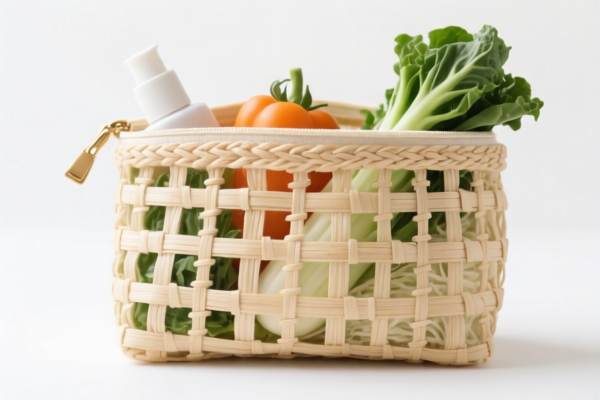
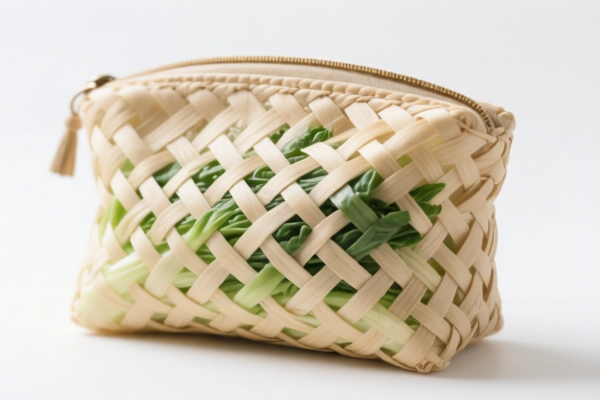
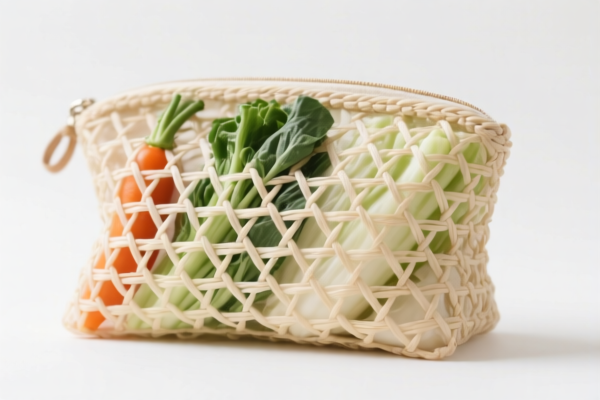
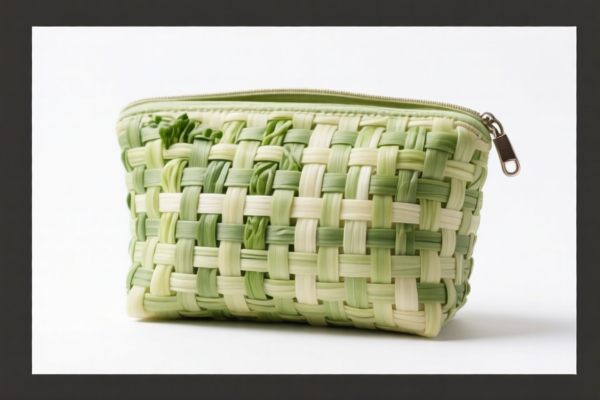
A Vegetable Fiber Woven Cosmetic Bag is a small container made from plant-based materials (such as rattan, bamboo, reed, or straw) that are woven together. In international trade, these products sit at a critical intersection of textiles and woven manufactures.
The classification depends heavily on how customs authorities interpret the primary function (container vs. accessory) and the material specificity:
1. Textile/Bag Classification: If the bag is viewed primarily as a "bag" made from other textile materials (vegetable fibers are often categorized here if not specifically covered under Chapter 46 items). 2. Woven Article Classification: If the bag is viewed primarily as a finished article made from vegetable plaiting materials (Chapter 46). 3. Specific Accessory Classification: If classified under general article accessories in Chapter 42.
⚠️ Key Distinction Point:
- If deemed a "Bag" made of other textile materials → 6305.90 / 6305.10
- If deemed a "Handbag" made of textile materials → 4202.92
- If deemed a "Woven Article" of vegetable materials → 4602.19
📦 II. HS Code Classification Details (2026 Latest Tariff Authority Comparison)
| HS Code | Product Description | Application Scenario | Material/Shape Logic |
|---|---|---|---|
6305.90.00.00 |
Sacks and bags, of textile materials, other than those of heading 6305.10 or 6305.32 to 6305.34 | Bags made of other textile materials; vegetable fibers fall under this broader "other textile" category if not strictly "woven plaiting" | ✅ Material: Other Textile (Vegetable Fiber) ✅ Form: Bag |
6305.10.00.00 |
Sacks and bags, of jute or of other textile bast fibers | Sacks/bags made of bast fibers (vegetable). Logic: Product is a bag, material is vegetable fiber fitting "other bast fibers" | ✅ Material: Vegetable Bast Fiber ✅ Form: Bag/Sack |
4602.19.29.20 |
Articles of vegetable plaiting materials: Other: Other: Handbags, purses, etc. | Handbags/purses made of vegetable plaiting. Logic: Veg fiber matches, weaving matches, crossbody/cosmetic bag = Handbag use | ✅ Material: Vegetable Fiber ✅ Form: Woven Handbag |
4602.19.29.40 |
Articles of vegetable plaiting materials: Other: Other: Other (Non-handbags) | Other woven vegetable articles not classified as handbags. Logic: Veg fiber matches, weaving matches, but classified as non-handbag | ✅ Material: Vegetable Fiber ✅ Form: Woven Article (Non-handbag) |
4202.92.15.00 |
Articles of apparel and accessories, of a kind used for the person or for goods, consisting of: Other: Other: Other: Other: Other | Handbags, including shoulder-bags, consisting of outside surface of textile materials | ✅ Material: Textile (Vegetable Fiber) ✅ Form: Shoulder Bag (Crossbody) |
🔍 Key Reminder:
- Chapter 42 (4202) generally prevails if the item is clearly a "handbag/shoulder bag" made of textile materials, even if natural. - Chapter 46 (4602) prevails if the item is considered a "woven article" of vegetable plaiting materials, often applied to traditional straw/bamboo baskets or bags. - Chapter 63 (6305) is a fallback for "sacks and bags" of other textile materials if specific handbag classifications don't fit the exact legal definition.
💰 III. 2026 Latest Tariff Rate Details (Including Additional Taxes, Policy Surcharges)
✅ Applicable Country: United States (US)
✅ Country of Origin: China (CN)
✅ Effective Date: From November 10, 2025 onwards (including subsequent imports)
🎯 1. 6305.90.00.00 —— Sacks and Bags, Other Textile Materials
| Item | Content |
|---|---|
| Base Tariff | 6.2% (ad valorem) |
| USITC Additional Tax | +7.5% (Section 301) |
| IEEPA Additional Tax | +10% (Section 122/IEEPA for China/HK products, effective Nov 10, 2025) |
| Total Tariff | 23.7% |
| Tax Calculation | CIF Value × 23.7% |
| De Minimis Exemption | ❌ Not Eligible (deny_de_minimis) |
| Legal Path | IEEPA:9903.01.25 → USITC:6305.90.00.00 → FOOTNOTE:9903.88.01 |
📌 Explanation:
- This classification treats the vegetable fiber as a general "other textile material." - The total tax burden is moderate compared to woven articles but still includes the mandatory IEEPA 10% surcharge.
🎯 2. 6305.10.00.00 —— Sacks and Bags, Vegetable Bast Fibers
| Item | Content |
|---|---|
| Base Tariff | 0.0% (ad valorem) |
| USITC Additional Tax | +7.5% (Section 301) |
| IEEPA Additional Tax | +10% (Section 122/IEEPA for China/HK products) |
| Total Tariff | 17.5% |
| Tax Calculation | CIF Value × 17.5% |
| De Minimis Exemption | ❌ Not Eligible (deny_de_minimis) |
| Legal Path | IEEPA:9903.01.25 → USITC:6305.10.00.00 → FOOTNOTE:9903.88.01 |
📌 Note:
- This is the most tax-efficient option if the customs authority accepts "vegetable fiber" as "textile bast fibers" under heading 6305.10. - Base tax is 0%, reducing the total burden significantly.
🎯 3. 4602.19.29.20 —— Woven Vegetable Articles: Handbags
| Item | Content |
|---|---|
| Base Tariff | 5.3% (ad valorem) |
| USITC Additional Tax | +25.0% (Section 301) |
| IEEPA Additional Tax | +10% (Section 122/IEEPA for China/HK products) |
| Total Tariff | 40.3% |
| Tax Calculation | CIF Value × 40.3% |
| De Minimis Exemption | ❌ Not Eligible (deny_de_minimis) |
| Legal Path | IEEPA:9903.01.25 → USITC:4602.19.29.20 → FOOTNOTE:9903.88.01 |
📌 Explanation:
- Classified as a specific Handbag made of woven vegetable materials. - Subject to the higher 25% Section 301 tariff due to being classified under Chapter 46/42 accessories. - Total tax is high (40.3%).
🎯 4. 4602.19.29.40 —— Woven Vegetable Articles: Other
| Item | Content |
|---|---|
| Base Tariff | 5.3% (ad valorem) |
| USITC Additional Tax | +25.0% (Section 301) |
| IEEPA Additional Tax | +10% (Section 122/IEEPA for China/HK products) |
| Total Tariff | 40.3% |
| Tax Calculation | CIF Value × 40.3% |
| De Minimis Exemption | ❌ Not Eligible (deny_de_minimis) |
| Legal Path | IEEPA:9903.01.25 → USITC:4602.19.29.40 → FOOTNOTE:9903.88.01 |
📌 Note:
- Similar to above, but classified as a "non-handbag" woven article. - Same high tariff burden (40.3%) due to Section 301 and IEEPA surcharges.
🎯 5. 4202.92.15.00 —— Shoulder Bags / Crossbody Bags (Textile)
| Item | Content |
|---|---|
| Base Tariff | 6.3% (ad valorem) |
| USITC Additional Tax | +25.0% (Section 301) |
| IEEPA Additional Tax | +10% (Section 122/IEEPA for China/HK products) |
| Total Tariff | 41.3% |
| Tax Calculation | CIF Value × 41.3% |
| De Minimis Exemption | ❌ Not Eligible (deny_de_minimis) |
| Legal Path | IEEPA:9903.01.25 → USITC:4202.92.15.00 → FOOTNOTE:9903.88.01 |
📌 Explanation:
- Classified as a Shoulder Bag/Crossbody Bag under Chapter 42 (Articles of Apparel and Accessories). - Even though made of vegetable fiber, it is treated as a "textile accessory" if the weaving technique aligns with Chapter 42 definitions. - Highest total tax burden (41.3%) among the options.
🛠️ IV. Customs Clearance Practical Advice (Avoiding Pitfalls)
✅ 1. Documentation Checklist (Essential)
| Document | Required | Notes |
|---|---|---|
| ✅ Product Spec Sheet | ✔️ | Specify fiber type (e.g., rattan, bamboo, straw), weave method, lining material |
| ✅ Product Photos | ✔️ | Clear images showing texture, shape, and any textile linings |
| ✅ Commercial Invoice | ✔️ | Describe as "Woven Cosmetic Bag, Vegetable Fiber" or "Handbag, Woven Plant Material" |
| ✅ Packing List | ✔️ | Detail quantity and weight |
| ✅ Origin Certificate | ✔️ | To verify Country of Origin (China) |
✅ 2. Declaration Strategy (Key Mantras)
🔥 “Material is Key, Shape is Secondary, Choose 6305 for Savings!”
| Scenario | Correct Declaration | Wrong Declaration |
|---|---|---|
| Bag with textile lining, soft structure | 6305.10.00.00 or 6305.90.00.00 |
Misclassify as Hard Woven Bag → 40%+ Tax |
| Structured, hard-woven vegetable bag | 4602.19.29.20 |
Misclassify as Textile Bag → Risk of Audit/Adjustment |
| Shoulder/Crossbody style, fashion accessory | 4202.92.15.00 |
Misclassify as Household Item → Duty Issues |
| Any of the above | Always include IEEPA surcharge | Forget 10% IEEPA → Penalty/Seizure |
✅ 3. Special Handling
| Situation | Recommendation |
|---|---|
| Mixed Materials | If the bag has a significant textile lining or plastic components, customs may push for Chapter 42 or 6305. Ensure specs are clear. |
| Small Quantity (De Minimis) | ❌ Do Not Rely on De Minimis: All listed HS Codes are denied for de minimis entry. Must file formal entry. |
| Pre-Ruling | ✅ Highly Recommended: Apply for an Advance Ruling if unsure between 6305 and 4602. This locks in the lower tax rate (17.5% vs 40%+). |
🌍 V. Global Market Comparison (2026 Latest)
| Country/Region | Recommended HS Code | Tariff Rate | Remarks |
|---|---|---|---|
| 🇺🇸 USA | 6305.10.00.00 |
17.5% | Best rate for Chinese origin. Avoid 4202/4602 (40%+). |
| 🇪🇺 EU | 4601 / 4602 |
0-6% | No Section 301/IEEPA. Lower burden. |
| 🇨🇳 China | 6305 / 4602 |
5-10% | No additional surcharges. |
| 🇬🇧 UK | 6305 / 4602 |
5-12% | Post-Brexit rules apply. |
📌 Conclusion:
- The USA has significantly higher tariffs due to Section 301 and IEEPA. - Strategy: Aim for 6305.10.00.00 (17.5%) if the bag can be legally described as a sack/bag of vegetable bast fibers. - Risk: If customs insists it is a "handbag" or "woven article," rates jump to 40%+.
📌 VI. Common Errors & Pitfall Guide (Lessons Learned)
❌ Error 1: Declaring as "Woven Basket" when it is a fashion bag
👉 Consequence: If classified under 4602, tax is 40.3%. If it was eligible for 6305, you overpaid. However, if it's clearly a bag, 6305 might be challenged.
❌ Error 2: Ignoring the 10% IEEPA Surcharge
👉 Consequence: Underpayment → Penalties, Interest, and Delayed Release.
❌ Error 3: Assuming De Minimis Applies
👉 Consequence: Shipments valued under $800 will be rejected or seized because all these HS Codes are denied de minimis.
✅ Correct Approach:
"Woven Cosmetic Bag, Vegetable Fiber, Lined, Model ABC, Made in China"
Target HS Code:6305.10.00.00(for lowest duty at 17.5%)
Backup HS Code:6305.90.00.00(23.7%)
🎯 VII. Conclusion: Smart Classification, Lower Costs!
🎯 Remember:
🔹 "6305 is the Gold Standard" for vegetable fiber bags in the US (17.5% vs 40%+). 🔹 "IEEPA 10% is Non-Negotiable" for Chinese goods. 🔹 "No De Minimis" – Always prepare formal entry documentation.
📌 Pro Tip:
If your product is imported from Vietnam, Thailand, or Malaysia, you may avoid the 10% IEEPA surcharge, potentially reducing the total tax burden for 4202/4602 codes significantly.
For Chinese-origin goods, secure an Advance Ruling to lock in the 17.5% rate under6305.10.00.00.
📣 Take Action Now:
📞 Consult a Licensed Customs Broker + Provide Product Photos + Request HS Code Pre-Ruling
🚀 Clear Customs Smoothly, Reduce Duties, Maximize Profits!
✨ Professional Clearance Starts with Precise Classification!
💼 Every Percent Matters in Your Final Landed Cost!
Customer Reviews
About HS Code Classification
The Harmonized System (HS) is an internationally standardized nomenclature developed by the World Customs Organization (WCO) to classify traded products. Over 200 countries use the HS system as the basis for customs tariffs, trade statistics, and import/export regulations.
Each HS code follows a hierarchical structure:
- Chapter (2 digits) — Broad category of goods (e.g., Chapter 84: Machinery and Mechanical Appliances)
- Heading (4 digits) — More specific grouping within the chapter
- Subheading (6 digits) — Internationally standardized breakdown, used by all WCO member countries
- National subdivisions (8-10 digits) — Country-specific extensions for further classification, such as US HTSUS 10-digit codes
Correct HS code classification is essential for smooth customs clearance, accurate duty payment, and compliance with trade regulations. Misclassification can lead to customs delays, overpayment of duties, or penalties.
When importing from CN to US, the applicable tariff rates may include:
- Most-Favored-Nation (MFN) rate — The standard duty rate applied to WTO members
- General rate — Applied to countries without trade agreements
- Trade remedy duties — Additional tariffs such as Section 301 (anti-dumping), Section 232 (national security), or countervailing duties
The information provided on this page is for reference purposes only. For official classification, please consult with your local customs authority or a licensed customs broker.