Wall Floor Tiles Machine
CN → US| HS编码 | 关税税率 | 原产国 | 目的国 | 文档 |
|---|---|---|---|---|
| 8479300000 | 35.0% | CN | US | 官方文档 |
| 8479820080 | 35.0% | CN | US | 官方文档 |
商品图片
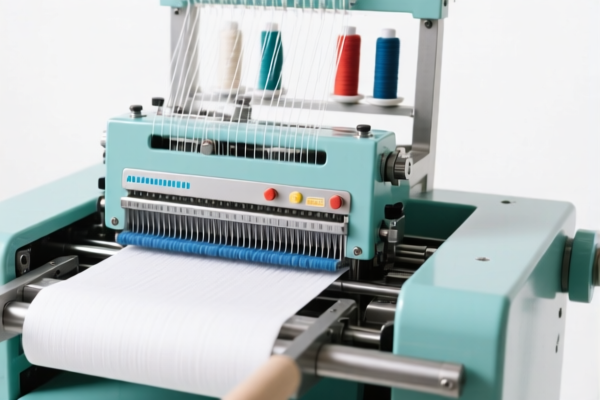
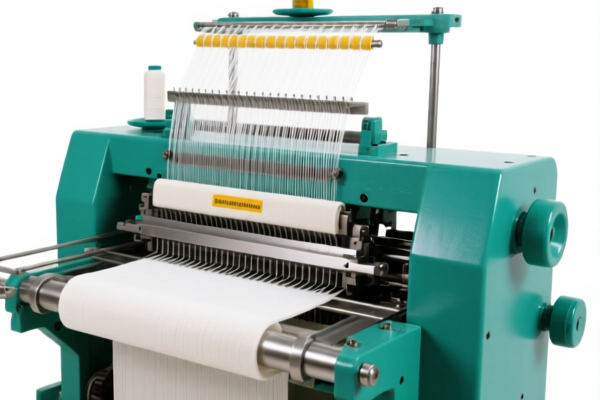
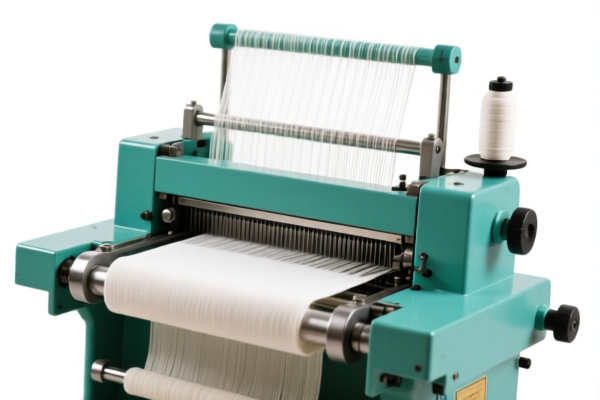
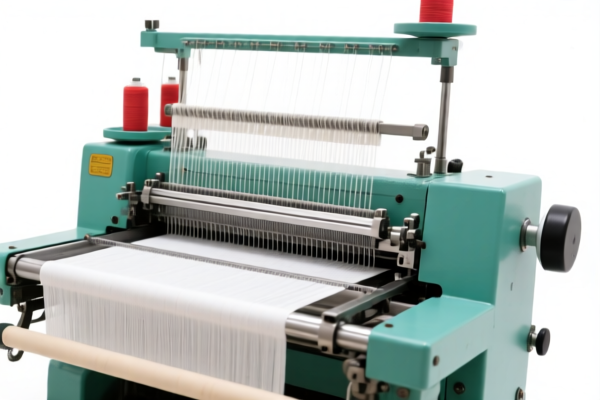
AI分析
🧱 Wall & Floor Tiles Machine (Machinery for Wood/Cork Processing & Industrial Mixing)
🌐 HS Code Reference & Customs Clearance Guide | 2026 Latest Tariff Analysis | Professional-Level Strategy
📌 I. Product Definition & Classification: Do You Really Understand "Tile Machines"?
In international trade, the term "Wall Floor Tiles Machine" is a broad functional description. However, under the Harmonized System (HS), machines are classified by their specific mechanical function and end-use, not just their final product output.
For this query, the data points to two distinct categories of machinery often found in the manufacturing supply chain for building materials (including ceramic/composite tiles):
- Particle/Fiber Board Presses: If the machine is used to manufacture particle board, fiber building board, or similar lignous materials (wood-based tiles/substrates), it falls under wood treatment machinery.
- General Processing/Mixing Machines: If the machine is used for mixing, kneading, crushing, grinding, or homogenizing raw materials (clay, powder, slurry) before molding, it falls under general mechanical appliances.
⚠️ Key Distinction:
- If the machine involves high-pressure pressing of wood/lignous fibers into boards → 8479.30.00.00
- If the machine is for mixing/grinding raw materials (not specific wood pressing) → 8479.82.00.80
- Note: True ceramic tile kilns or extruders are not in the provided data; we strictly adhere to the provided HS Codes.
📦 II. HS Code Classification Details (2026 Latest Tariff Authority Comparison)
| HS Code | Product Description | Applicable Scenario | Key Function |
|---|---|---|---|
8479.30.00.00 |
Presses for the manufacture of particle board or fiber building board of wood or other ligneous materials... | Wood-based tile substrates, MDF/HDF pressing, fiber board production | Pressing/Compacting lignous materials |
8479.82.00.80 |
Other machines and mechanical appliances: Mixing, kneading, crushing, grinding, screening, sifting, homogenizing or stirring machines | Clay mixing, powder homogenization, mortar preparation, general industrial mixing | Mixing/Grinding materials |
🔍 Critical Reminder:
-8479.30.00.00is specific to wood/lignous materials. If your "tile" is ceramic, concrete, or plastic, this code may not apply unless the machine is a generic press also used for wood.
-8479.82.00.80is a "catch-all" for mixing/grinding. It does not specify the material, making it versatile for ceramic slurry or mortar mixers.
- Do not misclassify a wood press as a general mixer, or vice versa. The functional description on the commercial invoice must match the HS Code definition.
💰 III. 2026 Latest Tariff Rate Breakdown (Including Surcharges & Policy Add-ons)
✅ Applicable Country: United States (US)
✅ Origin: China (CN)
✅ Effective Time: Current rates apply (Base + Section 301 Surcharge)
🎯 1. 8479.30.00.00 —— Presses for Wood/Lignous Particle Board Manufacturing
| Item | Content |
|---|---|
| Base Tariff Rate | 0.0% |
| Section 301 Surcharge | 25.0% |
| Total Effective Tax | 25.0% |
| Tax Calculation | CIF Value × 25% |
| De Minimis Exemption | ❌ Not Applicable (High-value machinery) |
| Legal Basis Path | USITC:8479.30.00.00 → Section 301: Footnote 1 |
📌 Explanation:
- The 0% base rate reflects the US's low-duty entry for certain industrial machinery.
- The 25% surcharge is imposed under Section 301 of the Trade Act of 1974 against Chinese goods.
- No other hidden taxes are listed in the provided data. Total liability is 25%.
🎯 2. 8479.82.00.80 —— Other Mixing, Kneading, Crushing, Grinding Machines
| Item | Content |
|---|---|
| Base Tariff Rate | 0.0% |
| Section 301 Surcharge | 25.0% |
| Total Effective Tax | 25.0% |
| Tax Calculation | CIF Value × 25% |
| De Minimis Exemption | ❌ Not Applicable (High-value machinery) |
| Legal Basis Path | USITC:8479.82.00.80 → Section 301: Footnote 1 |
📌 Explanation:
- Similar to the press machine, the base rate is 0%.
- The 25% Section 301 surcharge applies equally to this category of industrial machinery.
- Total liability is 25%. This is significantly lower than electronics or consumer goods, but still a substantial cost for bulk imports.
🛠️ IV. Customs Clearance Practical Advice (Combat Pitfalls Guide)
✅ 1. Document Preparation Checklist (Non-negotiable)
| Document | Must Provide | Explanation |
|---|---|---|
| ✅ Product Specification Sheet | ✔️ | Must clearly state: "Machine for Pressing Particle Board" OR "Industrial Mixer for Clay/Powder". Avoid vague terms like "Tile Tool". |
| ✅ Technical Drawings/Photos | ✔️ | Show the machine’s core mechanism: Hydraulic press? Rotating mixer? Grinding rollers? |
| ✅ Commercial Invoice | ✔️ | Must list: "Wall Floor Tiles Manufacturing Machine" AND the specific function (e.g., "Wood Fiber Press" or "Mixing Machine"). |
| ✅ Certificate of Origin (CO) | ✔️ | Essential for verifying China origin and applying/contesting surcharges. |
| ✅ Packing List | ✔️ | Detail all parts, spare parts, and accessories. Do not split a single machine into multiple HS codes unless legally distinct. |
✅ 2. Declaration Tactics (Key Mantra)
🔥 “Function First, Material Second, Description Precise, Tax Avoided!”
| Scenario | Correct Declaration | Wrong Practice |
|---|---|---|
| Machine presses wood/lignous fibers | 8479.30.00.00 + "Press for Particle Board" |
Describing it as "General Press" → Risk of reclassification & penalties |
| Machine mixes clay/powder | 8479.82.00.80 + "Mixing Machine" |
Describing it as "Tile Mold" → Incorrect HS Code |
| Mixed shipment (Press + Mixer) | Declare separately per HS Code | Combining into one line item → Customs may audit and delay |
| Vague description: "Tile Machine" | Rejection/Delay | Using generic terms without functional detail |
✅ 3. Special Case Handling
| Situation | Handling Advice |
|---|---|
| Machine used for both wood and plastic tiles | Declare based on primary function. If primarily for wood, use 8479.30.00.00. If versatile, 8479.82.00.80 may be safer if no specific press function for non-wood. |
| Second-hand Machine | Must disclose "Used". Additional documentation (condition report) may be required. Tariff rates remain the same, but inspection is stricter. |
| Parts vs. Whole Machine | If importing only "press plates" or "mixer blades", these are parts. Do not declare as the whole machine. Parts may have different HS Codes (e.g., Chapter 84 Parts). |
| OEM Custom Machine | Provide custom design drawings. Ensure the invoice matches the technical specs exactly. |
🌍 V. Global Market Comparison (2026 Latest)
| Country/Region | Recommended HS Code | Tariff Rate | Certification | Remarks |
|---|---|---|---|---|
| 🇺🇸 USA | 8479.30.00.00 / 8479.82.00.80 |
25% (China) | CE/UL (Optional) | Section 301 applies. High scrutiny on machinery function. |
| 🇨🇳 China | Same HS Codes | 0% - 5% | CCC (if applicable) | Import duty is low. VAT 13% applies. |
| 🇪🇺 EU | 8479.30 / 8479.82 | 0% - 2.7% | CE Marking | No Section 301. Standard import duties apply. |
| 🇮🇳 India | 8479.30 / 8479.82 | ~10-15% | BIS Certification | Anti-dumping duties may apply. Check current list. |
📌 Conclusion:
- The US market is the most expensive due to the 25% surcharge.
- EU and China offer more favorable tariff structures.
- Precision in description is critical to avoid misclassification penalties in the US.
📌 VI. Common Mistakes & Pitfalls (Blood & Tears Lessons)
❌ Mistake 1: Using "Tile Machine" as the sole description.
👉 Consequence: Customs cannot determine the HS Code → Hold for inspection, potential demurrage fees, and delays.
❌ Mistake 2: Misclassifying a wood press as a general mixer to avoid scrutiny.
👉 Consequence: If the machine is clearly a press, it should be 8479.30.00.00. Misclassification can lead to audits and fines.
❌ Mistake 3: Ignoring the "Lignous" (Wood) requirement for 8479.30.00.00.
👉 Consequence: If the machine is for ceramic tiles only, this code is incorrect. Ceramic tile presses may fall under 8479.82.00.80 or other categories not in this data. Verify material compatibility!
❌ Mistake 4: Under-declaring value to reduce 25% tax.
👉 Consequence: Severe penalties, seizure, and blacklisting for future imports.
✅ Correct Practice:
"Industrial Hydraulic Press for Particle Board Manufacturing, Model XYZ, 5000 Ton, Used for Wood Fiber Compression"
OR
"Industrial Mixer for Ceramic Clay Slurry, Model ABC, 1000L Capacity, Homogenizing Function"
🎯 VII. Conclusion: Professional Declaration, Cost Savings, Efficient Clearance!
🎯 Remember the Mantra:
🔹 "Function Defines Code, Material Defines Specificity, Description Avoids Delays!"
🔹 "25% is the Price of Precision, Vague Descriptions Cost More!"
📌 Pro Tip:
If your machine is multi-functional (e.g., can press both wood and plastic), consider the primary intended use. If uncertain, apply for an Advance Ruling from US Customs and Border Protection (CBP) to get a binding decision before shipping. This provides legal certainty and prevents costly errors.
📣 Immediate Action Required:
📞 Consult a licensed customs broker + Provide technical specs + Apply for Advance Ruling (if high value)
🚀 Ensure your Wall Floor Tiles Machine clears US Customs smoothly, avoiding 25% surprises or delays!
✨ Professional Clearance Starts with Accurate Classification!
💼 Every percentage point of tax matters in global trade!
用户评价
关于 HS 编码归类
协调制度(HS)是由世界海关组织(WCO)制定的国际贸易商品分类标准。全球 200 多个国家采用 HS 系统作为海关关税、贸易统计和进出口监管的基础。
每个 HS 编码遵循以下层级结构:
- 章(2 位)——商品大类(例如:第 84 章:机器和机械设备)
- 品目(4 位)——章内的更具体分类
- 子目(6 位)——国际通用细分,所有 WCO 成员国统一使用
- 本国细分(8-10 位)——各国自行扩展的细分编码,如美国 HTSUS 10 位编码
正确的 HS 编码归类对于顺利通关、准确缴纳关税和遵守贸易法规至关重要。错误归类可能导致海关延误、多缴关税或罚款。
从CN进口到US时,适用的关税税率可能包括:
- 最惠国(MFN)税率——适用于 WTO 成员国的标准关税税率
- 普通税率——适用于无贸易协定国家
- 贸易救济关税——附加关税,如 301 条款(反倾销)、232 条款(国家安全)或反补贴税
本页内容仅供参考。如需正式归类,请咨询当地海关或持牌报关代理。