Wall Floor Tiles Machine
CN → US| HS Code | Tariff Rate | Origin | Destination | Doc |
|---|---|---|---|---|
| 8479300000 | 35.0% | CN | US | Official Doc |
| 8479820080 | 35.0% | CN | US | Official Doc |
Product Images
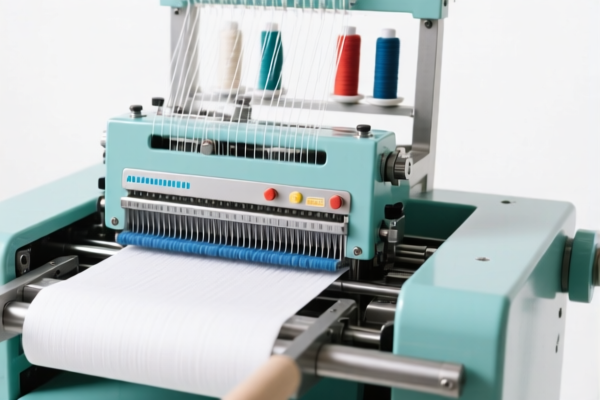
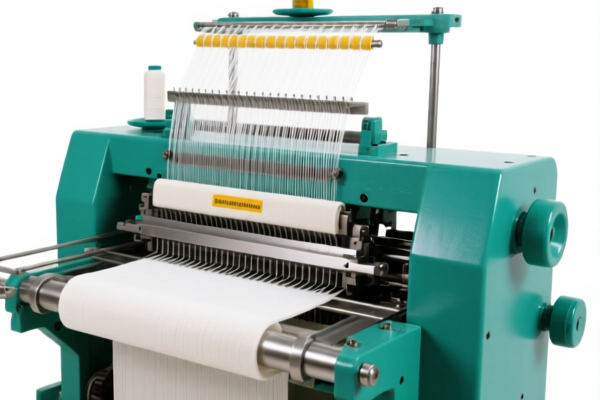
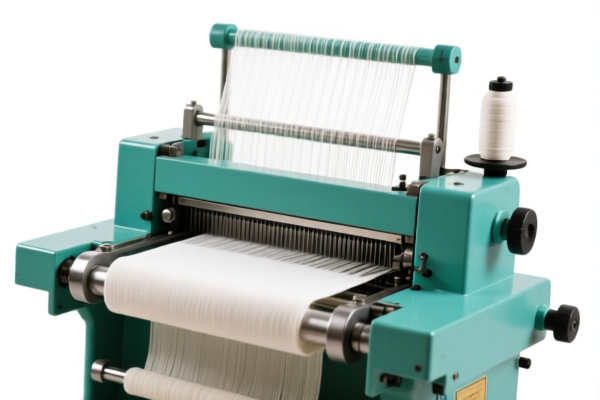
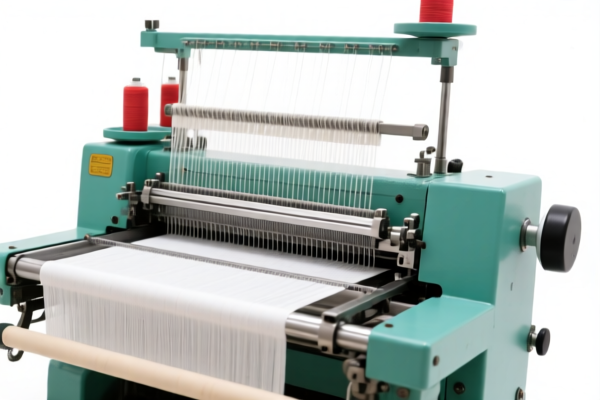
AI Analysis
🧱 Wall & Floor Tiles Machine (Machinery for Wood/Cork Processing & Industrial Mixing)
🌐 HS Code Reference & Customs Clearance Guide | 2026 Latest Tariff Analysis | Professional-Level Strategy
📌 I. Product Definition & Classification: Do You Really Understand "Tile Machines"?
In international trade, the term "Wall Floor Tiles Machine" is a broad functional description. However, under the Harmonized System (HS), machines are classified by their specific mechanical function and end-use, not just their final product output.
For this query, the data points to two distinct categories of machinery often found in the manufacturing supply chain for building materials (including ceramic/composite tiles):
- Particle/Fiber Board Presses: If the machine is used to manufacture particle board, fiber building board, or similar lignous materials (wood-based tiles/substrates), it falls under wood treatment machinery.
- General Processing/Mixing Machines: If the machine is used for mixing, kneading, crushing, grinding, or homogenizing raw materials (clay, powder, slurry) before molding, it falls under general mechanical appliances.
⚠️ Key Distinction:
- If the machine involves high-pressure pressing of wood/lignous fibers into boards → 8479.30.00.00
- If the machine is for mixing/grinding raw materials (not specific wood pressing) → 8479.82.00.80
- Note: True ceramic tile kilns or extruders are not in the provided data; we strictly adhere to the provided HS Codes.
📦 II. HS Code Classification Details (2026 Latest Tariff Authority Comparison)
| HS Code | Product Description | Applicable Scenario | Key Function |
|---|---|---|---|
8479.30.00.00 |
Presses for the manufacture of particle board or fiber building board of wood or other ligneous materials... | Wood-based tile substrates, MDF/HDF pressing, fiber board production | Pressing/Compacting lignous materials |
8479.82.00.80 |
Other machines and mechanical appliances: Mixing, kneading, crushing, grinding, screening, sifting, homogenizing or stirring machines | Clay mixing, powder homogenization, mortar preparation, general industrial mixing | Mixing/Grinding materials |
🔍 Critical Reminder:
-8479.30.00.00is specific to wood/lignous materials. If your "tile" is ceramic, concrete, or plastic, this code may not apply unless the machine is a generic press also used for wood.
-8479.82.00.80is a "catch-all" for mixing/grinding. It does not specify the material, making it versatile for ceramic slurry or mortar mixers.
- Do not misclassify a wood press as a general mixer, or vice versa. The functional description on the commercial invoice must match the HS Code definition.
💰 III. 2026 Latest Tariff Rate Breakdown (Including Surcharges & Policy Add-ons)
✅ Applicable Country: United States (US)
✅ Origin: China (CN)
✅ Effective Time: Current rates apply (Base + Section 301 Surcharge)
🎯 1. 8479.30.00.00 —— Presses for Wood/Lignous Particle Board Manufacturing
| Item | Content |
|---|---|
| Base Tariff Rate | 0.0% |
| Section 301 Surcharge | 25.0% |
| Total Effective Tax | 25.0% |
| Tax Calculation | CIF Value × 25% |
| De Minimis Exemption | ❌ Not Applicable (High-value machinery) |
| Legal Basis Path | USITC:8479.30.00.00 → Section 301: Footnote 1 |
📌 Explanation:
- The 0% base rate reflects the US's low-duty entry for certain industrial machinery.
- The 25% surcharge is imposed under Section 301 of the Trade Act of 1974 against Chinese goods.
- No other hidden taxes are listed in the provided data. Total liability is 25%.
🎯 2. 8479.82.00.80 —— Other Mixing, Kneading, Crushing, Grinding Machines
| Item | Content |
|---|---|
| Base Tariff Rate | 0.0% |
| Section 301 Surcharge | 25.0% |
| Total Effective Tax | 25.0% |
| Tax Calculation | CIF Value × 25% |
| De Minimis Exemption | ❌ Not Applicable (High-value machinery) |
| Legal Basis Path | USITC:8479.82.00.80 → Section 301: Footnote 1 |
📌 Explanation:
- Similar to the press machine, the base rate is 0%.
- The 25% Section 301 surcharge applies equally to this category of industrial machinery.
- Total liability is 25%. This is significantly lower than electronics or consumer goods, but still a substantial cost for bulk imports.
🛠️ IV. Customs Clearance Practical Advice (Combat Pitfalls Guide)
✅ 1. Document Preparation Checklist (Non-negotiable)
| Document | Must Provide | Explanation |
|---|---|---|
| ✅ Product Specification Sheet | ✔️ | Must clearly state: "Machine for Pressing Particle Board" OR "Industrial Mixer for Clay/Powder". Avoid vague terms like "Tile Tool". |
| ✅ Technical Drawings/Photos | ✔️ | Show the machine’s core mechanism: Hydraulic press? Rotating mixer? Grinding rollers? |
| ✅ Commercial Invoice | ✔️ | Must list: "Wall Floor Tiles Manufacturing Machine" AND the specific function (e.g., "Wood Fiber Press" or "Mixing Machine"). |
| ✅ Certificate of Origin (CO) | ✔️ | Essential for verifying China origin and applying/contesting surcharges. |
| ✅ Packing List | ✔️ | Detail all parts, spare parts, and accessories. Do not split a single machine into multiple HS codes unless legally distinct. |
✅ 2. Declaration Tactics (Key Mantra)
🔥 “Function First, Material Second, Description Precise, Tax Avoided!”
| Scenario | Correct Declaration | Wrong Practice |
|---|---|---|
| Machine presses wood/lignous fibers | 8479.30.00.00 + "Press for Particle Board" |
Describing it as "General Press" → Risk of reclassification & penalties |
| Machine mixes clay/powder | 8479.82.00.80 + "Mixing Machine" |
Describing it as "Tile Mold" → Incorrect HS Code |
| Mixed shipment (Press + Mixer) | Declare separately per HS Code | Combining into one line item → Customs may audit and delay |
| Vague description: "Tile Machine" | Rejection/Delay | Using generic terms without functional detail |
✅ 3. Special Case Handling
| Situation | Handling Advice |
|---|---|
| Machine used for both wood and plastic tiles | Declare based on primary function. If primarily for wood, use 8479.30.00.00. If versatile, 8479.82.00.80 may be safer if no specific press function for non-wood. |
| Second-hand Machine | Must disclose "Used". Additional documentation (condition report) may be required. Tariff rates remain the same, but inspection is stricter. |
| Parts vs. Whole Machine | If importing only "press plates" or "mixer blades", these are parts. Do not declare as the whole machine. Parts may have different HS Codes (e.g., Chapter 84 Parts). |
| OEM Custom Machine | Provide custom design drawings. Ensure the invoice matches the technical specs exactly. |
🌍 V. Global Market Comparison (2026 Latest)
| Country/Region | Recommended HS Code | Tariff Rate | Certification | Remarks |
|---|---|---|---|---|
| 🇺🇸 USA | 8479.30.00.00 / 8479.82.00.80 |
25% (China) | CE/UL (Optional) | Section 301 applies. High scrutiny on machinery function. |
| 🇨🇳 China | Same HS Codes | 0% - 5% | CCC (if applicable) | Import duty is low. VAT 13% applies. |
| 🇪🇺 EU | 8479.30 / 8479.82 | 0% - 2.7% | CE Marking | No Section 301. Standard import duties apply. |
| 🇮🇳 India | 8479.30 / 8479.82 | ~10-15% | BIS Certification | Anti-dumping duties may apply. Check current list. |
📌 Conclusion:
- The US market is the most expensive due to the 25% surcharge.
- EU and China offer more favorable tariff structures.
- Precision in description is critical to avoid misclassification penalties in the US.
📌 VI. Common Mistakes & Pitfalls (Blood & Tears Lessons)
❌ Mistake 1: Using "Tile Machine" as the sole description.
👉 Consequence: Customs cannot determine the HS Code → Hold for inspection, potential demurrage fees, and delays.
❌ Mistake 2: Misclassifying a wood press as a general mixer to avoid scrutiny.
👉 Consequence: If the machine is clearly a press, it should be 8479.30.00.00. Misclassification can lead to audits and fines.
❌ Mistake 3: Ignoring the "Lignous" (Wood) requirement for 8479.30.00.00.
👉 Consequence: If the machine is for ceramic tiles only, this code is incorrect. Ceramic tile presses may fall under 8479.82.00.80 or other categories not in this data. Verify material compatibility!
❌ Mistake 4: Under-declaring value to reduce 25% tax.
👉 Consequence: Severe penalties, seizure, and blacklisting for future imports.
✅ Correct Practice:
"Industrial Hydraulic Press for Particle Board Manufacturing, Model XYZ, 5000 Ton, Used for Wood Fiber Compression"
OR
"Industrial Mixer for Ceramic Clay Slurry, Model ABC, 1000L Capacity, Homogenizing Function"
🎯 VII. Conclusion: Professional Declaration, Cost Savings, Efficient Clearance!
🎯 Remember the Mantra:
🔹 "Function Defines Code, Material Defines Specificity, Description Avoids Delays!"
🔹 "25% is the Price of Precision, Vague Descriptions Cost More!"
📌 Pro Tip:
If your machine is multi-functional (e.g., can press both wood and plastic), consider the primary intended use. If uncertain, apply for an Advance Ruling from US Customs and Border Protection (CBP) to get a binding decision before shipping. This provides legal certainty and prevents costly errors.
📣 Immediate Action Required:
📞 Consult a licensed customs broker + Provide technical specs + Apply for Advance Ruling (if high value)
🚀 Ensure your Wall Floor Tiles Machine clears US Customs smoothly, avoiding 25% surprises or delays!
✨ Professional Clearance Starts with Accurate Classification!
💼 Every percentage point of tax matters in global trade!
Customer Reviews
About HS Code Classification
The Harmonized System (HS) is an internationally standardized nomenclature developed by the World Customs Organization (WCO) to classify traded products. Over 200 countries use the HS system as the basis for customs tariffs, trade statistics, and import/export regulations.
Each HS code follows a hierarchical structure:
- Chapter (2 digits) — Broad category of goods (e.g., Chapter 84: Machinery and Mechanical Appliances)
- Heading (4 digits) — More specific grouping within the chapter
- Subheading (6 digits) — Internationally standardized breakdown, used by all WCO member countries
- National subdivisions (8-10 digits) — Country-specific extensions for further classification, such as US HTSUS 10-digit codes
Correct HS code classification is essential for smooth customs clearance, accurate duty payment, and compliance with trade regulations. Misclassification can lead to customs delays, overpayment of duties, or penalties.
When importing from CN to US, the applicable tariff rates may include:
- Most-Favored-Nation (MFN) rate — The standard duty rate applied to WTO members
- General rate — Applied to countries without trade agreements
- Trade remedy duties — Additional tariffs such as Section 301 (anti-dumping), Section 232 (national security), or countervailing duties
The information provided on this page is for reference purposes only. For official classification, please consult with your local customs authority or a licensed customs broker.