Wall Panel
CN → US| HS编码 | 关税税率 | 原产国 | 目的国 | 文档 |
|---|---|---|---|---|
| 6810191400 | 44.0% | CN | US | 官方文档 |
| 6810990080 | 35.0% | CN | US | 官方文档 |
| 4418999150 | 38.2% | CN | US | 官方文档 |
| 3925200091 | 22.8% | CN | US | 官方文档 |
| 4418919150 | 38.2% | CN | US | 官方文档 |
商品图片
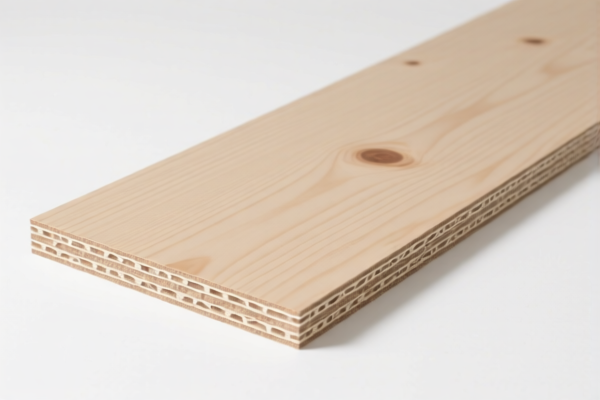
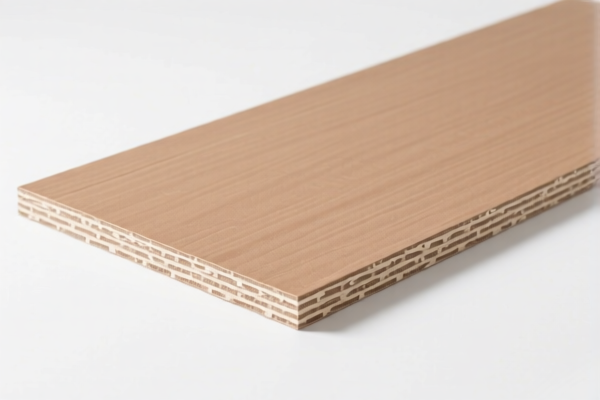
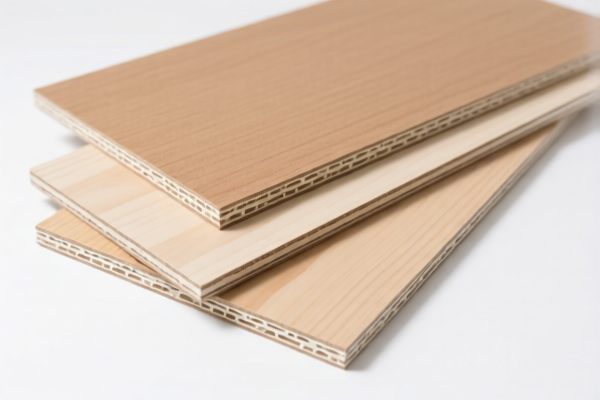
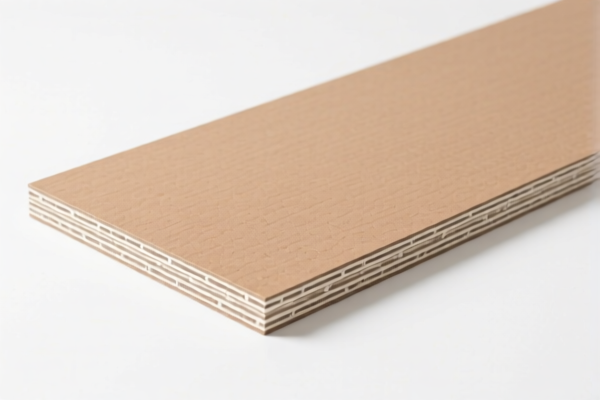
AI分析
🧱 Wall Panels (Building Decorative Panels)
🌐 HS Code Reference & Customs Clearance Guide | 2026 Latest Tariff Breakdown | Professional Entry Strategy
📌 I. Product Definition & Classification: Do You Really Know "Wall Panels"?
Wall panels are versatile construction materials used for interior and exterior wall decoration, protection, and structural integrity. In international trade, they are classified based on their raw material composition, as this determines the Harmonized System (HS) code and, consequently, the tariff rate.
⚠️ Key Distinction Points:
- Inorganic Materials (Cement, Concrete, Artificial Stone): Fall under Chapter 68 (Articles of Stone, Plaster, Cement...).
- Wood/Bamboo Products: Fall under Chapter 44 (Wood and Articles of Wood...).
- Plastic/Composite Materials: Fall under Chapter 39 (Plastics and Articles Thereof...).
📦 II. HS Code Classification Details (2026 Latest Tariff Authority Comparison)
| HS Code | Product Description | Material Basis | Application Scenario |
|---|---|---|---|
6810.19.14.00 |
Wall panels, classified as wall decoration products, similar to tiles, made of cement/concrete/man-made stone. | Inorganic (Cement/Concrete/Artificial Stone) | Exterior cladding, heavy-duty interior walls, fire-resistant applications. |
6810.99.00.80 |
Other wall panels, inferred as cement/concrete/man-made stone products under "Other" categories. | Inorganic (Cement/Concrete/Artificial Stone) | Specialty inorganic panels not fitting specific tile definitions. |
4418.99.91.50 |
Wall panels for building decoration/components, classified as prefabricated partitions/panels. | Wood/Wood-based | Prefabricated house parts, wooden partition walls, structural wood panels. |
3925.20.00.91 |
Wall panels made of plastic or composite materials, classified as building accessories. | Plastic/Composite | PVC wall cladding, plastic trim, lightweight decorative composites. |
4418.91.91.50 |
Wall panels classified as bamboo building panels based on the "catch-all" principle. | Bamboo | Eco-friendly bamboo wall coverings, engineered bamboo panels. |
🔍 Key Reminder:
- Material is King: Customs officers will inspect the physical product. A "wood-looking" panel that is actually PVC will be reclassified under Chapter 39, potentially leading to misdeclaration penalties.
- Usage vs. Material: While the "use" is decoration, the "material" dictates the HS code. Do not declare based solely on "decoration."
💰 III. 2026 Latest Tariff Rate Breakdown (Including Surcharges & Policy Add-ons)
✅ Applicable Country: United States (US)
✅ Origin: China (CN)
✅ Effective Date: From November 10, 2025 (including subsequent imports)
📌 Note: All rates below include Base Tariff + Section 301 (25%) + Section 122 (10%).
🎯 1. 6810.19.14.00 —— Inorganic Wall Panels (Cement/Concrete/Artificial Stone)
| Item | Content |
|---|---|
| Base Tariff | 9.0% (ad valorem) |
| Section 301 Surcharge | +25.0% |
| Section 122 Surcharge | +10.0% |
| Total Tax Rate | 44.0% |
| Tax Calculation | CIF Value × 44% |
| De Minimis Exemption | ❌ Not Eligible (deny_de_minimis) |
| Legal Basis Path | Section 301: 25% + Section 122: 10% + HTSUS Base |
📌 Explanation:
- These heavy, inorganic materials face the highest combined tariff burden.
- The 25% is the standard Section 301 tariff on most Chinese goods.
- The 10% is the Section 122 tariff (often applied to specific import surges or policy targets).
- Total 44% makes this category extremely expensive for US importers unless sourced from non-China origins.
🎯 2. 6810.99.00.80 —— Other Inorganic Wall Panels
| Item | Content |
|---|---|
| Base Tariff | 0.0% |
| Section 301 Surcharge | +25.0% |
| Section 122 Surcharge | +10.0% |
| Total Tax Rate | 35.0% |
| Tax Calculation | CIF Value × 35% |
| De Minimis Exemption | ❌ Not Eligible |
| Legal Basis Path | Section 301: 25% + Section 122: 10% + HTSUS Base |
📌 Note:
- While the base tariff is 0%, the surcharges still apply fully.
- This is significantly cheaper than6810.19.14.00but still high due to Section 122.
🎯 3. 4418.99.91.50 —— Wood-Based Prefabricated Panels
| Item | Content |
|---|---|
| Base Tariff | 3.2% |
| Section 301 Surcharge | +25.0% |
| Section 122 Surcharge | +10.0% |
| Total Tax Rate | 38.2% |
| Tax Calculation | CIF Value × 38.2% |
| De Minimis Exemption | ❌ Not Eligible |
| Legal Basis Path | Section 301: 25% + Section 122: 10% + HTSUS Base |
📌 Note:
- Wood products (Chapter 44) have a small base duty (3.2%), but the surcharges push the total to 38.2%.
- Ensure the wood is properly declared as "processed" or "prefabricated" to fit this specific subheading.
🎯 4. 3925.20.00.91 —— Plastic/Composite Wall Panels
| Item | Content |
|---|---|
| Base Tariff | 5.3% |
| Section 301 Surcharge | +7.5% |
| Section 122 Surcharge | +10.0% |
| Total Tax Rate | 22.8% |
| Tax Calculation | CIF Value × 22.8% |
| De Minimis Exemption | ❌ Not Eligible |
| Legal Basis Path | Section 301: 7.5% (Note: Some plastic items may have lower 301 rates depending on specific classification history, but data indicates 7.5% here) + Section 122: 10% + HTSUS Base |
📌 Note:
- This is the most tariff-competitive category at 22.8%.
- Plastic panels (Chapter 39) often benefit from lower Section 301 rates compared to inorganic or wood goods.
- Ideal for cost-sensitive importers looking for lightweight, durable wall solutions.
🎯 5. 4418.91.91.50 —— Bamboo Wall Panels
| Item | Content |
|---|---|
| Base Tariff | 3.2% |
| Section 301 Surcharge | +25.0% |
| Section 122 Surcharge | +10.0% |
| Total Tax Rate | 38.2% |
| Tax Calculation | CIF Value × 38.2% |
| De Minimis Exemption | ❌ Not Eligible |
| Legal Basis Path | Section 301: 25% + Section 122: 10% + HTSUS Base |
📌 Note:
- Bamboo is treated similarly to wood in terms of tariffs.
- Despite being an "eco-friendly" product, it does not receive preferential tariff treatment under current US-China trade policies.
🛠️ IV. Customs Clearance Practical Advice (Battle-Tested Pitfall Avoidance)
✅ 1. Required Documentation Checklist (Non-negotiable)
| Document | Mandatory? | Description |
|---|---|---|
| ✅ Product Spec Sheet | ✔️ | Must specify material composition (e.g., "95% PVC, 5% Additives"). |
| ✅ Material Composition Declaration | ✔️ | Critical for distinguishing between Wood (44), Plastic (39), or Inorganic (68). |
| ✅ Product Photos | ✔️ | Clear shots of cross-sections (to prove material) and installation methods. |
| ✅ Commercial Invoice | ✔️ | Must match HS Code exactly. Use precise descriptions like "PVC Wall Cladding Panel" not just "Wall Panel". |
| ✅ Packing List | ✔️ | Detail net/gross weight and dimensions. |
| ✅ Certificate of Origin (CO) | ✔️ | Essential for verifying Chinese origin to apply correct surcharges. |
✅ 2. Declaration Tips (Key Mantras)
🔥 “Material First, Use Second. Plastic is Cheapest, Concrete is Heaviest.”
| Scenario | Correct Declaration | Incorrect Action |
|---|---|---|
| PVC/Plastic Panels | 3925.20.00.91 (22.8%) |
Misdeclaring as Wood → Higher Tax |
| Concrete/Cement Panels | 6810.19.14.00 (44.0%) |
Misdeclaring as Plastic → Severe Penalty |
| Wood/Bamboo Panels | 4418.99.91.50 or 4418.91.91.50 (38.2%) |
Generic "Wall Panel" → Delay/Inspection |
| Mixed Material Panels | Declare based on essential character | Splitting invoice → Potential fraud suspicion |
✅ 3. Special Handling for Specific Cases
| Scenario | Handling Advice |
|---|---|
| OEM Custom Panels | Provide design files and material safety data sheets (MSDS) if containing chemicals. |
| Pre-fabricated Kits | If sold as a kit (panels + clips + adhesive), declare the primary component (usually the panels) to avoid complex multi-code entry. |
| Wood/Bamboo Treatment | Must provide ISPM 15 certification if packaging is wood, or fumigation certificate if required. |
| Fire-Rated Panels | Include fire resistance test reports (ASTM E84) to justify specific industrial use, though HS remains material-based. |
🌍 V. Global Market Clearance Comparison (2026 Latest)
| Country/Region | Recommended HS Code | Total Tariff (China Origin) | Key Certification | Remarks |
|---|---|---|---|---|
| 🇺🇸 USA | 3925.20.00.91 (Plastic) |
22.8% (Lowest) | None specific for import | High tariffs on Inorganic/Wood; Plastic is best value. |
| 🇺🇸 USA | 6810.19.14.00 (Concrete) |
44.0% (Highest) | None specific for import | Avoid if possible due to cost. |
| 🇪🇺 EU | 6810.11.00 / 3925.20.00 |
Varies (Usually 0-6.5%) | CE Marking, REACH | No Section 301/122 equivalents. |
| 🇨🇳 China | Varies | 0-9% | CCC (if applicable) | Exporting from China to US faces heavy surcharges. |
| 🇦🇺 Australia | Varies | 5% | RCM (if electrical) | Generally lower than US. |
📌 Conclusion:
- USA is the most expensive market for Chinese wall panels due to Section 301 + Section 122.
- Plastic Panels (3925.20.00.91) are the most cost-effective option for US importation from China.
- Inorganic and Wood/Bamboo panels face heavy tax burdens (35-44%). Consider supply chain diversification (e.g., Vietnam, Mexico) for those materials.
📌 VI. Common Errors & Pitfall Guide (Blood-Teaching Lessons)
❌ Error 1: Declaring "Wall Panel" without material specification.
👉 Consequence: Customs issues a "Request for Information" (RFI), causing 2-4 week delays.
❌ Error 2: Misclassifying PVC panels as Wood (Chapter 44).
👉 Consequence: Overpayment of duty (38.2% vs 22.8%) + potential audits for under-declared goods in the past.
❌ Error 3: Ignoring Section 122 (10%) surcharges.
👉 Consequence: Underpayment of duties. CBP may assess liquidated damages and interest.
❌ Error 4: Using "Building Material" as the product name.
👉 Consequence: Too vague. Use specific terms like "PVC Decorative Wall Panel" or "Cement Board Siding."
✅ Correct Practice:
"PVC Wall Panel, 1200mm x 300mm, Interior Use, Model A-1, Made in China"
🎯 VII. Conclusion: Precision in Classification Saves Millions!
🎯 Remember the Mantra:
🔹 "Plastic is King (22.8%), Concrete is Queen (44%), Wood is Middle (38.2%)."
🔹 "Material determines HS, HS determines Tax, Tax determines Profit!"
🔹 "Don't guess the code, verify the composition!"
📌 Pro Tip:
If you are importing Wood or Concrete panels, consider sourcing from Vietnam or Thailand to potentially avoid Section 301/122 surcharges (subject to current trade rules).
For Plastic panels, China remains competitive due to lower base duties and surcharges.
📣 Immediate Action:
📞 Contact a licensed customs broker + Provide Material SDS + Apply for CBP Pre-Ruling
🚀 Ensure your wall panels clear customs fast, compliant, and cost-effectively!
✨ Professional Clearance Starts with Accurate Classification!
💼 Every percentage point in tax is a point in your margin!
用户评价
关于 HS 编码归类
协调制度(HS)是由世界海关组织(WCO)制定的国际贸易商品分类标准。全球 200 多个国家采用 HS 系统作为海关关税、贸易统计和进出口监管的基础。
每个 HS 编码遵循以下层级结构:
- 章(2 位)——商品大类(例如:第 84 章:机器和机械设备)
- 品目(4 位)——章内的更具体分类
- 子目(6 位)——国际通用细分,所有 WCO 成员国统一使用
- 本国细分(8-10 位)——各国自行扩展的细分编码,如美国 HTSUS 10 位编码
正确的 HS 编码归类对于顺利通关、准确缴纳关税和遵守贸易法规至关重要。错误归类可能导致海关延误、多缴关税或罚款。
从CN进口到US时,适用的关税税率可能包括:
- 最惠国(MFN)税率——适用于 WTO 成员国的标准关税税率
- 普通税率——适用于无贸易协定国家
- 贸易救济关税——附加关税,如 301 条款(反倾销)、232 条款(国家安全)或反补贴税
本页内容仅供参考。如需正式归类,请咨询当地海关或持牌报关代理。