Wall Panel
CN → US| HS Code | Tariff Rate | Origin | Destination | Doc |
|---|---|---|---|---|
| 6810191400 | 44.0% | CN | US | Official Doc |
| 6810990080 | 35.0% | CN | US | Official Doc |
| 4418999150 | 38.2% | CN | US | Official Doc |
| 3925200091 | 22.8% | CN | US | Official Doc |
| 4418919150 | 38.2% | CN | US | Official Doc |
Product Images
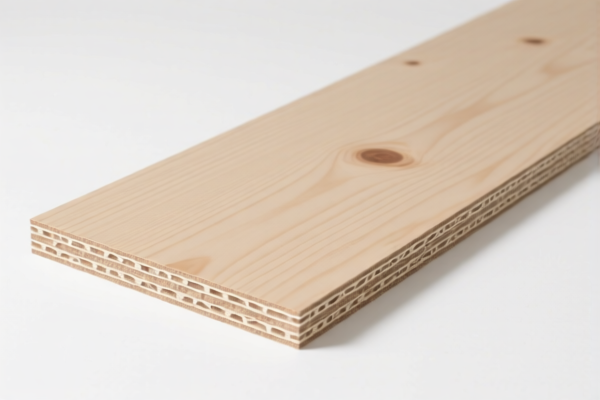
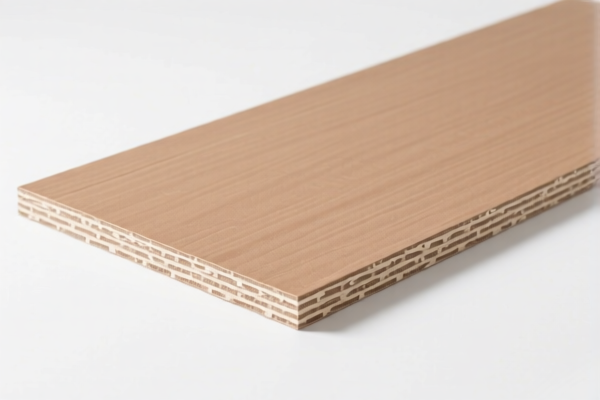
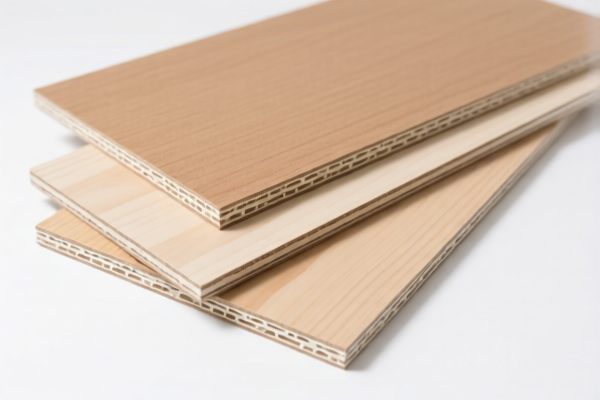
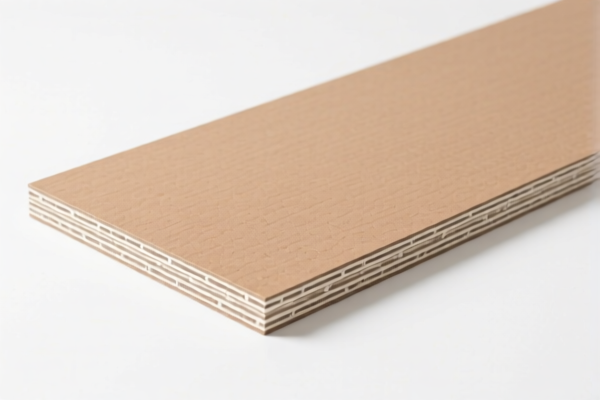
AI Analysis
🧱 Wall Panels (Building Decorative Panels)
🌐 HS Code Reference & Customs Clearance Guide | 2026 Latest Tariff Breakdown | Professional Entry Strategy
📌 I. Product Definition & Classification: Do You Really Know "Wall Panels"?
Wall panels are versatile construction materials used for interior and exterior wall decoration, protection, and structural integrity. In international trade, they are classified based on their raw material composition, as this determines the Harmonized System (HS) code and, consequently, the tariff rate.
⚠️ Key Distinction Points:
- Inorganic Materials (Cement, Concrete, Artificial Stone): Fall under Chapter 68 (Articles of Stone, Plaster, Cement...).
- Wood/Bamboo Products: Fall under Chapter 44 (Wood and Articles of Wood...).
- Plastic/Composite Materials: Fall under Chapter 39 (Plastics and Articles Thereof...).
📦 II. HS Code Classification Details (2026 Latest Tariff Authority Comparison)
| HS Code | Product Description | Material Basis | Application Scenario |
|---|---|---|---|
6810.19.14.00 |
Wall panels, classified as wall decoration products, similar to tiles, made of cement/concrete/man-made stone. | Inorganic (Cement/Concrete/Artificial Stone) | Exterior cladding, heavy-duty interior walls, fire-resistant applications. |
6810.99.00.80 |
Other wall panels, inferred as cement/concrete/man-made stone products under "Other" categories. | Inorganic (Cement/Concrete/Artificial Stone) | Specialty inorganic panels not fitting specific tile definitions. |
4418.99.91.50 |
Wall panels for building decoration/components, classified as prefabricated partitions/panels. | Wood/Wood-based | Prefabricated house parts, wooden partition walls, structural wood panels. |
3925.20.00.91 |
Wall panels made of plastic or composite materials, classified as building accessories. | Plastic/Composite | PVC wall cladding, plastic trim, lightweight decorative composites. |
4418.91.91.50 |
Wall panels classified as bamboo building panels based on the "catch-all" principle. | Bamboo | Eco-friendly bamboo wall coverings, engineered bamboo panels. |
🔍 Key Reminder:
- Material is King: Customs officers will inspect the physical product. A "wood-looking" panel that is actually PVC will be reclassified under Chapter 39, potentially leading to misdeclaration penalties.
- Usage vs. Material: While the "use" is decoration, the "material" dictates the HS code. Do not declare based solely on "decoration."
💰 III. 2026 Latest Tariff Rate Breakdown (Including Surcharges & Policy Add-ons)
✅ Applicable Country: United States (US)
✅ Origin: China (CN)
✅ Effective Date: From November 10, 2025 (including subsequent imports)
📌 Note: All rates below include Base Tariff + Section 301 (25%) + Section 122 (10%).
🎯 1. 6810.19.14.00 —— Inorganic Wall Panels (Cement/Concrete/Artificial Stone)
| Item | Content |
|---|---|
| Base Tariff | 9.0% (ad valorem) |
| Section 301 Surcharge | +25.0% |
| Section 122 Surcharge | +10.0% |
| Total Tax Rate | 44.0% |
| Tax Calculation | CIF Value × 44% |
| De Minimis Exemption | ❌ Not Eligible (deny_de_minimis) |
| Legal Basis Path | Section 301: 25% + Section 122: 10% + HTSUS Base |
📌 Explanation:
- These heavy, inorganic materials face the highest combined tariff burden.
- The 25% is the standard Section 301 tariff on most Chinese goods.
- The 10% is the Section 122 tariff (often applied to specific import surges or policy targets).
- Total 44% makes this category extremely expensive for US importers unless sourced from non-China origins.
🎯 2. 6810.99.00.80 —— Other Inorganic Wall Panels
| Item | Content |
|---|---|
| Base Tariff | 0.0% |
| Section 301 Surcharge | +25.0% |
| Section 122 Surcharge | +10.0% |
| Total Tax Rate | 35.0% |
| Tax Calculation | CIF Value × 35% |
| De Minimis Exemption | ❌ Not Eligible |
| Legal Basis Path | Section 301: 25% + Section 122: 10% + HTSUS Base |
📌 Note:
- While the base tariff is 0%, the surcharges still apply fully.
- This is significantly cheaper than6810.19.14.00but still high due to Section 122.
🎯 3. 4418.99.91.50 —— Wood-Based Prefabricated Panels
| Item | Content |
|---|---|
| Base Tariff | 3.2% |
| Section 301 Surcharge | +25.0% |
| Section 122 Surcharge | +10.0% |
| Total Tax Rate | 38.2% |
| Tax Calculation | CIF Value × 38.2% |
| De Minimis Exemption | ❌ Not Eligible |
| Legal Basis Path | Section 301: 25% + Section 122: 10% + HTSUS Base |
📌 Note:
- Wood products (Chapter 44) have a small base duty (3.2%), but the surcharges push the total to 38.2%.
- Ensure the wood is properly declared as "processed" or "prefabricated" to fit this specific subheading.
🎯 4. 3925.20.00.91 —— Plastic/Composite Wall Panels
| Item | Content |
|---|---|
| Base Tariff | 5.3% |
| Section 301 Surcharge | +7.5% |
| Section 122 Surcharge | +10.0% |
| Total Tax Rate | 22.8% |
| Tax Calculation | CIF Value × 22.8% |
| De Minimis Exemption | ❌ Not Eligible |
| Legal Basis Path | Section 301: 7.5% (Note: Some plastic items may have lower 301 rates depending on specific classification history, but data indicates 7.5% here) + Section 122: 10% + HTSUS Base |
📌 Note:
- This is the most tariff-competitive category at 22.8%.
- Plastic panels (Chapter 39) often benefit from lower Section 301 rates compared to inorganic or wood goods.
- Ideal for cost-sensitive importers looking for lightweight, durable wall solutions.
🎯 5. 4418.91.91.50 —— Bamboo Wall Panels
| Item | Content |
|---|---|
| Base Tariff | 3.2% |
| Section 301 Surcharge | +25.0% |
| Section 122 Surcharge | +10.0% |
| Total Tax Rate | 38.2% |
| Tax Calculation | CIF Value × 38.2% |
| De Minimis Exemption | ❌ Not Eligible |
| Legal Basis Path | Section 301: 25% + Section 122: 10% + HTSUS Base |
📌 Note:
- Bamboo is treated similarly to wood in terms of tariffs.
- Despite being an "eco-friendly" product, it does not receive preferential tariff treatment under current US-China trade policies.
🛠️ IV. Customs Clearance Practical Advice (Battle-Tested Pitfall Avoidance)
✅ 1. Required Documentation Checklist (Non-negotiable)
| Document | Mandatory? | Description |
|---|---|---|
| ✅ Product Spec Sheet | ✔️ | Must specify material composition (e.g., "95% PVC, 5% Additives"). |
| ✅ Material Composition Declaration | ✔️ | Critical for distinguishing between Wood (44), Plastic (39), or Inorganic (68). |
| ✅ Product Photos | ✔️ | Clear shots of cross-sections (to prove material) and installation methods. |
| ✅ Commercial Invoice | ✔️ | Must match HS Code exactly. Use precise descriptions like "PVC Wall Cladding Panel" not just "Wall Panel". |
| ✅ Packing List | ✔️ | Detail net/gross weight and dimensions. |
| ✅ Certificate of Origin (CO) | ✔️ | Essential for verifying Chinese origin to apply correct surcharges. |
✅ 2. Declaration Tips (Key Mantras)
🔥 “Material First, Use Second. Plastic is Cheapest, Concrete is Heaviest.”
| Scenario | Correct Declaration | Incorrect Action |
|---|---|---|
| PVC/Plastic Panels | 3925.20.00.91 (22.8%) |
Misdeclaring as Wood → Higher Tax |
| Concrete/Cement Panels | 6810.19.14.00 (44.0%) |
Misdeclaring as Plastic → Severe Penalty |
| Wood/Bamboo Panels | 4418.99.91.50 or 4418.91.91.50 (38.2%) |
Generic "Wall Panel" → Delay/Inspection |
| Mixed Material Panels | Declare based on essential character | Splitting invoice → Potential fraud suspicion |
✅ 3. Special Handling for Specific Cases
| Scenario | Handling Advice |
|---|---|
| OEM Custom Panels | Provide design files and material safety data sheets (MSDS) if containing chemicals. |
| Pre-fabricated Kits | If sold as a kit (panels + clips + adhesive), declare the primary component (usually the panels) to avoid complex multi-code entry. |
| Wood/Bamboo Treatment | Must provide ISPM 15 certification if packaging is wood, or fumigation certificate if required. |
| Fire-Rated Panels | Include fire resistance test reports (ASTM E84) to justify specific industrial use, though HS remains material-based. |
🌍 V. Global Market Clearance Comparison (2026 Latest)
| Country/Region | Recommended HS Code | Total Tariff (China Origin) | Key Certification | Remarks |
|---|---|---|---|---|
| 🇺🇸 USA | 3925.20.00.91 (Plastic) |
22.8% (Lowest) | None specific for import | High tariffs on Inorganic/Wood; Plastic is best value. |
| 🇺🇸 USA | 6810.19.14.00 (Concrete) |
44.0% (Highest) | None specific for import | Avoid if possible due to cost. |
| 🇪🇺 EU | 6810.11.00 / 3925.20.00 |
Varies (Usually 0-6.5%) | CE Marking, REACH | No Section 301/122 equivalents. |
| 🇨🇳 China | Varies | 0-9% | CCC (if applicable) | Exporting from China to US faces heavy surcharges. |
| 🇦🇺 Australia | Varies | 5% | RCM (if electrical) | Generally lower than US. |
📌 Conclusion:
- USA is the most expensive market for Chinese wall panels due to Section 301 + Section 122.
- Plastic Panels (3925.20.00.91) are the most cost-effective option for US importation from China.
- Inorganic and Wood/Bamboo panels face heavy tax burdens (35-44%). Consider supply chain diversification (e.g., Vietnam, Mexico) for those materials.
📌 VI. Common Errors & Pitfall Guide (Blood-Teaching Lessons)
❌ Error 1: Declaring "Wall Panel" without material specification.
👉 Consequence: Customs issues a "Request for Information" (RFI), causing 2-4 week delays.
❌ Error 2: Misclassifying PVC panels as Wood (Chapter 44).
👉 Consequence: Overpayment of duty (38.2% vs 22.8%) + potential audits for under-declared goods in the past.
❌ Error 3: Ignoring Section 122 (10%) surcharges.
👉 Consequence: Underpayment of duties. CBP may assess liquidated damages and interest.
❌ Error 4: Using "Building Material" as the product name.
👉 Consequence: Too vague. Use specific terms like "PVC Decorative Wall Panel" or "Cement Board Siding."
✅ Correct Practice:
"PVC Wall Panel, 1200mm x 300mm, Interior Use, Model A-1, Made in China"
🎯 VII. Conclusion: Precision in Classification Saves Millions!
🎯 Remember the Mantra:
🔹 "Plastic is King (22.8%), Concrete is Queen (44%), Wood is Middle (38.2%)."
🔹 "Material determines HS, HS determines Tax, Tax determines Profit!"
🔹 "Don't guess the code, verify the composition!"
📌 Pro Tip:
If you are importing Wood or Concrete panels, consider sourcing from Vietnam or Thailand to potentially avoid Section 301/122 surcharges (subject to current trade rules).
For Plastic panels, China remains competitive due to lower base duties and surcharges.
📣 Immediate Action:
📞 Contact a licensed customs broker + Provide Material SDS + Apply for CBP Pre-Ruling
🚀 Ensure your wall panels clear customs fast, compliant, and cost-effectively!
✨ Professional Clearance Starts with Accurate Classification!
💼 Every percentage point in tax is a point in your margin!
Customer Reviews
About HS Code Classification
The Harmonized System (HS) is an internationally standardized nomenclature developed by the World Customs Organization (WCO) to classify traded products. Over 200 countries use the HS system as the basis for customs tariffs, trade statistics, and import/export regulations.
Each HS code follows a hierarchical structure:
- Chapter (2 digits) — Broad category of goods (e.g., Chapter 84: Machinery and Mechanical Appliances)
- Heading (4 digits) — More specific grouping within the chapter
- Subheading (6 digits) — Internationally standardized breakdown, used by all WCO member countries
- National subdivisions (8-10 digits) — Country-specific extensions for further classification, such as US HTSUS 10-digit codes
Correct HS code classification is essential for smooth customs clearance, accurate duty payment, and compliance with trade regulations. Misclassification can lead to customs delays, overpayment of duties, or penalties.
When importing from CN to US, the applicable tariff rates may include:
- Most-Favored-Nation (MFN) rate — The standard duty rate applied to WTO members
- General rate — Applied to countries without trade agreements
- Trade remedy duties — Additional tariffs such as Section 301 (anti-dumping), Section 232 (national security), or countervailing duties
The information provided on this page is for reference purposes only. For official classification, please consult with your local customs authority or a licensed customs broker.