Wallet Card
CN → US| HS编码 | 关税税率 | 原产国 | 目的国 | 文档 |
|---|---|---|---|---|
| 3926909989 | 22.8% | CN | US | 官方文档 |
| 4202399000 | 55.0% | CN | US | 官方文档 |
| 4823908680 | 35.0% | CN | US | 官方文档 |
| 3926908700 | 40.3% | CN | US | 官方文档 |
商品图片
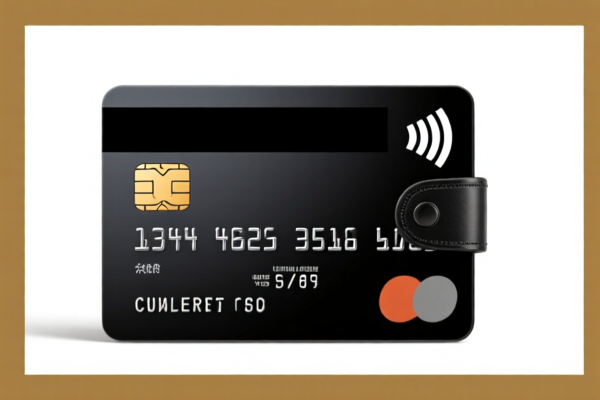
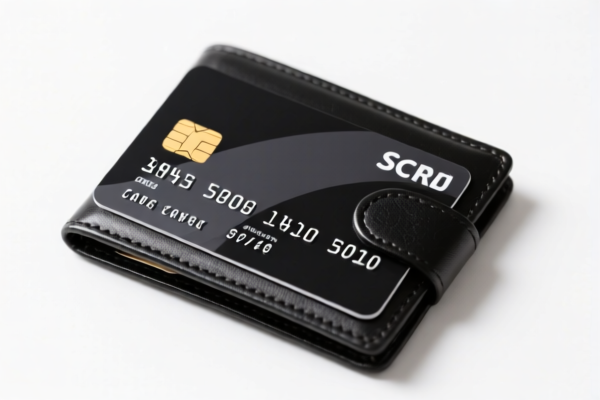


AI分析
💳 Wallet Card: The Ultimate Guide to Classification & Clearance (2026 Tariff Update)
🌐 HS Code Masterclass & Strategic Customs Clearance | 2026 Global Tax Strategy
📌 Part 1: Product Definition & Classification Logic
A Wallet Card (Card Holder/Card Case) is a versatile accessory designed for storing and organizing identification, credit, and membership cards. In international trade, its classification depends entirely on material composition and functional form:
- Plastic/Synthetic Cases: Classified under Chapter 39 (Plastics).
- Logic: It's a manufactured article of plastic not specified elsewhere.
- Paper/Cardboard Cases: Classified under Chapter 48 (Paper Products).
- Logic: It's a non-woven paper container or other paper制品.
- Leather/Textile/Lined Cases: Classified under Chapter 42 (Leather & Articles of Other Materials).
- Logic: It falls under "Other containers" or specific leather goods categories (the "catch-all" for small containers).
⚠️ CRITICAL DISTINGUISHING FACTOR:
- Plastic/Textile/Paper? → Goes to 39 or 48.
- Leather/Textile/Lined (Special Container)? → Goes to 42.
- Material dictates the Tax Rate! (From ~22% to 55%).
📦 Part 2: HS Code Classification Details (2026 Official Reference)
Below are the 4 precise HS Codes for Wallet Cards based on material and function, with exact tax breakdowns for US imports.
| HS Code | Product Description | Material & Logic | Total Tax Rate |
|---|---|---|---|
3926.90.99.89 |
Plastic Card Holder General "Other" Plastic Article |
Plastic/Synthetic. Fits "Other Articles of Plastics" (not elsewhere specified). |
22.8% |
4202.39.90.00 |
Leather/Textile Card Case Small Container (Catch-all) |
Leather, Plastic Lined, or Textile. Fits "Other Containers" in the "catch-all" leather/textile section. |
55.0% |
4823.90.86.80 |
Paper/Cardboard Card Holder | Paper/Cardboard. Fits "Other Paper Products" category. |
35.0% |
3926.90.87.00 |
Plastic Organizer/Binder | Plastic (Specialized). Fits "Other" plastic articles with specific filing/organizing features. |
40.3% |
🔍 Deep Dive into Logic: -
3926.90.99.89: The most common for generic plastic sleeves. Low base duty, but high Section 301/122 penalties. -4202.39.90.00: The Most Expensive! Even if it's just a plastic interior, if it's lined with leather or textile, it jumps to 55%. -4823.90.86.80: Only for pure paper/cardstock wallets. Zero base duty, but high Section 301 penalties. -3926.90.87.00: A specific subset of plastics, often for heavier-duty plastic binders or organizers. Higher than the generic plastic code.
💰 Part 3: 2026 Tariff Rate Deep Dive (US Market Focus)
✅ Applicable To: USA Import
✅ Origin: China (CN)
✅ Effective Date: 2026 (Based on current trade war policies)
🎯 1. 3926.90.99.89 (Plastic - General)
The "Sweet Spot" for Plastic Card Holders.
| Item | Detail |
|---|---|
| Base Tariff | 5.3% (Most Favored Nation) |
| Section 301 (Add'l) | +7.5% (Trade Remedies) |
| Section 122 | +10.0% (Additional US Measures) |
| Total Tax | 22.8% |
| De Minimis | ❌ NO (Not eligible for de minimis exemption) |
| Legal Path | 301:9903.88.01 → 122:9903.88.01 |
📌 Explanation:
This is the standard plastic card holder classification. While the base duty is low (5.3%), the Section 301 (7.5%) and Section 122 (10%) add-ons push the total to 22.8%. This is the most competitive rate for plastic products.
🎯 2. 4202.39.90.00 (Leather/Textile Container)
The "Tax Trap" – Highest Risk for Misclassification.
| Item | Detail |
|---|---|
| Base Tariff | 20.0% (Base rate for leather/textile articles) |
| Section 301 (Add'l) | +25.0% (Aggressive Section 301) |
| Section 122 | +10.0% (Additional US Measures) |
| Total Tax | 55.0% |
| De Minimis | ❌ NO (Highly regulated) |
| Legal Path | 301:9903.88.01 (High tier) → 122:9903.88.01 |
📌 Explanation:
Warning! If your card holder has any leather, faux-leather, or textile lining, it falls here. The base duty is already 20%, plus a massive 25% Section 301 penalty (vs 7.5% for plastic), totaling 55%. Do not classify plastic items here unless they are lined.
🎯 3. 4823.90.86.80 (Paper Products)
The "Zero Base, High Penalty" Scenario.
| Item | Detail |
|---|---|
| Base Tariff | 0.0% (Paper products often have MFN 0%) |
| Section 301 (Add'l) | +25.0% (High Section 301) |
| Section 122 | +10.0% (Additional US Measures) |
| Total Tax | 35.0% |
| De Minimis | ❌ NO |
| Legal Path | 301:9903.88.01 → 122:9903.88.01 |
📌 Explanation:
Pure paper wallets look like a steal (0% base), but the 25% Section 301 penalty is harsh. Total is 35%, which is still 12.2% higher than the plastic version (3926.90.99.89). Paper is not the cheapest option due to US punitive tariffs.
🎯 4. 3926.90.87.00 (Plastic Organizer)
The "Specialized Plastic" Scenario.
| Item | Detail |
|---|---|
| Base Tariff | 5.3% (Same as general plastic) |
| Section 301 (Add'l) | +25.0% (Aggressive Section 301) |
| Section 122 | +10.0% (Additional US Measures) |
| Total Tax | 40.3% |
| De Minimis | ❌ NO |
| Legal Path | 301:9903.88.01 (High tier) → 122:9903.88.01 |
📌 Explanation:
Why is this higher than3926.90.99.89? Because...87.00implies a specific "filing/organizing" function that triggers the 25% Section 301 rate instead of the lower 7.5% rate for general plastic articles. Only use this if the product is specifically an "organizer" or "binder."
🛠️ Part 4: Customs Clearance Strategy (Action Plan)
✅ 1. Material Verification Checklist (Crucial)
Before shipping, you MUST confirm the material composition. A simple mistake can double your tax cost.
| Material Composition | Correct HS Code | Wrong Code Risk |
|---|---|---|
| 100% Plastic/PVC | 3926.90.99.89 (22.8%) |
If declared as Leather (4202) → 55% (Loss!) |
| Plastic + Leather Lining | 4202.39.90.00 (55.0%) |
If declared as Plastic → Audit/Fine |
| Cardboard/Paper Only | 4823.90.86.80 (35.0%) |
If declared as Plastic → 22.8% vs 35% difference |
| Heavy Duty Plastic Binder | 3926.90.87.00 (40.3%) |
If declared as Generic (...99.89) → 22.8% vs 40.3% difference |
📌 Key Tip: "Lining" changes everything. If there is any fabric, leather, or textile inside, the tariff jumps to 55%.
✅ 2. Declaration Best Practices (Golden Rules)
🔥 "Declare Material, Specify Function, Avoid Ambiguity!"
| Scenario | Correct Declaration | Wrong Declaration |
|---|---|---|
| Plastic Card Holder | Plastic Card Holder, 100% PVC, No Lining |
Leather Wallet (Even if plastic) |
| Paper Wallet | Paper Card Holder, Recycled Cardboard |
Plastic Case |
| Leather Lined Case | Leather-Lined Card Case, Textile Interior |
Plastic Card Holder |
| Bulk Shipment | Mixed Materials: 50% Plastic, 50% Leather |
Generic Card Holder |
⚠️ Warning: Do not use "Leather Wallet" as a generic term for plastic items. US Customs (CBP) will verify via x-ray or physical inspection. If material doesn't match, you face penalties + 55% tax.
✅ 3. Special Circumstances & Solutions
| Situation | Recommended Action |
|---|---|
| Sample/Prototype | Declare as "Sample, No Commercial Value" → Still subject to duty if value > $800 (De Minimis). |
| OEM Private Label | Ensure the material description matches the factory spec sheet (Plastic vs. Leather). |
| Lined Card Holder | If possible, switch to 100% Plastic design to use 3926.90.99.89 (Save 32.2% in tax!). |
| Paper Product | Check if "Recycled" status applies for green tax benefits (unlikely in US, but good for EU). |
🌍 Part 5: Global Comparison (2026 Trends)
| Region | Recommended HS Code | Est. Total Tax | Key Requirement |
|---|---|---|---|
| 🇺🇸 USA | 3926.90.99.89 (Plastic) |
22.8% | Strict Material Check |
| 🇺🇸 USA | 4202.39.90.00 (Leather) |
55.0% | High Risk Category |
| 🇨🇳 China | 4202.39.90.00 |
0% - 5% | Low Base Duty, No 301 |
| 🇪🇺 EU | 4202.39.90.00 |
0% - 10% | No Section 301 |
| 🇦🇺 Australia | 3926.90.99.89 |
5% - 10% | Standard Tariff |
📌 Conclusion:
The US market is the most expensive for card holders due to Section 301 and 122 tariffs.
- Plastic is your cheapest option (22.8%).
- Leather/Textile is your most expensive (55%).
- Paper is a middle ground (35%).
📌 Part 6: Common Mistakes & How to Avoid Them
❌ Mistake 1: Calling a plastic card holder a "Leather Wallet" because it looks expensive.
👉 Consequence: Tax jumps from 22.8% to 55%. Overpayment!
❌ Mistake 2: Declaring a paper wallet as plastic to save on Section 301.
👉 Consequence: Customs audit → Fine + 35% tax (Paper) + Penalty.
❌ Mistake 3: Using 4202.39.90.00 for a generic plastic item.
👉 Consequence: Unnecessary 32.2% tax increase.
❌ Mistake 4: Ignoring the "Lining" detail.
👉 Consequence: If a plastic case has a fabric pocket, it becomes Leather/Textile classification (55%).
✅ Correct Action:
"Card Holder, Material: 100% PVC (Plastic), No Lining, Model: XYZ-2026."
Always be specific about material!
🎯 Part 7: Final Summary & Call to Action
🎯 Remember the Tax Hierarchy:
🔹 Cheapest: Plastic (General) = 22.8% (
3926.90.99.89)
🔹 Middle: Paper = 35.0% (4823.90.86.80)
🔹 Expensive: Plastic Organizer = 40.3% (3926.90.87.00)
🔹 Most Expensive: Leather/Textile = 55.0% (4202.39.90.00)
📌 Strategic Advice:
If you can design your card holder to be 100% Plastic without any lining, you save 32.2% in taxes compared to the leather/textile version. Optimize your BOM (Bill of Materials) for Tax Efficiency!
📣 Immediate Action Required: 1. Verify Material: Check your product specs. 2. Select Code: Match material to the correct HS Code table above. 3. Calculate: Apply the correct tax rate (22.8%, 35%, 40.3%, or 55%). 4. Declare: Use precise material descriptions in your commercial invoice.
✨ Smart Classification = High Profit!
💼 Don't let tariff confusion eat your margins!
用户评价
关于 HS 编码归类
协调制度(HS)是由世界海关组织(WCO)制定的国际贸易商品分类标准。全球 200 多个国家采用 HS 系统作为海关关税、贸易统计和进出口监管的基础。
每个 HS 编码遵循以下层级结构:
- 章(2 位)——商品大类(例如:第 84 章:机器和机械设备)
- 品目(4 位)——章内的更具体分类
- 子目(6 位)——国际通用细分,所有 WCO 成员国统一使用
- 本国细分(8-10 位)——各国自行扩展的细分编码,如美国 HTSUS 10 位编码
正确的 HS 编码归类对于顺利通关、准确缴纳关税和遵守贸易法规至关重要。错误归类可能导致海关延误、多缴关税或罚款。
从CN进口到US时,适用的关税税率可能包括:
- 最惠国(MFN)税率——适用于 WTO 成员国的标准关税税率
- 普通税率——适用于无贸易协定国家
- 贸易救济关税——附加关税,如 301 条款(反倾销)、232 条款(国家安全)或反补贴税
本页内容仅供参考。如需正式归类,请咨询当地海关或持牌报关代理。