Wallet Card
CN → US| HS Code | Tariff Rate | Origin | Destination | Doc |
|---|---|---|---|---|
| 3926909989 | 22.8% | CN | US | Official Doc |
| 4202399000 | 55.0% | CN | US | Official Doc |
| 4823908680 | 35.0% | CN | US | Official Doc |
| 3926908700 | 40.3% | CN | US | Official Doc |
Product Images
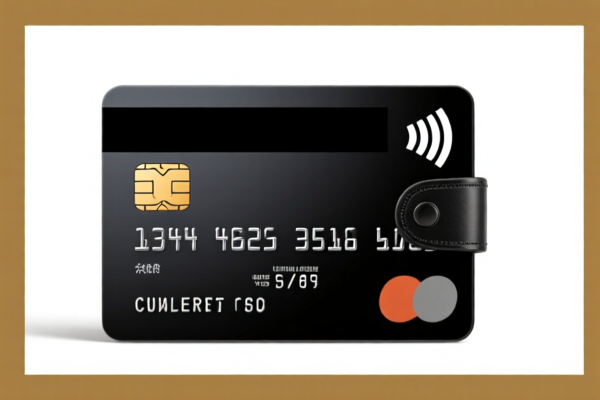
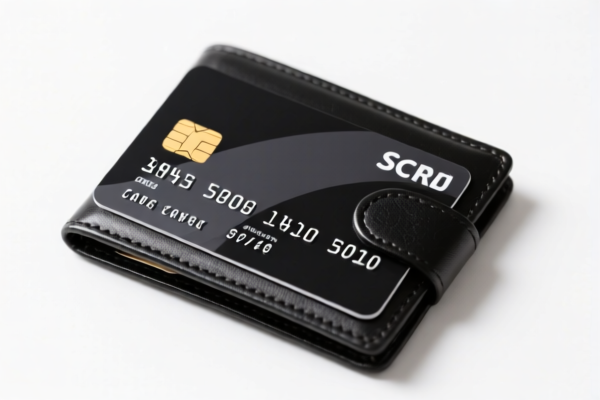


AI Analysis
💳 Wallet Card: The Ultimate Guide to Classification & Clearance (2026 Tariff Update)
🌐 HS Code Masterclass & Strategic Customs Clearance | 2026 Global Tax Strategy
📌 Part 1: Product Definition & Classification Logic
A Wallet Card (Card Holder/Card Case) is a versatile accessory designed for storing and organizing identification, credit, and membership cards. In international trade, its classification depends entirely on material composition and functional form:
- Plastic/Synthetic Cases: Classified under Chapter 39 (Plastics).
- Logic: It's a manufactured article of plastic not specified elsewhere.
- Paper/Cardboard Cases: Classified under Chapter 48 (Paper Products).
- Logic: It's a non-woven paper container or other paper制品.
- Leather/Textile/Lined Cases: Classified under Chapter 42 (Leather & Articles of Other Materials).
- Logic: It falls under "Other containers" or specific leather goods categories (the "catch-all" for small containers).
⚠️ CRITICAL DISTINGUISHING FACTOR:
- Plastic/Textile/Paper? → Goes to 39 or 48.
- Leather/Textile/Lined (Special Container)? → Goes to 42.
- Material dictates the Tax Rate! (From ~22% to 55%).
📦 Part 2: HS Code Classification Details (2026 Official Reference)
Below are the 4 precise HS Codes for Wallet Cards based on material and function, with exact tax breakdowns for US imports.
| HS Code | Product Description | Material & Logic | Total Tax Rate |
|---|---|---|---|
3926.90.99.89 |
Plastic Card Holder General "Other" Plastic Article |
Plastic/Synthetic. Fits "Other Articles of Plastics" (not elsewhere specified). |
22.8% |
4202.39.90.00 |
Leather/Textile Card Case Small Container (Catch-all) |
Leather, Plastic Lined, or Textile. Fits "Other Containers" in the "catch-all" leather/textile section. |
55.0% |
4823.90.86.80 |
Paper/Cardboard Card Holder | Paper/Cardboard. Fits "Other Paper Products" category. |
35.0% |
3926.90.87.00 |
Plastic Organizer/Binder | Plastic (Specialized). Fits "Other" plastic articles with specific filing/organizing features. |
40.3% |
🔍 Deep Dive into Logic: -
3926.90.99.89: The most common for generic plastic sleeves. Low base duty, but high Section 301/122 penalties. -4202.39.90.00: The Most Expensive! Even if it's just a plastic interior, if it's lined with leather or textile, it jumps to 55%. -4823.90.86.80: Only for pure paper/cardstock wallets. Zero base duty, but high Section 301 penalties. -3926.90.87.00: A specific subset of plastics, often for heavier-duty plastic binders or organizers. Higher than the generic plastic code.
💰 Part 3: 2026 Tariff Rate Deep Dive (US Market Focus)
✅ Applicable To: USA Import
✅ Origin: China (CN)
✅ Effective Date: 2026 (Based on current trade war policies)
🎯 1. 3926.90.99.89 (Plastic - General)
The "Sweet Spot" for Plastic Card Holders.
| Item | Detail |
|---|---|
| Base Tariff | 5.3% (Most Favored Nation) |
| Section 301 (Add'l) | +7.5% (Trade Remedies) |
| Section 122 | +10.0% (Additional US Measures) |
| Total Tax | 22.8% |
| De Minimis | ❌ NO (Not eligible for de minimis exemption) |
| Legal Path | 301:9903.88.01 → 122:9903.88.01 |
📌 Explanation:
This is the standard plastic card holder classification. While the base duty is low (5.3%), the Section 301 (7.5%) and Section 122 (10%) add-ons push the total to 22.8%. This is the most competitive rate for plastic products.
🎯 2. 4202.39.90.00 (Leather/Textile Container)
The "Tax Trap" – Highest Risk for Misclassification.
| Item | Detail |
|---|---|
| Base Tariff | 20.0% (Base rate for leather/textile articles) |
| Section 301 (Add'l) | +25.0% (Aggressive Section 301) |
| Section 122 | +10.0% (Additional US Measures) |
| Total Tax | 55.0% |
| De Minimis | ❌ NO (Highly regulated) |
| Legal Path | 301:9903.88.01 (High tier) → 122:9903.88.01 |
📌 Explanation:
Warning! If your card holder has any leather, faux-leather, or textile lining, it falls here. The base duty is already 20%, plus a massive 25% Section 301 penalty (vs 7.5% for plastic), totaling 55%. Do not classify plastic items here unless they are lined.
🎯 3. 4823.90.86.80 (Paper Products)
The "Zero Base, High Penalty" Scenario.
| Item | Detail |
|---|---|
| Base Tariff | 0.0% (Paper products often have MFN 0%) |
| Section 301 (Add'l) | +25.0% (High Section 301) |
| Section 122 | +10.0% (Additional US Measures) |
| Total Tax | 35.0% |
| De Minimis | ❌ NO |
| Legal Path | 301:9903.88.01 → 122:9903.88.01 |
📌 Explanation:
Pure paper wallets look like a steal (0% base), but the 25% Section 301 penalty is harsh. Total is 35%, which is still 12.2% higher than the plastic version (3926.90.99.89). Paper is not the cheapest option due to US punitive tariffs.
🎯 4. 3926.90.87.00 (Plastic Organizer)
The "Specialized Plastic" Scenario.
| Item | Detail |
|---|---|
| Base Tariff | 5.3% (Same as general plastic) |
| Section 301 (Add'l) | +25.0% (Aggressive Section 301) |
| Section 122 | +10.0% (Additional US Measures) |
| Total Tax | 40.3% |
| De Minimis | ❌ NO |
| Legal Path | 301:9903.88.01 (High tier) → 122:9903.88.01 |
📌 Explanation:
Why is this higher than3926.90.99.89? Because...87.00implies a specific "filing/organizing" function that triggers the 25% Section 301 rate instead of the lower 7.5% rate for general plastic articles. Only use this if the product is specifically an "organizer" or "binder."
🛠️ Part 4: Customs Clearance Strategy (Action Plan)
✅ 1. Material Verification Checklist (Crucial)
Before shipping, you MUST confirm the material composition. A simple mistake can double your tax cost.
| Material Composition | Correct HS Code | Wrong Code Risk |
|---|---|---|
| 100% Plastic/PVC | 3926.90.99.89 (22.8%) |
If declared as Leather (4202) → 55% (Loss!) |
| Plastic + Leather Lining | 4202.39.90.00 (55.0%) |
If declared as Plastic → Audit/Fine |
| Cardboard/Paper Only | 4823.90.86.80 (35.0%) |
If declared as Plastic → 22.8% vs 35% difference |
| Heavy Duty Plastic Binder | 3926.90.87.00 (40.3%) |
If declared as Generic (...99.89) → 22.8% vs 40.3% difference |
📌 Key Tip: "Lining" changes everything. If there is any fabric, leather, or textile inside, the tariff jumps to 55%.
✅ 2. Declaration Best Practices (Golden Rules)
🔥 "Declare Material, Specify Function, Avoid Ambiguity!"
| Scenario | Correct Declaration | Wrong Declaration |
|---|---|---|
| Plastic Card Holder | Plastic Card Holder, 100% PVC, No Lining |
Leather Wallet (Even if plastic) |
| Paper Wallet | Paper Card Holder, Recycled Cardboard |
Plastic Case |
| Leather Lined Case | Leather-Lined Card Case, Textile Interior |
Plastic Card Holder |
| Bulk Shipment | Mixed Materials: 50% Plastic, 50% Leather |
Generic Card Holder |
⚠️ Warning: Do not use "Leather Wallet" as a generic term for plastic items. US Customs (CBP) will verify via x-ray or physical inspection. If material doesn't match, you face penalties + 55% tax.
✅ 3. Special Circumstances & Solutions
| Situation | Recommended Action |
|---|---|
| Sample/Prototype | Declare as "Sample, No Commercial Value" → Still subject to duty if value > $800 (De Minimis). |
| OEM Private Label | Ensure the material description matches the factory spec sheet (Plastic vs. Leather). |
| Lined Card Holder | If possible, switch to 100% Plastic design to use 3926.90.99.89 (Save 32.2% in tax!). |
| Paper Product | Check if "Recycled" status applies for green tax benefits (unlikely in US, but good for EU). |
🌍 Part 5: Global Comparison (2026 Trends)
| Region | Recommended HS Code | Est. Total Tax | Key Requirement |
|---|---|---|---|
| 🇺🇸 USA | 3926.90.99.89 (Plastic) |
22.8% | Strict Material Check |
| 🇺🇸 USA | 4202.39.90.00 (Leather) |
55.0% | High Risk Category |
| 🇨🇳 China | 4202.39.90.00 |
0% - 5% | Low Base Duty, No 301 |
| 🇪🇺 EU | 4202.39.90.00 |
0% - 10% | No Section 301 |
| 🇦🇺 Australia | 3926.90.99.89 |
5% - 10% | Standard Tariff |
📌 Conclusion:
The US market is the most expensive for card holders due to Section 301 and 122 tariffs.
- Plastic is your cheapest option (22.8%).
- Leather/Textile is your most expensive (55%).
- Paper is a middle ground (35%).
📌 Part 6: Common Mistakes & How to Avoid Them
❌ Mistake 1: Calling a plastic card holder a "Leather Wallet" because it looks expensive.
👉 Consequence: Tax jumps from 22.8% to 55%. Overpayment!
❌ Mistake 2: Declaring a paper wallet as plastic to save on Section 301.
👉 Consequence: Customs audit → Fine + 35% tax (Paper) + Penalty.
❌ Mistake 3: Using 4202.39.90.00 for a generic plastic item.
👉 Consequence: Unnecessary 32.2% tax increase.
❌ Mistake 4: Ignoring the "Lining" detail.
👉 Consequence: If a plastic case has a fabric pocket, it becomes Leather/Textile classification (55%).
✅ Correct Action:
"Card Holder, Material: 100% PVC (Plastic), No Lining, Model: XYZ-2026."
Always be specific about material!
🎯 Part 7: Final Summary & Call to Action
🎯 Remember the Tax Hierarchy:
🔹 Cheapest: Plastic (General) = 22.8% (
3926.90.99.89)
🔹 Middle: Paper = 35.0% (4823.90.86.80)
🔹 Expensive: Plastic Organizer = 40.3% (3926.90.87.00)
🔹 Most Expensive: Leather/Textile = 55.0% (4202.39.90.00)
📌 Strategic Advice:
If you can design your card holder to be 100% Plastic without any lining, you save 32.2% in taxes compared to the leather/textile version. Optimize your BOM (Bill of Materials) for Tax Efficiency!
📣 Immediate Action Required: 1. Verify Material: Check your product specs. 2. Select Code: Match material to the correct HS Code table above. 3. Calculate: Apply the correct tax rate (22.8%, 35%, 40.3%, or 55%). 4. Declare: Use precise material descriptions in your commercial invoice.
✨ Smart Classification = High Profit!
💼 Don't let tariff confusion eat your margins!
Customer Reviews
About HS Code Classification
The Harmonized System (HS) is an internationally standardized nomenclature developed by the World Customs Organization (WCO) to classify traded products. Over 200 countries use the HS system as the basis for customs tariffs, trade statistics, and import/export regulations.
Each HS code follows a hierarchical structure:
- Chapter (2 digits) — Broad category of goods (e.g., Chapter 84: Machinery and Mechanical Appliances)
- Heading (4 digits) — More specific grouping within the chapter
- Subheading (6 digits) — Internationally standardized breakdown, used by all WCO member countries
- National subdivisions (8-10 digits) — Country-specific extensions for further classification, such as US HTSUS 10-digit codes
Correct HS code classification is essential for smooth customs clearance, accurate duty payment, and compliance with trade regulations. Misclassification can lead to customs delays, overpayment of duties, or penalties.
When importing from CN to US, the applicable tariff rates may include:
- Most-Favored-Nation (MFN) rate — The standard duty rate applied to WTO members
- General rate — Applied to countries without trade agreements
- Trade remedy duties — Additional tariffs such as Section 301 (anti-dumping), Section 232 (national security), or countervailing duties
The information provided on this page is for reference purposes only. For official classification, please consult with your local customs authority or a licensed customs broker.