Waste Catalyst
CN → US| HS编码 | 关税税率 | 原产国 | 目的国 | 文档 |
|---|---|---|---|---|
| 3825610000 | 35.0% | CN | US | 官方文档 |
| 8113000000 | 38.7% | CN | US | 官方文档 |
| 2620998500 | 35.0% | CN | US | 官方文档 |
| 3825690000 | 35.0% | CN | US | 官方文档 |
| 2620993000 | 35.0% | CN | US | 官方文档 |
商品图片
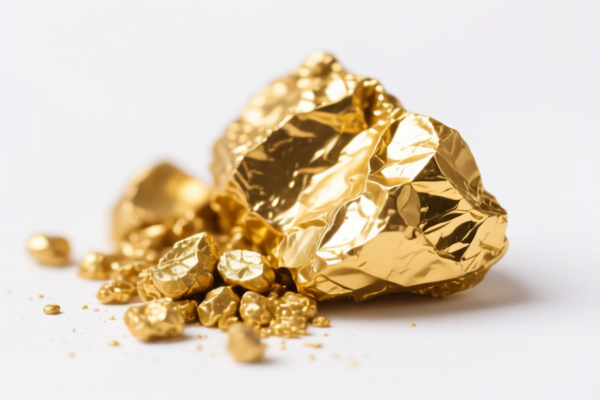
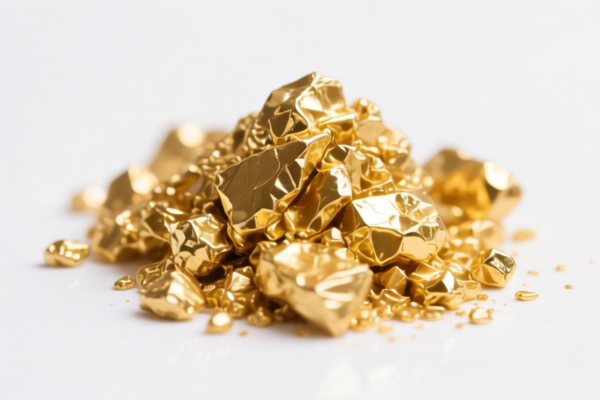
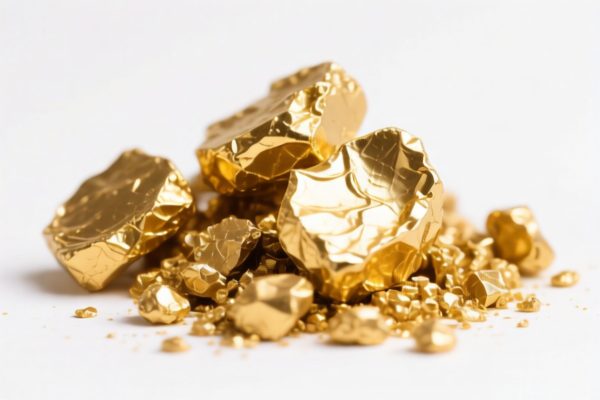
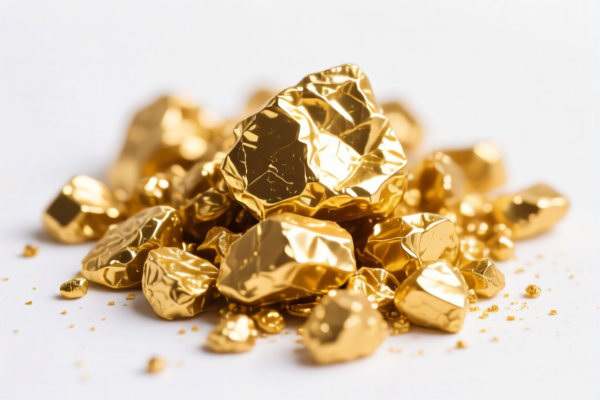
AI分析
☣️ Waste Catalyst (Catalyst Waste/Sludge)
🌐 HS Code Reference & Customs Clearance Guide | 2026 Latest Tariff Analysis | Professional Clearance Strategy
📌 One, Product Definition & Classification: What Exactly is "Waste Catalyst"?
Waste catalysts are residues generated during chemical and related industrial processes. They are complex mixtures that generally fall into one of two categories: 1. Chemical Industrial Waste: Primarily composed of organic or inorganic chemical substances, often serving as by-products of synthesis or purification. 2. Metal/Metalloid Residues: Containing metal ceramics, metal compounds, or heavy metal ashes/sludges resulting from catalytic reactions.
⚠️ Key Distinction Point: - If the waste is primarily organic/inorganic chemical residue (no significant metallic matrix) → It falls under Chapter 38 (Miscellaneous Chemical Products). - If the waste contains metal ceramics or metal compounds/ashes (significant metallic content) → It falls under Chapter 81 (Base Metals) or Chapter 26 (Mineral Products).
📦 2. HS Code Classification Details (2026 Latest Tariff Authority Comparison)
Based on the provided data, there are 5 potential HS Codes depending on the precise chemical composition and physical state of the waste.
| HS Code | Product Description | Applicability Scenario | Material Characteristic |
|---|---|---|---|
3825.61.00.00 |
Catalyst waste (Chemical Industry Waste) | Chemical production residues; organic/inorganic chemical mixtures | Matches "Other waste from chemical industries" containing organic components |
3825.69.00.00 |
Catalyst waste (Other Chemical Waste) | Chemical industry residues not specified elsewhere | Matches "Other chemical industry residues/waste" |
8113.00.00.00 |
Waste of cermets (Metal Ceramics) | Contains metal-ceramic components; composite material residues | Fits "Cermets and articles thereof, including waste and scrap" |
2620.99.85.00 |
Residues of metals/metal compounds (Other) | Metallic slag, ash, or residues with mixed metal content | Fits "Slag, ash and residues containing metals... other than those of heading 2620" |
2620.99.30.00 |
Residues of metals/metal compounds (Other Category) | General metallic residue not fitting specific sub-categories | Fits "Residues from the manufacture of metals" (Other category) |
🔍 Critical Reminder: - Chemical vs. Metallic: If the catalyst support is organic/carbon-based and the active metal is minimal or leached out, classify under 3825. If the catalyst is a solid metallic structure (e.g., Pd, Pt, Ni on ceramic) and remains in waste form, 8113 or 2620 may apply. - Specificity:
3825.61is more specific for "catalyst waste" than3825.69. If the waste is purely catalyst waste from chemical processes, prefer3825.61. If it’s a mixed industrial residue,3825.69is safer. For metallic-heavy waste,2620is common.
💰 3. 2026 Latest Tariff Rate Details (Including Surcharges, Policy Add-ons)
✅ Applicable Country: United States (US)
✅ Origin: China (CN)
✅ Effective Time: 2025/2026 Import Period
🎯 1. Chemical Waste Codes (3825.61.00.00 & 3825.69.00.00)
| Item | Content |
|---|---|
| Base Duty Rate | 0.0% (ad valorem) |
| Section 301 Surcharge (Added Tariff) | +25.0% (USITC Footnote for Chinese goods) |
| Section 122 Tariff (IEEPA/Specific Provision) | +10.0% (Specific levy on certain Chinese industrial inputs) |
| Total Tariff Rate | 35.0% |
| Tax Calculation | CIF Value × 35% |
| De Minimis Exemption | ❌ Not Eligible (Waste/Residue items are typically excluded from $800 de minimis) |
| Legal Basis Path | Base: 3825 → Section 301: 877.204.02 → Section 122: Specific Clause |
📌 Explanation:
- The 0% base duty reflects that these are industrial wastes, not finished goods. - The 25% Section 301 tariff applies to almost all chemical inputs/wastes from China. - The 10% Section 122 tariff is an additional layer for specific chemical/material categories. - Total: 35%. This is a high-cost classification for exporters. Do not assume zero duty because it is "waste."
🎯 2. Cermet Waste Code (8113.00.00.00)
| Item | Content |
|---|---|
| Base Duty Rate | 3.7% |
| Section 301 Surcharge (Added Tariff) | +25.0% |
| Section 122 Tariff | +10.0% |
| Total Tariff Rate | 38.7% |
| Tax Calculation | CIF Value × 38.7% |
| De Minimis Exemption | ❌ Not Eligible |
| Legal Basis Path | Base: 8113 → Section 301: 877.204.02 → Section 122: Specific Clause |
📌 Note:
- Highest Total Rate: This is the most expensive classification in the dataset. - If your waste catalyst is a metal-ceramic composite (e.g., palladium on alumina/cordierite monolith), this code applies. - Recommendation: If possible, re-evaluate if the waste can be classified as chemical waste (3825) to save 3.7% in total duties, provided the chemical nature dominates.
🎯 3. Metal Residue Codes (2620.99.85.00 & 2620.99.30.00)
| Item | Content |
|---|---|
| Base Duty Rate | 0.0% |
| Section 301 Surcharge (Added Tariff) | +25.0% |
| Section 122 Tariff | +10.0% |
| Total Tariff Rate | 35.0% |
| Tax Calculation | CIF Value × 35% |
| De Minimis Exemption | ❌ Not Eligible |
| Legal Basis Path | Base: 2620 → Section 301: 877.204.02 → Section 122: Specific Clause |
📌 Explanation:
- Similar to3825, the base duty is 0%. - Used when the waste is clearly metallic slag/ash (e.g., spent catalytic converter scrap with high noble metal content, often classified under residues). - Total: 35%. Same as chemical waste. Choose2620if the material is predominantly metallic in nature and not considered a "chemical product."
🛠️ 4. Customs Clearance Practical Advice (Real-World Pitfall Avoidance Guide)
✅ 1. Mandatory Documentation Checklist
| Document | Required? | Description |
|---|---|---|
| ✅ MSDS (Material Safety Data Sheet) | ✔️ Mandatory | Must detail hazardous components, heavy metals, and organic solvents. |
| ✅ Composition Analysis Report | ✔️ Mandatory | Third-party lab report showing % of metal oxides, organic content, and catalyst type. |
| ✅ Commercial Invoice | ✔️ | Must explicitly state "Waste Catalyst" or "Spent Catalyst," NOT "New Catalyst." |
| ✅ Packing List | ✔️ | Detail net/gross weight. Ensure packaging meets UN standards for hazardous waste if applicable. |
| ✅ Environmental Clearance | ✔️ | US EPA requires notification for import of hazardous waste. RCRA Compliance is critical. |
| ✅ Certificate of Origin | ✔️ | To apply specific tariff rates (CN origin triggers Section 301). |
✅ 2. Declaration Strategy (Key Mantras)
🔥 "Truth in Composition, HazMat in Mind, HS Code Matches Material!"
| Scenario | Correct Declaration | Wrong Practice | Consequence |
|---|---|---|---|
| Organic/Inorganic Waste | 3825.61.00.00 |
Declared as 3824.99 (Misc. Chem) |
Higher duty risk (Base 5-6% + 25% + 10% = 40-41%) |
| Metal Ceramic Waste | 8113.00.00.00 |
Declared as 8113.10 (New Cermets) |
Severe Penalty: False declaration of "New" vs "Waste" |
| Metallic Ash/Slag | 2620.99.85.00 |
Declared as 2620.99.30 (If specific match exists) |
Minor risk, but ensure exact subheading match |
| Noble Metal Recovery | 2620.99 |
Declared as 7126 (Precious Metals) |
Major Red Flag: Customs will inspect for value declaration |
📌 Warning:
- Do NOT under-declare value. Waste catalysts often contain precious metals (Pd, Pt, Rh). If customs detects high metal content and you declared it as "low-value chemical waste," you face fraud investigations. - Hazardous Waste Alert: If the waste contains carcinogenic organics or high heavy metal levels, it may be classified as Hazardous Waste under EPA rules. Import may be prohibited or require expensive special handling.
✅ 3. Special Cases & Handling
| Situation | Handling Advice |
|---|---|
| Recycling/Recovery | If intended for metal recovery, declare as "Raw Material for Recovery" + provide recovery contract. May qualify for different handling. |
| Mixed Waste | If waste contains both chemical and metallic parts, classify by principal component or use the most hazardous component for safety declarations. |
| Used Catalytic Converters (Auto) | Often classified under 2620.99 or 7616 (if aluminum) + 8310 (waste). Ensure precise metal content analysis. |
| Biological Catalysts (Enzymes) | Not covered in this dataset. Typically fall under 3825.70 (Biological waste). Different tariff logic. |
🌍 5. Global Market Clearance Comparison (2026 Latest)
| Country/Region | Recommended HS Code | Estimated Duty (China Origin) | Certification/Compliance | Notes |
|---|---|---|---|---|
| 🇺🇸 USA | 3825.61.00.00 or 2620.99.85.00 |
35.0% | EPA RCRA, OSHA HazCom | Strict hazardous waste laws. High duty. |
| 🇨🇳 China | 3825.61.00.00 or 2620.99.85.00 |
0% - 5% | Environmental Protection Tax | Exporting to China requires strict "Solid Waste" ban compliance. |
| 🇪🇺 EU | 3825.61.00.00 or 2620.99.85.00 |
0% - 2% | Basel Convention, REACH | Strict tracking of transboundary waste movement. |
| 🇯🇵 Japan | 3825.61.00.00 |
0% - 5% | Waste Management Law | High standards for hazardous waste import. |
📌 Conclusion:
- USA has the highest combined tariff (35%) due to Section 301 and Section 122. - Compliance Cost in the USA is high due to EPA regulations. Ensure you have a licensed waste handler contract. - EU/Japan focus more on environmental compliance (Basel Convention) than high tariffs, but administrative barriers are significant.
📌 6. Common Mistakes & Pitfalls (Lessons Learned)
❌ Mistake 1: Declaring "Waste Catalyst" as "Used Catalyst" without specifying waste status
👉 Result: Customs may treat it as "Second-hand Goods" → Higher duty + Scrutiny for safety standards.
❌ Mistake 2: Ignoring the "Section 122" 10% tariff
👉 Result: Underpayment of duties → Back taxes + Penalties. Always calculate Base + 25% + 10%.
❌ Mistake 3: Failing to disclose Heavy Metal Content
👉 Result: EPA seizure → Return or Destruction at exporter's expense.
❌ Mistake 4: Using generic "Chemical Waste" code when it's clearly Metallic Residue
👉 Result: Classification error → Delay in customs clearance + Potential audit.
✅ Correct Practice:
"Spent Catalyst Waste, Composition: 15% Alumina, 2% Palladium, 83% Inorganic Residue. For Recycling. MSDS Attached. HS Code: 2620.99.85.00."
🎯 7. Conclusion: Professional Declaration Saves Money & Time
🎯 Remember the Mantra:
🔹 "Chemical Waste: 35% Duty. Metal Waste: 35% Duty. Cermet Waste: 38.7% Duty. No De Minimis!"
🔹 "Hazardous Waste? Check EPA First. Wrong HS Code? Pay the Difference."
📌 Pro Tip:
- If you are a recycler, apply for a Customs Bond and ensure your EPA ID number is on the invoice.
- Pre-clearance: Submit MSDS and Composition Report to your customs broker 7 days before arrival.
- Value Declaration: Declare the scrap value accurately. Do not understate, as customs may use reference values for precious metals.
📣 Immediate Action Required:
📞 Contact a licensed hazardous waste customs broker.
📄 Prepare MSDS + Composition Analysis + Recovery Contract.
🚀 Avoid Seizure, Avoid Penalties, Ensure Smooth Clearance!
✨ Professional Clearance, Start with Accurate Classification!
💼 Every Percent of Duty Counts, Every Document Matters!
用户评价
关于 HS 编码归类
协调制度(HS)是由世界海关组织(WCO)制定的国际贸易商品分类标准。全球 200 多个国家采用 HS 系统作为海关关税、贸易统计和进出口监管的基础。
每个 HS 编码遵循以下层级结构:
- 章(2 位)——商品大类(例如:第 84 章:机器和机械设备)
- 品目(4 位)——章内的更具体分类
- 子目(6 位)——国际通用细分,所有 WCO 成员国统一使用
- 本国细分(8-10 位)——各国自行扩展的细分编码,如美国 HTSUS 10 位编码
正确的 HS 编码归类对于顺利通关、准确缴纳关税和遵守贸易法规至关重要。错误归类可能导致海关延误、多缴关税或罚款。
从CN进口到US时,适用的关税税率可能包括:
- 最惠国(MFN)税率——适用于 WTO 成员国的标准关税税率
- 普通税率——适用于无贸易协定国家
- 贸易救济关税——附加关税,如 301 条款(反倾销)、232 条款(国家安全)或反补贴税
本页内容仅供参考。如需正式归类,请咨询当地海关或持牌报关代理。