Waste Catalyst
CN → US| HS Code | Tariff Rate | Origin | Destination | Doc |
|---|---|---|---|---|
| 3825610000 | 35.0% | CN | US | Official Doc |
| 8113000000 | 38.7% | CN | US | Official Doc |
| 2620998500 | 35.0% | CN | US | Official Doc |
| 3825690000 | 35.0% | CN | US | Official Doc |
| 2620993000 | 35.0% | CN | US | Official Doc |
Product Images
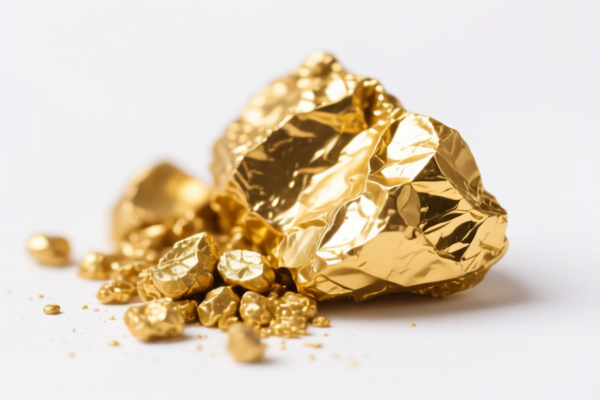
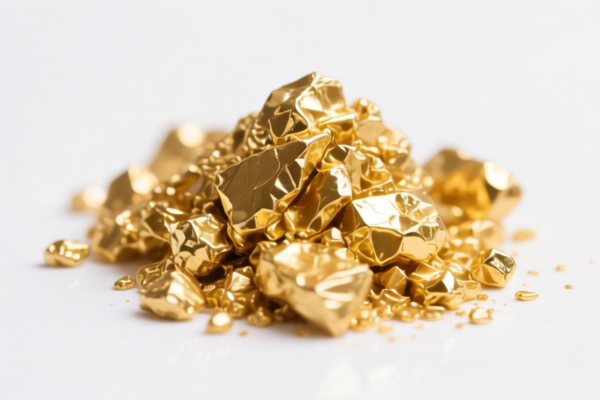
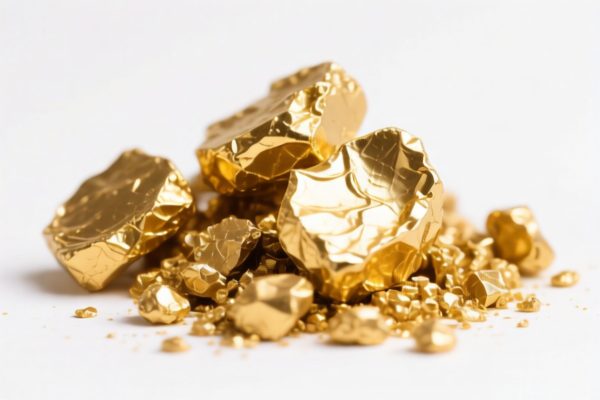
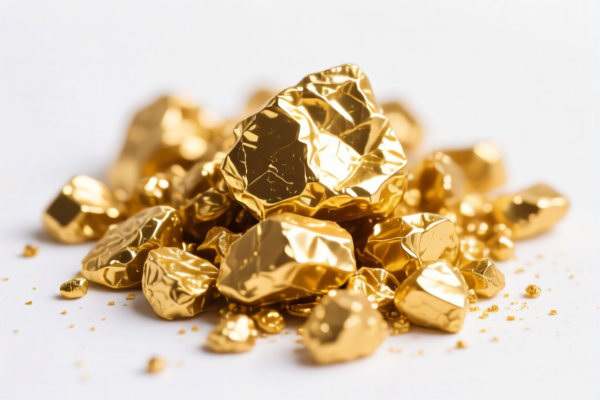
AI Analysis
☣️ Waste Catalyst (Catalyst Waste/Sludge)
🌐 HS Code Reference & Customs Clearance Guide | 2026 Latest Tariff Analysis | Professional Clearance Strategy
📌 One, Product Definition & Classification: What Exactly is "Waste Catalyst"?
Waste catalysts are residues generated during chemical and related industrial processes. They are complex mixtures that generally fall into one of two categories: 1. Chemical Industrial Waste: Primarily composed of organic or inorganic chemical substances, often serving as by-products of synthesis or purification. 2. Metal/Metalloid Residues: Containing metal ceramics, metal compounds, or heavy metal ashes/sludges resulting from catalytic reactions.
⚠️ Key Distinction Point: - If the waste is primarily organic/inorganic chemical residue (no significant metallic matrix) → It falls under Chapter 38 (Miscellaneous Chemical Products). - If the waste contains metal ceramics or metal compounds/ashes (significant metallic content) → It falls under Chapter 81 (Base Metals) or Chapter 26 (Mineral Products).
📦 2. HS Code Classification Details (2026 Latest Tariff Authority Comparison)
Based on the provided data, there are 5 potential HS Codes depending on the precise chemical composition and physical state of the waste.
| HS Code | Product Description | Applicability Scenario | Material Characteristic |
|---|---|---|---|
3825.61.00.00 |
Catalyst waste (Chemical Industry Waste) | Chemical production residues; organic/inorganic chemical mixtures | Matches "Other waste from chemical industries" containing organic components |
3825.69.00.00 |
Catalyst waste (Other Chemical Waste) | Chemical industry residues not specified elsewhere | Matches "Other chemical industry residues/waste" |
8113.00.00.00 |
Waste of cermets (Metal Ceramics) | Contains metal-ceramic components; composite material residues | Fits "Cermets and articles thereof, including waste and scrap" |
2620.99.85.00 |
Residues of metals/metal compounds (Other) | Metallic slag, ash, or residues with mixed metal content | Fits "Slag, ash and residues containing metals... other than those of heading 2620" |
2620.99.30.00 |
Residues of metals/metal compounds (Other Category) | General metallic residue not fitting specific sub-categories | Fits "Residues from the manufacture of metals" (Other category) |
🔍 Critical Reminder: - Chemical vs. Metallic: If the catalyst support is organic/carbon-based and the active metal is minimal or leached out, classify under 3825. If the catalyst is a solid metallic structure (e.g., Pd, Pt, Ni on ceramic) and remains in waste form, 8113 or 2620 may apply. - Specificity:
3825.61is more specific for "catalyst waste" than3825.69. If the waste is purely catalyst waste from chemical processes, prefer3825.61. If it’s a mixed industrial residue,3825.69is safer. For metallic-heavy waste,2620is common.
💰 3. 2026 Latest Tariff Rate Details (Including Surcharges, Policy Add-ons)
✅ Applicable Country: United States (US)
✅ Origin: China (CN)
✅ Effective Time: 2025/2026 Import Period
🎯 1. Chemical Waste Codes (3825.61.00.00 & 3825.69.00.00)
| Item | Content |
|---|---|
| Base Duty Rate | 0.0% (ad valorem) |
| Section 301 Surcharge (Added Tariff) | +25.0% (USITC Footnote for Chinese goods) |
| Section 122 Tariff (IEEPA/Specific Provision) | +10.0% (Specific levy on certain Chinese industrial inputs) |
| Total Tariff Rate | 35.0% |
| Tax Calculation | CIF Value × 35% |
| De Minimis Exemption | ❌ Not Eligible (Waste/Residue items are typically excluded from $800 de minimis) |
| Legal Basis Path | Base: 3825 → Section 301: 877.204.02 → Section 122: Specific Clause |
📌 Explanation:
- The 0% base duty reflects that these are industrial wastes, not finished goods. - The 25% Section 301 tariff applies to almost all chemical inputs/wastes from China. - The 10% Section 122 tariff is an additional layer for specific chemical/material categories. - Total: 35%. This is a high-cost classification for exporters. Do not assume zero duty because it is "waste."
🎯 2. Cermet Waste Code (8113.00.00.00)
| Item | Content |
|---|---|
| Base Duty Rate | 3.7% |
| Section 301 Surcharge (Added Tariff) | +25.0% |
| Section 122 Tariff | +10.0% |
| Total Tariff Rate | 38.7% |
| Tax Calculation | CIF Value × 38.7% |
| De Minimis Exemption | ❌ Not Eligible |
| Legal Basis Path | Base: 8113 → Section 301: 877.204.02 → Section 122: Specific Clause |
📌 Note:
- Highest Total Rate: This is the most expensive classification in the dataset. - If your waste catalyst is a metal-ceramic composite (e.g., palladium on alumina/cordierite monolith), this code applies. - Recommendation: If possible, re-evaluate if the waste can be classified as chemical waste (3825) to save 3.7% in total duties, provided the chemical nature dominates.
🎯 3. Metal Residue Codes (2620.99.85.00 & 2620.99.30.00)
| Item | Content |
|---|---|
| Base Duty Rate | 0.0% |
| Section 301 Surcharge (Added Tariff) | +25.0% |
| Section 122 Tariff | +10.0% |
| Total Tariff Rate | 35.0% |
| Tax Calculation | CIF Value × 35% |
| De Minimis Exemption | ❌ Not Eligible |
| Legal Basis Path | Base: 2620 → Section 301: 877.204.02 → Section 122: Specific Clause |
📌 Explanation:
- Similar to3825, the base duty is 0%. - Used when the waste is clearly metallic slag/ash (e.g., spent catalytic converter scrap with high noble metal content, often classified under residues). - Total: 35%. Same as chemical waste. Choose2620if the material is predominantly metallic in nature and not considered a "chemical product."
🛠️ 4. Customs Clearance Practical Advice (Real-World Pitfall Avoidance Guide)
✅ 1. Mandatory Documentation Checklist
| Document | Required? | Description |
|---|---|---|
| ✅ MSDS (Material Safety Data Sheet) | ✔️ Mandatory | Must detail hazardous components, heavy metals, and organic solvents. |
| ✅ Composition Analysis Report | ✔️ Mandatory | Third-party lab report showing % of metal oxides, organic content, and catalyst type. |
| ✅ Commercial Invoice | ✔️ | Must explicitly state "Waste Catalyst" or "Spent Catalyst," NOT "New Catalyst." |
| ✅ Packing List | ✔️ | Detail net/gross weight. Ensure packaging meets UN standards for hazardous waste if applicable. |
| ✅ Environmental Clearance | ✔️ | US EPA requires notification for import of hazardous waste. RCRA Compliance is critical. |
| ✅ Certificate of Origin | ✔️ | To apply specific tariff rates (CN origin triggers Section 301). |
✅ 2. Declaration Strategy (Key Mantras)
🔥 "Truth in Composition, HazMat in Mind, HS Code Matches Material!"
| Scenario | Correct Declaration | Wrong Practice | Consequence |
|---|---|---|---|
| Organic/Inorganic Waste | 3825.61.00.00 |
Declared as 3824.99 (Misc. Chem) |
Higher duty risk (Base 5-6% + 25% + 10% = 40-41%) |
| Metal Ceramic Waste | 8113.00.00.00 |
Declared as 8113.10 (New Cermets) |
Severe Penalty: False declaration of "New" vs "Waste" |
| Metallic Ash/Slag | 2620.99.85.00 |
Declared as 2620.99.30 (If specific match exists) |
Minor risk, but ensure exact subheading match |
| Noble Metal Recovery | 2620.99 |
Declared as 7126 (Precious Metals) |
Major Red Flag: Customs will inspect for value declaration |
📌 Warning:
- Do NOT under-declare value. Waste catalysts often contain precious metals (Pd, Pt, Rh). If customs detects high metal content and you declared it as "low-value chemical waste," you face fraud investigations. - Hazardous Waste Alert: If the waste contains carcinogenic organics or high heavy metal levels, it may be classified as Hazardous Waste under EPA rules. Import may be prohibited or require expensive special handling.
✅ 3. Special Cases & Handling
| Situation | Handling Advice |
|---|---|
| Recycling/Recovery | If intended for metal recovery, declare as "Raw Material for Recovery" + provide recovery contract. May qualify for different handling. |
| Mixed Waste | If waste contains both chemical and metallic parts, classify by principal component or use the most hazardous component for safety declarations. |
| Used Catalytic Converters (Auto) | Often classified under 2620.99 or 7616 (if aluminum) + 8310 (waste). Ensure precise metal content analysis. |
| Biological Catalysts (Enzymes) | Not covered in this dataset. Typically fall under 3825.70 (Biological waste). Different tariff logic. |
🌍 5. Global Market Clearance Comparison (2026 Latest)
| Country/Region | Recommended HS Code | Estimated Duty (China Origin) | Certification/Compliance | Notes |
|---|---|---|---|---|
| 🇺🇸 USA | 3825.61.00.00 or 2620.99.85.00 |
35.0% | EPA RCRA, OSHA HazCom | Strict hazardous waste laws. High duty. |
| 🇨🇳 China | 3825.61.00.00 or 2620.99.85.00 |
0% - 5% | Environmental Protection Tax | Exporting to China requires strict "Solid Waste" ban compliance. |
| 🇪🇺 EU | 3825.61.00.00 or 2620.99.85.00 |
0% - 2% | Basel Convention, REACH | Strict tracking of transboundary waste movement. |
| 🇯🇵 Japan | 3825.61.00.00 |
0% - 5% | Waste Management Law | High standards for hazardous waste import. |
📌 Conclusion:
- USA has the highest combined tariff (35%) due to Section 301 and Section 122. - Compliance Cost in the USA is high due to EPA regulations. Ensure you have a licensed waste handler contract. - EU/Japan focus more on environmental compliance (Basel Convention) than high tariffs, but administrative barriers are significant.
📌 6. Common Mistakes & Pitfalls (Lessons Learned)
❌ Mistake 1: Declaring "Waste Catalyst" as "Used Catalyst" without specifying waste status
👉 Result: Customs may treat it as "Second-hand Goods" → Higher duty + Scrutiny for safety standards.
❌ Mistake 2: Ignoring the "Section 122" 10% tariff
👉 Result: Underpayment of duties → Back taxes + Penalties. Always calculate Base + 25% + 10%.
❌ Mistake 3: Failing to disclose Heavy Metal Content
👉 Result: EPA seizure → Return or Destruction at exporter's expense.
❌ Mistake 4: Using generic "Chemical Waste" code when it's clearly Metallic Residue
👉 Result: Classification error → Delay in customs clearance + Potential audit.
✅ Correct Practice:
"Spent Catalyst Waste, Composition: 15% Alumina, 2% Palladium, 83% Inorganic Residue. For Recycling. MSDS Attached. HS Code: 2620.99.85.00."
🎯 7. Conclusion: Professional Declaration Saves Money & Time
🎯 Remember the Mantra:
🔹 "Chemical Waste: 35% Duty. Metal Waste: 35% Duty. Cermet Waste: 38.7% Duty. No De Minimis!"
🔹 "Hazardous Waste? Check EPA First. Wrong HS Code? Pay the Difference."
📌 Pro Tip:
- If you are a recycler, apply for a Customs Bond and ensure your EPA ID number is on the invoice.
- Pre-clearance: Submit MSDS and Composition Report to your customs broker 7 days before arrival.
- Value Declaration: Declare the scrap value accurately. Do not understate, as customs may use reference values for precious metals.
📣 Immediate Action Required:
📞 Contact a licensed hazardous waste customs broker.
📄 Prepare MSDS + Composition Analysis + Recovery Contract.
🚀 Avoid Seizure, Avoid Penalties, Ensure Smooth Clearance!
✨ Professional Clearance, Start with Accurate Classification!
💼 Every Percent of Duty Counts, Every Document Matters!
Customer Reviews
About HS Code Classification
The Harmonized System (HS) is an internationally standardized nomenclature developed by the World Customs Organization (WCO) to classify traded products. Over 200 countries use the HS system as the basis for customs tariffs, trade statistics, and import/export regulations.
Each HS code follows a hierarchical structure:
- Chapter (2 digits) — Broad category of goods (e.g., Chapter 84: Machinery and Mechanical Appliances)
- Heading (4 digits) — More specific grouping within the chapter
- Subheading (6 digits) — Internationally standardized breakdown, used by all WCO member countries
- National subdivisions (8-10 digits) — Country-specific extensions for further classification, such as US HTSUS 10-digit codes
Correct HS code classification is essential for smooth customs clearance, accurate duty payment, and compliance with trade regulations. Misclassification can lead to customs delays, overpayment of duties, or penalties.
When importing from CN to US, the applicable tariff rates may include:
- Most-Favored-Nation (MFN) rate — The standard duty rate applied to WTO members
- General rate — Applied to countries without trade agreements
- Trade remedy duties — Additional tariffs such as Section 301 (anti-dumping), Section 232 (national security), or countervailing duties
The information provided on this page is for reference purposes only. For official classification, please consult with your local customs authority or a licensed customs broker.