Waste Glass Fragments
CN → US| HS编码 | 关税税率 | 原产国 | 目的国 | 文档 |
|---|---|---|---|---|
| 7001005100 | 35.0% | CN | US | 官方文档 |
| 7001002000 | 38.0% | CN | US | 官方文档 |
商品图片
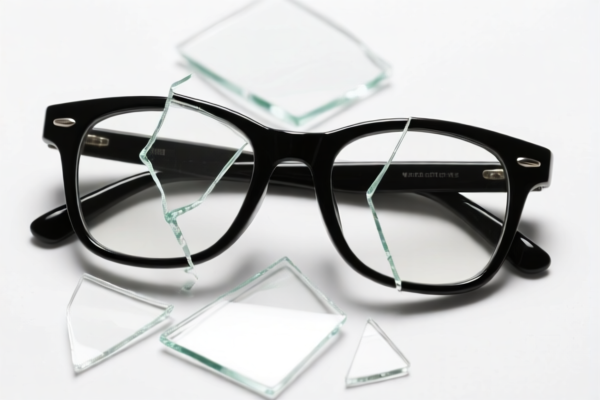
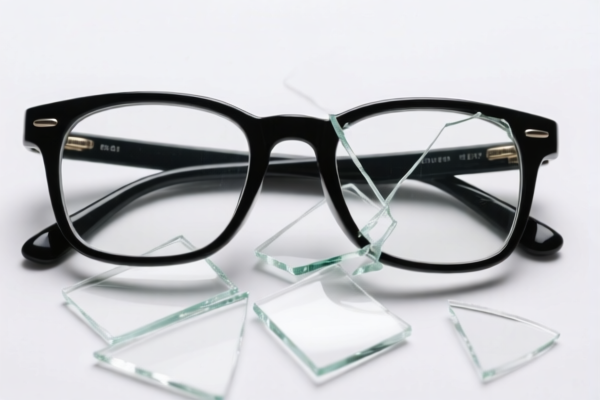
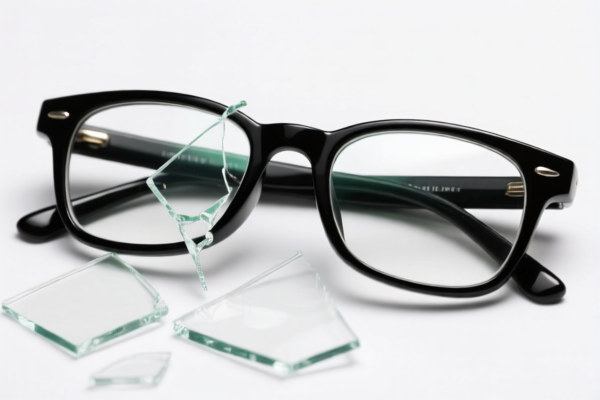
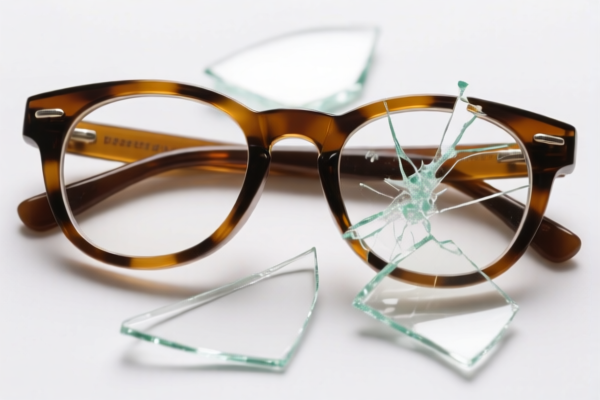
AI分析
🌪️ Waste Glass Fragments (Cullet & Scrap)
🌐 HS Code Reference & Customs Clearance Guide | 2026 Latest Tariff Analysis | Strategic Compliance Strategy
📌 I. Product Definition & Classification: Do You Understand "Waste Glass"?
Waste Glass Fragments (often referred to as "Cullet" or "Glass Scrap") are recycled materials derived from broken glass, manufacturing off-cuts, or post-consumer glass waste. In international trade, these materials are strictly regulated under Chapter 70 (Glass and Glassware).
The critical distinction lies in the form and origin: * Cullet/Scrap: Crushed, fragmented, or granulated glass waste. This is the most common form for recycling. * Glass in the Mass: Glass that has been melted down into a molten state or large, unprocessed chunks before being formed.
⚠️ Key Exclusion:
- Glass from Cathode-Ray Tubes (CRTs) or other activated glass (Heading 8549) is EXCLUDED from these codes.
- If your waste glass contains leaded glass (from CRTs), it requires different classification and environmental handling.
📦 II. HS Code Classification Details (2026 Latest Tariff Authority Comparison)
Based on the provided data, there are two primary classifications for waste glass fragments depending on their physical state:
| HS Code | Product Description | Applicable Scenario | Physical State |
|---|---|---|---|
7001.00.51.00 |
Cullet and other waste and scrap of glass; Other | Recycled glass fragments, crushed glass, mixed color scrap | 🥣 Crushed/Fragmented |
7001.00.20.00 |
Cullet and other waste and scrap of glass; Glass in the mass: Other | Glass in bulk/mass form, large lumps, or molten-stage preparation | 🧊 Bulk/Mass |
🔍 Critical Distinction:
-7001.00.51.00: Used for typical scrap/cullet (crushed, broken pieces). This is the most common code for recycling inputs.
-7001.00.20.00: Used for glass in the mass. This implies a different physical state, often larger or less processed than typical "cullet," or specifically categorized under "Glass in the Mass" subheading.
- Note: The provided data does not list other subcodes (like 59.00 or 00.99), so we strictly adhere to these two based on the input.
💰 III. 2026 Latest Tariff Rate Details (Including Surtaxes)
✅ Applicable Country: United States (US)
✅ Origin: China (CN) (Note: Data implies standard US-China trade context given the 25% surtax structure)
✅ Effective Time: Current Trade Policy
🎯 1. 7001.00.51.00 —— Cullet and Other Waste/Scrap of Glass (Other)
| Item | Content |
|---|---|
| Basic Tariff | 0.0% |
| Additional Surtax | +25.0% |
| Total Tax Rate | 25.0% |
| Tax Calculation | CIF Value × 25% |
| De Minimis Exemption | ❌ Not Eligible (High tariffs usually bypass de minimis) |
| Legal Basis Path | USITC:7001.00.51.00 → Section 301 Footnote |
📌 Explanation:
- Basic Tariff (0%): Glass scrap is often viewed as a raw material/resource, attracting low base duty.
- Additional Surtax (25%): This reflects the Section 301 tariffs imposed on Chinese goods.
- Total Cost Impact: For every $10,000 worth of waste glass, you pay $2,500 in duties.
🎯 2. 7001.00.20.00 —— Glass in the Mass (Other)
| Item | Content |
|---|---|
| Basic Tariff | 0.0% |
| Additional Surtax | 0.0% |
| Total Tax Rate | 0.0% |
| Tax Calculation | $0 |
| De Minimis Exemption | ✅ Potentially Eligible (Low/No tariff) |
| Legal Basis Path | USITC:7001.00.20.00 |
📌 Explanation:
- Total Tariff (0%): This specific subcode under "Glass in the Mass" appears to be exempt from the additional 25% surtax in this dataset.
- Strategic Implication: If your waste glass can be legally classified as "Glass in the Mass" rather than "Scrap/Cullet," you save 25%. However, this requires strict adherence to physical form definitions (e.g., large blocks vs. crushed particles).
🛠️ IV. Customs Clearance Practical Advice (Field Avoidance Guide)
✅ 1. Preparation Checklist (No Missing Documents)
| Document | Required | Notes |
|---|---|---|
| ✅ Commercial Invoice | ✔️ | Must clearly state "Waste Glass Fragments" or "Cullet". Avoid vague terms like "Recycled Material". |
| ✅ Packing List | ✔️ | Detail weight, volume, and packaging type (e.g., bales, bulk bags). |
| ✅ Product Photos | ✔️ | Show the glass fragments clearly to prove it is not CRT glass or activated glass. |
| ✅ Certification of Composition | ✔️ | Prove it is not hazardous waste (e.g., no leaded glass from electronics). |
| ✅ Certificate of Origin | ✔️ | Essential for determining surtax applicability. |
| ✅ Environmental Permit | ✔️ | Some US ports may require EPA documentation for waste imports. |
✅ 2. Declaration Tips (Key Mantra)
🔥 “Form Defines Code, Source Defines Tax!”
| Scenario | Correct Declaration | Wrong Practice |
|---|---|---|
| Crushed/Mixed Glass Scrap | 7001.00.51.00 (25% Tax) |
Misdeclaring as "Glass in Mass" to avoid tax → Audit Risk |
| Large Glass Blocks/Mass | 7001.00.20.00 (0% Tax) |
Declaring as "Scrap" when it's "Mass" → Overpayment |
| CRT/Electronic Glass | Exclude from 7001 | Declaring as "Waste Glass" → Smuggling/Illicit Waste Charge |
| Mixed with Plastic/Metal | Clean the Glass | Mixed waste may be classified as "Waste, n.e.c." with different rules |
✅ 3. Special Situation Handling
| Situation | Handling Advice |
|---|---|
| Mixed Colors vs. Clear Only | Both fall under 7001.00.51.00. No tax difference, but quality affects market value. |
| Contaminated Glass | If contaminated with food/chemicals, it may be classified as hazardous waste, not just glass scrap. Requires EPA approval. |
| CRT Glass | DO NOT use 7001 codes. CRT glass falls under 8549 or waste electrical equipment codes. Misclassification is severe. |
| Recycled Input for US Manufacturer | Ensure the importer is a legitimate recycling facility. Some ports restrict waste imports to specific licensed entities. |
🌍 V. Global Market Clearance Comparison (2026 Latest)
| Country/Region | Recommended HS Code | Tariff | Certification | Notes |
|---|---|---|---|---|
| 🇺🇸 USA | 7001.00.51.00 |
25% | EPA/State Permit | High scrutiny on "Waste" imports. |
| 🇺🇸 USA | 7001.00.20.00 |
0% | EPA/State Permit | Only if physically "in the mass". |
| 🇪🇺 EU | 7001.00 |
Varies (0-6%) | EU Waste Shipment Reg. | Strict environmental controls. |
| 🇨🇳 China | 7001.00 |
0% | GB Standards | Import restrictions on waste glass are tight. |
📌 Conclusion:
- USA is the most complex market due to Section 301 tariffs and environmental regulations.
- Classification hinges on physical form: "Scrap" (25%) vs. "Mass" (0%).
- Verify Origin: If from a country with FTAs, surtaxes may not apply, but basic duties remain.
📌 VI. Common Errors & Pitfalls (Blood & Tears Lessons)
❌ Error 1: Declaring "Glass Waste" without specifying form.
👉 Result: CBP will examine the physical goods. If crushed, it’s 51.00 (25%). If bulk, 20.00 (0%). Delays and potential penalties.
❌ Error 2: Including CRT Glass in "Waste Glass" shipment.
👉 Result: Illegal waste shipment. High fines, seizure, and potential criminal charges.
❌ Error 3: Assuming "Recycled" means "Duty-Free".
👉 Result: Recycling status does not override Section 301 tariffs for Chinese-origin goods. 25% still applies.
❌ Error 4: Mixing "Glass in the Mass" with "Scrap" in one shipment.
👉 Result: Customs may classify the entire shipment under the highest duty code (51.00). Separate shipments or precise packing lists are needed.
✅ Correct Practice:
"Clean Cullet, Mixed Color, Crushed Fragments, Origin: China, HTS: 7001.00.51.00"
"Large Glass Blocks, Raw Material, Origin: China, HTS: 7001.00.20.00"
🎯 VII. Conclusion: Precision in Classification, Savings in Duties!
🎯 Remember the Mantra:
🔹 “Scrap is 25%, Mass is 0%, CRT is Forbidden!”
🔹 “Form Dictates Code, Code Dictates Cost, Misclassification is Costly!”
📌 Pro Tip:
If you have a large volume of waste glass, consult a licensed customs broker to apply for a Pre-Ruling on the classification of "Glass in the Mass" vs. "Cullet" if there is ambiguity in your physical form. This can save 25% in duties legally.
📣 Immediate Action:
📞 Audit your HS Codes: Are you paying 25% when you could be paying 0%?
🚀 Optimize your supply chain: Ensure physical form matches the declared HS Code.
📉 Reduce clearance costs: Proper classification saves thousands per container.
✨ Professional Clearance Starts with Precise Classification!
💼 Every percentage point saved is profit earned!
用户评价
关于 HS 编码归类
协调制度(HS)是由世界海关组织(WCO)制定的国际贸易商品分类标准。全球 200 多个国家采用 HS 系统作为海关关税、贸易统计和进出口监管的基础。
每个 HS 编码遵循以下层级结构:
- 章(2 位)——商品大类(例如:第 84 章:机器和机械设备)
- 品目(4 位)——章内的更具体分类
- 子目(6 位)——国际通用细分,所有 WCO 成员国统一使用
- 本国细分(8-10 位)——各国自行扩展的细分编码,如美国 HTSUS 10 位编码
正确的 HS 编码归类对于顺利通关、准确缴纳关税和遵守贸易法规至关重要。错误归类可能导致海关延误、多缴关税或罚款。
从CN进口到US时,适用的关税税率可能包括:
- 最惠国(MFN)税率——适用于 WTO 成员国的标准关税税率
- 普通税率——适用于无贸易协定国家
- 贸易救济关税——附加关税,如 301 条款(反倾销)、232 条款(国家安全)或反补贴税
本页内容仅供参考。如需正式归类,请咨询当地海关或持牌报关代理。