Waste Glass Fragments
CN → US| HS Code | Tariff Rate | Origin | Destination | Doc |
|---|---|---|---|---|
| 7001005100 | 35.0% | CN | US | Official Doc |
| 7001002000 | 38.0% | CN | US | Official Doc |
Product Images

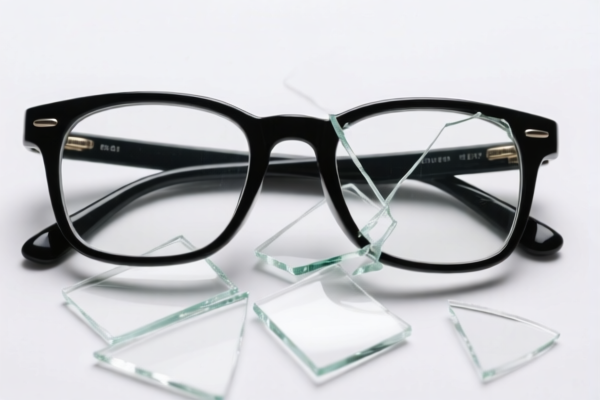
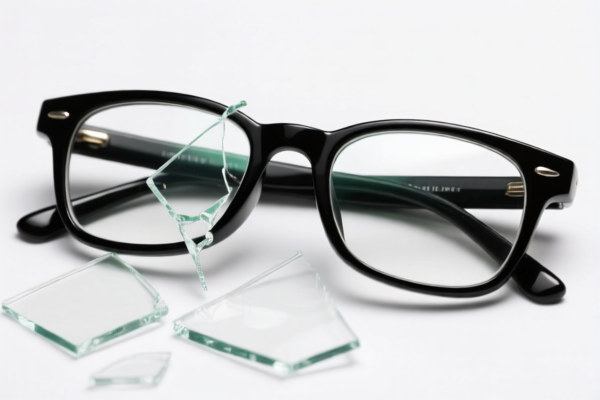
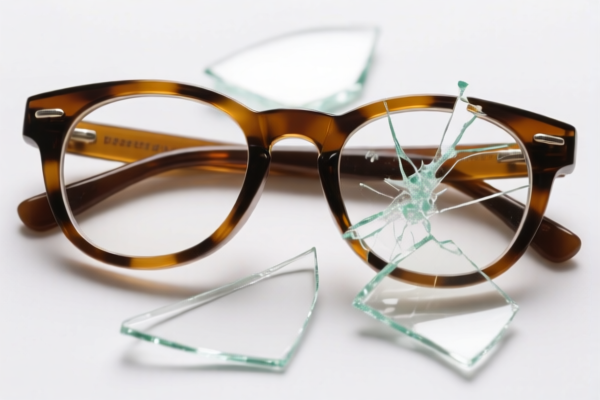
AI Analysis
🌪️ Waste Glass Fragments (Cullet & Scrap)
🌐 HS Code Reference & Customs Clearance Guide | 2026 Latest Tariff Analysis | Strategic Compliance Strategy
📌 I. Product Definition & Classification: Do You Understand "Waste Glass"?
Waste Glass Fragments (often referred to as "Cullet" or "Glass Scrap") are recycled materials derived from broken glass, manufacturing off-cuts, or post-consumer glass waste. In international trade, these materials are strictly regulated under Chapter 70 (Glass and Glassware).
The critical distinction lies in the form and origin: * Cullet/Scrap: Crushed, fragmented, or granulated glass waste. This is the most common form for recycling. * Glass in the Mass: Glass that has been melted down into a molten state or large, unprocessed chunks before being formed.
⚠️ Key Exclusion:
- Glass from Cathode-Ray Tubes (CRTs) or other activated glass (Heading 8549) is EXCLUDED from these codes.
- If your waste glass contains leaded glass (from CRTs), it requires different classification and environmental handling.
📦 II. HS Code Classification Details (2026 Latest Tariff Authority Comparison)
Based on the provided data, there are two primary classifications for waste glass fragments depending on their physical state:
| HS Code | Product Description | Applicable Scenario | Physical State |
|---|---|---|---|
7001.00.51.00 |
Cullet and other waste and scrap of glass; Other | Recycled glass fragments, crushed glass, mixed color scrap | 🥣 Crushed/Fragmented |
7001.00.20.00 |
Cullet and other waste and scrap of glass; Glass in the mass: Other | Glass in bulk/mass form, large lumps, or molten-stage preparation | 🧊 Bulk/Mass |
🔍 Critical Distinction:
-7001.00.51.00: Used for typical scrap/cullet (crushed, broken pieces). This is the most common code for recycling inputs.
-7001.00.20.00: Used for glass in the mass. This implies a different physical state, often larger or less processed than typical "cullet," or specifically categorized under "Glass in the Mass" subheading.
- Note: The provided data does not list other subcodes (like 59.00 or 00.99), so we strictly adhere to these two based on the input.
💰 III. 2026 Latest Tariff Rate Details (Including Surtaxes)
✅ Applicable Country: United States (US)
✅ Origin: China (CN) (Note: Data implies standard US-China trade context given the 25% surtax structure)
✅ Effective Time: Current Trade Policy
🎯 1. 7001.00.51.00 —— Cullet and Other Waste/Scrap of Glass (Other)
| Item | Content |
|---|---|
| Basic Tariff | 0.0% |
| Additional Surtax | +25.0% |
| Total Tax Rate | 25.0% |
| Tax Calculation | CIF Value × 25% |
| De Minimis Exemption | ❌ Not Eligible (High tariffs usually bypass de minimis) |
| Legal Basis Path | USITC:7001.00.51.00 → Section 301 Footnote |
📌 Explanation:
- Basic Tariff (0%): Glass scrap is often viewed as a raw material/resource, attracting low base duty.
- Additional Surtax (25%): This reflects the Section 301 tariffs imposed on Chinese goods.
- Total Cost Impact: For every $10,000 worth of waste glass, you pay $2,500 in duties.
🎯 2. 7001.00.20.00 —— Glass in the Mass (Other)
| Item | Content |
|---|---|
| Basic Tariff | 0.0% |
| Additional Surtax | 0.0% |
| Total Tax Rate | 0.0% |
| Tax Calculation | $0 |
| De Minimis Exemption | ✅ Potentially Eligible (Low/No tariff) |
| Legal Basis Path | USITC:7001.00.20.00 |
📌 Explanation:
- Total Tariff (0%): This specific subcode under "Glass in the Mass" appears to be exempt from the additional 25% surtax in this dataset.
- Strategic Implication: If your waste glass can be legally classified as "Glass in the Mass" rather than "Scrap/Cullet," you save 25%. However, this requires strict adherence to physical form definitions (e.g., large blocks vs. crushed particles).
🛠️ IV. Customs Clearance Practical Advice (Field Avoidance Guide)
✅ 1. Preparation Checklist (No Missing Documents)
| Document | Required | Notes |
|---|---|---|
| ✅ Commercial Invoice | ✔️ | Must clearly state "Waste Glass Fragments" or "Cullet". Avoid vague terms like "Recycled Material". |
| ✅ Packing List | ✔️ | Detail weight, volume, and packaging type (e.g., bales, bulk bags). |
| ✅ Product Photos | ✔️ | Show the glass fragments clearly to prove it is not CRT glass or activated glass. |
| ✅ Certification of Composition | ✔️ | Prove it is not hazardous waste (e.g., no leaded glass from electronics). |
| ✅ Certificate of Origin | ✔️ | Essential for determining surtax applicability. |
| ✅ Environmental Permit | ✔️ | Some US ports may require EPA documentation for waste imports. |
✅ 2. Declaration Tips (Key Mantra)
🔥 “Form Defines Code, Source Defines Tax!”
| Scenario | Correct Declaration | Wrong Practice |
|---|---|---|
| Crushed/Mixed Glass Scrap | 7001.00.51.00 (25% Tax) |
Misdeclaring as "Glass in Mass" to avoid tax → Audit Risk |
| Large Glass Blocks/Mass | 7001.00.20.00 (0% Tax) |
Declaring as "Scrap" when it's "Mass" → Overpayment |
| CRT/Electronic Glass | Exclude from 7001 | Declaring as "Waste Glass" → Smuggling/Illicit Waste Charge |
| Mixed with Plastic/Metal | Clean the Glass | Mixed waste may be classified as "Waste, n.e.c." with different rules |
✅ 3. Special Situation Handling
| Situation | Handling Advice |
|---|---|
| Mixed Colors vs. Clear Only | Both fall under 7001.00.51.00. No tax difference, but quality affects market value. |
| Contaminated Glass | If contaminated with food/chemicals, it may be classified as hazardous waste, not just glass scrap. Requires EPA approval. |
| CRT Glass | DO NOT use 7001 codes. CRT glass falls under 8549 or waste electrical equipment codes. Misclassification is severe. |
| Recycled Input for US Manufacturer | Ensure the importer is a legitimate recycling facility. Some ports restrict waste imports to specific licensed entities. |
🌍 V. Global Market Clearance Comparison (2026 Latest)
| Country/Region | Recommended HS Code | Tariff | Certification | Notes |
|---|---|---|---|---|
| 🇺🇸 USA | 7001.00.51.00 |
25% | EPA/State Permit | High scrutiny on "Waste" imports. |
| 🇺🇸 USA | 7001.00.20.00 |
0% | EPA/State Permit | Only if physically "in the mass". |
| 🇪🇺 EU | 7001.00 |
Varies (0-6%) | EU Waste Shipment Reg. | Strict environmental controls. |
| 🇨🇳 China | 7001.00 |
0% | GB Standards | Import restrictions on waste glass are tight. |
📌 Conclusion:
- USA is the most complex market due to Section 301 tariffs and environmental regulations.
- Classification hinges on physical form: "Scrap" (25%) vs. "Mass" (0%).
- Verify Origin: If from a country with FTAs, surtaxes may not apply, but basic duties remain.
📌 VI. Common Errors & Pitfalls (Blood & Tears Lessons)
❌ Error 1: Declaring "Glass Waste" without specifying form.
👉 Result: CBP will examine the physical goods. If crushed, it’s 51.00 (25%). If bulk, 20.00 (0%). Delays and potential penalties.
❌ Error 2: Including CRT Glass in "Waste Glass" shipment.
👉 Result: Illegal waste shipment. High fines, seizure, and potential criminal charges.
❌ Error 3: Assuming "Recycled" means "Duty-Free".
👉 Result: Recycling status does not override Section 301 tariffs for Chinese-origin goods. 25% still applies.
❌ Error 4: Mixing "Glass in the Mass" with "Scrap" in one shipment.
👉 Result: Customs may classify the entire shipment under the highest duty code (51.00). Separate shipments or precise packing lists are needed.
✅ Correct Practice:
"Clean Cullet, Mixed Color, Crushed Fragments, Origin: China, HTS: 7001.00.51.00"
"Large Glass Blocks, Raw Material, Origin: China, HTS: 7001.00.20.00"
🎯 VII. Conclusion: Precision in Classification, Savings in Duties!
🎯 Remember the Mantra:
🔹 “Scrap is 25%, Mass is 0%, CRT is Forbidden!”
🔹 “Form Dictates Code, Code Dictates Cost, Misclassification is Costly!”
📌 Pro Tip:
If you have a large volume of waste glass, consult a licensed customs broker to apply for a Pre-Ruling on the classification of "Glass in the Mass" vs. "Cullet" if there is ambiguity in your physical form. This can save 25% in duties legally.
📣 Immediate Action:
📞 Audit your HS Codes: Are you paying 25% when you could be paying 0%?
🚀 Optimize your supply chain: Ensure physical form matches the declared HS Code.
📉 Reduce clearance costs: Proper classification saves thousands per container.
✨ Professional Clearance Starts with Precise Classification!
💼 Every percentage point saved is profit earned!
Customer Reviews
About HS Code Classification
The Harmonized System (HS) is an internationally standardized nomenclature developed by the World Customs Organization (WCO) to classify traded products. Over 200 countries use the HS system as the basis for customs tariffs, trade statistics, and import/export regulations.
Each HS code follows a hierarchical structure:
- Chapter (2 digits) — Broad category of goods (e.g., Chapter 84: Machinery and Mechanical Appliances)
- Heading (4 digits) — More specific grouping within the chapter
- Subheading (6 digits) — Internationally standardized breakdown, used by all WCO member countries
- National subdivisions (8-10 digits) — Country-specific extensions for further classification, such as US HTSUS 10-digit codes
Correct HS code classification is essential for smooth customs clearance, accurate duty payment, and compliance with trade regulations. Misclassification can lead to customs delays, overpayment of duties, or penalties.
When importing from CN to US, the applicable tariff rates may include:
- Most-Favored-Nation (MFN) rate — The standard duty rate applied to WTO members
- General rate — Applied to countries without trade agreements
- Trade remedy duties — Additional tariffs such as Section 301 (anti-dumping), Section 232 (national security), or countervailing duties
The information provided on this page is for reference purposes only. For official classification, please consult with your local customs authority or a licensed customs broker.