Waste Packaging Materials
CN → US| HS编码 | 关税税率 | 原产国 | 目的国 | 文档 |
|---|---|---|---|---|
| 3915900090 | 35.0% | CN | US | 官方文档 |
| 3915100000 | 35.0% | CN | US | 官方文档 |
| 3926909989 | 22.8% | CN | US | 官方文档 |
| 3506915000 | 37.1% | CN | US | 官方文档 |
| 3825690000 | 35.0% | CN | US | 官方文档 |
商品图片
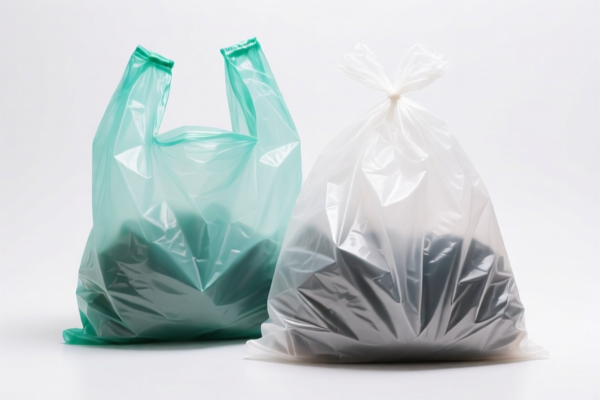
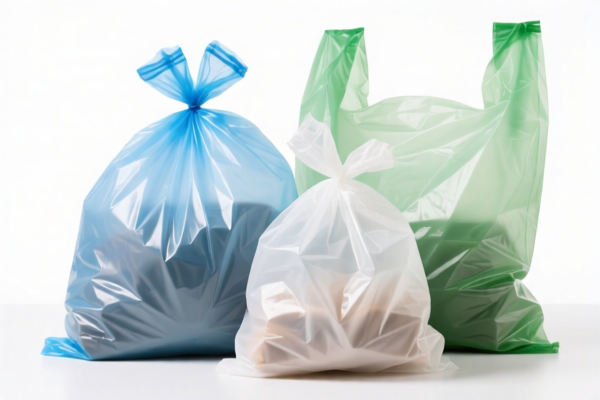
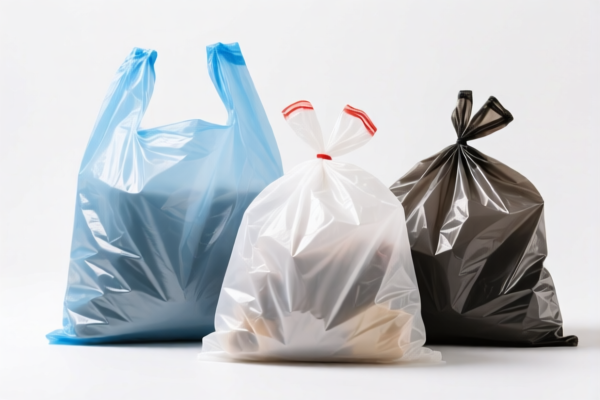
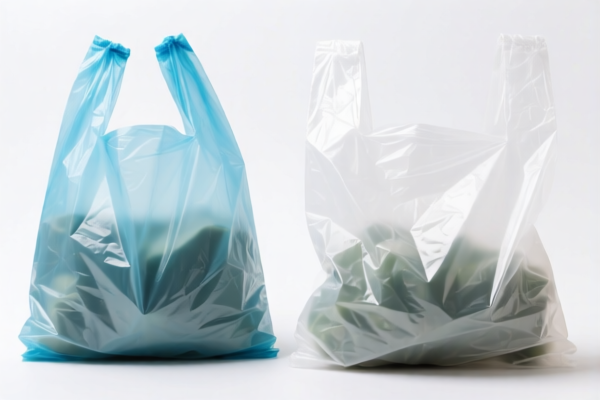
AI分析
🗑️ Waste Packaging Materials (Waste Plastic & Adhesives)
🌐 HS Code Reference & Customs Clearance Guide | 2026 Latest Tariff Analysis | Professional Clearance Strategy
📌 I. Product Definition & Classification: What Exactly is "Waste Packaging"?
In international trade, "Waste Packaging Materials" is not a single commodity but a category that spans several distinct HS chapters depending on the material composition (plastic vs. chemical/adhesive) and form (raw flakes vs. finished waste products).
Misclassification here is common and risky. Customs authorities strictly distinguish between: 1. Polymer Waste (Plastics): Scraps, offal, and waste from plastics processing. 2. Chemical Waste (Adhesives/Resins): Used or waste adhesives, which are often classified as chemical industry waste rather than simple plastic scrap.
⚠️ Key Distinction Point:
- If the item is polymer-based waste (e.g., plastic bags, containers, scraps) → Look at Chapter 39.
- If the item is waste adhesive/glue (e.g., used packaging glue, mixed with non-polymer fillers) → Look at Chapter 35 or Chapter 38.
📦 II. HS Code Classification Details (2026 Latest Tariff Authority Comparison)
| HS Code | Product Description | Applicable Scenario | Material Type |
|---|---|---|---|
3915.90.00.90 |
Waste, parings and scrap of plastics (other than of polycarbonates, polyester, etc.) | General plastic waste, mixed plastic scraps, non-specific polymer waste | ✅ Plastic Waste |
3915.10.00.00 |
Waste, parings and scrap of polymers of ethylene | Specific waste from Polyethylene (PE) production or usage | ✅ PE Waste |
3926.90.99.89 |
Other articles of plastics and articles of other materials of headings 3901 to 3914 | Plastic waste classified as "plastic articles" or non-scrap forms | ✅ Plastic Article |
3506.91.50.00 |
Other adhesives prepared for use as books or page binders, or for similar uses | Waste adhesives specifically classified as "modified adhesives" | ⚠️ Waste Adhesive (Chemical) |
3825.69.00.00 |
Residues from the mechanical and chemical treatment of materials | Chemical industry waste, including general waste adhesives | ⚠️ Chemical Waste |
🔍 Critical Reminder:
-3915Codes are for polymer waste. If your waste is PE (Polyethylene), use3915.10.00.00. If it is mixed/other plastic, use3915.90.00.90. -3506vs3825: If the waste is clearly a modified adhesive (e.g., industrial glue waste), it may fall under3506.91.50.00. However, broadly defined chemical industry residues or mixed waste adhesives often fall under3825.69.00.00. -3926: Only use if the "waste" is technically considered a finished article or non-scrap form of plastic. This is rare for pure waste streams but applies to certain discarded plastic packaging items.
💰 III. 2026 Latest Tariff Rate Breakdown (Including Surcharges & Policy Add-ons)
✅ Applicable Country: United States (US)
✅ Country of Origin: China (CN)
✅ Effective Date: From November 10, 2025 (including subsequent imports)
🎯 1. 3915.90.00.90 — Waste Plastic (General/Mixed)
| Item | Content |
|---|---|
| Base Rate | 0.0% (ad valorem) |
| Section 301 Surcharge | +25.0% (Added tariff under US Trade Act Section 301) |
| Section 122 Tariff | +10.0% (Specific tariff provision for this category) |
| Total Rate | 35.0% |
| Tax Calculation | CIF Value × 35% |
| De Minimis Eligibility | ❌ No (High tariff threshold excludes low-value exemptions) |
| Legal Basis Path | USITC:3915.90.00.90 → Section 301: 25% → Section 122: 10% |
📌 Explanation:
- Although the base duty is 0%, the 25% Section 301 surcharge and 10% Section 122 tariff apply to Chinese-origin waste plastics. - Total 35% makes this a high-cost import. Recycling facilities must factor this into their raw material costs.
🎯 2. 3915.10.00.00 — Waste Plastic (Polyethylene Specific)
| Item | Content |
|---|---|
| Base Rate | 0.0% |
| Section 301 Surcharge | +25.0% |
| Section 122 Tariff | +10.0% |
| Total Rate | 35.0% |
| Tax Calculation | CIF Value × 35% |
| De Minimis Eligibility | ❌ No |
| Legal Basis Path | USITC:3915.10.00.00 → Section 301: 25% → Section 122: 10% |
📌 Note:
- Even if the plastic is specifically identified as Polyethylene (PE), the tariffs remain 35%. - Do not assume lower rates for "pure" polymer waste; the 122 and 301 clauses apply broadly.
🎯 3. 3926.90.99.89 — Plastic Waste (As Articles)
| Item | Content |
|---|---|
| Base Rate | 5.3% |
| Section 301 Surcharge | +7.5% (Note: Specific rate for this subheading) |
| Section 122 Tariff | +10.0% |
| Total Rate | 22.8% |
| Tax Calculation | CIF Value × 22.8% |
| De Minimis Eligibility | ❌ No |
| Legal Basis Path | USITC:3926.90.99.89 → Section 301: 7.5% → Section 122: 10% |
📌 Advantage:
- If your waste can be legally classified under 3926 (e.g., as discarded plastic articles rather than raw scrap), the Section 301 surcharge is lower (7.5% vs 25%). - Total 22.8% is significantly cheaper than the 35% for3915. - ⚠️ Risk: Requires strong evidence that the items are "articles" not "scrap." Misclassification here can lead to penalties.
🎯 4. 3506.91.50.00 — Waste Adhesive (Modified)
| Item | Content |
|---|---|
| Base Rate | 2.1% |
| Section 301 Surcharge | +25.0% |
| Section 122 Tariff | +10.0% |
| Total Rate | 37.1% |
| Tax Calculation | CIF Value × 37.1% |
| De Minimis Eligibility | ❌ No |
| Legal Basis Path | USITC:3506.91.50.00 → Section 301: 25% → Section 122: 10% |
📌 Explanation:
- Highest base rate among the options. - Applies to modified adhesives used in packaging. If your waste includes significant glue/adhesive content, it may fall here. - 37.1% is the highest tax rate in this dataset.
🎯 5. 3825.69.00.00 — Waste Adhesive (Chemical Industry Residue)
| Item | Content |
|---|---|
| Base Rate | 0.0% |
| Section 301 Surcharge | +25.0% |
| Section 122 Tariff | +10.0% |
| Total Rate | 35.0% |
| Tax Calculation | CIF Value × 35% |
| De Minimis Eligibility | ❌ No |
| Legal Basis Path | USITC:3825.69.00.00 → Section 301: 25% → Section 122: 10% |
📌 Note:
- Similar tax burden as general plastic waste (3915). - Applies to chemical industry waste residues, including general waste adhesives that don't fit the "modified adhesive" definition of3506.
🛠️ IV. Customs Clearance Practical Advice (Battle-Tested Pitfall Guide)
✅ 1. Documentation Checklist (Non-negotiable)
| Document | Must Provide | Description |
|---|---|---|
| ✅ Material Safety Data Sheet (MSDS) | ✔️ | Critical for chemicals/adhesives to prove hazardous/non-hazardous status. |
| ✅ Product Specification Sheet | ✔️ | Clearly state "Waste," "Scrap," or "Residue." Do not use "Product." |
| ✅ Photos of Waste Material | ✔️ | Show texture, form (flakes, chunks, liquid), and lack of commercial value. |
| ✅ Commercial Invoice | ✔️ | Must explicitly state "Waste/Scrap" and "No Commercial Value" or low value. |
| ✅ Packing List | ✔️ | Detail net weight vs. gross weight. |
| ✅ Country of Origin Certificate | ✔️ | Essential for applying correct Section 301/122 rates. |
✅ 2. Declaration Tactics (Key Mantras)
🔥 "Define the Form, Classify the Material, Avoid 'Adhesive' if Plastic is Primary!"
| Scenario | Correct Declaration | Wrong Practice |
|---|---|---|
| Mixed Plastic Bottles/Caps | 3915.90.00.90 |
Call it "Packaging" → Higher risk of scrutiny. |
| Pure PE Film Waste | 3915.10.00.00 |
Call it "Plastic Scrap" → Ambiguous, may default to .90. |
| Glue Residue/Used Glue | 3825.69.00.00 or 3506.91.50.00 |
Call it "Plastic" → Customs Rejection/Re-classification. |
| Discarded Plastic Boxes | 3926.90.99.89 |
Call it "Scrap" → Misses potential 22.8% rate. |
✅ 3. Special Circumstances Handling
| Situation | Handling Advice |
|---|---|
| Mixed Waste (Plastic + Glue) | If the waste is a composite, do not declare as pure plastic. Customs may classify the whole lot under the stricter chemical code (3825 or 3506). Separate if possible. |
| Clean vs. Contaminated Waste | Clean plastic scrap (3915) is easier to classify. Contaminated waste (food residue, mixed materials) may be viewed as municipal solid waste or require EPA permits. |
| Value Declaration | Ensure the declared value is accurate. High values with "Waste" status can trigger audits. Use "Scrap Value" rather than "Recycled Product Value." |
| EPA Regulations | Check if the waste is subject to RCRA (Resource Conservation and Recovery Act) regulations. Some chemical waste adhesives are hazardous. |
🌍 V. Global Market Comparison (2026 Latest)
| Country/Region | Recommended HS Code | Tariff (China Origin) | Certification/Remarks |
|---|---|---|---|
| 🇺🇸 USA | 3915.90.00.90 |
35.0% | Section 301 + 122. Strict EPA checks. |
| 🇺🇸 USA | 3926.90.99.89 |
22.8% | Only if classified as "Articles," not scrap. |
| 🇨🇳 China | 3915.90.00.00 |
5% - 9% (Import) | No Section 301. Standard import duty. |
| 🇪🇺 EU | 3915.90.00 |
0% - 6% | No Section 122. Stricter environmental standards (REACH). |
| 🇦🇺 Australia | 3915.90.00 |
5% | Standard duty. Biosecurity checks for waste. |
📌 Conclusion:
- USA is the most expensive market for waste packaging due to the Section 301 (25%) and Section 122 (10%) add-ons. - EU and Australia do not have these specific retaliatory tariffs but have stricter environmental/biosecurity controls. - China (Import) is generally cheaper but may have its own waste import restrictions (Zero Import Policy for certain plastics).
📌 VI. Common Errors & Pitfall Guide (Lessons from Experience)
❌ Error 1: Classifying Waste Adhesive as Plastic Waste (3915)
👉 Consequence: Customs reclassifies to 3825 or 3506. If base rate is higher, you owe back taxes + penalties.
👉 Fix: Provide MSDS and prove adhesive content.
❌ Error 2: Calling Discarded Boxes "Scrap" (3915)
👉 Consequence: You pay 35% instead of the potential 22.8% for 3926 (if eligible).
👉 Fix: If items are intact but discarded, argue for "Used Articles" classification.
❌ Error 3: Ignoring Section 122 Tariff
👉 Consequence: Calculator shows 25% (Section 301 only), but actual tax is 35%.
👉 Fix: Always add 10% for Section 122 in US imports from China for these categories.
❌ Error 4: Failing to Separate Plastic and Glue
👉 Consequence: The entire shipment may be classified as Chemical Waste (3825), which may have hazardous material handling requirements.
👉 Fix: Physically separate waste streams before shipment.
✅ Correct Declaration Example:
"Waste Polyethylene Film Scrap, Clean, Non-Hazardous, Origin China, HS Code 3915.10.00.00"
🎯 VII. Conclusion: Precision in Waste Classification Saves Money!
🎯 Remember the Mantra:
🔹 "Plastic Scrap = 35% (3915), Plastic Article = 22.8% (3926), Glue Waste = 35-37% (3825/3506)."
🔹 "Section 122 is Always +10% for China Waste."
🔹 "Mixing Materials = Hazardous Risk & Higher Taxes."
📌 Pro Tip:
If your waste is mixed (Plastic + Adhesive + Metal), consult a customs broker to determine the principal character. Misclassifying mixed waste as pure plastic can lead to fraud allegations.
📣 Immediate Action:
📞 Engage a licensed customs broker.
📄 Provide MSDS for any adhesive components.
📸 Submit photos of the waste form for pre-approval.
🚀 Avoid 35-37% tax shocks by declaring correctly!
✨ Professional Clearance Starts with Accurate Classification!
💼 Every Percent Saved is Profit Gained!
用户评价
关于 HS 编码归类
协调制度(HS)是由世界海关组织(WCO)制定的国际贸易商品分类标准。全球 200 多个国家采用 HS 系统作为海关关税、贸易统计和进出口监管的基础。
每个 HS 编码遵循以下层级结构:
- 章(2 位)——商品大类(例如:第 84 章:机器和机械设备)
- 品目(4 位)——章内的更具体分类
- 子目(6 位)——国际通用细分,所有 WCO 成员国统一使用
- 本国细分(8-10 位)——各国自行扩展的细分编码,如美国 HTSUS 10 位编码
正确的 HS 编码归类对于顺利通关、准确缴纳关税和遵守贸易法规至关重要。错误归类可能导致海关延误、多缴关税或罚款。
从CN进口到US时,适用的关税税率可能包括:
- 最惠国(MFN)税率——适用于 WTO 成员国的标准关税税率
- 普通税率——适用于无贸易协定国家
- 贸易救济关税——附加关税,如 301 条款(反倾销)、232 条款(国家安全)或反补贴税
本页内容仅供参考。如需正式归类,请咨询当地海关或持牌报关代理。