Waste Packaging Materials
CN → US| HS Code | Tariff Rate | Origin | Destination | Doc |
|---|---|---|---|---|
| 3915900090 | 35.0% | CN | US | Official Doc |
| 3915100000 | 35.0% | CN | US | Official Doc |
| 3926909989 | 22.8% | CN | US | Official Doc |
| 3506915000 | 37.1% | CN | US | Official Doc |
| 3825690000 | 35.0% | CN | US | Official Doc |
Product Images
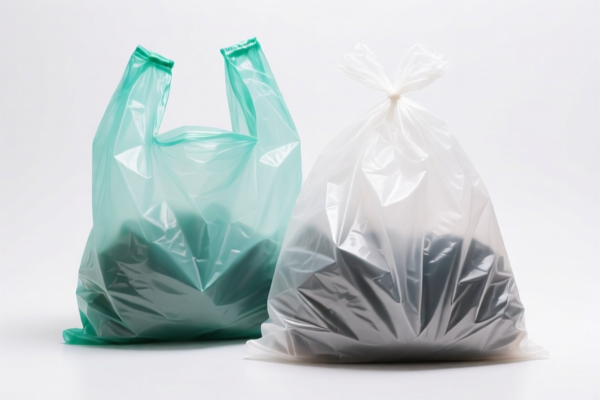
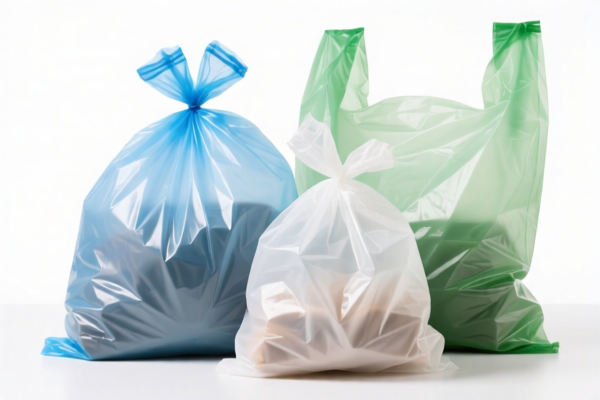
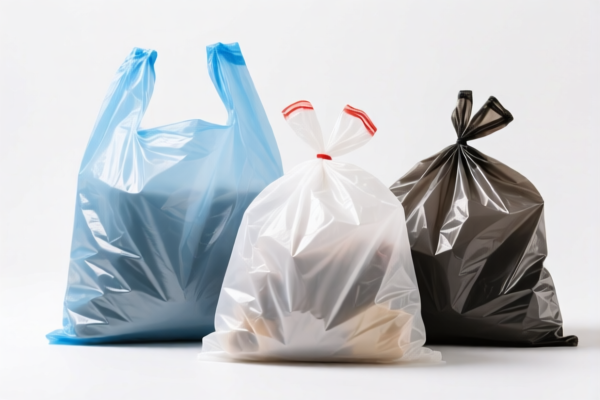
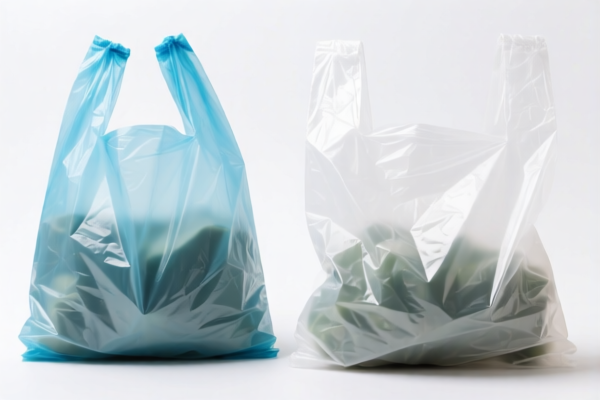
AI Analysis
🗑️ Waste Packaging Materials (Waste Plastic & Adhesives)
🌐 HS Code Reference & Customs Clearance Guide | 2026 Latest Tariff Analysis | Professional Clearance Strategy
📌 I. Product Definition & Classification: What Exactly is "Waste Packaging"?
In international trade, "Waste Packaging Materials" is not a single commodity but a category that spans several distinct HS chapters depending on the material composition (plastic vs. chemical/adhesive) and form (raw flakes vs. finished waste products).
Misclassification here is common and risky. Customs authorities strictly distinguish between: 1. Polymer Waste (Plastics): Scraps, offal, and waste from plastics processing. 2. Chemical Waste (Adhesives/Resins): Used or waste adhesives, which are often classified as chemical industry waste rather than simple plastic scrap.
⚠️ Key Distinction Point:
- If the item is polymer-based waste (e.g., plastic bags, containers, scraps) → Look at Chapter 39.
- If the item is waste adhesive/glue (e.g., used packaging glue, mixed with non-polymer fillers) → Look at Chapter 35 or Chapter 38.
📦 II. HS Code Classification Details (2026 Latest Tariff Authority Comparison)
| HS Code | Product Description | Applicable Scenario | Material Type |
|---|---|---|---|
3915.90.00.90 |
Waste, parings and scrap of plastics (other than of polycarbonates, polyester, etc.) | General plastic waste, mixed plastic scraps, non-specific polymer waste | ✅ Plastic Waste |
3915.10.00.00 |
Waste, parings and scrap of polymers of ethylene | Specific waste from Polyethylene (PE) production or usage | ✅ PE Waste |
3926.90.99.89 |
Other articles of plastics and articles of other materials of headings 3901 to 3914 | Plastic waste classified as "plastic articles" or non-scrap forms | ✅ Plastic Article |
3506.91.50.00 |
Other adhesives prepared for use as books or page binders, or for similar uses | Waste adhesives specifically classified as "modified adhesives" | ⚠️ Waste Adhesive (Chemical) |
3825.69.00.00 |
Residues from the mechanical and chemical treatment of materials | Chemical industry waste, including general waste adhesives | ⚠️ Chemical Waste |
🔍 Critical Reminder:
-3915Codes are for polymer waste. If your waste is PE (Polyethylene), use3915.10.00.00. If it is mixed/other plastic, use3915.90.00.90. -3506vs3825: If the waste is clearly a modified adhesive (e.g., industrial glue waste), it may fall under3506.91.50.00. However, broadly defined chemical industry residues or mixed waste adhesives often fall under3825.69.00.00. -3926: Only use if the "waste" is technically considered a finished article or non-scrap form of plastic. This is rare for pure waste streams but applies to certain discarded plastic packaging items.
💰 III. 2026 Latest Tariff Rate Breakdown (Including Surcharges & Policy Add-ons)
✅ Applicable Country: United States (US)
✅ Country of Origin: China (CN)
✅ Effective Date: From November 10, 2025 (including subsequent imports)
🎯 1. 3915.90.00.90 — Waste Plastic (General/Mixed)
| Item | Content |
|---|---|
| Base Rate | 0.0% (ad valorem) |
| Section 301 Surcharge | +25.0% (Added tariff under US Trade Act Section 301) |
| Section 122 Tariff | +10.0% (Specific tariff provision for this category) |
| Total Rate | 35.0% |
| Tax Calculation | CIF Value × 35% |
| De Minimis Eligibility | ❌ No (High tariff threshold excludes low-value exemptions) |
| Legal Basis Path | USITC:3915.90.00.90 → Section 301: 25% → Section 122: 10% |
📌 Explanation:
- Although the base duty is 0%, the 25% Section 301 surcharge and 10% Section 122 tariff apply to Chinese-origin waste plastics. - Total 35% makes this a high-cost import. Recycling facilities must factor this into their raw material costs.
🎯 2. 3915.10.00.00 — Waste Plastic (Polyethylene Specific)
| Item | Content |
|---|---|
| Base Rate | 0.0% |
| Section 301 Surcharge | +25.0% |
| Section 122 Tariff | +10.0% |
| Total Rate | 35.0% |
| Tax Calculation | CIF Value × 35% |
| De Minimis Eligibility | ❌ No |
| Legal Basis Path | USITC:3915.10.00.00 → Section 301: 25% → Section 122: 10% |
📌 Note:
- Even if the plastic is specifically identified as Polyethylene (PE), the tariffs remain 35%. - Do not assume lower rates for "pure" polymer waste; the 122 and 301 clauses apply broadly.
🎯 3. 3926.90.99.89 — Plastic Waste (As Articles)
| Item | Content |
|---|---|
| Base Rate | 5.3% |
| Section 301 Surcharge | +7.5% (Note: Specific rate for this subheading) |
| Section 122 Tariff | +10.0% |
| Total Rate | 22.8% |
| Tax Calculation | CIF Value × 22.8% |
| De Minimis Eligibility | ❌ No |
| Legal Basis Path | USITC:3926.90.99.89 → Section 301: 7.5% → Section 122: 10% |
📌 Advantage:
- If your waste can be legally classified under 3926 (e.g., as discarded plastic articles rather than raw scrap), the Section 301 surcharge is lower (7.5% vs 25%). - Total 22.8% is significantly cheaper than the 35% for3915. - ⚠️ Risk: Requires strong evidence that the items are "articles" not "scrap." Misclassification here can lead to penalties.
🎯 4. 3506.91.50.00 — Waste Adhesive (Modified)
| Item | Content |
|---|---|
| Base Rate | 2.1% |
| Section 301 Surcharge | +25.0% |
| Section 122 Tariff | +10.0% |
| Total Rate | 37.1% |
| Tax Calculation | CIF Value × 37.1% |
| De Minimis Eligibility | ❌ No |
| Legal Basis Path | USITC:3506.91.50.00 → Section 301: 25% → Section 122: 10% |
📌 Explanation:
- Highest base rate among the options. - Applies to modified adhesives used in packaging. If your waste includes significant glue/adhesive content, it may fall here. - 37.1% is the highest tax rate in this dataset.
🎯 5. 3825.69.00.00 — Waste Adhesive (Chemical Industry Residue)
| Item | Content |
|---|---|
| Base Rate | 0.0% |
| Section 301 Surcharge | +25.0% |
| Section 122 Tariff | +10.0% |
| Total Rate | 35.0% |
| Tax Calculation | CIF Value × 35% |
| De Minimis Eligibility | ❌ No |
| Legal Basis Path | USITC:3825.69.00.00 → Section 301: 25% → Section 122: 10% |
📌 Note:
- Similar tax burden as general plastic waste (3915). - Applies to chemical industry waste residues, including general waste adhesives that don't fit the "modified adhesive" definition of3506.
🛠️ IV. Customs Clearance Practical Advice (Battle-Tested Pitfall Guide)
✅ 1. Documentation Checklist (Non-negotiable)
| Document | Must Provide | Description |
|---|---|---|
| ✅ Material Safety Data Sheet (MSDS) | ✔️ | Critical for chemicals/adhesives to prove hazardous/non-hazardous status. |
| ✅ Product Specification Sheet | ✔️ | Clearly state "Waste," "Scrap," or "Residue." Do not use "Product." |
| ✅ Photos of Waste Material | ✔️ | Show texture, form (flakes, chunks, liquid), and lack of commercial value. |
| ✅ Commercial Invoice | ✔️ | Must explicitly state "Waste/Scrap" and "No Commercial Value" or low value. |
| ✅ Packing List | ✔️ | Detail net weight vs. gross weight. |
| ✅ Country of Origin Certificate | ✔️ | Essential for applying correct Section 301/122 rates. |
✅ 2. Declaration Tactics (Key Mantras)
🔥 "Define the Form, Classify the Material, Avoid 'Adhesive' if Plastic is Primary!"
| Scenario | Correct Declaration | Wrong Practice |
|---|---|---|
| Mixed Plastic Bottles/Caps | 3915.90.00.90 |
Call it "Packaging" → Higher risk of scrutiny. |
| Pure PE Film Waste | 3915.10.00.00 |
Call it "Plastic Scrap" → Ambiguous, may default to .90. |
| Glue Residue/Used Glue | 3825.69.00.00 or 3506.91.50.00 |
Call it "Plastic" → Customs Rejection/Re-classification. |
| Discarded Plastic Boxes | 3926.90.99.89 |
Call it "Scrap" → Misses potential 22.8% rate. |
✅ 3. Special Circumstances Handling
| Situation | Handling Advice |
|---|---|
| Mixed Waste (Plastic + Glue) | If the waste is a composite, do not declare as pure plastic. Customs may classify the whole lot under the stricter chemical code (3825 or 3506). Separate if possible. |
| Clean vs. Contaminated Waste | Clean plastic scrap (3915) is easier to classify. Contaminated waste (food residue, mixed materials) may be viewed as municipal solid waste or require EPA permits. |
| Value Declaration | Ensure the declared value is accurate. High values with "Waste" status can trigger audits. Use "Scrap Value" rather than "Recycled Product Value." |
| EPA Regulations | Check if the waste is subject to RCRA (Resource Conservation and Recovery Act) regulations. Some chemical waste adhesives are hazardous. |
🌍 V. Global Market Comparison (2026 Latest)
| Country/Region | Recommended HS Code | Tariff (China Origin) | Certification/Remarks |
|---|---|---|---|
| 🇺🇸 USA | 3915.90.00.90 |
35.0% | Section 301 + 122. Strict EPA checks. |
| 🇺🇸 USA | 3926.90.99.89 |
22.8% | Only if classified as "Articles," not scrap. |
| 🇨🇳 China | 3915.90.00.00 |
5% - 9% (Import) | No Section 301. Standard import duty. |
| 🇪🇺 EU | 3915.90.00 |
0% - 6% | No Section 122. Stricter environmental standards (REACH). |
| 🇦🇺 Australia | 3915.90.00 |
5% | Standard duty. Biosecurity checks for waste. |
📌 Conclusion:
- USA is the most expensive market for waste packaging due to the Section 301 (25%) and Section 122 (10%) add-ons. - EU and Australia do not have these specific retaliatory tariffs but have stricter environmental/biosecurity controls. - China (Import) is generally cheaper but may have its own waste import restrictions (Zero Import Policy for certain plastics).
📌 VI. Common Errors & Pitfall Guide (Lessons from Experience)
❌ Error 1: Classifying Waste Adhesive as Plastic Waste (3915)
👉 Consequence: Customs reclassifies to 3825 or 3506. If base rate is higher, you owe back taxes + penalties.
👉 Fix: Provide MSDS and prove adhesive content.
❌ Error 2: Calling Discarded Boxes "Scrap" (3915)
👉 Consequence: You pay 35% instead of the potential 22.8% for 3926 (if eligible).
👉 Fix: If items are intact but discarded, argue for "Used Articles" classification.
❌ Error 3: Ignoring Section 122 Tariff
👉 Consequence: Calculator shows 25% (Section 301 only), but actual tax is 35%.
👉 Fix: Always add 10% for Section 122 in US imports from China for these categories.
❌ Error 4: Failing to Separate Plastic and Glue
👉 Consequence: The entire shipment may be classified as Chemical Waste (3825), which may have hazardous material handling requirements.
👉 Fix: Physically separate waste streams before shipment.
✅ Correct Declaration Example:
"Waste Polyethylene Film Scrap, Clean, Non-Hazardous, Origin China, HS Code 3915.10.00.00"
🎯 VII. Conclusion: Precision in Waste Classification Saves Money!
🎯 Remember the Mantra:
🔹 "Plastic Scrap = 35% (3915), Plastic Article = 22.8% (3926), Glue Waste = 35-37% (3825/3506)."
🔹 "Section 122 is Always +10% for China Waste."
🔹 "Mixing Materials = Hazardous Risk & Higher Taxes."
📌 Pro Tip:
If your waste is mixed (Plastic + Adhesive + Metal), consult a customs broker to determine the principal character. Misclassifying mixed waste as pure plastic can lead to fraud allegations.
📣 Immediate Action:
📞 Engage a licensed customs broker.
📄 Provide MSDS for any adhesive components.
📸 Submit photos of the waste form for pre-approval.
🚀 Avoid 35-37% tax shocks by declaring correctly!
✨ Professional Clearance Starts with Accurate Classification!
💼 Every Percent Saved is Profit Gained!
Customer Reviews
About HS Code Classification
The Harmonized System (HS) is an internationally standardized nomenclature developed by the World Customs Organization (WCO) to classify traded products. Over 200 countries use the HS system as the basis for customs tariffs, trade statistics, and import/export regulations.
Each HS code follows a hierarchical structure:
- Chapter (2 digits) — Broad category of goods (e.g., Chapter 84: Machinery and Mechanical Appliances)
- Heading (4 digits) — More specific grouping within the chapter
- Subheading (6 digits) — Internationally standardized breakdown, used by all WCO member countries
- National subdivisions (8-10 digits) — Country-specific extensions for further classification, such as US HTSUS 10-digit codes
Correct HS code classification is essential for smooth customs clearance, accurate duty payment, and compliance with trade regulations. Misclassification can lead to customs delays, overpayment of duties, or penalties.
When importing from CN to US, the applicable tariff rates may include:
- Most-Favored-Nation (MFN) rate — The standard duty rate applied to WTO members
- General rate — Applied to countries without trade agreements
- Trade remedy duties — Additional tariffs such as Section 301 (anti-dumping), Section 232 (national security), or countervailing duties
The information provided on this page is for reference purposes only. For official classification, please consult with your local customs authority or a licensed customs broker.