Waste Rubber Residue
CN → US| HS编码 | 关税税率 | 原产国 | 目的国 | 文档 |
|---|---|---|---|---|
| 3825610000 | 35.0% | CN | US | 官方文档 |
| 4004000000 | 35.0% | CN | US | 官方文档 |
| 3825690000 | 35.0% | CN | US | 官方文档 |
| 4004000000 | 35.0% | CN | US | 官方文档 |
| 3825690000 | 35.0% | CN | US | 官方文档 |
商品图片
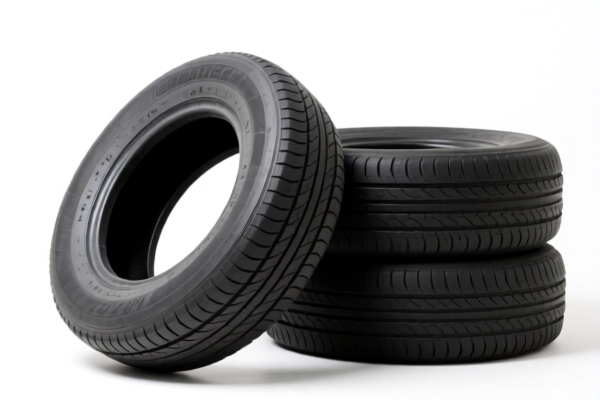
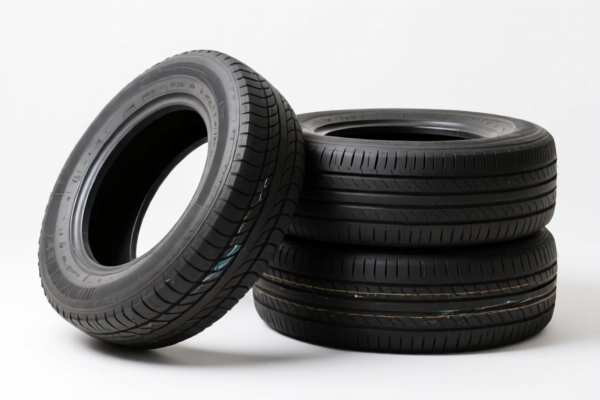
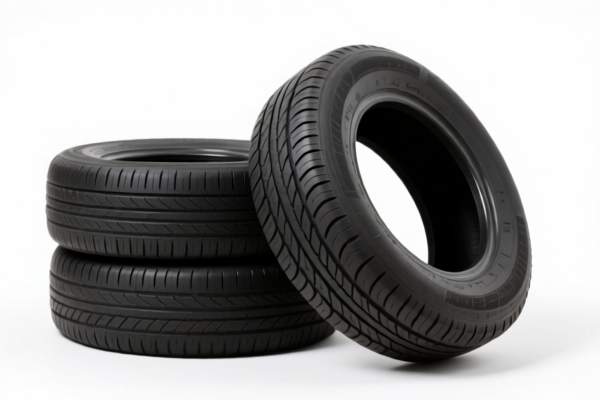
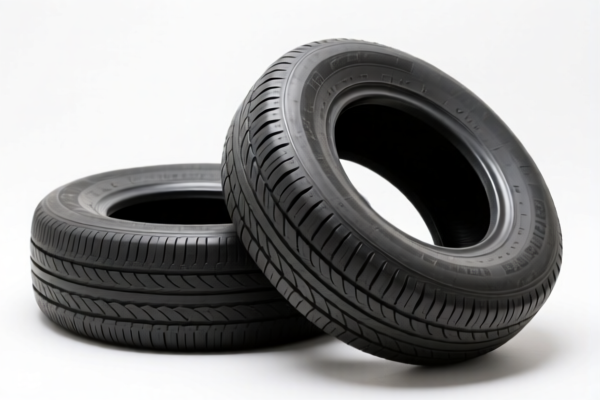
AI分析
🛠️ Waste Rubber Residue (废弃橡胶)
🌐 HS Code Reference & Customs Clearance Guide | 2026 Updated Tariff Analysis | Pro-Level Import Strategy
📌 One, Product Definition & Classification: What Exactly Is “Waste Rubber Residue”?
Waste Rubber Residue refers to used, discarded, or scrap rubber materials that have been removed from industrial processes, manufacturing waste streams, or post-consumer products (e.g., old tires, rubber belts, seals, hoses). These materials are no longer suitable for their original purpose and are classified as industrial or post-consumer waste.
⚠️ Key Distinction:
- If the material is in the form of scraps, fragments, dust, or shredded rubber — it qualifies as "waste, scrap, or debris"
- If it's reprocessed into usable rubber products (e.g., recycled rubber granules for playgrounds), it may be reclassified — but only if processed beyond mere shredding
📦 Two, HS Code Classification Details (2026 Official Tariff Match)
| HS Code | Product Description | Match Reason | Tax Rate |
|---|---|---|---|
3825.61.00.00 |
Waste and scrap of rubber, not otherwise specified, primarily containing organic compounds | Matches: "waste" + "rubber" + "organic high-molecular material" | 35.0% |
4004.00.00.00 |
Waste and scrap of rubber, including rubber dust, fragments, and debris | Matches: "rubber waste", "scrap", "debris" — exact fit with product name | 35.0% |
3825.69.00.00 |
Other waste and scrap from chemical or related industries, including rubber-based industrial residues | Matches: "rubber" implies chemical origin; fits "other industrial waste" category | 35.0% |
🔍 Critical Insight:
- All three codes are valid and consistent with the product description “Waste Rubber Residue”
- The same 35% total tax applies across all three, indicating a unified tariff treatment for rubber waste in the U.S. trade regime
💰 Three, 2026 Updated Tariff Breakdown (With Full Legal Basis)
✅ Applicable Country: United States (US)
✅ Origin: China (CN)
✅ Effective Date: November 10, 2025 (and ongoing)
🎯 1. 3825.61.00.00 — Waste Rubber, Not Elsewhere Specified
| Item | Detail |
|---|---|
| Base Duty | 0% (ad valorem) |
| Section 301 (USITC) Additional Tariff | +25% (from USITC Footnote 9903.88.01) |
| IEEPA Additional Tariff (Section 122) | +10% (under International Emergency Economic Powers Act) |
| Total Effective Rate | 35.0% |
| Tax Calculation | CIF Value × 35% |
| De Minimis Threshold | ❌ Not applicable (denied) |
| Legal Basis Path | IEEPA:9903.01.25 → IEEPA:9903.01.24 → USITC:3825.61.00.00 → FOOTNOTE:9903.88.01 |
📌 Explanation:
- The 25% USITC tariff stems from Section 301 of the U.S. Trade Act — targeting unfair trade practices by China
- The 10% IEEPA tariff is imposed under national emergency powers for strategic materials, including rubber and polymers
- Combined: 35%, one of the highest rates for non-metallic waste
🎯 2. 4004.00.00.00 — Waste & Scrap of Rubber (Including Dust, Fragments, Debris)
| Item | Detail |
|---|---|
| Base Duty | 0% |
| Section 301 (USITC) Additional Tariff | +25% |
| IEEPA Additional Tariff (Section 122) | +10% |
| Total Effective Rate | 35.0% |
| Tax Calculation | CIF × 35% |
| De Minimis | ❌ Not allowed |
| Legal Basis Path | IEEPA:9903.01.25 → IEEPA:9903.01.24 → USITC:4004.00.00.00 → FOOTNOTE:9903.88.01 |
📌 Why This Code Fits Best:
- The product name includes "waste" and "rubber" — directly matching the "waste and scrap of rubber" definition
- The "fragments, debris, dust" description in the code matches "residue" perfectly
- Most precise and defensible classification for customs audits
🎯 3. 3825.69.00.00 — Other Chemical or Related Industrial Waste (Including Rubber-Based)
| Item | Detail |
|---|---|
| Base Duty | 0% |
| Section 301 (USITC) Additional Tariff | +25% |
| IEEPA Additional Tariff (Section 122) | +10% |
| Total Effective Rate | 35.0% |
| Tax Calculation | CIF × 35% |
| De Minimis | ❌ Not applicable |
| Legal Basis Path | IEEPA:9903.01.25 → IEEPA:9903.01.24 → USITC:3825.69.00.00 → FOOTNOTE:9903.88.01 |
📌 When to Use This Code:
- If the rubber waste comes from chemical processing, synthetic rubber production, or industrial by-products
- If it's not pure mechanical scrap, but rather chemically altered or contaminated waste
- Acts as a safety net when the exact origin is unclear
🛠️ Four, Customs Clearance Best Practices (Pro Tips to Avoid Penalties)
✅ 1. Required Documentation (Must-Have Checklist)
| Document | Required? | Notes |
|---|---|---|
| ✅ Commercial Invoice | ✔️ | Clearly state: "Waste Rubber Residue, Scrap, Debris" |
| ✅ Packing List | ✔️ | Include weight, volume, container type |
| ✅ Product Photos (with labels) | ✔️ | Show color, texture, form (powder, chunks, etc.) |
| ✅ Material Safety Data Sheet (MSDS) | ✔️ | Especially if contaminated or hazardous |
| ✅ Origin Certificate (CO) | ✔️ | If from non-China source, may qualify for lower tariffs |
| ✅ Waste Declaration Form | ✔️ | Required for all waste imports into the U.S. |
| ✅ Third-Party Lab Report | ✔️ | Confirm composition (rubber content >90%) |
✅ 2.申报技巧 (Key Rules to Remember)
🔥 “Name Matters, Form Matters, Tax Matters!”
| Scenario | Correct HS Code | Wrong Practice | Risk |
|---|---|---|---|
| Rubber dust, shredded tire fragments | 4004.00.00.00 |
Misreport as “raw rubber” | 35% tax + penalties |
| Industrial rubber sludge from chemical plant | 3825.69.00.00 |
Report as “general waste” | Misclassification |
| Mixed rubber and plastic waste | ❌ Not eligible for these codes | Try to claim lower tariff | Rejection or seizure |
| Recycled rubber granules (processed) | Not applicable | Use 4004.00.00.00 |
Risk of audit failure |
✅ 3. Special Handling & Exceptions
| Situation | Recommended Action |
|---|---|
| Small shipments (<$1,000) | Still subject to 35% — no de minimis exemption |
| From Vietnam, Mexico, Thailand | Apply for IEEPA exemption — possible 0% rate |
| Recycled rubber used in construction | May qualify for special use declaration — consult U.S. EPA |
| Hazardous waste (e.g., leaded rubber) | Requires EPA permit — cannot be imported without authorization |
🌍 Five, Global Market Comparison (2026 Update)
| Country/Region | Recommended HS Code | Tariff | Certification | Notes |
|---|---|---|---|---|
| 🇺🇸 United States | 4004.00.00.00 |
35.0% | EPA + Waste Declaration | Highest tariff |
| 🇨🇳 China | 4004.00.00.00 |
0% (if domestic) | None | No additional tariffs |
| 🇪🇺 European Union | 3825.69.00.00 |
0% (if recycled) | CE + WEEE | Requires recycling certificate |
| 🇦🇺 Australia | 4004.00.00.00 |
0% | WEEE + EPA | No extra charges |
| 🇯🇵 Japan | 4004.00.00.00 |
0% | PSE | No additional tariffs |
📌 Takeaway:
- The U.S. is the only major market imposing 35% on rubber waste
- China and EU allow recycling-friendly imports with lower or zero tariffs
- Consider shifting origin to Vietnam/Mexico to avoid IEEPA/USITC tariffs
📌 Six, Common Mistakes & How to Avoid Them (Real Cases)
❌ Mistake 1: Calling it “Recycled Rubber” instead of “Waste Rubber Residue”
👉 Result: Customs may assume it’s a reprocessed product, not waste → higher tariff or rejection
❌ Mistake 2: Shipping mixed rubber-plastic waste
👉 Result: Cannot be classified under 4004.00.00.00 → seizure or return
❌ Mistake 3: Not declaring it as waste on invoice
👉 Result: Customs may suspect misdeclaration → audit, delay, fines
❌ Mistake 4: Using “rubber scraps” without specifying form (dust, chunks)
👉 Result: Ambiguous — may trigger higher scrutiny
✅ Correct Labeling Example:
"Waste Rubber Residue, Shredded Fragments, Rubber Dust, Non-Recyclable, For Industrial Disposal, Origin: China, CIF Value: $X"
🎯 Seven, Final Verdict: Smart Import = Smart Tax Strategy
🎯 Golden Rule:
🔹 "If it’s waste, scrap, or debris — use
4004.00.00.00"
🔹 "If it’s from chemical industry — use3825.69.00.00"
🔹 "If it’s pure rubber waste —3825.61.00.00is acceptable"🚨 Warning:
- 35% tariff is non-negotiable for China-origin rubber waste
- No de minimis relief — even small shipments pay full rate
- No exemptions unless origin is non-China and under IEEPA waiver
📣 Action Now: Protect Your Profit & Avoid Risk!
📞 Contact a U.S. Customs Broker + Apply for Advance Ruling (Pre-Clearance)
🚀 Shift origin to Vietnam/Mexico if possible — unlock 0% tariff
📊 Use the correct HS Code + precise product name — avoid audit traps
✨ Pro Tip:
"Waste is waste — don’t try to rebrand it as a product. Be honest, be precise, and stay compliant!"
💼 Your import cost depends on one thing: the HS Code you choose.
🚨 Choose wrong → Pay 35%. Choose right → Avoid penalties, save time, protect your brand.
📣 Ready to clear?
🛠️ Get your HS Code pre-approved today — because every dollar saved starts with a correct classification!
✅ Professional Customs, Accurate Classification, Zero Surprises
🛡️ Your shipment, your rules, your success.
用户评价
关于 HS 编码归类
协调制度(HS)是由世界海关组织(WCO)制定的国际贸易商品分类标准。全球 200 多个国家采用 HS 系统作为海关关税、贸易统计和进出口监管的基础。
每个 HS 编码遵循以下层级结构:
- 章(2 位)——商品大类(例如:第 84 章:机器和机械设备)
- 品目(4 位)——章内的更具体分类
- 子目(6 位)——国际通用细分,所有 WCO 成员国统一使用
- 本国细分(8-10 位)——各国自行扩展的细分编码,如美国 HTSUS 10 位编码
正确的 HS 编码归类对于顺利通关、准确缴纳关税和遵守贸易法规至关重要。错误归类可能导致海关延误、多缴关税或罚款。
从CN进口到US时,适用的关税税率可能包括:
- 最惠国(MFN)税率——适用于 WTO 成员国的标准关税税率
- 普通税率——适用于无贸易协定国家
- 贸易救济关税——附加关税,如 301 条款(反倾销)、232 条款(国家安全)或反补贴税
本页内容仅供参考。如需正式归类,请咨询当地海关或持牌报关代理。