Waste Rubber Residue
CN → US| HS Code | Tariff Rate | Origin | Destination | Doc |
|---|---|---|---|---|
| 3825610000 | 35.0% | CN | US | Official Doc |
| 4004000000 | 35.0% | CN | US | Official Doc |
| 3825690000 | 35.0% | CN | US | Official Doc |
| 4004000000 | 35.0% | CN | US | Official Doc |
| 3825690000 | 35.0% | CN | US | Official Doc |
Product Images
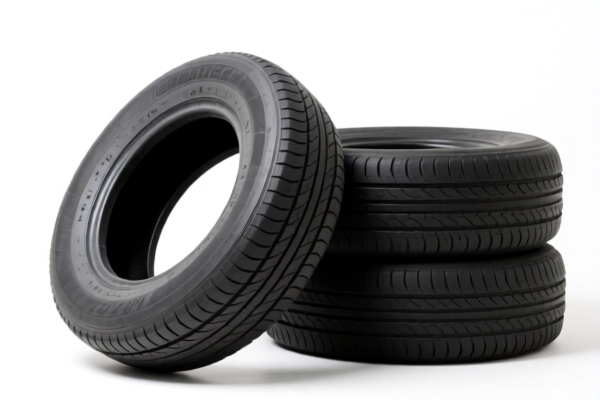
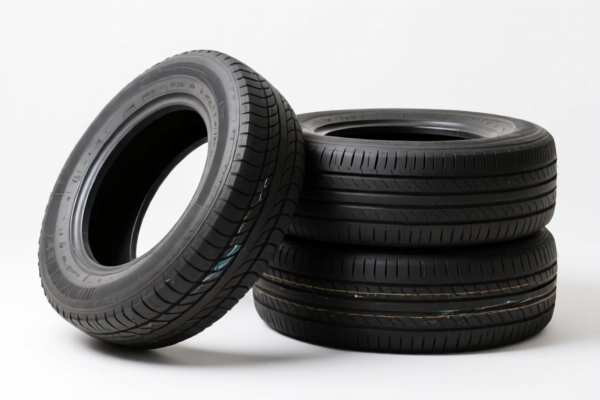
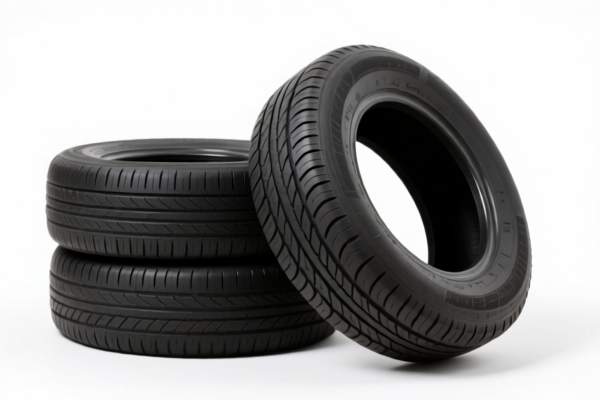
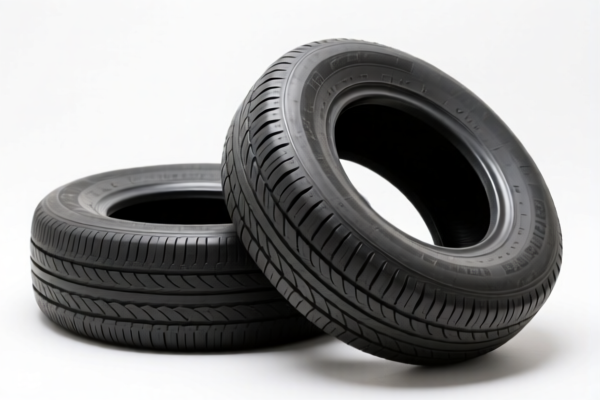
AI Analysis
🛠️ Waste Rubber Residue (废弃橡胶)
🌐 HS Code Reference & Customs Clearance Guide | 2026 Updated Tariff Analysis | Pro-Level Import Strategy
📌 One, Product Definition & Classification: What Exactly Is “Waste Rubber Residue”?
Waste Rubber Residue refers to used, discarded, or scrap rubber materials that have been removed from industrial processes, manufacturing waste streams, or post-consumer products (e.g., old tires, rubber belts, seals, hoses). These materials are no longer suitable for their original purpose and are classified as industrial or post-consumer waste.
⚠️ Key Distinction:
- If the material is in the form of scraps, fragments, dust, or shredded rubber — it qualifies as "waste, scrap, or debris"
- If it's reprocessed into usable rubber products (e.g., recycled rubber granules for playgrounds), it may be reclassified — but only if processed beyond mere shredding
📦 Two, HS Code Classification Details (2026 Official Tariff Match)
| HS Code | Product Description | Match Reason | Tax Rate |
|---|---|---|---|
3825.61.00.00 |
Waste and scrap of rubber, not otherwise specified, primarily containing organic compounds | Matches: "waste" + "rubber" + "organic high-molecular material" | 35.0% |
4004.00.00.00 |
Waste and scrap of rubber, including rubber dust, fragments, and debris | Matches: "rubber waste", "scrap", "debris" — exact fit with product name | 35.0% |
3825.69.00.00 |
Other waste and scrap from chemical or related industries, including rubber-based industrial residues | Matches: "rubber" implies chemical origin; fits "other industrial waste" category | 35.0% |
🔍 Critical Insight:
- All three codes are valid and consistent with the product description “Waste Rubber Residue”
- The same 35% total tax applies across all three, indicating a unified tariff treatment for rubber waste in the U.S. trade regime
💰 Three, 2026 Updated Tariff Breakdown (With Full Legal Basis)
✅ Applicable Country: United States (US)
✅ Origin: China (CN)
✅ Effective Date: November 10, 2025 (and ongoing)
🎯 1. 3825.61.00.00 — Waste Rubber, Not Elsewhere Specified
| Item | Detail |
|---|---|
| Base Duty | 0% (ad valorem) |
| Section 301 (USITC) Additional Tariff | +25% (from USITC Footnote 9903.88.01) |
| IEEPA Additional Tariff (Section 122) | +10% (under International Emergency Economic Powers Act) |
| Total Effective Rate | 35.0% |
| Tax Calculation | CIF Value × 35% |
| De Minimis Threshold | ❌ Not applicable (denied) |
| Legal Basis Path | IEEPA:9903.01.25 → IEEPA:9903.01.24 → USITC:3825.61.00.00 → FOOTNOTE:9903.88.01 |
📌 Explanation:
- The 25% USITC tariff stems from Section 301 of the U.S. Trade Act — targeting unfair trade practices by China
- The 10% IEEPA tariff is imposed under national emergency powers for strategic materials, including rubber and polymers
- Combined: 35%, one of the highest rates for non-metallic waste
🎯 2. 4004.00.00.00 — Waste & Scrap of Rubber (Including Dust, Fragments, Debris)
| Item | Detail |
|---|---|
| Base Duty | 0% |
| Section 301 (USITC) Additional Tariff | +25% |
| IEEPA Additional Tariff (Section 122) | +10% |
| Total Effective Rate | 35.0% |
| Tax Calculation | CIF × 35% |
| De Minimis | ❌ Not allowed |
| Legal Basis Path | IEEPA:9903.01.25 → IEEPA:9903.01.24 → USITC:4004.00.00.00 → FOOTNOTE:9903.88.01 |
📌 Why This Code Fits Best:
- The product name includes "waste" and "rubber" — directly matching the "waste and scrap of rubber" definition
- The "fragments, debris, dust" description in the code matches "residue" perfectly
- Most precise and defensible classification for customs audits
🎯 3. 3825.69.00.00 — Other Chemical or Related Industrial Waste (Including Rubber-Based)
| Item | Detail |
|---|---|
| Base Duty | 0% |
| Section 301 (USITC) Additional Tariff | +25% |
| IEEPA Additional Tariff (Section 122) | +10% |
| Total Effective Rate | 35.0% |
| Tax Calculation | CIF × 35% |
| De Minimis | ❌ Not applicable |
| Legal Basis Path | IEEPA:9903.01.25 → IEEPA:9903.01.24 → USITC:3825.69.00.00 → FOOTNOTE:9903.88.01 |
📌 When to Use This Code:
- If the rubber waste comes from chemical processing, synthetic rubber production, or industrial by-products
- If it's not pure mechanical scrap, but rather chemically altered or contaminated waste
- Acts as a safety net when the exact origin is unclear
🛠️ Four, Customs Clearance Best Practices (Pro Tips to Avoid Penalties)
✅ 1. Required Documentation (Must-Have Checklist)
| Document | Required? | Notes |
|---|---|---|
| ✅ Commercial Invoice | ✔️ | Clearly state: "Waste Rubber Residue, Scrap, Debris" |
| ✅ Packing List | ✔️ | Include weight, volume, container type |
| ✅ Product Photos (with labels) | ✔️ | Show color, texture, form (powder, chunks, etc.) |
| ✅ Material Safety Data Sheet (MSDS) | ✔️ | Especially if contaminated or hazardous |
| ✅ Origin Certificate (CO) | ✔️ | If from non-China source, may qualify for lower tariffs |
| ✅ Waste Declaration Form | ✔️ | Required for all waste imports into the U.S. |
| ✅ Third-Party Lab Report | ✔️ | Confirm composition (rubber content >90%) |
✅ 2.申报技巧 (Key Rules to Remember)
🔥 “Name Matters, Form Matters, Tax Matters!”
| Scenario | Correct HS Code | Wrong Practice | Risk |
|---|---|---|---|
| Rubber dust, shredded tire fragments | 4004.00.00.00 |
Misreport as “raw rubber” | 35% tax + penalties |
| Industrial rubber sludge from chemical plant | 3825.69.00.00 |
Report as “general waste” | Misclassification |
| Mixed rubber and plastic waste | ❌ Not eligible for these codes | Try to claim lower tariff | Rejection or seizure |
| Recycled rubber granules (processed) | Not applicable | Use 4004.00.00.00 |
Risk of audit failure |
✅ 3. Special Handling & Exceptions
| Situation | Recommended Action |
|---|---|
| Small shipments (<$1,000) | Still subject to 35% — no de minimis exemption |
| From Vietnam, Mexico, Thailand | Apply for IEEPA exemption — possible 0% rate |
| Recycled rubber used in construction | May qualify for special use declaration — consult U.S. EPA |
| Hazardous waste (e.g., leaded rubber) | Requires EPA permit — cannot be imported without authorization |
🌍 Five, Global Market Comparison (2026 Update)
| Country/Region | Recommended HS Code | Tariff | Certification | Notes |
|---|---|---|---|---|
| 🇺🇸 United States | 4004.00.00.00 |
35.0% | EPA + Waste Declaration | Highest tariff |
| 🇨🇳 China | 4004.00.00.00 |
0% (if domestic) | None | No additional tariffs |
| 🇪🇺 European Union | 3825.69.00.00 |
0% (if recycled) | CE + WEEE | Requires recycling certificate |
| 🇦🇺 Australia | 4004.00.00.00 |
0% | WEEE + EPA | No extra charges |
| 🇯🇵 Japan | 4004.00.00.00 |
0% | PSE | No additional tariffs |
📌 Takeaway:
- The U.S. is the only major market imposing 35% on rubber waste
- China and EU allow recycling-friendly imports with lower or zero tariffs
- Consider shifting origin to Vietnam/Mexico to avoid IEEPA/USITC tariffs
📌 Six, Common Mistakes & How to Avoid Them (Real Cases)
❌ Mistake 1: Calling it “Recycled Rubber” instead of “Waste Rubber Residue”
👉 Result: Customs may assume it’s a reprocessed product, not waste → higher tariff or rejection
❌ Mistake 2: Shipping mixed rubber-plastic waste
👉 Result: Cannot be classified under 4004.00.00.00 → seizure or return
❌ Mistake 3: Not declaring it as waste on invoice
👉 Result: Customs may suspect misdeclaration → audit, delay, fines
❌ Mistake 4: Using “rubber scraps” without specifying form (dust, chunks)
👉 Result: Ambiguous — may trigger higher scrutiny
✅ Correct Labeling Example:
"Waste Rubber Residue, Shredded Fragments, Rubber Dust, Non-Recyclable, For Industrial Disposal, Origin: China, CIF Value: $X"
🎯 Seven, Final Verdict: Smart Import = Smart Tax Strategy
🎯 Golden Rule:
🔹 "If it’s waste, scrap, or debris — use
4004.00.00.00"
🔹 "If it’s from chemical industry — use3825.69.00.00"
🔹 "If it’s pure rubber waste —3825.61.00.00is acceptable"🚨 Warning:
- 35% tariff is non-negotiable for China-origin rubber waste
- No de minimis relief — even small shipments pay full rate
- No exemptions unless origin is non-China and under IEEPA waiver
📣 Action Now: Protect Your Profit & Avoid Risk!
📞 Contact a U.S. Customs Broker + Apply for Advance Ruling (Pre-Clearance)
🚀 Shift origin to Vietnam/Mexico if possible — unlock 0% tariff
📊 Use the correct HS Code + precise product name — avoid audit traps
✨ Pro Tip:
"Waste is waste — don’t try to rebrand it as a product. Be honest, be precise, and stay compliant!"
💼 Your import cost depends on one thing: the HS Code you choose.
🚨 Choose wrong → Pay 35%. Choose right → Avoid penalties, save time, protect your brand.
📣 Ready to clear?
🛠️ Get your HS Code pre-approved today — because every dollar saved starts with a correct classification!
✅ Professional Customs, Accurate Classification, Zero Surprises
🛡️ Your shipment, your rules, your success.
Customer Reviews
About HS Code Classification
The Harmonized System (HS) is an internationally standardized nomenclature developed by the World Customs Organization (WCO) to classify traded products. Over 200 countries use the HS system as the basis for customs tariffs, trade statistics, and import/export regulations.
Each HS code follows a hierarchical structure:
- Chapter (2 digits) — Broad category of goods (e.g., Chapter 84: Machinery and Mechanical Appliances)
- Heading (4 digits) — More specific grouping within the chapter
- Subheading (6 digits) — Internationally standardized breakdown, used by all WCO member countries
- National subdivisions (8-10 digits) — Country-specific extensions for further classification, such as US HTSUS 10-digit codes
Correct HS code classification is essential for smooth customs clearance, accurate duty payment, and compliance with trade regulations. Misclassification can lead to customs delays, overpayment of duties, or penalties.
When importing from CN to US, the applicable tariff rates may include:
- Most-Favored-Nation (MFN) rate — The standard duty rate applied to WTO members
- General rate — Applied to countries without trade agreements
- Trade remedy duties — Additional tariffs such as Section 301 (anti-dumping), Section 232 (national security), or countervailing duties
The information provided on this page is for reference purposes only. For official classification, please consult with your local customs authority or a licensed customs broker.