Waste Textile Rags and Similar Items
CN → US| HS编码 | 关税税率 | 原产国 | 目的国 | 文档 |
|---|---|---|---|---|
| 6310102010 | 17.5% | CN | US | 官方文档 |
| 6310102020 | 17.5% | CN | US | 官方文档 |
商品图片
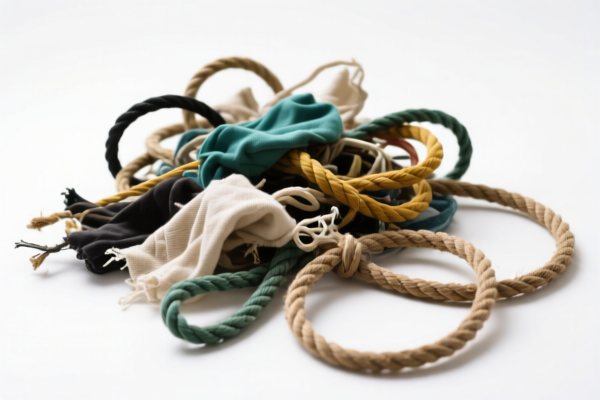
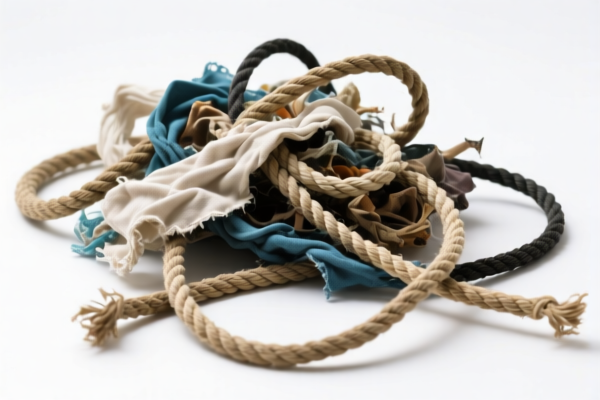
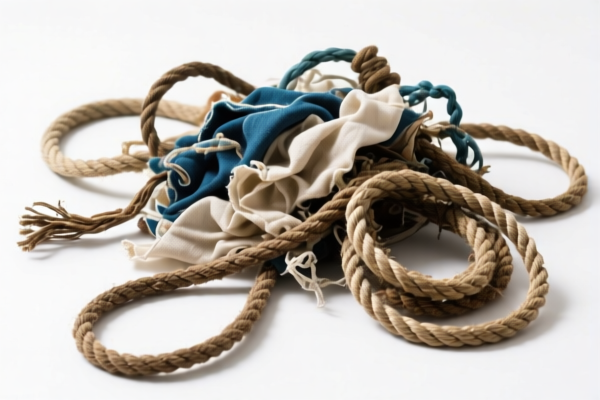
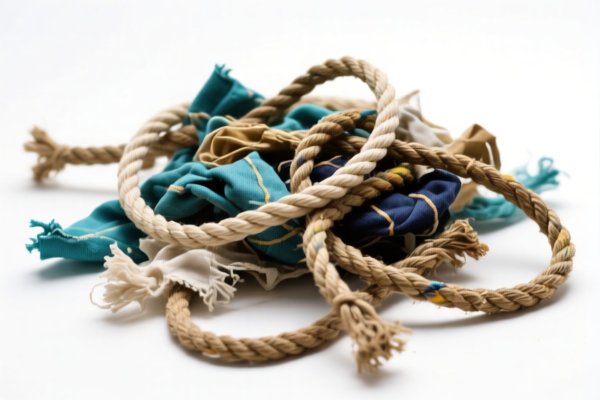
AI分析
🧶 Waste Textile Rags & Scrap Cordage (Used/New Rags, Twine, Rope, Cables)
🌐 HS Code Reference & Customs Clearance Guide | 2026 Latest Tariff Analysis | Professional Clearance Strategy
📌 I. Product Definition: What Exactly Are "Textile Waste Items"?
In international trade, "Waste Textile Rags and Similar Items" refer to discarded, worn-out, or scrap textile materials that retain some utility for recycling, cleaning, or industrial processing. They are not new finished goods but classified as waste/scrap.
The key distinction lies in the material composition: * Of Cotton: Includes used cleaning rags, worn-out cotton garments, cotton rope scraps, and cotton cordage waste. * Of Man-Made Fibers: Includes synthetic rags (polyester, nylon, acrylic), synthetic rope waste, plastic-coated cable scraps, and other synthetic textile waste.
⚠️ Critical Note:
- "Used" or "Worn-out" is mandatory. New, unused rags intended for sale as cleaning products may fall under different chapters (e.g., Chapter 63 for other made-up articles).
- "Sorted" implies the goods have been separated by type/color/quality, reducing contamination for recycling.
- Ropes, Cables, and Twine are explicitly included if they are of textile materials and are scrap/worn-out.
📦 II. HS Code Classification Details (2026 Tariff Schedule)
Based on the provided data, only two HS Codes apply to this product category. Misclassification can lead to significant delays or penalties.
| HS Code | Product Description | Material | Condition |
|---|---|---|---|
6310.10.20.10 |
Used or new rags, scrap twine, cordage, rope, and cables; Sorted; Of cotton | 🧵 100% Cotton or Cotton-blend | Used, worn-out, or scrap (including new rags sorted as waste) |
6310.10.20.20 |
Used or new rags, scrap twine, cordage, rope, and cables; Sorted; Of man-made fibers | 🧬 Synthetic (Polyester, Nylon, Acrylic, etc.) | Used, worn-out, or scrap (including new rags sorted as waste) |
🔍 Key Distinction:
-6310.10.20.10: Must be cotton-based. If mixed with synthetic fibers >50%, it may be classified under20(man-made).
-6310.10.20.20: Must be man-made fibers. Includes synthetic ropes, plastic-coated cables (if textile core), and synthetic rags.
- "Sorted": Both codes require the goods to be sorted (e.g., by color, fiber type, or quality). Unsorted bales may be rejected or misclassified.
💰 III. 2026 Tariff Rate Breakdown (Detailed Tax Clause Analysis)
✅ Applicable Country: United States (US)
✅ Origin: China (CN) (Assumed based on typical 7.5% total tax pattern; verify if origin differs)
✅ Effective Time: Current rates apply as per provided data
🎯 1. 6310.10.20.10 – Textile Waste Rags/Cordage (Cotton)
| Item | Content |
|---|---|
| Base Duty Rate | 0.0% |
| Section 301 Surcharge | 7.5% |
| Total Tax Rate | 7.5% |
| Tax Calculation | CIF Value × 7.5% |
| Legal Basis | HTSUS 6310.10.20.10 + USITC Footnote 9903.88.01 (if applicable) |
📌 Explanation:
- Base Duty is 0%: The US treats most textile waste as non-competing with domestic industry, so no base tariff applies.
- 7.5% Surcharge: This is likely a Section 301 or specific USITC additional duty applied to certain Chinese-origin goods.
- No De Minimis Exemption: Goods under $800 may still be subject to documentation requirements, but duty is low.
🎯 2. 6310.10.20.20 – Textile Waste Rags/Cordage (Man-Made Fibers)
| Item | Content |
|---|---|
| Base Duty Rate | 0.0% |
| Section 301 Surcharge | 7.5% |
| Total Tax Rate | 7.5% |
| Tax Calculation | CIF Value × 7.5% |
| Legal Basis | HTSUS 6310.10.20.20 + USITC Footnote 9903.88.01 (if applicable) |
📌 Explanation:
- Identical tax treatment to cotton waste.
- Man-made fibers (polyester, nylon) are often more valuable for recycling, so ensure accurate material declaration to avoid duty evasion claims.
🛠️ IV. Customs Clearance Practical Advice (Step-by-Step Guide)
✅ 1. Required Documentation Checklist
| Document | Required? | Description |
|---|---|---|
| ✅ Commercial Invoice | ✔️ | Must specify "Waste Textile Rags" or "Scrap Cordage", not "Cleaning Cloths" (which may have different HS). |
| ✅ Packing List | ✔️ | Detail weights, volumes, and number of bales. |
| ✅ Certificate of Origin (CO) | ✔️ | To prove origin for duty calculation. |
| ✅ Material Composition Statement | ✔️ | Explicitly state "100% Cotton" or "100% Polyester" to determine HS Code 20.10 vs 20.20. |
| ✅ Photos of Goods | ✔️ | Show sorting, labeling, and condition (used/worn-out). |
| ✅ Recycling Facility Certificate | ✔️ | Proof that goods are intended for recycling (not illegal dumping). |
✅ 2. Declaration Tips (Critical for Accuracy)
🔥 "Be Specific: 'Waste', 'Scrap', 'Sorted', and 'Material Type'"
| Scenario | Correct Declaration | Incorrect Declaration | Risk |
|---|---|---|---|
| Cotton Rags | "Used Cotton Cleaning Rags, Sorted, HS: 6310.10.20.10" | "Cotton Rags" | Misclassification → Higher duty |
| Polyester Rope | "Scrap Synthetic Cordage, Man-Made Fibers, HS: 6310.10.20.20" | "Rope" | Misclassification → Higher duty |
| Mixed Bales | Do Not Ship Mixed | "Mixed Textile Waste" | Rejection or forced separation |
| New Rags | "New Cotton Rags, Sorted for Recycling, HS: 6310.10.20.10" | "New Cleaning Cloths" | May fall under Chapter 63, different duty |
📌 Warning:
- Do NOT declare as "Cleaning Cloths" or "Household Linens" if they are waste/scrap. These have different HS codes and potentially higher duties.
- "Sorted" is Key: Unsorted waste may be considered "garbage" and denied entry.
- Cable vs. Cordage: If cables have metal cores, they may fall under Chapter 85. Ensure only textile-based cables are declared here.
✅ 3. Special Cases & Pitfalls
| Case | Handling Advice |
|---|---|
| Mixed Cotton/Synthetic | If >50% synthetic, declare under 6310.10.20.20. If mixed, specify percentage. |
| Plastic-Coated Cables | If the textile core is the primary material, use 6310.10.20.20. If mostly plastic, check Chapter 39. |
| Origin Non-China | If from Vietnam/Mexico, base duty may still be 0%, but verify if 7.5% surcharge applies. |
| De Minimis (Section 321) | If shipped via postal/courier < $800, no duty may apply, but declaration must still be accurate. |
🌍 V. Global Market Comparison (2026)
| Country | HS Code | Duty Rate | Certification | Note |
|---|---|---|---|---|
| 🇺🇸 USA | 6310.10.20.10 / .20 |
7.5% | CO, Material Statement | Low duty, high scrutiny on "waste" classification |
| 🇨🇳 China | 6310.10.20 |
5% | CCC (if recycled product) | Importing waste requires environmental permits |
| 🇪🇺 EU | 6310.10 |
0% | REACH, Waste Shipment Reg. | Strict rules on waste imports; may require EIR |
| 🇬🇧 UK | 6310.10 |
0% | UKCA, Waste Rules | Post-Brexit rules apply |
📌 Conclusion:
- USA is the most common market for this classification with a low but non-zero duty.
- EU has stricter environmental regulations; ensure proper waste shipment documentation.
- China restricts import of waste textiles; verify if goods meet "recycled material" standards.
📌 VI. Common Mistakes & Pitfalls (Learn from Others)
❌ Mistake 1: Declaring "Used Rags" as "New Cleaning Cloths"
👉 Consequence: Duty may increase from 7.5% to 10-15% + potential fraud investigation.
❌ Mistake 2: Mixing Cotton and Synthetic in One Bale
👉 Consequence: Customs may reject or force re-sorting, leading to storage fees and delays.
❌ Mistake 3: Not Specifying "Sorted"
👉 Consequence: Goods may be classified as "Unsorted Waste" → Higher duty or denial.
❌ Mistake 4: Ignoring "Scrap/Worn-Out" Description
👉 Consequence: If goods are clean/new, they may not qualify for HS 6310.10 → Misclassification.
✅ Correct Approach:
"Used Cotton Rags, Sorted, Baled, For Recycling, HS 6310.10.20.10, Origin China"
🎯 VII. Conclusion: Precise Classification Saves Money
🎯 Key Takeaways:
🔹 "Waste" + "Sorted" + "Material Type" = Correct HS Code
🔹 7.5% Total Duty is low, but accuracy is critical to avoid penalties.
🔹 Separate Cotton from Man-Made Fibers in declaration and physical bales.
📌 Pro Tip:
If your goods are new but destined for recycling, provide a Letter of Intent from a recycling facility to prove their end-use. This can help justify the "waste" classification.
📣 Immediate Action:
📞 Contact Customs Broker + Provide Material Test Report + Verify Origin
🚀 Ensure Smooth Clearance with Accurate Classification!
✨ Professional Customs Clearance Starts with Accurate Classification!
💼 Every Dollar Saved on Duty is a Dollar Earned!
用户评价
关于 HS 编码归类
协调制度(HS)是由世界海关组织(WCO)制定的国际贸易商品分类标准。全球 200 多个国家采用 HS 系统作为海关关税、贸易统计和进出口监管的基础。
每个 HS 编码遵循以下层级结构:
- 章(2 位)——商品大类(例如:第 84 章:机器和机械设备)
- 品目(4 位)——章内的更具体分类
- 子目(6 位)——国际通用细分,所有 WCO 成员国统一使用
- 本国细分(8-10 位)——各国自行扩展的细分编码,如美国 HTSUS 10 位编码
正确的 HS 编码归类对于顺利通关、准确缴纳关税和遵守贸易法规至关重要。错误归类可能导致海关延误、多缴关税或罚款。
从CN进口到US时,适用的关税税率可能包括:
- 最惠国(MFN)税率——适用于 WTO 成员国的标准关税税率
- 普通税率——适用于无贸易协定国家
- 贸易救济关税——附加关税,如 301 条款(反倾销)、232 条款(国家安全)或反补贴税
本页内容仅供参考。如需正式归类,请咨询当地海关或持牌报关代理。