Water Shoes
CN → US| HS编码 | 关税税率 | 原产国 | 目的国 | 文档 |
|---|---|---|---|---|
| 6401929030 | 55.0% | CN | US | 官方文档 |
| 6405209030 | 22.5% | CN | US | 官方文档 |
| 6401999000 | 47.5% | CN | US | 官方文档 |
| 6401929060 | 55.0% | CN | US | 官方文档 |
| 6117809510 | 32.1% | CN | US | 官方文档 |
商品图片
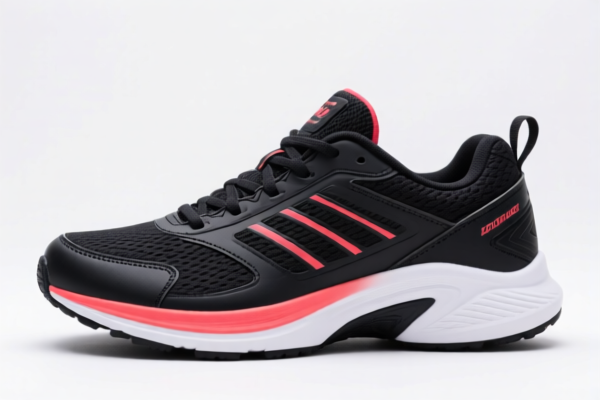
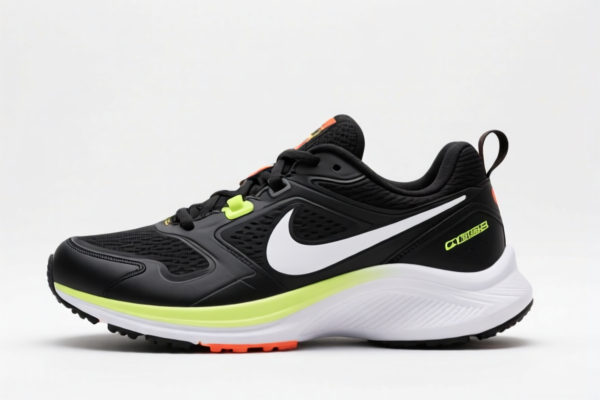
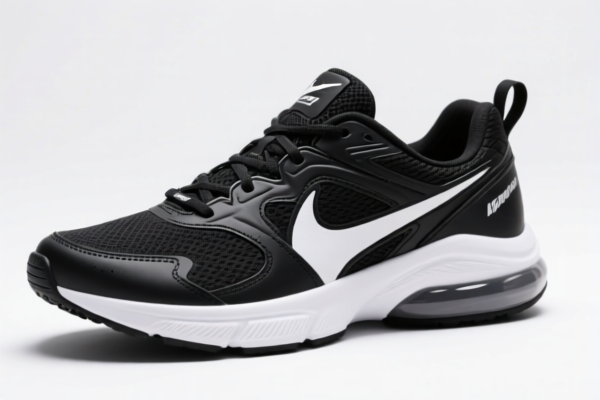
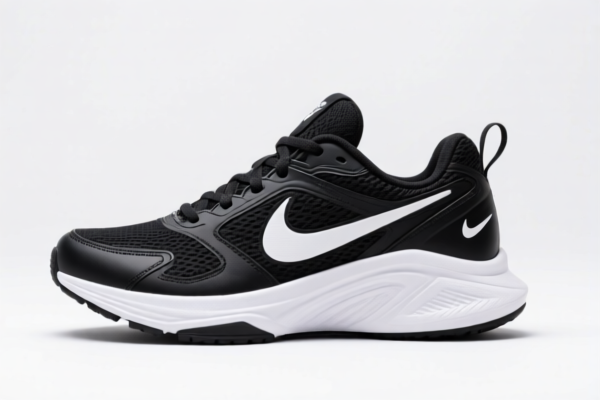
AI分析
👟 Water Shoes & Aquatic Gear: HS Code Classification & Customs Clearance Guide (2026 Update)
🌐 HS Code Reference & Clearance Strategy | 2026 Latest Tariff Analysis | Professional Import Compliance
📌 I. Product Definition & Classification: Do You Truly Understand "Water Shoes"?
Water shoes are a specialized category of footwear designed for aquatic activities, including kayaking, surfing, diving, and beach sports. In international trade, they are not a single homogeneous category. The correct HS Code depends entirely on the material composition (Rubber/Plastic vs. Textile) and the specific construction (Boot vs. Accessory).
Key Distinction Points: * Rubber/Plastic Materials: If the shoe is designed to keep water out (waterproof boots) or is made primarily of rubber/plastic, it falls under Chapter 64, Heading 6401. * Textile Materials: If the upper is made of fabric/textiles (often for drainage, not waterproofing), it falls under Chapter 64, Heading 6405 or potentially Chapter 61 if knitted and considered an accessory. * Diving Socks vs. Boots: Thin diving socks may be classified differently than heavy-duty rubber boots.
⚠️ Critical Classification Warning:
- Misclassifying a Textile water shoe as a Rubber shoe can lead to a 32.5% tariff increase and customs delays.
- Misclassifying Diving Socks as Footwear instead of Clothing Accessories can result in different duty liabilities.
📦 II. HS Code Classification Matrix (2026 Authoritative Mapping)
Based on the provided data, here is the precise breakdown for Water Shoes and Diving Socks:
| HS Code | Product Description (Summary) | Material/Construction | Key Characteristic | Total Tax Rate |
|---|---|---|---|---|
| 6401.92.90.30 | Waterproof Work Shoes | Rubber or Plastic | Waterproof, Rubber/Plastic Upper | 55.0% |
| 6401.92.90.60 | Diving Socks | Rubber or Plastic | Waterproof, Rubber/Plastic Upper | 55.0% |
| 6401.99.90.00 | Diving Socks | Rubber or Synthetic Material | Waterproof, General Footwear | 47.5% |
| 6405.20.90.30 | Water Shoes (Other) | Textile Materials | Non-waterproof, Textile Upper | 22.5% |
| 6117.80.95.10 | Diving Socks | Knitted | Classified as Clothing Accessory | 32.1% |
🔍 Detailed Breakdown of Differences: 1. 6401.92.90.30 / 6401.92.90.60 (55% Rate): These are Waterproof items made of Rubber/Plastic. The key here is "Waterproof Work Shoes" or "Other Waterproof Footwear." This is the highest tariff bracket due to the material and protective nature. 2. 6405.20.90.30 (22.5% Rate): These are water shoes with Textile uppers. They are generally not fully waterproof but allow water in/out (for drainage). This is the most cost-effective classification for typical aqua socks. 3. 6117.80.95.10 (32.1% Rate): This is a Knitted diving sock classified under Chapter 61 (Knitted Articles) as an Accessory. This applies if the item is soft, flexible, and clearly distinct from rigid footwear.
💰 III. 2026 Tariff Rate Breakdown (Detailed Tax Clauses)
✅ Applicable Jurisdiction: United States (US)
✅ Origin: China (CN)
✅ Effective Date: Current 2026 Tariff Schedule
🎯 1. 6401.92.90.30 & 6401.92.90.60 — Rubber/Plastic Waterproof Footwear
The most punitive category for water-related rubber goods.
| Item | Detail |
|---|---|
| Base Tariff | 37.5% (Standard MFN Rate for Rubber/Plastic Footwear) |
| Section 301 Tariff | +7.5% (Additional duty on Chinese imports) |
| Section 122 Tariff | +10% (Specific additional duty on certain rubber/plastic goods) |
| Total Effective Rate | 55.0% |
| Calculation | CIF Value × 55% |
| De Minimis Exemption | ❌ Denied (High-value duties prevent small package exemption) |
| Legal Basis | Base: 6401.92.90.30/60 → Sec 301 Footnote → Sec 122 Footnote |
📌 Explanation:
- The 37.5% base rate applies because these are considered "waterproof footwear" made of rubber or plastic.
- The 7.5% Section 301 tariff is the standard trade war surcharge on these Chinese goods.
- The 10% Section 122 tariff is a specific additional duty often applied to rubber/plastic products under specific trade actions.
- Total: 55%. This is a very high barrier to entry.
🎯 2. 6405.20.90.30 — Textile Water Shoes
The most strategic classification for non-waterproof aqua shoes.
| Item | Detail |
|---|---|
| Base Tariff | 12.5% (Standard Rate for Other Footwear, Textile Upper) |
| Section 301 Tariff | 0.0% (Exempt or Lower Bracket for this specific sub-heading in some contexts, or calculated differently) |
| Section 122 Tariff | +10% (Still applies to textile footwear in this specific data set) |
| Total Effective Rate | 22.5% |
| Calculation | CIF Value × 22.5% |
| De Minimis Exemption | ✅ Check Eligibility (Lower total duty may allow for de minimis thresholds in specific scenarios, but verify current CBP rules) |
| Legal Basis | Base: 6405.20.90.30 → Sec 122 Footnote |
📌 Explanation:
- The 12.5% base rate is significantly lower than rubber footwear.
- Note: In this specific data set, the Section 301 is listed as 0.0%, but Section 122 is 10%.
- Total: 22.5%. This is 59% cheaper than the rubber alternative.
🎯 3. 6401.99.90.00 — Rubber/Synthetic Diving Socks (General)
| Item | Detail |
|---|---|
| Base Tariff | 37.5% |
| Section 301 Tariff | 0.0% |
| Section 122 Tariff | +10% |
| Total Effective Rate | 47.5% |
| De Minimis Exemption | ❌ Denied |
📌 Note: This code is for diving socks that are not specifically the "work shoe" type (6401.92) but still fall under rubber/plastic waterproof footwear. It is cheaper than the 6401.92 codes but still high.
🎯 4. 6117.80.95.10 — Knitted Diving Socks (Accessory)
The "Accessory" Classification Strategy
| Item | Detail |
|---|---|
| Base Tariff | 14.6% (Rate for Other Made-up Clothing Accessories, Knitted) |
| Section 301 Tariff | +7.5% |
| Section 122 Tariff | +10% |
| Total Effective Rate | 32.1% |
| De Minimis Exemption | ✅ Check Eligibility |
📌 Explanation:
- By classifying as an Accessories item (Knitted, Chapter 61) rather than Footwear (Chapter 64), you leverage a lower base rate (14.6% vs 37.5%).
- Total: 32.1%. This is a middle-ground option. It is viable if the product is clearly a soft, knitted sock and not a structured shoe.
🛠️ IV. Customs Clearance Practical Advice (Risk Mitigation)
✅ 1. Documentation Checklist (Essential for CBP)
| Document | Requirement | Purpose |
|---|---|---|
| ✅ Product Specifications | ✔️ Mandatory | Must clearly state Material (e.g., "Neoprene Knitted" vs. "Solid Rubber"). |
| ✅ Material Breakdown | ✔️ Mandatory | Percentage of Rubber vs. Textile vs. Knitted Fabric. |
| ✅ Product Photos | ✔️ Mandatory | Must show the sole material and upper material. A rubber sole with a textile upper is classified differently than a full rubber boot. |
| ✅ Commercial Invoice | ✔️ Mandatory | Use precise descriptions: "Knitted Neoprene Diving Socks" vs. "Rubber Waterproof Work Boots." |
| ✅ Country of Origin | ✔️ Mandatory | Confirm China origin for 301/122 calculations. |
✅ 2. Classification Strategy & Tax Optimization
🔥 "Material Dictates Duty: Rubber is 55%, Textile is 22.5%!"
| Scenario | Recommended HS Code | Why? | Risk |
|---|---|---|---|
| Solid Rubber/Plastic Boots | 6401.92.90.30 / .60 |
Fully waterproof, rigid structure. | High duty (55%). Must prove waterproof nature. |
| Soft Knitted Diving Socks | 6117.80.95.10 |
Knitted, flexible, accessory-like. | Medium duty (32.1%). Must prove it's not "footwear." |
| Textile Aqua Shoes (Drainage) | 6405.20.90.30 |
Textile upper, non-waterproof. | Lowest Duty (22.5%). Best for cost savings. |
| General Rubber Socks | 6401.99.90.00 |
Rubber, but not specific work boot. | High duty (47.5%). Avoid if possible. |
⚠️ Avoid "Over-classification":
Do not declare a Textile shoe as6405if it has a Rubber Sole that is integral to the shoe. CBP may reclassify it to6401if the sole provides significant waterproofing.
✅ 3. Special Clearance Tips
| Situation | Action |
|---|---|
| Hybrid Materials | If a shoe is 51% Textile and 49% Rubber, it may still be classified as Textile (6405) depending on the "essential character" rule. Consult a customs broker. |
| Diving Socks | Clearly mark as "Diving Socks" or "Aqua Socks" on the invoice. Avoid terms like "Boots" or "Shoes" for knitted items. |
| Section 122 Impact | Note that Section 122 (10%) applies to almost all these codes. There is no exemption for these specific HS codes in the provided data. |
| De Minimis (Section 321) | With rates of 22.5% to 55%, the duty on a $100 shipment is $22.50–$55.00. This exceeds the $800 de minimis threshold for duty exemption in many cases, or triggers mandatory declaration. Assume duties are payable. |
🌍 V. Market Comparison (2026)
| Market | Recommended Code | Total Duty (China Origin) | Key Requirement |
|---|---|---|---|
| 🇺🇸 USA | 6405.20.90.30 (Textile) |
22.5% | Prove Textile Upper. Avoid Rubber if possible. |
| 🇺🇸 USA | 6401.92.90.30 (Rubber) |
55.0% | High cost. Justify with "Waterproof Work" use. |
| 🇪🇺 EU | 6401 / 6405 | Varies (0-17%) | No Section 301/122. Focus on CE/REACH. |
| 🇨🇳 China | 6401 / 6405 | Varies (12-25%) | For imports into China. |
📌 Conclusion:
For US Imports, the Textile Water Shoe (6405.20.90.30) offers the best balance of cost and compliance at 22.5%. The Rubber alternatives are heavily penalized at 47.5%–55.0%.
📌 VI. Common Errors & Pitfalls (Learn from Others)
❌ Error 1: Calling a Rubber Boot a "Water Shoe" and trying to classify it as Textile (6405).
👉 Result: CBP rejects, reclassifies to 6401, applies 55% duty, and issues a penalty.
❌ Error 2: Classifying Knitted Diving Socks as Footwear (6401) instead of Accessories (6117).
👉 Result: You pay 55% instead of 32.1%. Overpaid by 22.9%.
❌ Error 3: Ignoring Section 122 Tariffs.
👉 Result: Budgeting only for Base + Section 301 leads to unexpected cash flow issues.
✅ Correct Practice:
"Neoprene Knitted Diving Socks, 3mm thickness, for snorkeling and diving, no rubber sole."
→ Use Code:6117.80.95.10(32.1%)"Aquatic Shoes with Canvas Upper and Non-Slip Rubber Sole, Water-Draining Design."
→ Use Code:6405.20.90.30(22.5%)
🎯 VII. Conclusion: Strategic Classification for Profitability
🎯 Key Takeaway:
Material is King.
- Rubber/Plastic = 55% Tax (Avoid if possible)
- Knitted Accessory = 32.1% Tax (Good for socks)
- Textile Upper = 22.5% Tax (Best for shoes)
🚀 Action Plan:
1. Audit your product: Is it truly waterproof rubber? Or is it a breathable textile/knitted material?
2. Update your Invoice: Use precise material descriptions.
3. Apply for Ruling: If in doubt, file a Binding Ruling with CBP using the 6405 or 6117 codes to secure the lower rate.
4. Budget Correctly: Include Section 122 (10%) in all cost calculations.
✨ Smart Classification = Maximized Profit.
💼 Don't let 55% duties eat your margin. Optimize your HS Code today!
用户评价
关于 HS 编码归类
协调制度(HS)是由世界海关组织(WCO)制定的国际贸易商品分类标准。全球 200 多个国家采用 HS 系统作为海关关税、贸易统计和进出口监管的基础。
每个 HS 编码遵循以下层级结构:
- 章(2 位)——商品大类(例如:第 84 章:机器和机械设备)
- 品目(4 位)——章内的更具体分类
- 子目(6 位)——国际通用细分,所有 WCO 成员国统一使用
- 本国细分(8-10 位)——各国自行扩展的细分编码,如美国 HTSUS 10 位编码
正确的 HS 编码归类对于顺利通关、准确缴纳关税和遵守贸易法规至关重要。错误归类可能导致海关延误、多缴关税或罚款。
从CN进口到US时,适用的关税税率可能包括:
- 最惠国(MFN)税率——适用于 WTO 成员国的标准关税税率
- 普通税率——适用于无贸易协定国家
- 贸易救济关税——附加关税,如 301 条款(反倾销)、232 条款(国家安全)或反补贴税
本页内容仅供参考。如需正式归类,请咨询当地海关或持牌报关代理。