Water Shoes
CN → US| HS Code | Tariff Rate | Origin | Destination | Doc |
|---|---|---|---|---|
| 6401929030 | 55.0% | CN | US | Official Doc |
| 6405209030 | 22.5% | CN | US | Official Doc |
| 6401999000 | 47.5% | CN | US | Official Doc |
| 6401929060 | 55.0% | CN | US | Official Doc |
| 6117809510 | 32.1% | CN | US | Official Doc |
Product Images
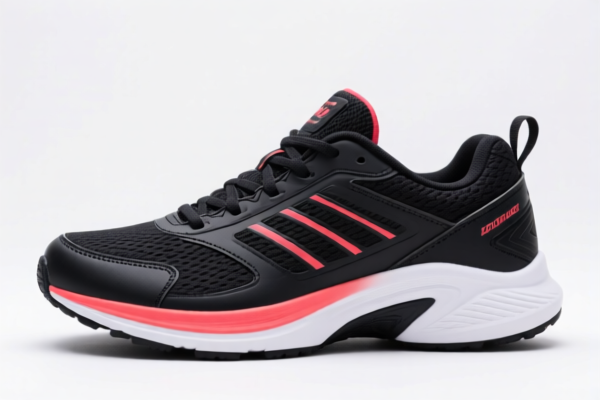
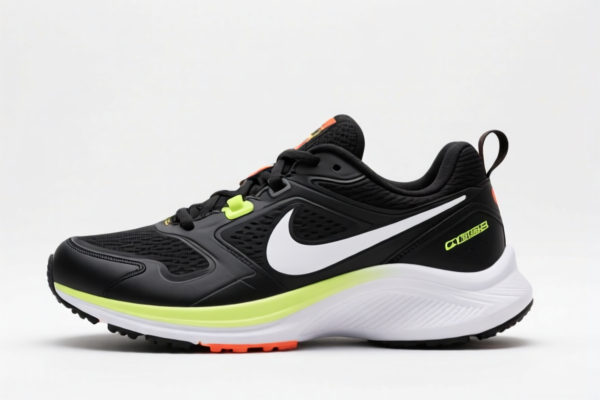
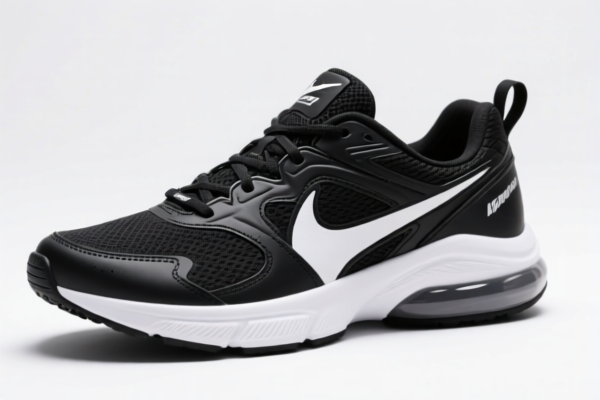
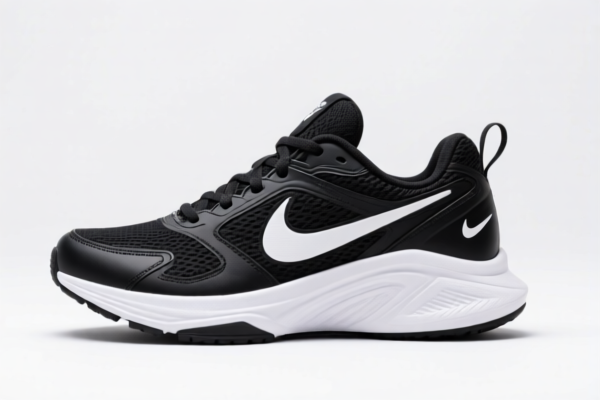
AI Analysis
👟 Water Shoes & Aquatic Gear: HS Code Classification & Customs Clearance Guide (2026 Update)
🌐 HS Code Reference & Clearance Strategy | 2026 Latest Tariff Analysis | Professional Import Compliance
📌 I. Product Definition & Classification: Do You Truly Understand "Water Shoes"?
Water shoes are a specialized category of footwear designed for aquatic activities, including kayaking, surfing, diving, and beach sports. In international trade, they are not a single homogeneous category. The correct HS Code depends entirely on the material composition (Rubber/Plastic vs. Textile) and the specific construction (Boot vs. Accessory).
Key Distinction Points: * Rubber/Plastic Materials: If the shoe is designed to keep water out (waterproof boots) or is made primarily of rubber/plastic, it falls under Chapter 64, Heading 6401. * Textile Materials: If the upper is made of fabric/textiles (often for drainage, not waterproofing), it falls under Chapter 64, Heading 6405 or potentially Chapter 61 if knitted and considered an accessory. * Diving Socks vs. Boots: Thin diving socks may be classified differently than heavy-duty rubber boots.
⚠️ Critical Classification Warning:
- Misclassifying a Textile water shoe as a Rubber shoe can lead to a 32.5% tariff increase and customs delays.
- Misclassifying Diving Socks as Footwear instead of Clothing Accessories can result in different duty liabilities.
📦 II. HS Code Classification Matrix (2026 Authoritative Mapping)
Based on the provided data, here is the precise breakdown for Water Shoes and Diving Socks:
| HS Code | Product Description (Summary) | Material/Construction | Key Characteristic | Total Tax Rate |
|---|---|---|---|---|
| 6401.92.90.30 | Waterproof Work Shoes | Rubber or Plastic | Waterproof, Rubber/Plastic Upper | 55.0% |
| 6401.92.90.60 | Diving Socks | Rubber or Plastic | Waterproof, Rubber/Plastic Upper | 55.0% |
| 6401.99.90.00 | Diving Socks | Rubber or Synthetic Material | Waterproof, General Footwear | 47.5% |
| 6405.20.90.30 | Water Shoes (Other) | Textile Materials | Non-waterproof, Textile Upper | 22.5% |
| 6117.80.95.10 | Diving Socks | Knitted | Classified as Clothing Accessory | 32.1% |
🔍 Detailed Breakdown of Differences: 1. 6401.92.90.30 / 6401.92.90.60 (55% Rate): These are Waterproof items made of Rubber/Plastic. The key here is "Waterproof Work Shoes" or "Other Waterproof Footwear." This is the highest tariff bracket due to the material and protective nature. 2. 6405.20.90.30 (22.5% Rate): These are water shoes with Textile uppers. They are generally not fully waterproof but allow water in/out (for drainage). This is the most cost-effective classification for typical aqua socks. 3. 6117.80.95.10 (32.1% Rate): This is a Knitted diving sock classified under Chapter 61 (Knitted Articles) as an Accessory. This applies if the item is soft, flexible, and clearly distinct from rigid footwear.
💰 III. 2026 Tariff Rate Breakdown (Detailed Tax Clauses)
✅ Applicable Jurisdiction: United States (US)
✅ Origin: China (CN)
✅ Effective Date: Current 2026 Tariff Schedule
🎯 1. 6401.92.90.30 & 6401.92.90.60 — Rubber/Plastic Waterproof Footwear
The most punitive category for water-related rubber goods.
| Item | Detail |
|---|---|
| Base Tariff | 37.5% (Standard MFN Rate for Rubber/Plastic Footwear) |
| Section 301 Tariff | +7.5% (Additional duty on Chinese imports) |
| Section 122 Tariff | +10% (Specific additional duty on certain rubber/plastic goods) |
| Total Effective Rate | 55.0% |
| Calculation | CIF Value × 55% |
| De Minimis Exemption | ❌ Denied (High-value duties prevent small package exemption) |
| Legal Basis | Base: 6401.92.90.30/60 → Sec 301 Footnote → Sec 122 Footnote |
📌 Explanation:
- The 37.5% base rate applies because these are considered "waterproof footwear" made of rubber or plastic.
- The 7.5% Section 301 tariff is the standard trade war surcharge on these Chinese goods.
- The 10% Section 122 tariff is a specific additional duty often applied to rubber/plastic products under specific trade actions.
- Total: 55%. This is a very high barrier to entry.
🎯 2. 6405.20.90.30 — Textile Water Shoes
The most strategic classification for non-waterproof aqua shoes.
| Item | Detail |
|---|---|
| Base Tariff | 12.5% (Standard Rate for Other Footwear, Textile Upper) |
| Section 301 Tariff | 0.0% (Exempt or Lower Bracket for this specific sub-heading in some contexts, or calculated differently) |
| Section 122 Tariff | +10% (Still applies to textile footwear in this specific data set) |
| Total Effective Rate | 22.5% |
| Calculation | CIF Value × 22.5% |
| De Minimis Exemption | ✅ Check Eligibility (Lower total duty may allow for de minimis thresholds in specific scenarios, but verify current CBP rules) |
| Legal Basis | Base: 6405.20.90.30 → Sec 122 Footnote |
📌 Explanation:
- The 12.5% base rate is significantly lower than rubber footwear.
- Note: In this specific data set, the Section 301 is listed as 0.0%, but Section 122 is 10%.
- Total: 22.5%. This is 59% cheaper than the rubber alternative.
🎯 3. 6401.99.90.00 — Rubber/Synthetic Diving Socks (General)
| Item | Detail |
|---|---|
| Base Tariff | 37.5% |
| Section 301 Tariff | 0.0% |
| Section 122 Tariff | +10% |
| Total Effective Rate | 47.5% |
| De Minimis Exemption | ❌ Denied |
📌 Note: This code is for diving socks that are not specifically the "work shoe" type (6401.92) but still fall under rubber/plastic waterproof footwear. It is cheaper than the 6401.92 codes but still high.
🎯 4. 6117.80.95.10 — Knitted Diving Socks (Accessory)
The "Accessory" Classification Strategy
| Item | Detail |
|---|---|
| Base Tariff | 14.6% (Rate for Other Made-up Clothing Accessories, Knitted) |
| Section 301 Tariff | +7.5% |
| Section 122 Tariff | +10% |
| Total Effective Rate | 32.1% |
| De Minimis Exemption | ✅ Check Eligibility |
📌 Explanation:
- By classifying as an Accessories item (Knitted, Chapter 61) rather than Footwear (Chapter 64), you leverage a lower base rate (14.6% vs 37.5%).
- Total: 32.1%. This is a middle-ground option. It is viable if the product is clearly a soft, knitted sock and not a structured shoe.
🛠️ IV. Customs Clearance Practical Advice (Risk Mitigation)
✅ 1. Documentation Checklist (Essential for CBP)
| Document | Requirement | Purpose |
|---|---|---|
| ✅ Product Specifications | ✔️ Mandatory | Must clearly state Material (e.g., "Neoprene Knitted" vs. "Solid Rubber"). |
| ✅ Material Breakdown | ✔️ Mandatory | Percentage of Rubber vs. Textile vs. Knitted Fabric. |
| ✅ Product Photos | ✔️ Mandatory | Must show the sole material and upper material. A rubber sole with a textile upper is classified differently than a full rubber boot. |
| ✅ Commercial Invoice | ✔️ Mandatory | Use precise descriptions: "Knitted Neoprene Diving Socks" vs. "Rubber Waterproof Work Boots." |
| ✅ Country of Origin | ✔️ Mandatory | Confirm China origin for 301/122 calculations. |
✅ 2. Classification Strategy & Tax Optimization
🔥 "Material Dictates Duty: Rubber is 55%, Textile is 22.5%!"
| Scenario | Recommended HS Code | Why? | Risk |
|---|---|---|---|
| Solid Rubber/Plastic Boots | 6401.92.90.30 / .60 |
Fully waterproof, rigid structure. | High duty (55%). Must prove waterproof nature. |
| Soft Knitted Diving Socks | 6117.80.95.10 |
Knitted, flexible, accessory-like. | Medium duty (32.1%). Must prove it's not "footwear." |
| Textile Aqua Shoes (Drainage) | 6405.20.90.30 |
Textile upper, non-waterproof. | Lowest Duty (22.5%). Best for cost savings. |
| General Rubber Socks | 6401.99.90.00 |
Rubber, but not specific work boot. | High duty (47.5%). Avoid if possible. |
⚠️ Avoid "Over-classification":
Do not declare a Textile shoe as6405if it has a Rubber Sole that is integral to the shoe. CBP may reclassify it to6401if the sole provides significant waterproofing.
✅ 3. Special Clearance Tips
| Situation | Action |
|---|---|
| Hybrid Materials | If a shoe is 51% Textile and 49% Rubber, it may still be classified as Textile (6405) depending on the "essential character" rule. Consult a customs broker. |
| Diving Socks | Clearly mark as "Diving Socks" or "Aqua Socks" on the invoice. Avoid terms like "Boots" or "Shoes" for knitted items. |
| Section 122 Impact | Note that Section 122 (10%) applies to almost all these codes. There is no exemption for these specific HS codes in the provided data. |
| De Minimis (Section 321) | With rates of 22.5% to 55%, the duty on a $100 shipment is $22.50–$55.00. This exceeds the $800 de minimis threshold for duty exemption in many cases, or triggers mandatory declaration. Assume duties are payable. |
🌍 V. Market Comparison (2026)
| Market | Recommended Code | Total Duty (China Origin) | Key Requirement |
|---|---|---|---|
| 🇺🇸 USA | 6405.20.90.30 (Textile) |
22.5% | Prove Textile Upper. Avoid Rubber if possible. |
| 🇺🇸 USA | 6401.92.90.30 (Rubber) |
55.0% | High cost. Justify with "Waterproof Work" use. |
| 🇪🇺 EU | 6401 / 6405 | Varies (0-17%) | No Section 301/122. Focus on CE/REACH. |
| 🇨🇳 China | 6401 / 6405 | Varies (12-25%) | For imports into China. |
📌 Conclusion:
For US Imports, the Textile Water Shoe (6405.20.90.30) offers the best balance of cost and compliance at 22.5%. The Rubber alternatives are heavily penalized at 47.5%–55.0%.
📌 VI. Common Errors & Pitfalls (Learn from Others)
❌ Error 1: Calling a Rubber Boot a "Water Shoe" and trying to classify it as Textile (6405).
👉 Result: CBP rejects, reclassifies to 6401, applies 55% duty, and issues a penalty.
❌ Error 2: Classifying Knitted Diving Socks as Footwear (6401) instead of Accessories (6117).
👉 Result: You pay 55% instead of 32.1%. Overpaid by 22.9%.
❌ Error 3: Ignoring Section 122 Tariffs.
👉 Result: Budgeting only for Base + Section 301 leads to unexpected cash flow issues.
✅ Correct Practice:
"Neoprene Knitted Diving Socks, 3mm thickness, for snorkeling and diving, no rubber sole."
→ Use Code:6117.80.95.10(32.1%)"Aquatic Shoes with Canvas Upper and Non-Slip Rubber Sole, Water-Draining Design."
→ Use Code:6405.20.90.30(22.5%)
🎯 VII. Conclusion: Strategic Classification for Profitability
🎯 Key Takeaway:
Material is King.
- Rubber/Plastic = 55% Tax (Avoid if possible)
- Knitted Accessory = 32.1% Tax (Good for socks)
- Textile Upper = 22.5% Tax (Best for shoes)
🚀 Action Plan:
1. Audit your product: Is it truly waterproof rubber? Or is it a breathable textile/knitted material?
2. Update your Invoice: Use precise material descriptions.
3. Apply for Ruling: If in doubt, file a Binding Ruling with CBP using the 6405 or 6117 codes to secure the lower rate.
4. Budget Correctly: Include Section 122 (10%) in all cost calculations.
✨ Smart Classification = Maximized Profit.
💼 Don't let 55% duties eat your margin. Optimize your HS Code today!
Customer Reviews
About HS Code Classification
The Harmonized System (HS) is an internationally standardized nomenclature developed by the World Customs Organization (WCO) to classify traded products. Over 200 countries use the HS system as the basis for customs tariffs, trade statistics, and import/export regulations.
Each HS code follows a hierarchical structure:
- Chapter (2 digits) — Broad category of goods (e.g., Chapter 84: Machinery and Mechanical Appliances)
- Heading (4 digits) — More specific grouping within the chapter
- Subheading (6 digits) — Internationally standardized breakdown, used by all WCO member countries
- National subdivisions (8-10 digits) — Country-specific extensions for further classification, such as US HTSUS 10-digit codes
Correct HS code classification is essential for smooth customs clearance, accurate duty payment, and compliance with trade regulations. Misclassification can lead to customs delays, overpayment of duties, or penalties.
When importing from CN to US, the applicable tariff rates may include:
- Most-Favored-Nation (MFN) rate — The standard duty rate applied to WTO members
- General rate — Applied to countries without trade agreements
- Trade remedy duties — Additional tariffs such as Section 301 (anti-dumping), Section 232 (national security), or countervailing duties
The information provided on this page is for reference purposes only. For official classification, please consult with your local customs authority or a licensed customs broker.