Waterproof Apron
CN → US| HS编码 | 关税税率 | 原产国 | 目的国 | 文档 |
|---|---|---|---|---|
| 3926209010 | 40.0% | CN | US | 官方文档 |
| 6117909090 | 32.1% | CN | US | 官方文档 |
| 6210207000 | 13.3% | CN | US | 官方文档 |
| 6210307000 | 20.8% | CN | US | 官方文档 |
| 6113001005 | 21.3% | CN | US | 官方文档 |
商品图片
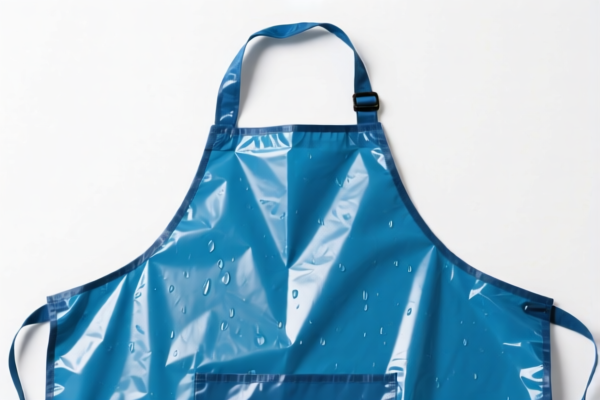
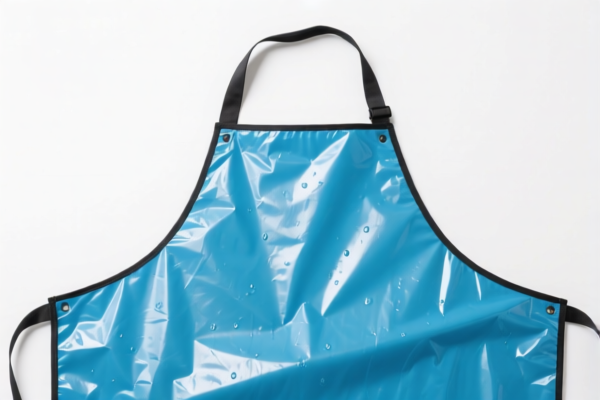
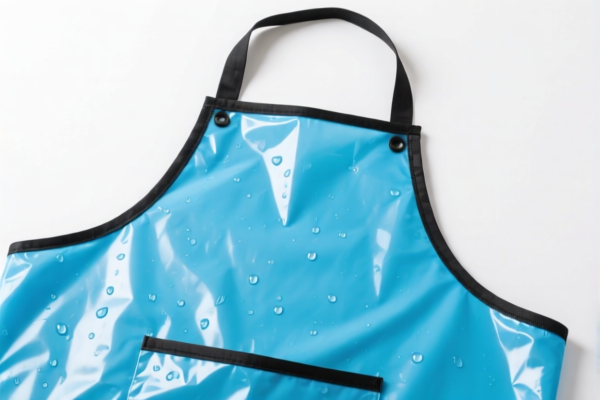

AI分析
🧥 Waterproof Apron (女童/成人通用 / Girls' / General)
🌐 HS Code Reference & Customs Clearance Guide | 2026 Latest Tariff Analysis | Professional Clearance Strategy
📌 1. Product Definition & Classification: Is it Plastic or Textile?
A "Waterproof Apron" is a protective garment worn over clothing to prevent dirt or water stains. In international trade, the classification depends heavily on the primary material and construction method.
Two Main Categories: * Plastic/PE/Rubber Aprons: Made entirely or primarily of plastics (e.g., PVC, PE sheets). Classified under Chapter 39. * Textile/Coated Fabric Aprons: Made of woven or knitted fabric (cotton, polyester) with a rubber/plastic coating or lamination for waterproofing. Classified under Chapter 61 or 62.
⚠️ Key Distinction Point:
- If the material is solid plastic sheeting (no woven structure) → Chapter 39 (Plastics).
- If the material is fabric (woven/knitted) with a surface treatment (coating/lamination) → Chapter 61/62 (Textiles).
- "Girls'" specific design does not change the chapter but may affect the subheading if specified as "of textile materials" (often Chapter 61 for knitted/crocheted, Chapter 62 for non-knitted).
📦 2. HS Code Classification Details (Based on Provided Data)
| HS Code | Product Description | Material/Construction | Key Classification Logic |
|---|---|---|---|
3926.20.90.10 |
Girls' Winter Waterproof Apron | Plastic Products | Primary material is plastic (e.g., PVC/PE). Fits the definition of an apron made of plastics. |
6117.90.90.90 |
Girls' Winter Waterproof Apron | Apparel Accessories | Classified as an accessory to clothing (textile-based inference). Likely knitted/crocheted or general textile accessories. |
6210.20.70.00 |
Waterproof Robe/Gown | Outerwear, Coated | Outer garment with rubber/plastic coating on the outer surface. Treated as an outerwear piece. |
6210.30.70.00 |
Waterproof Robe/Gown | Outerwear, Impregnated | Outer garment with rubber/plastic impregnated/coated/laminated surface. |
6113.00.10.05 |
Waterproof Robe/Gown | Coated/Laminated Fabric | Textile material with coating or membrane treatment, classified as outerwear. |
🔍 Important Note:
- Codes6210.20and6210.30typically refer to Outerwear (robes/gowns) rather than simple aprons. If the item is a simple bib apron,6117or3926are more likely. - Codes6113and6117refer to Knitted/Crocheted items. If the apron is non-knitted (woven), check Chapter 62 instead. - The term "Girls'" suggests a specific subset of apparel, often falling under Chapter 61 (Knitted) or specific subheadings in Chapter 62.
💰 3. 2026 Latest Tariff Rate Breakdown (US Import from China)
✅ Applicable Country: United States (US)
✅ Origin: China (CN)
✅ Effective Date: Current rates including Section 301 and Section 122 measures.
🎯 1. 3926.20.90.10 – Aprons of Plastics
| Item | Details |
|---|---|
| Base Duty Rate | 5.0% |
| Section 301 Duty | 25.0% |
| Section 122 Duty | 10.0% |
| Total Tax Rate | 40.0% |
| De Minimis Exemption | ❌ Not Eligible (High value/additional duties usually exclude 8 U.S.C. § 1321(a)(11)(C)(i)) |
| Legal Basis | Section 301 (USITC) + Section 122 (Trade Expansion Act) |
📌 Explanation:
- Plastic aprons face the highest combined tariffs due to Section 122 (additional 10%) and Section 301 (25%). - Total 40% duty makes this category very expensive for direct import from China. - Cost Impact: For a $100 shipment, duty alone is $40.
🎯 2. 6117.90.90.90 – Apparel Accessories (Textile)
| Item | Details |
|---|---|
| Base Duty Rate | 14.6% |
| Section 301 Duty | 7.5% |
| Section 122 Duty | 10.0% |
| Total Tax Rate | 32.1% |
| De Minimis Exemption | ❌ Not Eligible (Subject to Section 301) |
| Legal Basis | Section 301 (USITC) + Section 122 |
📌 Explanation:
- Textile accessories have a higher base rate (14.6%) than plastic (5%), but a lower Section 301 rate (7.5% vs 25%). - Section 122 still applies (+10%). - Cost Impact: 32.1% is still high, but cheaper than plastic aprons.
🎯 3. 6210.20.70.00 – Waterproof Outerwear (Non-Coated Section 301)
| Item | Details |
|---|---|
| Base Duty Rate | 3.3% |
| Section 301 Duty | 0.0% |
| Section 122 Duty | 10.0% |
| Total Tax Rate | 13.3% |
| De Minimis Exemption | ❌ Not Eligible (Section 122 applies) |
| Legal Basis | Section 122 (Trade Expansion Act) |
📌 Explanation:
- This classification benefits from a 0% Section 301 rate (likely because it's considered a specific type of protective garment or falls under a different trade policy exemption for this subheading). - Only the Section 122 10% applies. - Cost Impact: Significantly lower. Best option if the product can be classified as this type of outerwear.
🎯 4. 6210.30.70.00 – Waterproof Outerwear (Impregnated)
| Item | Details |
|---|---|
| Base Duty Rate | 3.3% |
| Section 301 Duty | 7.5% |
| Section 122 Duty | 10.0% |
| Total Tax Rate | 20.8% |
| De Minimis Exemption | ❌ Not Eligible |
| Legal Basis | Section 301 + Section 122 |
📌 Explanation:
- Similar to above, but attracts a 7.5% Section 301 duty. - Cost Impact: Moderate. Cheaper than plastic/textile accessories, but more than6210.20.
🎯 5. 6113.00.10.05 – Coated/Laminated Textile Outerwear
| Item | Details |
|---|---|
| Base Duty Rate | 3.8% |
| Section 301 Duty | 7.5% |
| Section 122 Duty | 10.0% |
| Total Tax Rate | 21.3% |
| De Minimis Exemption | ❌ Not Eligible |
| Legal Basis | Section 301 + Section 122 |
📌 Explanation:
- Knitted/laminated textile garments. - Cost Impact: Similar to6210.30. Avoid if6210.20is applicable, as it saves 7.5% in Section 301 duties.
🛠️ 4. Customs Clearance Practical Advice (Pitfall Avoidance)
✅ 1. Documentation Checklist
| Document | Requirement | Purpose |
|---|---|---|
| Product Spec Sheet | ✔️ Mandatory | Confirm material: Is it pure plastic (Ch 39) or coated fabric (Ch 61/62)? |
| Material Composition | ✔️ Mandatory | % of plastic vs. textile. Critical for Ch 39 vs Ch 61/62 decision. |
| Photos (Front/Back/Detail) | ✔️ Mandatory | Show seams, coatings, labels ("Waterproof", "Plastic", "Polyester"). |
| Commercial Invoice | ✔️ Mandatory | Clearly describe item as "Waterproof Apron" or "Waterproof Robe". Avoid vague terms like "Plastic Sheet". |
| Origin Certificate | ✔️ Recommended | If re-exported from non-China countries, may help with some duties (but Section 122/301 often follow origin). |
✅ 2. Classification Strategy & Tips
🔥 "Material is King, Function is Queen, Labeling must Match!"
| Scenario | Recommended HS Code | Reason |
|---|---|---|
| Pure Plastic Sheet (No fabric) | 3926.20.90.10 |
Cannot be textile. Must pay 40%. |
| Fabric + Plastic Coating (Outerwear style) | 6210.20.70.00 |
Best rate (13.3%) if classified as coated outerwear without Section 301. |
| Fabric + Plastic Coating (Accessory/Glove style) | 6117.90.90.90 |
If considered an accessory, rate is 32.1%. |
| Children's Specific (Knitted) | 6113.00.10.05 |
If knitted and laminated, rate is 21.3%. |
⚠️ Critical Warning:
- Do NOT misdeclare a plastic apron as a textile item to avoid 25% Section 301. Customs audits are strict. If caught, penalties + back duties apply. - Section 122 (10%) applies to all these categories currently. There is no way to avoid the 10% on direct China imports for these goods.
✅ 3. Special Handling
| Situation | Advice |
|---|---|
| OEM/Private Label | Ensure labels do not contradict the material. If label says "100% Cotton" but item is PVC, it will be seized. |
| Set with Gloves/Booties | If sold as a set, classify based on the principal character item. If apron is main, classify apron. |
| Section 301 Exclusions | Check if 6210.20 or 6210.30 has any current exclusions. (Most are expired or not applicable for these subheadings). |
| De Minimis (Section 321) | Not available for Section 301/122 goods. Must file formal entry. |
🌍 5. Global Market Comparison (2026)
| Country | Best HS Code | Duty Rate | Notes |
|---|---|---|---|
| 🇺🇸 USA | 6210.20.70.00 |
13.3% | Lowest risk/rate if classified as coated outerwear. |
| 🇨🇳 China | 6210.20.70.00 |
~3.3% | No Section 301/122. Low import duty. |
| 🇪🇺 EU | 6210.20 |
~6.5% | Standard WCO duty. No anti-dumping usually. |
| 🇬🇧 UK | 6210.20 |
~6.5% | Post-Brexit rates similar to EU base rates. |
📌 Conclusion:
- The US is the most expensive market due to Section 301 and 122. - Strategy: If possible, classify as6210.20.70.00(13.3%) instead of plastic (3926- 40%) or textile accessories (6117- 32.1%). - Avoid: Pure plastic classification unless unavoidable, as it carries the highest tax burden.
📌 6. Common Mistakes & Pitfalls
❌ Mistake 1: Declaring a plastic apron as "Textile Apron" to avoid Section 301.
👉 Result: Customs inspection reveals PVC material. Seizure + 40% back duty + Penalty.
❌ Mistake 2: Ignoring Section 122 (10%).
👉 Result: Even with 0% Section 301, you still owe 10% base + 10% Section 122 = 13.3% minimum. Budget accordingly.
❌ Mistake 3: Mislabeling "Outerwear" as "Accessory" or vice versa.
👉 Result: Incorrect HS Code leads to audit. 6210 (Outerwear) vs 6117 (Accessories) have different rates and rules.
✅ Correct Approach:
"Waterproof Coated Fabric Apron, Outerwear Style, Polyester/Cotton Blend with PU Coating, Model XYZ, Made in China."
🎯 7. Conclusion: Strategic Sourcing & Compliance
🎯 Key Takeaway:
🔹 "Choose Chapter 62 over Chapter 39 if possible."
🔹 "Section 122 is unavoidable (10%), but Section 301 (25%) can be avoided by correct textile classification."
🔹 "Total savings: Up to 26.7% by choosing6210.20.70.00over3926.20.90.10."
📌 Pro Tip:
- Request a Pre-Ruling from US Customs (CBP) if your product is on the borderline between plastic and coated textile.
- Ensure your supplier provides material test reports to prove it is coated fabric (Ch 62) rather than solid plastic (Ch 39).
📣 Action Plan:
📞 Consult your customs broker with material specs.
📄 Obtain material composition certificates.
🚀 File entry under6210.20.70.00if applicable to minimize duty to 13.3%.
✨ Accurate Classification = Lower Costs = Higher Profit!
💼 Don't let tariffs eat your margin.
用户评价
关于 HS 编码归类
协调制度(HS)是由世界海关组织(WCO)制定的国际贸易商品分类标准。全球 200 多个国家采用 HS 系统作为海关关税、贸易统计和进出口监管的基础。
每个 HS 编码遵循以下层级结构:
- 章(2 位)——商品大类(例如:第 84 章:机器和机械设备)
- 品目(4 位)——章内的更具体分类
- 子目(6 位)——国际通用细分,所有 WCO 成员国统一使用
- 本国细分(8-10 位)——各国自行扩展的细分编码,如美国 HTSUS 10 位编码
正确的 HS 编码归类对于顺利通关、准确缴纳关税和遵守贸易法规至关重要。错误归类可能导致海关延误、多缴关税或罚款。
从CN进口到US时,适用的关税税率可能包括:
- 最惠国(MFN)税率——适用于 WTO 成员国的标准关税税率
- 普通税率——适用于无贸易协定国家
- 贸易救济关税——附加关税,如 301 条款(反倾销)、232 条款(国家安全)或反补贴税
本页内容仅供参考。如需正式归类,请咨询当地海关或持牌报关代理。