Waterproof Apron
CN → US| HS Code | Tariff Rate | Origin | Destination | Doc |
|---|---|---|---|---|
| 3926209010 | 40.0% | CN | US | Official Doc |
| 6117909090 | 32.1% | CN | US | Official Doc |
| 6210207000 | 13.3% | CN | US | Official Doc |
| 6210307000 | 20.8% | CN | US | Official Doc |
| 6113001005 | 21.3% | CN | US | Official Doc |
Product Images
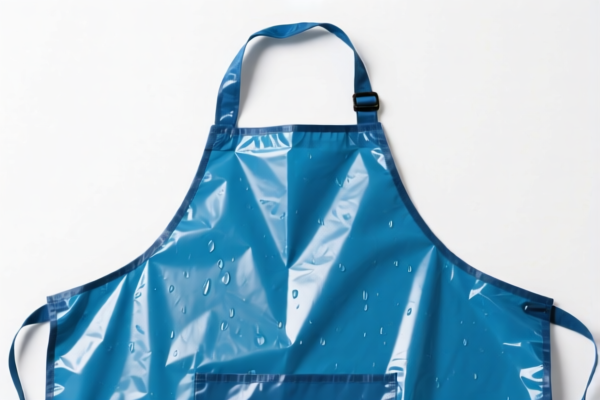
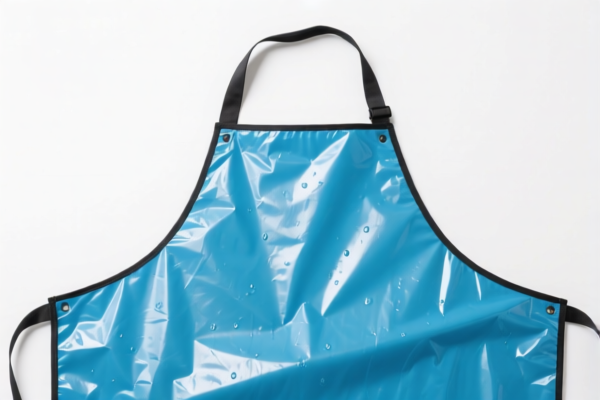
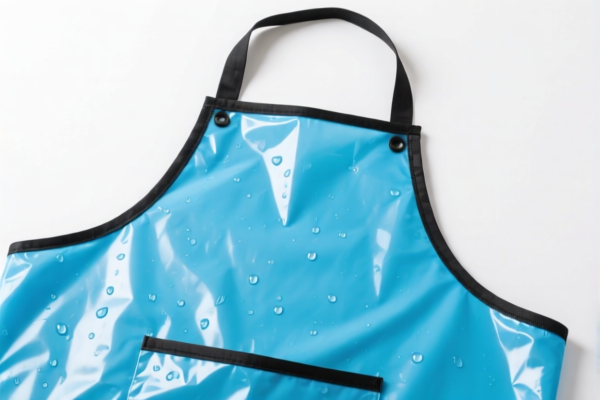

AI Analysis
🧥 Waterproof Apron (女童/成人通用 / Girls' / General)
🌐 HS Code Reference & Customs Clearance Guide | 2026 Latest Tariff Analysis | Professional Clearance Strategy
📌 1. Product Definition & Classification: Is it Plastic or Textile?
A "Waterproof Apron" is a protective garment worn over clothing to prevent dirt or water stains. In international trade, the classification depends heavily on the primary material and construction method.
Two Main Categories: * Plastic/PE/Rubber Aprons: Made entirely or primarily of plastics (e.g., PVC, PE sheets). Classified under Chapter 39. * Textile/Coated Fabric Aprons: Made of woven or knitted fabric (cotton, polyester) with a rubber/plastic coating or lamination for waterproofing. Classified under Chapter 61 or 62.
⚠️ Key Distinction Point:
- If the material is solid plastic sheeting (no woven structure) → Chapter 39 (Plastics).
- If the material is fabric (woven/knitted) with a surface treatment (coating/lamination) → Chapter 61/62 (Textiles).
- "Girls'" specific design does not change the chapter but may affect the subheading if specified as "of textile materials" (often Chapter 61 for knitted/crocheted, Chapter 62 for non-knitted).
📦 2. HS Code Classification Details (Based on Provided Data)
| HS Code | Product Description | Material/Construction | Key Classification Logic |
|---|---|---|---|
3926.20.90.10 |
Girls' Winter Waterproof Apron | Plastic Products | Primary material is plastic (e.g., PVC/PE). Fits the definition of an apron made of plastics. |
6117.90.90.90 |
Girls' Winter Waterproof Apron | Apparel Accessories | Classified as an accessory to clothing (textile-based inference). Likely knitted/crocheted or general textile accessories. |
6210.20.70.00 |
Waterproof Robe/Gown | Outerwear, Coated | Outer garment with rubber/plastic coating on the outer surface. Treated as an outerwear piece. |
6210.30.70.00 |
Waterproof Robe/Gown | Outerwear, Impregnated | Outer garment with rubber/plastic impregnated/coated/laminated surface. |
6113.00.10.05 |
Waterproof Robe/Gown | Coated/Laminated Fabric | Textile material with coating or membrane treatment, classified as outerwear. |
🔍 Important Note:
- Codes6210.20and6210.30typically refer to Outerwear (robes/gowns) rather than simple aprons. If the item is a simple bib apron,6117or3926are more likely. - Codes6113and6117refer to Knitted/Crocheted items. If the apron is non-knitted (woven), check Chapter 62 instead. - The term "Girls'" suggests a specific subset of apparel, often falling under Chapter 61 (Knitted) or specific subheadings in Chapter 62.
💰 3. 2026 Latest Tariff Rate Breakdown (US Import from China)
✅ Applicable Country: United States (US)
✅ Origin: China (CN)
✅ Effective Date: Current rates including Section 301 and Section 122 measures.
🎯 1. 3926.20.90.10 – Aprons of Plastics
| Item | Details |
|---|---|
| Base Duty Rate | 5.0% |
| Section 301 Duty | 25.0% |
| Section 122 Duty | 10.0% |
| Total Tax Rate | 40.0% |
| De Minimis Exemption | ❌ Not Eligible (High value/additional duties usually exclude 8 U.S.C. § 1321(a)(11)(C)(i)) |
| Legal Basis | Section 301 (USITC) + Section 122 (Trade Expansion Act) |
📌 Explanation:
- Plastic aprons face the highest combined tariffs due to Section 122 (additional 10%) and Section 301 (25%). - Total 40% duty makes this category very expensive for direct import from China. - Cost Impact: For a $100 shipment, duty alone is $40.
🎯 2. 6117.90.90.90 – Apparel Accessories (Textile)
| Item | Details |
|---|---|
| Base Duty Rate | 14.6% |
| Section 301 Duty | 7.5% |
| Section 122 Duty | 10.0% |
| Total Tax Rate | 32.1% |
| De Minimis Exemption | ❌ Not Eligible (Subject to Section 301) |
| Legal Basis | Section 301 (USITC) + Section 122 |
📌 Explanation:
- Textile accessories have a higher base rate (14.6%) than plastic (5%), but a lower Section 301 rate (7.5% vs 25%). - Section 122 still applies (+10%). - Cost Impact: 32.1% is still high, but cheaper than plastic aprons.
🎯 3. 6210.20.70.00 – Waterproof Outerwear (Non-Coated Section 301)
| Item | Details |
|---|---|
| Base Duty Rate | 3.3% |
| Section 301 Duty | 0.0% |
| Section 122 Duty | 10.0% |
| Total Tax Rate | 13.3% |
| De Minimis Exemption | ❌ Not Eligible (Section 122 applies) |
| Legal Basis | Section 122 (Trade Expansion Act) |
📌 Explanation:
- This classification benefits from a 0% Section 301 rate (likely because it's considered a specific type of protective garment or falls under a different trade policy exemption for this subheading). - Only the Section 122 10% applies. - Cost Impact: Significantly lower. Best option if the product can be classified as this type of outerwear.
🎯 4. 6210.30.70.00 – Waterproof Outerwear (Impregnated)
| Item | Details |
|---|---|
| Base Duty Rate | 3.3% |
| Section 301 Duty | 7.5% |
| Section 122 Duty | 10.0% |
| Total Tax Rate | 20.8% |
| De Minimis Exemption | ❌ Not Eligible |
| Legal Basis | Section 301 + Section 122 |
📌 Explanation:
- Similar to above, but attracts a 7.5% Section 301 duty. - Cost Impact: Moderate. Cheaper than plastic/textile accessories, but more than6210.20.
🎯 5. 6113.00.10.05 – Coated/Laminated Textile Outerwear
| Item | Details |
|---|---|
| Base Duty Rate | 3.8% |
| Section 301 Duty | 7.5% |
| Section 122 Duty | 10.0% |
| Total Tax Rate | 21.3% |
| De Minimis Exemption | ❌ Not Eligible |
| Legal Basis | Section 301 + Section 122 |
📌 Explanation:
- Knitted/laminated textile garments. - Cost Impact: Similar to6210.30. Avoid if6210.20is applicable, as it saves 7.5% in Section 301 duties.
🛠️ 4. Customs Clearance Practical Advice (Pitfall Avoidance)
✅ 1. Documentation Checklist
| Document | Requirement | Purpose |
|---|---|---|
| Product Spec Sheet | ✔️ Mandatory | Confirm material: Is it pure plastic (Ch 39) or coated fabric (Ch 61/62)? |
| Material Composition | ✔️ Mandatory | % of plastic vs. textile. Critical for Ch 39 vs Ch 61/62 decision. |
| Photos (Front/Back/Detail) | ✔️ Mandatory | Show seams, coatings, labels ("Waterproof", "Plastic", "Polyester"). |
| Commercial Invoice | ✔️ Mandatory | Clearly describe item as "Waterproof Apron" or "Waterproof Robe". Avoid vague terms like "Plastic Sheet". |
| Origin Certificate | ✔️ Recommended | If re-exported from non-China countries, may help with some duties (but Section 122/301 often follow origin). |
✅ 2. Classification Strategy & Tips
🔥 "Material is King, Function is Queen, Labeling must Match!"
| Scenario | Recommended HS Code | Reason |
|---|---|---|
| Pure Plastic Sheet (No fabric) | 3926.20.90.10 |
Cannot be textile. Must pay 40%. |
| Fabric + Plastic Coating (Outerwear style) | 6210.20.70.00 |
Best rate (13.3%) if classified as coated outerwear without Section 301. |
| Fabric + Plastic Coating (Accessory/Glove style) | 6117.90.90.90 |
If considered an accessory, rate is 32.1%. |
| Children's Specific (Knitted) | 6113.00.10.05 |
If knitted and laminated, rate is 21.3%. |
⚠️ Critical Warning:
- Do NOT misdeclare a plastic apron as a textile item to avoid 25% Section 301. Customs audits are strict. If caught, penalties + back duties apply. - Section 122 (10%) applies to all these categories currently. There is no way to avoid the 10% on direct China imports for these goods.
✅ 3. Special Handling
| Situation | Advice |
|---|---|
| OEM/Private Label | Ensure labels do not contradict the material. If label says "100% Cotton" but item is PVC, it will be seized. |
| Set with Gloves/Booties | If sold as a set, classify based on the principal character item. If apron is main, classify apron. |
| Section 301 Exclusions | Check if 6210.20 or 6210.30 has any current exclusions. (Most are expired or not applicable for these subheadings). |
| De Minimis (Section 321) | Not available for Section 301/122 goods. Must file formal entry. |
🌍 5. Global Market Comparison (2026)
| Country | Best HS Code | Duty Rate | Notes |
|---|---|---|---|
| 🇺🇸 USA | 6210.20.70.00 |
13.3% | Lowest risk/rate if classified as coated outerwear. |
| 🇨🇳 China | 6210.20.70.00 |
~3.3% | No Section 301/122. Low import duty. |
| 🇪🇺 EU | 6210.20 |
~6.5% | Standard WCO duty. No anti-dumping usually. |
| 🇬🇧 UK | 6210.20 |
~6.5% | Post-Brexit rates similar to EU base rates. |
📌 Conclusion:
- The US is the most expensive market due to Section 301 and 122. - Strategy: If possible, classify as6210.20.70.00(13.3%) instead of plastic (3926- 40%) or textile accessories (6117- 32.1%). - Avoid: Pure plastic classification unless unavoidable, as it carries the highest tax burden.
📌 6. Common Mistakes & Pitfalls
❌ Mistake 1: Declaring a plastic apron as "Textile Apron" to avoid Section 301.
👉 Result: Customs inspection reveals PVC material. Seizure + 40% back duty + Penalty.
❌ Mistake 2: Ignoring Section 122 (10%).
👉 Result: Even with 0% Section 301, you still owe 10% base + 10% Section 122 = 13.3% minimum. Budget accordingly.
❌ Mistake 3: Mislabeling "Outerwear" as "Accessory" or vice versa.
👉 Result: Incorrect HS Code leads to audit. 6210 (Outerwear) vs 6117 (Accessories) have different rates and rules.
✅ Correct Approach:
"Waterproof Coated Fabric Apron, Outerwear Style, Polyester/Cotton Blend with PU Coating, Model XYZ, Made in China."
🎯 7. Conclusion: Strategic Sourcing & Compliance
🎯 Key Takeaway:
🔹 "Choose Chapter 62 over Chapter 39 if possible."
🔹 "Section 122 is unavoidable (10%), but Section 301 (25%) can be avoided by correct textile classification."
🔹 "Total savings: Up to 26.7% by choosing6210.20.70.00over3926.20.90.10."
📌 Pro Tip:
- Request a Pre-Ruling from US Customs (CBP) if your product is on the borderline between plastic and coated textile.
- Ensure your supplier provides material test reports to prove it is coated fabric (Ch 62) rather than solid plastic (Ch 39).
📣 Action Plan:
📞 Consult your customs broker with material specs.
📄 Obtain material composition certificates.
🚀 File entry under6210.20.70.00if applicable to minimize duty to 13.3%.
✨ Accurate Classification = Lower Costs = Higher Profit!
💼 Don't let tariffs eat your margin.
Customer Reviews
About HS Code Classification
The Harmonized System (HS) is an internationally standardized nomenclature developed by the World Customs Organization (WCO) to classify traded products. Over 200 countries use the HS system as the basis for customs tariffs, trade statistics, and import/export regulations.
Each HS code follows a hierarchical structure:
- Chapter (2 digits) — Broad category of goods (e.g., Chapter 84: Machinery and Mechanical Appliances)
- Heading (4 digits) — More specific grouping within the chapter
- Subheading (6 digits) — Internationally standardized breakdown, used by all WCO member countries
- National subdivisions (8-10 digits) — Country-specific extensions for further classification, such as US HTSUS 10-digit codes
Correct HS code classification is essential for smooth customs clearance, accurate duty payment, and compliance with trade regulations. Misclassification can lead to customs delays, overpayment of duties, or penalties.
When importing from CN to US, the applicable tariff rates may include:
- Most-Favored-Nation (MFN) rate — The standard duty rate applied to WTO members
- General rate — Applied to countries without trade agreements
- Trade remedy duties — Additional tariffs such as Section 301 (anti-dumping), Section 232 (national security), or countervailing duties
The information provided on this page is for reference purposes only. For official classification, please consult with your local customs authority or a licensed customs broker.