Waterproof Oilcloth
CN → US| HS编码 | 关税税率 | 原产国 | 目的国 | 文档 |
|---|---|---|---|---|
| 3926206000 | 35.0% | CN | US | 官方文档 |
| 3926904800 | 13.4% | CN | US | 官方文档 |
| 5903101000 | 37.7% | CN | US | 官方文档 |
| 5903901000 | 37.7% | CN | US | 官方文档 |
商品图片
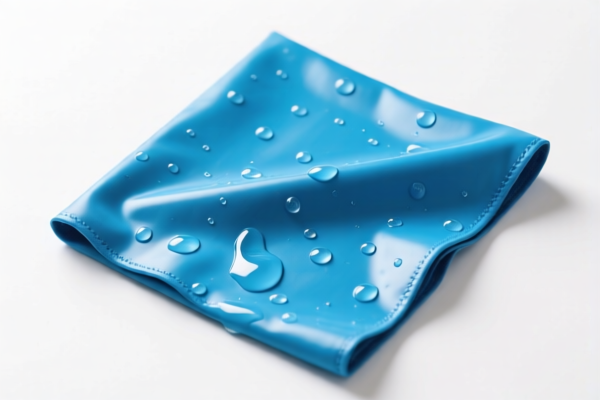
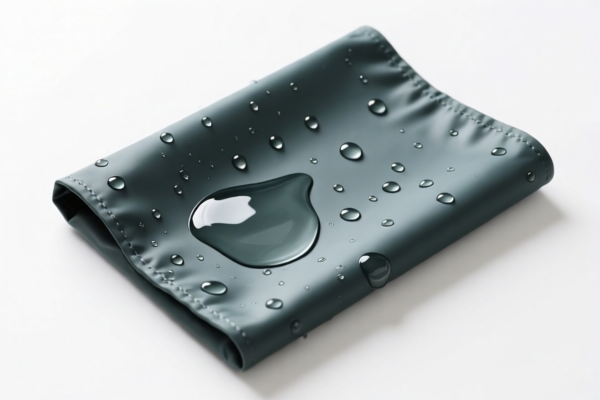
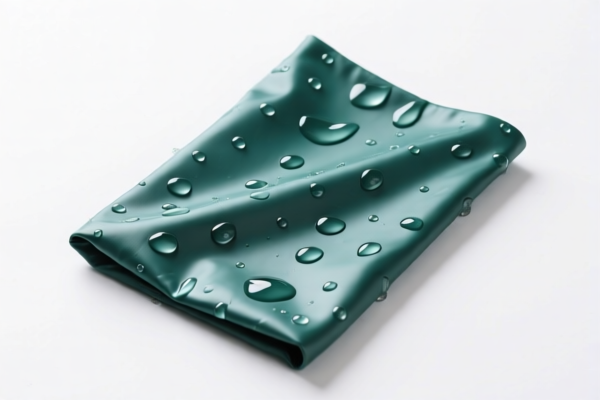
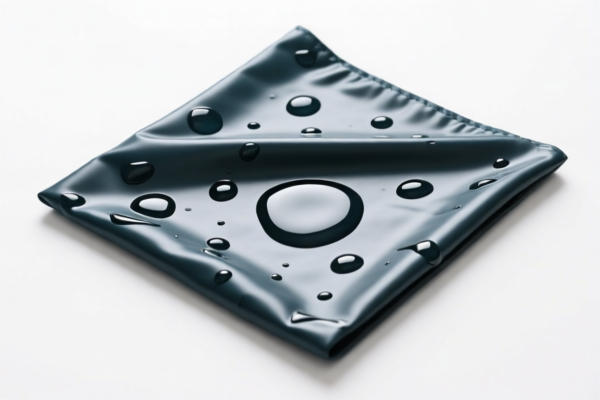
AI分析
💧 Waterproof Oilcloth (Plastic-Impregnated Textiles)
🌐 HS Code Reference & Customs Clearance Guide | 2026 Latest Tariff Analysis | Professional Strategy for Plastic-Coated Fabrics
📌 I. Product Definition & Classification: What is "Waterproof Oilcloth"?
Waterproof Oilcloth (often referred to as PVC-coated fabric or plastic-impregnated textile) is not a single HS code but a category heavily dependent on its base material (usually Cotton) and the type of plastic coating (usually Polyvinyl Chloride - PVC).
In international trade, these are classified under Chapter 59 (Textile fabrics impregnated, coated, covered or laminated with plastics) or Chapter 39 (Articles of plastics), depending on the final application.
⚠️ Key Distinction:
- If the product is a raw fabric (rolls, bolts) used for manufacturing (e.g., to make bags, tarps, or garments later) → It falls under Heading 5903.
- If the product is a finished article (e.g., raincoats, ponchos, gloves, photo albums) → It falls under Heading 3926 or 61/62 (depending on the article).
📦 II. HS Code Classification Details (2026 Latest Tariff Reference)
Based on the provided data, we analyze two primary categories: Fabric Rolls and Finished Articles.
🏷️ Category A: PVC-Coated Cotton Fabrics (Heading 5903)
Used for: Tarpaulins, tablecloths, upholstery backing, bag manufacturing.
| HS Code | Product Description | Base Material | Plastic Type | Key Feature |
|---|---|---|---|---|
5903.10.10.00 |
Textile fabrics impregnated, coated, covered or laminated with plastics: With poly(vinyl chloride): Of cotton | Cotton | PVC | Most Common Oilcloth Base |
5903.90.10.00 |
Textile fabrics impregnated, coated, covered or laminated with plastics: Other: Of cotton | Cotton | Other Plastics* | Non-PVC coatings (e.g., PE, PU) |
🔍 Note:
-5903.10.10.00is the critical code for traditional "PVC Oilcloth" made of cotton.
-5903.90.10.00applies if the coating is NOT PVC (e.g., Polyethylene or Polyurethane), even if the base is cotton.
🏷️ Category B: Finished Plastic Articles (Heading 3926)
Used for: Rainwear, Photo Albums, Gloves.
| HS Code | Product Description | Application | Specifics |
|---|---|---|---|
3926.20.60.00 |
Articles of apparel and clothing accessories: Plastic rainwear (jackets, coats, ponchos, parkas, slickers) | Apparel | Outer shell of PVC; valued ≤ certain threshold |
3926.90.48.00 |
Other articles of plastics: Photo albums | Stationery/Consumer Goods | Made from plastic materials |
🔍 Note:
- If your "oilcloth" is sewn into a poncho or raincoat, do NOT use HS5903. Use3926.20.60.00.
- If it is a photo album cover, use3926.90.48.00.
💰 III. 2026 Latest Tariff Rate Details (Including Additional Duties)
✅ Applicable Country: United States (US)
✅ Origin: China (CN)
✅ Effective Date: Current Trade Policies (Section 301 & IEEPA)
🎯 1. 5903.10.10.00 — PVC-Coated Cotton Fabric (Raw Material)
| Item | Detail |
|---|---|
| Product | PVC-Coated Cotton Fabrics (Unfinished) |
| Base Tariff | 2.7% |
| Section 301 Add-on | +25.0% |
| Total Effective Rate | 27.7% |
| Calculation | CIF Value × 27.7% |
| De Minimis Exemption | ❌ Not Eligible (Valued over $800 threshold usually triggers full duty; if < $800, still subject to inspection but duty may be waived depending on current CBP enforcement, but generally Section 301 applies to de minimis if origin is China). |
📌 Explanation:
- This is a high-duty raw material. Importers must budget for ~27.7% cost increase.
- Risk: Misclassifying finished goods as "fabric" to avoid higher appurtenant duties on finished items is a common audit red flag.
🎯 2. 5903.90.10.00 — Cotton Fabric with Other Plastic Coating
| Item | Detail |
|---|---|
| Product | Cotton Fabric (Non-PVC Coating, e.g., PE/PU) |
| Base Tariff | 0.0% |
| Add-on Tariffs | 0.0% |
| Total Effective Rate | 0.0% |
| Calculation | Free |
| De Minimis Exemption | ✅ Eligible (if < $800 per recipient per day) |
📌 Explanation:
- Tax-Free Opportunity! If you can demonstrate the coating is NOT PVC (e.g., use PE or PU), you save 27.7%.
- Challenge: Proving the coating material to CBP requires technical data sheets. PVC is the default assumption for "oilcloth," so you must provide evidence otherwise.
🎯 3. 3926.20.60.00 — PVC Rainwear (Finished Article)
| Item | Detail |
|---|---|
| Product | Plastic Rainwear (Jackets, Ponchos, Parkas) |
| Base Tariff | 0.0% |
| Section 301 Add-on | +25.0% |
| Total Effective Rate | 25.0% |
| Calculation | CIF Value × 25.0% |
| De Minimis Exemption | ❌ Not Eligible (Section 301 goods are excluded from de minimis) |
📌 Explanation:
- Finished rainwear is taxed at 25%.
- Comparison: Importing fabric (5903.10.10.00) at 27.7% to make rainwear domestically is more expensive than importing finished rainwear at 25%.
- Strategy: If manufacturing capacity is outside the US, importing finished goods may be cheaper.
🎯 4. 3926.90.48.00 — Photo Albums
| Item | Detail |
|---|---|
| Product | Photo Albums (Plastic/Composite) |
| Base Tariff | 3.4% |
| Add-on Tariffs | 0.0% |
| Total Effective Rate | 3.4% |
| Calculation | CIF Value × 3.4% |
| De Minimis Exemption | ✅ Eligible (if < $800) |
📌 Explanation:
- Low Duty! Plastic photo albums attract only 3.4%.
- This is a niche but highly profitable classification for consumer goods.
🛠️ IV. Customs Clearance Practical Advice (Risk Avoidance Guide)
✅ 1. Essential Documentation Checklist
| Document | Required? | Purpose |
|---|---|---|
| ✅ Technical Data Sheet | ✔️ | Critical for 5903.10.10.00 vs 5903.90.10.00. Must specify "PVC" or "Non-PVC (e.g., PE)" coating. |
| ✅ Commercial Invoice | ✔️ | Clearly state "PVC-Coated Cotton Fabric" or "Finished PVC Raincoat". |
| ✅ Packaging List | ✔️ | Specify units (meters/kg for fabric, pieces for finished goods). |
| ✅ Product Photos | ✔️ | Show cross-section if possible (to prove fabric base). |
| ✅ Letter of Guarantee | ❓ | For 3926.20.60.00, confirm it meets "valued not over" criteria if applicable. |
✅ 2. Strategic Classification Tips (The "Tariff Engineering" Path)
| Scenario | Recommended HS Code | Duty Rate | Strategy |
|---|---|---|---|
| Importing Raw PVC Fabric | 5903.10.10.00 |
27.7% | High cost. Consider sourcing from non-China countries for MFN rates if possible. |
| Importing Non-PVC Coated Fabric | 5903.90.10.00 |
0.0% | Best Option! Switch coating material to PE or PU if application allows. |
| Importing Finished Raincoats | 3926.20.60.00 |
25.0% | Cheaper than raw fabric (27.7%). Better for finished goods importers. |
| Importing Photo Albums | 3926.90.48.00 |
3.4% | Lowest Cost. High margin potential. |
| Small Parcel (< $800) | Varies | 0%–25% | Warning: Section 301 duties (25%) apply to all Chinese-origin goods under de minimis, regardless of value. Do not assume tax-free! |
✅ 3. Common Pitfalls & Warnings
❌ Pitfall 1: Calling it "Oilcloth" in Invoice
👉 Risk: CBP may assume PVC. If it’s actually PE, you might be under-declaring if classified as PVC (27.7%) vs over-declaring if classified as non-PVC (0%) incorrectly.
✅ Fix: Use precise chemical names: "Polyvinyl Chloride Coated Cotton Fabric."
❌ Pitfall 2: Confusing Fabric vs. Article
👉 Risk: Declaring a sewn poncho as "Fabric" to avoid finished goods regulations.
✅ Fix: If it has seams, hems, zippers, or sleeves → It’s an Article (HS 3926). If it’s rolls → Fabric (HS 5903).
❌ Pitfall 3: Ignoring Section 301 on De Minimis
👉 Risk: Expecting $0 duty on a $500 shipment of PVC fabric via express courier.
✅ Fix: Remember, 25% Section 301 duty applies even under de minimis for Chinese-origin Section 301 items. The total cost is 27.7% (if PVC fabric).
🌍 V. Global Market Comparison (2026 Outlook)
| Market | HS Code (PVC Fabric) | Base Duty | Add-on | Total | Notes |
|---|---|---|---|---|---|
| 🇺🇸 USA | 5903.10.10.00 |
2.7% | +25% | 27.7% | High barrier. Consider non-China sourcing. |
| 🇺🇸 USA | 5903.90.10.00 |
0% | 0% | 0.0% | Golden Ticket if coating is non-PVC. |
| 🇨🇳 China | 5903.10.10.00 |
10% | 0% | 10.0% | Importing into China. |
| 🇪🇺 EU | 5903.10.10.00 |
6.5% | 0% | 6.5% | No Section 301. More favorable than US. |
| 🇬🇧 UK | 5903.10.10.00 |
6.5% | 0% | 6.5% | Post-Brexit alignment with EU rates. |
📌 VI. Final Verdict & Action Plan
🎯 For Manufacturers/Importers of Raw Fabric:
- Audit Your Coating: Can you switch from PVC to Polyethylene (PE) or Polyurethane (PU)?
- Yes → Use
5903.90.10.00→ Save 27.7% in Duty. - No (Must be PVC) → Expect 27.7% Duty. Budget accordingly.
- Yes → Use
🎯 For Retailers of Finished Goods:
- Rainwear: Import as finished goods (
3926.20.60.00) at 25% rather than importing fabric and sewing domestically if labor costs are high. - Photo Albums: Use
3926.90.48.00at 3.4%. Highly efficient. - Small Parcels: Even for <$800 shipments, calculate the 25% Section 301 add-on. Do not ignore it.
💡 Pro Tip:
"PVC is Expensive, Non-PVC is Free (in US). Rainwear is Cheaper than Fabric. Albums are Cheap."
📣 Immediate Action Required:
- Check Material Safety Data Sheets (MSDS) to confirm coating type.
- Consult a Customs Broker for a Binding Ruling if switching from PVC to Non-PVC.
- Update Invoices with precise chemical descriptions to avoid classification errors.
✨ Precision Classification Saves Money.
💼 Don’t let 27.7% duties eat your margin. Optimize your HS Code today!
用户评价
关于 HS 编码归类
协调制度(HS)是由世界海关组织(WCO)制定的国际贸易商品分类标准。全球 200 多个国家采用 HS 系统作为海关关税、贸易统计和进出口监管的基础。
每个 HS 编码遵循以下层级结构:
- 章(2 位)——商品大类(例如:第 84 章:机器和机械设备)
- 品目(4 位)——章内的更具体分类
- 子目(6 位)——国际通用细分,所有 WCO 成员国统一使用
- 本国细分(8-10 位)——各国自行扩展的细分编码,如美国 HTSUS 10 位编码
正确的 HS 编码归类对于顺利通关、准确缴纳关税和遵守贸易法规至关重要。错误归类可能导致海关延误、多缴关税或罚款。
从CN进口到US时,适用的关税税率可能包括:
- 最惠国(MFN)税率——适用于 WTO 成员国的标准关税税率
- 普通税率——适用于无贸易协定国家
- 贸易救济关税——附加关税,如 301 条款(反倾销)、232 条款(国家安全)或反补贴税
本页内容仅供参考。如需正式归类,请咨询当地海关或持牌报关代理。