Waterproof Oilcloth
CN → US| HS Code | Tariff Rate | Origin | Destination | Doc |
|---|---|---|---|---|
| 3926206000 | 35.0% | CN | US | Official Doc |
| 3926904800 | 13.4% | CN | US | Official Doc |
| 5903101000 | 37.7% | CN | US | Official Doc |
| 5903901000 | 37.7% | CN | US | Official Doc |
Product Images
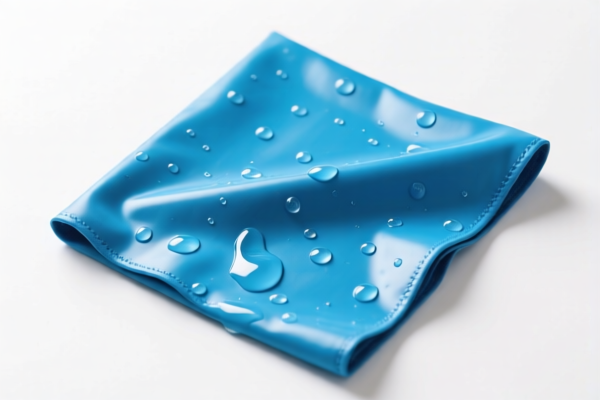
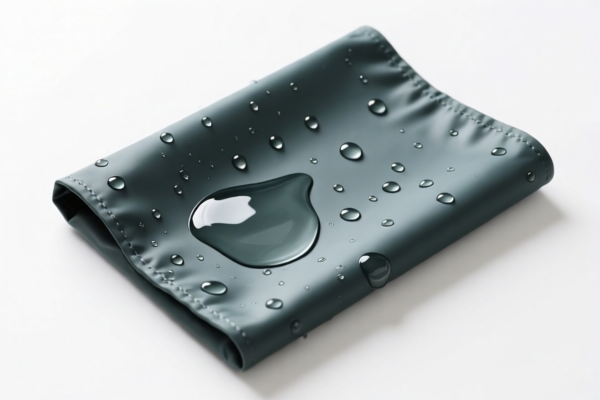
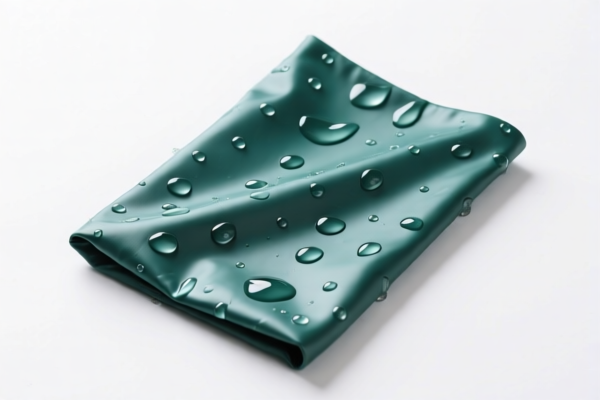
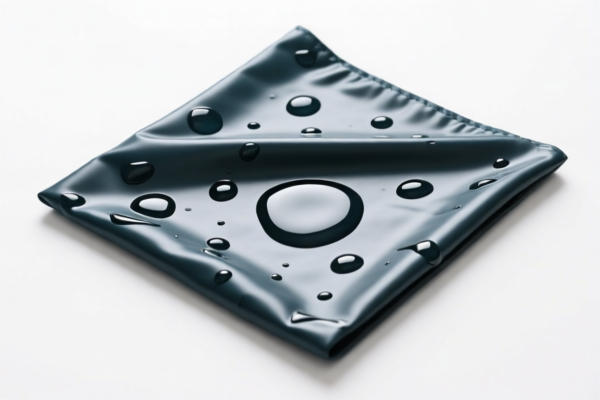
AI Analysis
💧 Waterproof Oilcloth (Plastic-Impregnated Textiles)
🌐 HS Code Reference & Customs Clearance Guide | 2026 Latest Tariff Analysis | Professional Strategy for Plastic-Coated Fabrics
📌 I. Product Definition & Classification: What is "Waterproof Oilcloth"?
Waterproof Oilcloth (often referred to as PVC-coated fabric or plastic-impregnated textile) is not a single HS code but a category heavily dependent on its base material (usually Cotton) and the type of plastic coating (usually Polyvinyl Chloride - PVC).
In international trade, these are classified under Chapter 59 (Textile fabrics impregnated, coated, covered or laminated with plastics) or Chapter 39 (Articles of plastics), depending on the final application.
⚠️ Key Distinction:
- If the product is a raw fabric (rolls, bolts) used for manufacturing (e.g., to make bags, tarps, or garments later) → It falls under Heading 5903.
- If the product is a finished article (e.g., raincoats, ponchos, gloves, photo albums) → It falls under Heading 3926 or 61/62 (depending on the article).
📦 II. HS Code Classification Details (2026 Latest Tariff Reference)
Based on the provided data, we analyze two primary categories: Fabric Rolls and Finished Articles.
🏷️ Category A: PVC-Coated Cotton Fabrics (Heading 5903)
Used for: Tarpaulins, tablecloths, upholstery backing, bag manufacturing.
| HS Code | Product Description | Base Material | Plastic Type | Key Feature |
|---|---|---|---|---|
5903.10.10.00 |
Textile fabrics impregnated, coated, covered or laminated with plastics: With poly(vinyl chloride): Of cotton | Cotton | PVC | Most Common Oilcloth Base |
5903.90.10.00 |
Textile fabrics impregnated, coated, covered or laminated with plastics: Other: Of cotton | Cotton | Other Plastics* | Non-PVC coatings (e.g., PE, PU) |
🔍 Note:
-5903.10.10.00is the critical code for traditional "PVC Oilcloth" made of cotton.
-5903.90.10.00applies if the coating is NOT PVC (e.g., Polyethylene or Polyurethane), even if the base is cotton.
🏷️ Category B: Finished Plastic Articles (Heading 3926)
Used for: Rainwear, Photo Albums, Gloves.
| HS Code | Product Description | Application | Specifics |
|---|---|---|---|
3926.20.60.00 |
Articles of apparel and clothing accessories: Plastic rainwear (jackets, coats, ponchos, parkas, slickers) | Apparel | Outer shell of PVC; valued ≤ certain threshold |
3926.90.48.00 |
Other articles of plastics: Photo albums | Stationery/Consumer Goods | Made from plastic materials |
🔍 Note:
- If your "oilcloth" is sewn into a poncho or raincoat, do NOT use HS5903. Use3926.20.60.00.
- If it is a photo album cover, use3926.90.48.00.
💰 III. 2026 Latest Tariff Rate Details (Including Additional Duties)
✅ Applicable Country: United States (US)
✅ Origin: China (CN)
✅ Effective Date: Current Trade Policies (Section 301 & IEEPA)
🎯 1. 5903.10.10.00 — PVC-Coated Cotton Fabric (Raw Material)
| Item | Detail |
|---|---|
| Product | PVC-Coated Cotton Fabrics (Unfinished) |
| Base Tariff | 2.7% |
| Section 301 Add-on | +25.0% |
| Total Effective Rate | 27.7% |
| Calculation | CIF Value × 27.7% |
| De Minimis Exemption | ❌ Not Eligible (Valued over $800 threshold usually triggers full duty; if < $800, still subject to inspection but duty may be waived depending on current CBP enforcement, but generally Section 301 applies to de minimis if origin is China). |
📌 Explanation:
- This is a high-duty raw material. Importers must budget for ~27.7% cost increase.
- Risk: Misclassifying finished goods as "fabric" to avoid higher appurtenant duties on finished items is a common audit red flag.
🎯 2. 5903.90.10.00 — Cotton Fabric with Other Plastic Coating
| Item | Detail |
|---|---|
| Product | Cotton Fabric (Non-PVC Coating, e.g., PE/PU) |
| Base Tariff | 0.0% |
| Add-on Tariffs | 0.0% |
| Total Effective Rate | 0.0% |
| Calculation | Free |
| De Minimis Exemption | ✅ Eligible (if < $800 per recipient per day) |
📌 Explanation:
- Tax-Free Opportunity! If you can demonstrate the coating is NOT PVC (e.g., use PE or PU), you save 27.7%.
- Challenge: Proving the coating material to CBP requires technical data sheets. PVC is the default assumption for "oilcloth," so you must provide evidence otherwise.
🎯 3. 3926.20.60.00 — PVC Rainwear (Finished Article)
| Item | Detail |
|---|---|
| Product | Plastic Rainwear (Jackets, Ponchos, Parkas) |
| Base Tariff | 0.0% |
| Section 301 Add-on | +25.0% |
| Total Effective Rate | 25.0% |
| Calculation | CIF Value × 25.0% |
| De Minimis Exemption | ❌ Not Eligible (Section 301 goods are excluded from de minimis) |
📌 Explanation:
- Finished rainwear is taxed at 25%.
- Comparison: Importing fabric (5903.10.10.00) at 27.7% to make rainwear domestically is more expensive than importing finished rainwear at 25%.
- Strategy: If manufacturing capacity is outside the US, importing finished goods may be cheaper.
🎯 4. 3926.90.48.00 — Photo Albums
| Item | Detail |
|---|---|
| Product | Photo Albums (Plastic/Composite) |
| Base Tariff | 3.4% |
| Add-on Tariffs | 0.0% |
| Total Effective Rate | 3.4% |
| Calculation | CIF Value × 3.4% |
| De Minimis Exemption | ✅ Eligible (if < $800) |
📌 Explanation:
- Low Duty! Plastic photo albums attract only 3.4%.
- This is a niche but highly profitable classification for consumer goods.
🛠️ IV. Customs Clearance Practical Advice (Risk Avoidance Guide)
✅ 1. Essential Documentation Checklist
| Document | Required? | Purpose |
|---|---|---|
| ✅ Technical Data Sheet | ✔️ | Critical for 5903.10.10.00 vs 5903.90.10.00. Must specify "PVC" or "Non-PVC (e.g., PE)" coating. |
| ✅ Commercial Invoice | ✔️ | Clearly state "PVC-Coated Cotton Fabric" or "Finished PVC Raincoat". |
| ✅ Packaging List | ✔️ | Specify units (meters/kg for fabric, pieces for finished goods). |
| ✅ Product Photos | ✔️ | Show cross-section if possible (to prove fabric base). |
| ✅ Letter of Guarantee | ❓ | For 3926.20.60.00, confirm it meets "valued not over" criteria if applicable. |
✅ 2. Strategic Classification Tips (The "Tariff Engineering" Path)
| Scenario | Recommended HS Code | Duty Rate | Strategy |
|---|---|---|---|
| Importing Raw PVC Fabric | 5903.10.10.00 |
27.7% | High cost. Consider sourcing from non-China countries for MFN rates if possible. |
| Importing Non-PVC Coated Fabric | 5903.90.10.00 |
0.0% | Best Option! Switch coating material to PE or PU if application allows. |
| Importing Finished Raincoats | 3926.20.60.00 |
25.0% | Cheaper than raw fabric (27.7%). Better for finished goods importers. |
| Importing Photo Albums | 3926.90.48.00 |
3.4% | Lowest Cost. High margin potential. |
| Small Parcel (< $800) | Varies | 0%–25% | Warning: Section 301 duties (25%) apply to all Chinese-origin goods under de minimis, regardless of value. Do not assume tax-free! |
✅ 3. Common Pitfalls & Warnings
❌ Pitfall 1: Calling it "Oilcloth" in Invoice
👉 Risk: CBP may assume PVC. If it’s actually PE, you might be under-declaring if classified as PVC (27.7%) vs over-declaring if classified as non-PVC (0%) incorrectly.
✅ Fix: Use precise chemical names: "Polyvinyl Chloride Coated Cotton Fabric."
❌ Pitfall 2: Confusing Fabric vs. Article
👉 Risk: Declaring a sewn poncho as "Fabric" to avoid finished goods regulations.
✅ Fix: If it has seams, hems, zippers, or sleeves → It’s an Article (HS 3926). If it’s rolls → Fabric (HS 5903).
❌ Pitfall 3: Ignoring Section 301 on De Minimis
👉 Risk: Expecting $0 duty on a $500 shipment of PVC fabric via express courier.
✅ Fix: Remember, 25% Section 301 duty applies even under de minimis for Chinese-origin Section 301 items. The total cost is 27.7% (if PVC fabric).
🌍 V. Global Market Comparison (2026 Outlook)
| Market | HS Code (PVC Fabric) | Base Duty | Add-on | Total | Notes |
|---|---|---|---|---|---|
| 🇺🇸 USA | 5903.10.10.00 |
2.7% | +25% | 27.7% | High barrier. Consider non-China sourcing. |
| 🇺🇸 USA | 5903.90.10.00 |
0% | 0% | 0.0% | Golden Ticket if coating is non-PVC. |
| 🇨🇳 China | 5903.10.10.00 |
10% | 0% | 10.0% | Importing into China. |
| 🇪🇺 EU | 5903.10.10.00 |
6.5% | 0% | 6.5% | No Section 301. More favorable than US. |
| 🇬🇧 UK | 5903.10.10.00 |
6.5% | 0% | 6.5% | Post-Brexit alignment with EU rates. |
📌 VI. Final Verdict & Action Plan
🎯 For Manufacturers/Importers of Raw Fabric:
- Audit Your Coating: Can you switch from PVC to Polyethylene (PE) or Polyurethane (PU)?
- Yes → Use
5903.90.10.00→ Save 27.7% in Duty. - No (Must be PVC) → Expect 27.7% Duty. Budget accordingly.
- Yes → Use
🎯 For Retailers of Finished Goods:
- Rainwear: Import as finished goods (
3926.20.60.00) at 25% rather than importing fabric and sewing domestically if labor costs are high. - Photo Albums: Use
3926.90.48.00at 3.4%. Highly efficient. - Small Parcels: Even for <$800 shipments, calculate the 25% Section 301 add-on. Do not ignore it.
💡 Pro Tip:
"PVC is Expensive, Non-PVC is Free (in US). Rainwear is Cheaper than Fabric. Albums are Cheap."
📣 Immediate Action Required:
- Check Material Safety Data Sheets (MSDS) to confirm coating type.
- Consult a Customs Broker for a Binding Ruling if switching from PVC to Non-PVC.
- Update Invoices with precise chemical descriptions to avoid classification errors.
✨ Precision Classification Saves Money.
💼 Don’t let 27.7% duties eat your margin. Optimize your HS Code today!
Customer Reviews
About HS Code Classification
The Harmonized System (HS) is an internationally standardized nomenclature developed by the World Customs Organization (WCO) to classify traded products. Over 200 countries use the HS system as the basis for customs tariffs, trade statistics, and import/export regulations.
Each HS code follows a hierarchical structure:
- Chapter (2 digits) — Broad category of goods (e.g., Chapter 84: Machinery and Mechanical Appliances)
- Heading (4 digits) — More specific grouping within the chapter
- Subheading (6 digits) — Internationally standardized breakdown, used by all WCO member countries
- National subdivisions (8-10 digits) — Country-specific extensions for further classification, such as US HTSUS 10-digit codes
Correct HS code classification is essential for smooth customs clearance, accurate duty payment, and compliance with trade regulations. Misclassification can lead to customs delays, overpayment of duties, or penalties.
When importing from CN to US, the applicable tariff rates may include:
- Most-Favored-Nation (MFN) rate — The standard duty rate applied to WTO members
- General rate — Applied to countries without trade agreements
- Trade remedy duties — Additional tariffs such as Section 301 (anti-dumping), Section 232 (national security), or countervailing duties
The information provided on this page is for reference purposes only. For official classification, please consult with your local customs authority or a licensed customs broker.