Waterproof Patent Leather
CN → US| HS编码 | 关税税率 | 原产国 | 目的国 | 文档 |
|---|---|---|---|---|
| 5903102090 | 35.0% | CN | US | 官方文档 |
| 5903202000 | 35.0% | CN | US | 官方文档 |
| 4114204000 | 38.6% | CN | US | 官方文档 |
| 4114203000 | 37.3% | CN | US | 官方文档 |
| 3921904090 | 39.2% | CN | US | 官方文档 |
| 3921905050 | 39.8% | CN | US | 官方文档 |
商品图片
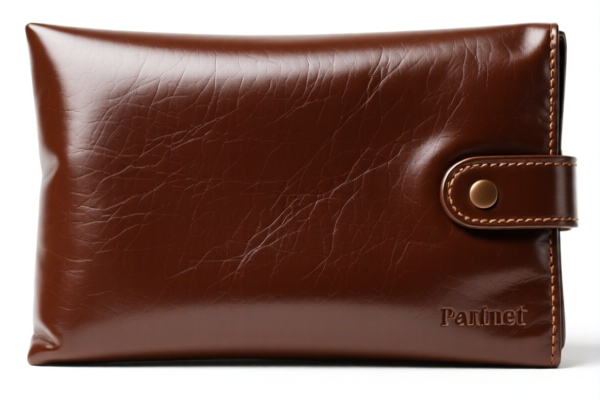
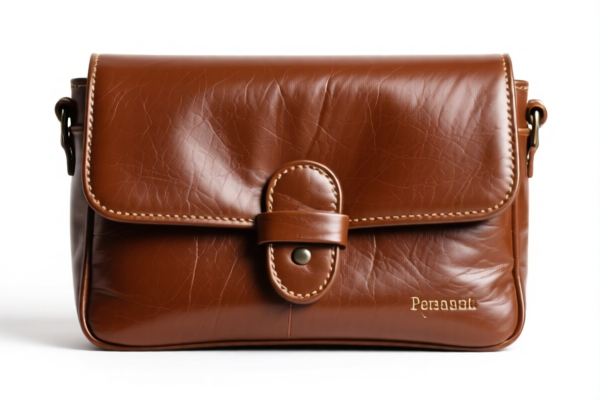
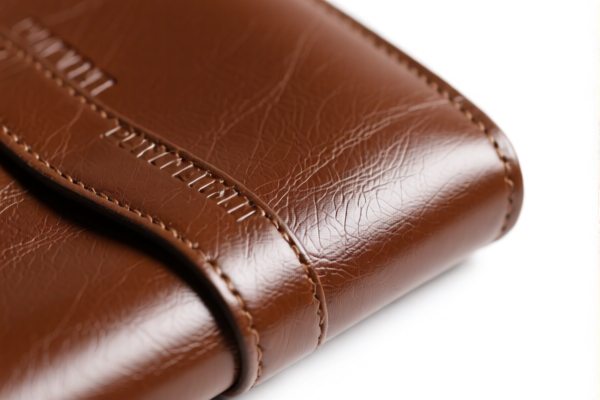
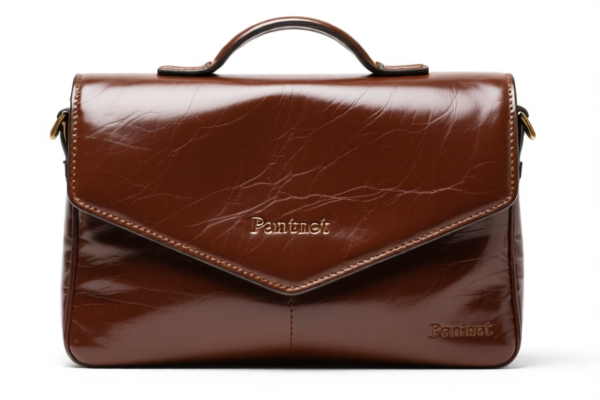
AI分析
🧥 Waterproof Patent Leather: HS Code Classification & Tariff Strategy (2026)
🌐 HS Code Reference & Customs Clearance Guide | 2026 Latest Tariff Analysis | Professional Clearance Strategy
📌 I. Product Definition & Classification: Do You Really Understand "Waterproof Patent Leather"?
Waterproof Patent Leather is a composite material that blends the aesthetic gloss of patent leather with functional water resistance. In international trade, it is categorized based on its base material and surface coating.
Key Distinction: * Textile Base with Plastic Coating: If the base is fabric (textile) coated with PVC or Polyurethane (PU) → Section XI / Chapter 59. * Leather Base with Lacquer/Patent Finish: If the base is genuine leather with a patent/lacquer finish → Section XI / Chapter 41. * Plastic Base: If the item is essentially a plastic sheet/film with a leather-like texture → Section XI / Chapter 39.
⚠️ Critical Classification Point:
- If it is fabric + plastic coating → Goes to 5903.xxxx
- If it is leather + patent finish → Goes to 4114.20.xxxx
- If it is plastic sheet/film → Goes to 3921.90.xxxx
- Misclassification leads to significant duty differences (0% vs 3.6% base + same surcharges).
📦 II. HS Code Classification Details (2026 Latest Tariff Authority Cross-Reference)
| HS Code | Product Description | Basis for Classification | Tax Rate |
|---|---|---|---|
5903.10.20.90 |
Textile fabric impregnated/coated with PVC | Summary: "Waterproof patent leather" inferred to have impregnated/coated characteristics; Patent leather is a textile fabric coated with PVC or other plastics. | 35.0% |
5903.20.20.00 |
Textile fabric impregnated/coated with Polyurethane (PU) | Summary: Material is fabric coated with PU or plastic; waterproof attribute fits post-coating functional form. | 35.0% |
4114.20.40.00 |
Patent Lacquer Leather (Leather Base) | Summary: "Patent leather" directly corresponds to "Patent Lacquer Leather"; Waterproof attribute is a common functional feature, does not conflict with material classification. | 38.6% |
4114.20.30.00 |
Patent Leather (Leather Base) | Summary: Material matches "Patent Leather" exactly; waterproof attribute does not conflict with original classification. | 37.3% |
3921.90.40.90 |
Other plates, sheets, film, foil, and strips of Plastic | Summary: Patent leather is usually constituted of plastic coatings like PU; conforms to plastic material characteristics; form fits "plates, sheets, film" description. | 39.2% |
3921.90.50.50 |
Other plastic plates, sheets, film, foil, and strips | Summary: Waterproof patent leather is plastic/synthetic resin class (including PU or PVC coating); form fits sheet/strip characteristics; conforms to other plastic plates, sheets, films, foils, and strips. | 39.8% |
🔍 Key Reminder:
- Leather Base (4114) has a higher base tariff (2.3%-3.6%) compared to Textile Base (5903) which is 0%.
- Plastic Base (3921) also has a higher base tariff (4.2%-4.8%).
- All codes share the same Surcharge structure (25% + 10%).
💰 III. 2026 Latest Tariff Rate Breakdown (Including Surcharges & Policy Add-ons)
✅ Applicable Country: United States (US)
✅ Origin: China (CN)
✅ Effective Date: From November 10, 2025 (including subsequent imports)
🎯 1. 5903.10.20.90 & 5903.20.20.00 —— Textile Fabric Coated with Plastics (PVC/PU)
| Item | Content |
|---|---|
| Base Tariff | 0% (ad valorem) |
| USITC Surcharge | +25% (from USITC Footnote 9903.88.01 / Section 301 Tariffs) |
| IEEPA Surcharge | +10% (Targeting China/HK products, from Nov 10, 2025) |
| Total Tax Rate | 35.0% |
| Tax Calculation | CIF Value × 35% |
| De Minimis Exemption | ❌ Not Eligible (deny_de_minimis) |
| Legal Basis Path | IEEPA:9903.01.25 → IEEPA:9903.01.24 → USITC:5903.xxxx → FOOTNOTE:9903.88.01 |
📌 Explanation:
- The 0% base is offset by the heavy surcharges.
- Total 35% is significantly lower than the leather-based options, making this the most cost-effective classification if the product is indeed textile-based.
🎯 2. 4114.20.30.00 & 4114.20.40.00 —— Patent Lacquer Leather
| Item | Content |
|---|---|
| Base Tariff | 2.3% (4114.20.30.00) / 3.6% (4114.20.40.00) |
| USITC Surcharge | +25% |
| IEEPA Surcharge | +10% |
| Total Tax Rate | 37.3% (30.00) / 38.6% (40.00) |
| Tax Calculation | CIF Value × 37.3% / 38.6% |
| De Minimis Exemption | ❌ Not Eligible |
| Legal Basis Path | IEEPA:9903.01.25 → IEEPA:9903.01.24 → USITC:4114.20.xxxx |
📌 Note:
- These codes apply if the base material is genuine leather.
- The "waterproof" aspect is considered a functional finish of the patent leather, not changing the fundamental leather classification.
🎯 3. 3921.90.40.90 & 3921.90.50.50 —— Plastic Sheets/Films
| Item | Content |
|---|---|
| Base Tariff | 4.2% (40.90) / 4.8% (50.50) |
| USITC Surcharge | +25% |
| IEEPA Surcharge | +10% |
| Total Tax Rate | 39.2% (40.90) / 39.8% (50.50) |
| Tax Calculation | CIF Value × 39.2% / 39.8% |
| De Minimis Exemption | ❌ Not Eligible |
| Legal Basis Path | IEEPA:9903.01.25 → IEEPA:9903.01.24 → USITC:3921.90.xxxx |
📌 Warning:
- If customs determines the product is essentially a "plastic sheet" rather than leather or textile composite, these higher rates apply.
- 39.8% is the highest risk rate if misclassified as a generic plastic item.
🛠️ IV. Customs Clearance Practical Advice (Battle-Tested Pitfall Avoidance)
✅ 1. Preparation Checklist (Non-negotiable)
| Document | Mandatory? | Description |
|---|---|---|
| ✅ Product Spec Sheet | ✔️ | Must specify Base Material (Fabric vs. Leather) and Coating Material (PVC vs. PU). |
| ✅ Composition Declaration | ✔️ | Explicitly state: "Base: 100% Polyester Fabric, Coating: PVC" OR "Base: Genuine Cowhide, Finish: Patent Lacquer". |
| ✅ Product Photos | ✔️ | Clear images showing cross-section (if possible) or label indicating material composition. |
| ✅ Commercial Invoice | ✔️ | Describe as "Waterproof Synthetic Leather (Textile Base)" or "Patent Leather (Leather Base)". Avoid vague terms like "PU Leather" without clarification. |
| ✅ Certificate of Origin (CO) | ✔️ | Required for tariff calculation. |
| ✅ Packaging List | ✔️ | Ensure packaging doesn't imply "Leather" if it is actually "Fabric". |
✅ 2. Declaration Tips (Key Mantra)
🔥 "Material First, Function Second. Base Defines the Code, Surcharge Adds the Pain!"
| Scenario | Correct Declaration | Wrong Practice |
|---|---|---|
| Fabric + PVC/PU Coating | 5903.10.20.90 / 5903.20.20.00 |
Misdeclare as "Leather" → Tax jumps from 35% to ~38%+ |
| Genuine Leather + Patent Finish | 4114.20.30.00 / 4114.20.40.00 |
Misdeclare as "Plastic Sheet" → Tax jumps to 39.8% |
| Synthetic "Faux" Leather (Non-woven) | Often 5903 or 3921 depending on structure |
Vague "PU Leather" → Customs may choose highest rate 39.8% |
📌 Critical Insight:
- "Patent Leather" in common language often means Leather Base.
- "Synthetic Patent Leather" or "PU Leather" often means Textile/Non-woven Base.
- You must declare the BASE material accurately. Customs will check the cross-section.
✅ 3. Special Cases
| Scenario | Handling Advice |
|---|---|
| Mixed Materials | If fabric and leather are layered, classify based on essential character. Usually, the outer visible layer dictates, but structural integrity matters. |
| OEM Custom Order | Provide buyer's spec sheet. If buyer specifies "Textile Base", use 5903. |
| Sample vs. Bulk | Samples still face the same tariff rates. No exemption for small quantities of 35-40% duty goods. |
🌍 V. Global Market Comparison (2026 Latest)
| Country/Region | Recommended HS Code | Tariff (China Origin) | Certifications | Notes |
|---|---|---|---|---|
| 🇺🇸 USA | 5903.10.20.90 / 5903.20.20.00 |
35.0% | None specific | Cheapest option if textile-based. |
| 🇺🇸 USA | 4114.20.30.00 |
37.3% | None specific | For genuine leather base. |
| 🇺🇸 USA | 3921.90.50.50 |
39.8% | None specific | Highest risk if misclassified. |
| 🇨🇳 China | 5903.10.20.90 |
~5-10% (Varies) | RoHS | Domestic import may have different rules. |
| 🇪🇺 EU | 5903.10.20 |
0-6% (Depending on exact subheading) | REACH | EU has different subheading logic. |
📌 Conclusion:
- US Tariffs are heavily influenced by Surcharges (35% Total).
- Minimizing Base Tariff is Key:5903(0% base) is cheaper than4114(2.3% base) and3921(4.2% base).
- Therefore, if your product is fabric-based, ensure it is classified under5903to save ~2-4% effectively.
📌 VI. Common Mistakes & Pitfalls (Blood-Learn Lessons)
❌ Mistake 1: Calling it "Leather" when it is Fabric-based.
👉 Consequence: Customs may inspect and reclassify to 4114 or 3921 if they suspect fraud, or apply penalties. If correctly declared as textile but misdescribed as leather, you pay higher duties.
❌ Mistake 2: Using "PU Leather" without specifying base material.
👉 Consequence: Customs may default to the highest risk code 3921.90.50.50 (39.8%) because "PU" alone doesn't define the base.
❌ Mistake 3: Assuming "Waterproof" changes the classification.
👉 Consequence: It doesn't. The material base determines the code. Waterproof is just a functional attribute of the coating.
✅ Correct Practice:
"Textile Fabric, Coated with Polyurethane, Waterproof, Used for Upholstery. HS: 5903.20.20.00"
OR
"Genuine Cowhide Leather, Patent Finish, Waterproof. HS: 4114.20.40.00"
🎯 VII. Conclusion: Precision in Classification Saves Money!
🎯 Remember the Mantra:
🔹 "Fabric Base = 5903 (35%) | Leather Base = 4114 (37-38%) | Plastic Sheet = 3921 (39-40%)"
🔹 "Base Material Dictates the Code, Surcharge Adds the Pain, Declare Accurately!"
📌 Pro Tip:
If your product is fabric-based, explicitly highlight "Textile Fabric Base" in the commercial invoice to support
5903classification.
If it is leather-based, provide a material analysis report to support4114and avoid being downgraded to plastic codes.
🚀 Get an Advance Ruling from CBP if unsure!
💼 Your profit margin depends on a 2% difference in base tariff!
✨ Professional Customs Clearance Starts with Accurate Classification!
💼 Every percentage point counts!
用户评价
关于 HS 编码归类
协调制度(HS)是由世界海关组织(WCO)制定的国际贸易商品分类标准。全球 200 多个国家采用 HS 系统作为海关关税、贸易统计和进出口监管的基础。
每个 HS 编码遵循以下层级结构:
- 章(2 位)——商品大类(例如:第 84 章:机器和机械设备)
- 品目(4 位)——章内的更具体分类
- 子目(6 位)——国际通用细分,所有 WCO 成员国统一使用
- 本国细分(8-10 位)——各国自行扩展的细分编码,如美国 HTSUS 10 位编码
正确的 HS 编码归类对于顺利通关、准确缴纳关税和遵守贸易法规至关重要。错误归类可能导致海关延误、多缴关税或罚款。
从CN进口到US时,适用的关税税率可能包括:
- 最惠国(MFN)税率——适用于 WTO 成员国的标准关税税率
- 普通税率——适用于无贸易协定国家
- 贸易救济关税——附加关税,如 301 条款(反倾销)、232 条款(国家安全)或反补贴税
本页内容仅供参考。如需正式归类,请咨询当地海关或持牌报关代理。