Waterproof Patent Leather
CN → US| HS Code | Tariff Rate | Origin | Destination | Doc |
|---|---|---|---|---|
| 5903102090 | 35.0% | CN | US | Official Doc |
| 5903202000 | 35.0% | CN | US | Official Doc |
| 4114204000 | 38.6% | CN | US | Official Doc |
| 4114203000 | 37.3% | CN | US | Official Doc |
| 3921904090 | 39.2% | CN | US | Official Doc |
| 3921905050 | 39.8% | CN | US | Official Doc |
Product Images
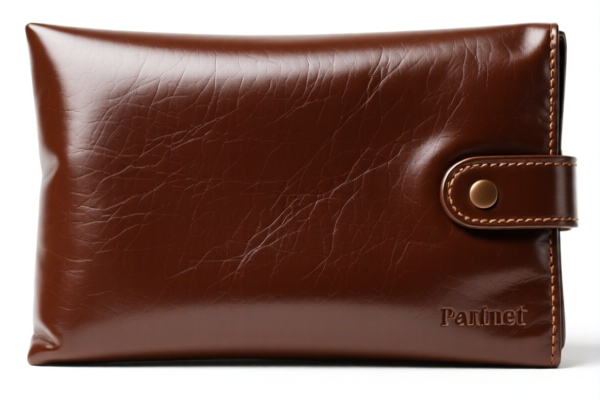
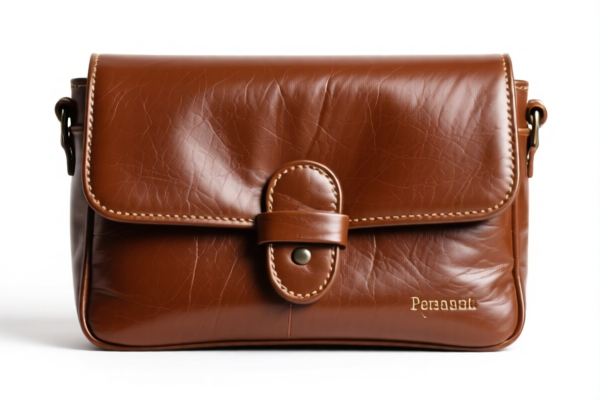
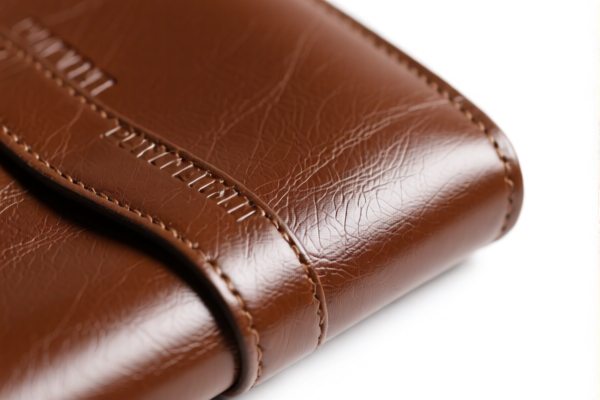
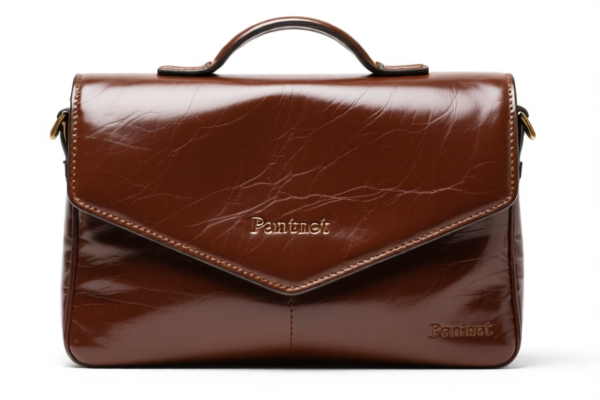
AI Analysis
🧥 Waterproof Patent Leather: HS Code Classification & Tariff Strategy (2026)
🌐 HS Code Reference & Customs Clearance Guide | 2026 Latest Tariff Analysis | Professional Clearance Strategy
📌 I. Product Definition & Classification: Do You Really Understand "Waterproof Patent Leather"?
Waterproof Patent Leather is a composite material that blends the aesthetic gloss of patent leather with functional water resistance. In international trade, it is categorized based on its base material and surface coating.
Key Distinction: * Textile Base with Plastic Coating: If the base is fabric (textile) coated with PVC or Polyurethane (PU) → Section XI / Chapter 59. * Leather Base with Lacquer/Patent Finish: If the base is genuine leather with a patent/lacquer finish → Section XI / Chapter 41. * Plastic Base: If the item is essentially a plastic sheet/film with a leather-like texture → Section XI / Chapter 39.
⚠️ Critical Classification Point:
- If it is fabric + plastic coating → Goes to 5903.xxxx
- If it is leather + patent finish → Goes to 4114.20.xxxx
- If it is plastic sheet/film → Goes to 3921.90.xxxx
- Misclassification leads to significant duty differences (0% vs 3.6% base + same surcharges).
📦 II. HS Code Classification Details (2026 Latest Tariff Authority Cross-Reference)
| HS Code | Product Description | Basis for Classification | Tax Rate |
|---|---|---|---|
5903.10.20.90 |
Textile fabric impregnated/coated with PVC | Summary: "Waterproof patent leather" inferred to have impregnated/coated characteristics; Patent leather is a textile fabric coated with PVC or other plastics. | 35.0% |
5903.20.20.00 |
Textile fabric impregnated/coated with Polyurethane (PU) | Summary: Material is fabric coated with PU or plastic; waterproof attribute fits post-coating functional form. | 35.0% |
4114.20.40.00 |
Patent Lacquer Leather (Leather Base) | Summary: "Patent leather" directly corresponds to "Patent Lacquer Leather"; Waterproof attribute is a common functional feature, does not conflict with material classification. | 38.6% |
4114.20.30.00 |
Patent Leather (Leather Base) | Summary: Material matches "Patent Leather" exactly; waterproof attribute does not conflict with original classification. | 37.3% |
3921.90.40.90 |
Other plates, sheets, film, foil, and strips of Plastic | Summary: Patent leather is usually constituted of plastic coatings like PU; conforms to plastic material characteristics; form fits "plates, sheets, film" description. | 39.2% |
3921.90.50.50 |
Other plastic plates, sheets, film, foil, and strips | Summary: Waterproof patent leather is plastic/synthetic resin class (including PU or PVC coating); form fits sheet/strip characteristics; conforms to other plastic plates, sheets, films, foils, and strips. | 39.8% |
🔍 Key Reminder:
- Leather Base (4114) has a higher base tariff (2.3%-3.6%) compared to Textile Base (5903) which is 0%.
- Plastic Base (3921) also has a higher base tariff (4.2%-4.8%).
- All codes share the same Surcharge structure (25% + 10%).
💰 III. 2026 Latest Tariff Rate Breakdown (Including Surcharges & Policy Add-ons)
✅ Applicable Country: United States (US)
✅ Origin: China (CN)
✅ Effective Date: From November 10, 2025 (including subsequent imports)
🎯 1. 5903.10.20.90 & 5903.20.20.00 —— Textile Fabric Coated with Plastics (PVC/PU)
| Item | Content |
|---|---|
| Base Tariff | 0% (ad valorem) |
| USITC Surcharge | +25% (from USITC Footnote 9903.88.01 / Section 301 Tariffs) |
| IEEPA Surcharge | +10% (Targeting China/HK products, from Nov 10, 2025) |
| Total Tax Rate | 35.0% |
| Tax Calculation | CIF Value × 35% |
| De Minimis Exemption | ❌ Not Eligible (deny_de_minimis) |
| Legal Basis Path | IEEPA:9903.01.25 → IEEPA:9903.01.24 → USITC:5903.xxxx → FOOTNOTE:9903.88.01 |
📌 Explanation:
- The 0% base is offset by the heavy surcharges.
- Total 35% is significantly lower than the leather-based options, making this the most cost-effective classification if the product is indeed textile-based.
🎯 2. 4114.20.30.00 & 4114.20.40.00 —— Patent Lacquer Leather
| Item | Content |
|---|---|
| Base Tariff | 2.3% (4114.20.30.00) / 3.6% (4114.20.40.00) |
| USITC Surcharge | +25% |
| IEEPA Surcharge | +10% |
| Total Tax Rate | 37.3% (30.00) / 38.6% (40.00) |
| Tax Calculation | CIF Value × 37.3% / 38.6% |
| De Minimis Exemption | ❌ Not Eligible |
| Legal Basis Path | IEEPA:9903.01.25 → IEEPA:9903.01.24 → USITC:4114.20.xxxx |
📌 Note:
- These codes apply if the base material is genuine leather.
- The "waterproof" aspect is considered a functional finish of the patent leather, not changing the fundamental leather classification.
🎯 3. 3921.90.40.90 & 3921.90.50.50 —— Plastic Sheets/Films
| Item | Content |
|---|---|
| Base Tariff | 4.2% (40.90) / 4.8% (50.50) |
| USITC Surcharge | +25% |
| IEEPA Surcharge | +10% |
| Total Tax Rate | 39.2% (40.90) / 39.8% (50.50) |
| Tax Calculation | CIF Value × 39.2% / 39.8% |
| De Minimis Exemption | ❌ Not Eligible |
| Legal Basis Path | IEEPA:9903.01.25 → IEEPA:9903.01.24 → USITC:3921.90.xxxx |
📌 Warning:
- If customs determines the product is essentially a "plastic sheet" rather than leather or textile composite, these higher rates apply.
- 39.8% is the highest risk rate if misclassified as a generic plastic item.
🛠️ IV. Customs Clearance Practical Advice (Battle-Tested Pitfall Avoidance)
✅ 1. Preparation Checklist (Non-negotiable)
| Document | Mandatory? | Description |
|---|---|---|
| ✅ Product Spec Sheet | ✔️ | Must specify Base Material (Fabric vs. Leather) and Coating Material (PVC vs. PU). |
| ✅ Composition Declaration | ✔️ | Explicitly state: "Base: 100% Polyester Fabric, Coating: PVC" OR "Base: Genuine Cowhide, Finish: Patent Lacquer". |
| ✅ Product Photos | ✔️ | Clear images showing cross-section (if possible) or label indicating material composition. |
| ✅ Commercial Invoice | ✔️ | Describe as "Waterproof Synthetic Leather (Textile Base)" or "Patent Leather (Leather Base)". Avoid vague terms like "PU Leather" without clarification. |
| ✅ Certificate of Origin (CO) | ✔️ | Required for tariff calculation. |
| ✅ Packaging List | ✔️ | Ensure packaging doesn't imply "Leather" if it is actually "Fabric". |
✅ 2. Declaration Tips (Key Mantra)
🔥 "Material First, Function Second. Base Defines the Code, Surcharge Adds the Pain!"
| Scenario | Correct Declaration | Wrong Practice |
|---|---|---|
| Fabric + PVC/PU Coating | 5903.10.20.90 / 5903.20.20.00 |
Misdeclare as "Leather" → Tax jumps from 35% to ~38%+ |
| Genuine Leather + Patent Finish | 4114.20.30.00 / 4114.20.40.00 |
Misdeclare as "Plastic Sheet" → Tax jumps to 39.8% |
| Synthetic "Faux" Leather (Non-woven) | Often 5903 or 3921 depending on structure |
Vague "PU Leather" → Customs may choose highest rate 39.8% |
📌 Critical Insight:
- "Patent Leather" in common language often means Leather Base.
- "Synthetic Patent Leather" or "PU Leather" often means Textile/Non-woven Base.
- You must declare the BASE material accurately. Customs will check the cross-section.
✅ 3. Special Cases
| Scenario | Handling Advice |
|---|---|
| Mixed Materials | If fabric and leather are layered, classify based on essential character. Usually, the outer visible layer dictates, but structural integrity matters. |
| OEM Custom Order | Provide buyer's spec sheet. If buyer specifies "Textile Base", use 5903. |
| Sample vs. Bulk | Samples still face the same tariff rates. No exemption for small quantities of 35-40% duty goods. |
🌍 V. Global Market Comparison (2026 Latest)
| Country/Region | Recommended HS Code | Tariff (China Origin) | Certifications | Notes |
|---|---|---|---|---|
| 🇺🇸 USA | 5903.10.20.90 / 5903.20.20.00 |
35.0% | None specific | Cheapest option if textile-based. |
| 🇺🇸 USA | 4114.20.30.00 |
37.3% | None specific | For genuine leather base. |
| 🇺🇸 USA | 3921.90.50.50 |
39.8% | None specific | Highest risk if misclassified. |
| 🇨🇳 China | 5903.10.20.90 |
~5-10% (Varies) | RoHS | Domestic import may have different rules. |
| 🇪🇺 EU | 5903.10.20 |
0-6% (Depending on exact subheading) | REACH | EU has different subheading logic. |
📌 Conclusion:
- US Tariffs are heavily influenced by Surcharges (35% Total).
- Minimizing Base Tariff is Key:5903(0% base) is cheaper than4114(2.3% base) and3921(4.2% base).
- Therefore, if your product is fabric-based, ensure it is classified under5903to save ~2-4% effectively.
📌 VI. Common Mistakes & Pitfalls (Blood-Learn Lessons)
❌ Mistake 1: Calling it "Leather" when it is Fabric-based.
👉 Consequence: Customs may inspect and reclassify to 4114 or 3921 if they suspect fraud, or apply penalties. If correctly declared as textile but misdescribed as leather, you pay higher duties.
❌ Mistake 2: Using "PU Leather" without specifying base material.
👉 Consequence: Customs may default to the highest risk code 3921.90.50.50 (39.8%) because "PU" alone doesn't define the base.
❌ Mistake 3: Assuming "Waterproof" changes the classification.
👉 Consequence: It doesn't. The material base determines the code. Waterproof is just a functional attribute of the coating.
✅ Correct Practice:
"Textile Fabric, Coated with Polyurethane, Waterproof, Used for Upholstery. HS: 5903.20.20.00"
OR
"Genuine Cowhide Leather, Patent Finish, Waterproof. HS: 4114.20.40.00"
🎯 VII. Conclusion: Precision in Classification Saves Money!
🎯 Remember the Mantra:
🔹 "Fabric Base = 5903 (35%) | Leather Base = 4114 (37-38%) | Plastic Sheet = 3921 (39-40%)"
🔹 "Base Material Dictates the Code, Surcharge Adds the Pain, Declare Accurately!"
📌 Pro Tip:
If your product is fabric-based, explicitly highlight "Textile Fabric Base" in the commercial invoice to support
5903classification.
If it is leather-based, provide a material analysis report to support4114and avoid being downgraded to plastic codes.
🚀 Get an Advance Ruling from CBP if unsure!
💼 Your profit margin depends on a 2% difference in base tariff!
✨ Professional Customs Clearance Starts with Accurate Classification!
💼 Every percentage point counts!
Customer Reviews
About HS Code Classification
The Harmonized System (HS) is an internationally standardized nomenclature developed by the World Customs Organization (WCO) to classify traded products. Over 200 countries use the HS system as the basis for customs tariffs, trade statistics, and import/export regulations.
Each HS code follows a hierarchical structure:
- Chapter (2 digits) — Broad category of goods (e.g., Chapter 84: Machinery and Mechanical Appliances)
- Heading (4 digits) — More specific grouping within the chapter
- Subheading (6 digits) — Internationally standardized breakdown, used by all WCO member countries
- National subdivisions (8-10 digits) — Country-specific extensions for further classification, such as US HTSUS 10-digit codes
Correct HS code classification is essential for smooth customs clearance, accurate duty payment, and compliance with trade regulations. Misclassification can lead to customs delays, overpayment of duties, or penalties.
When importing from CN to US, the applicable tariff rates may include:
- Most-Favored-Nation (MFN) rate — The standard duty rate applied to WTO members
- General rate — Applied to countries without trade agreements
- Trade remedy duties — Additional tariffs such as Section 301 (anti-dumping), Section 232 (national security), or countervailing duties
The information provided on this page is for reference purposes only. For official classification, please consult with your local customs authority or a licensed customs broker.