Waterproof Woven Handbag
CN → US| HS编码 | 关税税率 | 原产国 | 目的国 | 文档 |
|---|---|---|---|---|
| 4602112100 | 41.2% | CN | US | 官方文档 |
| 4602192920 | 40.3% | CN | US | 官方文档 |
| 4202224020 | 42.4% | CN | US | 官方文档 |
| 4202228980 | 52.6% | CN | US | 官方文档 |
| 6307909891 | 24.5% | CN | US | 官方文档 |
商品图片
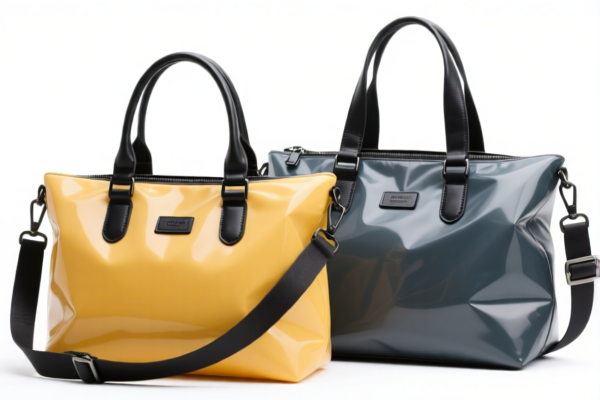
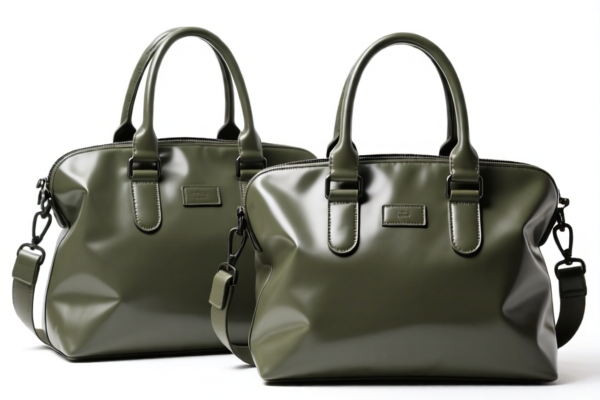
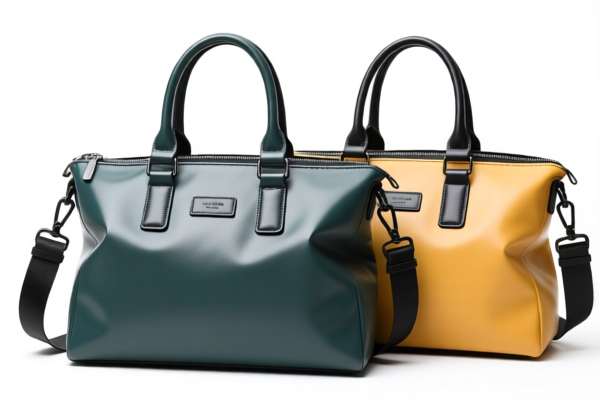
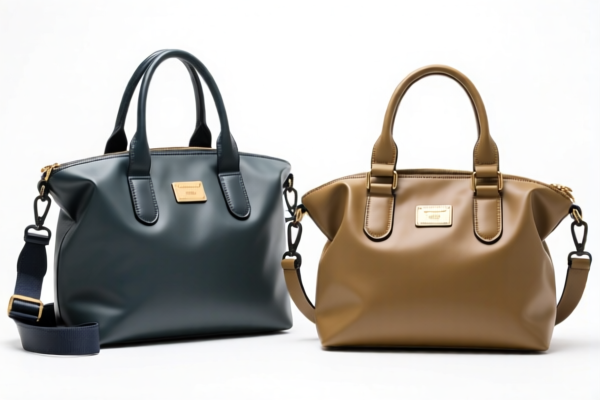
AI分析
👜 Waterproof Woven Handbag: HS Code Classification & Duty Analysis (US Market)
🌐 HS Code Reference & Customs Clearance Guide | 2026 Latest Tariff Analysis | Professional Strategy for Woven Bags
📌 I. Product Definition & Classification: Do You Truly Understand "Woven Handbags"?
A Waterproof Woven Handbag is not a single, uniform product in customs terminology. Its classification depends entirely on the material composition of the weaving strands and the structural nature of the bag.
- Plant-Based Weaving: Made from bamboo, rattan, reed, straw, or other natural vegetable materials.
- Textile/Fiber Weaving: Made from synthetic fibers, natural fibers (cotton/linen), or other textile materials woven into sheets or tubes.
- Finished Goods vs. Accessories: Whether the bag has internal linings, compartments, or is considered a "finished article."
⚠️ Key Distinction Point:
- If the bag is made of natural plant materials (bamboo/rattan) without a textile lining → Chapter 46.
- If the bag is made of textile materials (synthetic/natural fibers) → Chapter 42.
- If the bag is a miscellaneous finished article (complex structure, mixed materials) → Chapter 63.
📦 II. HS Code Classification Details (2026 Latest Tariff Reference)
Based on your provided data, here are the specific HS Codes, their descriptions, and why they apply:
| HS Code | Product Description (Summary) | Material Basis | Applicable Scenario |
|---|---|---|---|
| 4602.11.21.00 | Woven handbag, material: Bamboo, Rattan, etc. | Vegetable Materials (Natural) | Bags made from stiff plant stems (bamboo/rattan). No textile lining. |
| 4602.19.29.20 | Woven handbag, material: Other plant weaving products | Vegetable Materials (Other) | Bags made from straw, reed, or less common plant fibers not covered by 4602.11. |
| 4202.22.40.20 | Woven handbag, material: Woven materials (Textile) | Textile Materials | Handbags made from woven synthetic or natural fibers (e.g., woven polypropylene, woven cotton). |
| 4202.22.89.80 | Woven handbag, material: Other textile materials | Other Textiles | Handbags made from woven textiles not specifically listed elsewhere (e.g., complex woven composites). |
| 6307.90.98.91 | Woven handbag, with internal compartments, other finished goods | Mixed/Complex Structure | Handbags that are complex "other made-up articles," often implying mixed materials or specific functional designs not fitting standard handbag definitions. |
🔍 Critical Note:
- "Waterproof" is a performance feature, not a classification criterion. It does not change the HS Code.
- Chapter 46 is for products of weaving materials, not the bag itself as a "container" (Chapter 42).
- Chapter 42 is for articles of leather, travel goods, handbags, even if made of woven textile.
- Chapter 63 is a catch-all for other made-up textile articles, used only when it doesn't fit standard handbag definitions.
💰 III. 2026 Latest Tariff Rate Breakdown (Including Surcharges)
✅ Applicable Country: United States (US)
✅ Origin: China (CN)
✅ Effective Date: Current rates apply (Includes Base Tariff + Section 301 + Section 122)
🎯 1. 4602.11.21.00 – Woven Handbag (Bamboo/Rattan)
| Item | Content |
|---|---|
| Base Tariff | 6.2% |
| Section 301 Surcharge | +25.0% |
| Section 122 Surcharge | +10.0% |
| Total Tariff Rate | 41.2% |
| Calculation | CIF Value × 41.2% |
| De Minimis Exemption | ❌ Not Eligible |
📌 Explanation:
- Section 301 (25%): Applied to most Chinese-made goods under HTS 4602.
- Section 122 (10%): Additional surcharge on certain Chinese imports.
- Total 41.2% is a significant cost driver. Bamboo/rattan bags are heavily taxed.
🎯 2. 4602.19.29.20 – Woven Handbag (Other Plant Materials)
| Item | Content |
|---|---|
| Base Tariff | 5.3% |
| Section 301 Surcharge | +25.0% |
| Section 122 Surcharge | +10.0% |
| Total Tariff Rate | 40.3% |
| Calculation | CIF Value × 40.3% |
| De Minimis Exemption | ❌ Not Eligible |
📌 Explanation:
- Slightly lower base rate than 4602.11, but total rate is nearly identical (40.3%).
- Applies to straw, seagrass, or other non-bamboo/rattan plant weaves.
🎯 3. 4202.22.40.20 – Woven Handbag (Woven Textile Materials)
| Item | Content |
|---|---|
| Base Tariff | 7.4% |
| Section 301 Surcharge | +25.0% |
| Section 122 Surcharge | +10.0% |
| Total Tariff Rate | 42.4% |
| Calculation | CIF Value × 42.4% |
| De Minimis Exemption | ❌ Not Eligible |
📌 Explanation:
- Even though it's a "handbag" (Chapter 42), the material is woven textile.
- Total rate is 42.4%, the highest among Chapter 46/42 options.
- Do not assume "handbag" classification automatically reduces tariff; the surcharges dominate.
🎯 4. 4202.22.89.80 – Woven Handbag (Other Textile Materials)
| Item | Content |
|---|---|
| Base Tariff | 17.6% |
| Section 301 Surcharge | +25.0% |
| Section 122 Surcharge | +10.0% |
| Total Tariff Rate | 52.6% |
| Calculation | CIF Value × 52.6% |
| De Minimis Exemption | ❌ Not Eligible |
📌 Explanation:
- Highest Tariff Rate (52.6%).
- Applies to "other" textile materials not specifically listed in 4202.22.40.20.
- Avoid this code unless absolutely necessary due to extreme cost.
🎯 5. 6307.90.98.91 – Woven Handbag (Other Finished Articles)
| Item | Content |
|---|---|
| Base Tariff | 7.0% |
| Section 301 Surcharge | +7.5% |
| Section 122 Surcharge | +10.0% |
| Total Tariff Rate | 24.5% |
| Calculation | CIF Value × 24.5% |
| De Minimis Exemption | ❌ Not Eligible |
📌 Explanation:
- Lowest Total Tariff Rate (24.5%).
- Why? Section 301 surcharge is only 7.5% instead of 25%.
- Condition: Must be classified as an "other made-up article" (e.g., complex structure, mixed materials, or not fitting standard handbag definitions).
- Risk: Misclassification risk is HIGH. Customs may reclassify as Chapter 42 (42.4% or 52.6%) if it looks like a standard handbag.
🛠️ IV. Customs Clearance Practical Advice (Battle-Tested Strategies)
✅ 1. Documentation Checklist (Non-Negotiable)
| Document | Required | Purpose |
|---|---|---|
| ✅ Product Specification Sheet | ✔️ | Must detail material composition (e.g., "60% Bamboo, 40% Cotton Lining"). |
| ✅ Material Composition Breakdown | ✔️ | Critical for distinguishing Chapter 46 vs. 42 vs. 63. |
| ✅ Product Photos (Clear & Detailed) | ✔️ | Show weaving pattern, lining, closure, and structure. |
| ✅ Commercial Invoice | ✔️ | Clearly state "Woven Handbag" and correct HS Code. |
| ✅ Packing List | ✔️ | Confirm quantity and weight. |
| ✅ Origin Certificate | ✔️ | Proves China origin (triggers surcharges). |
✅ 2. Declaration Strategy (Key Mnemonics)
🔥 "Material First, Structure Second. Don't Guess the Code!"
| Scenario | Recommended HS Code | Reason |
|---|---|---|
| Pure Bamboo/Rattan Weave | 4602.11.21.00 (41.2%) |
Natural plant material. |
| Pure Straw/Reed Weave | 4602.19.29.20 (40.3%) |
Other plant material. |
| Woven Synthetic/Natural Fabric | 4202.22.40.20 (42.4%) |
Standard woven textile handbag. |
| Complex/Mixed Material Bag | 6307.90.98.91 (24.5%) |
Potential Savings, but high audit risk. Use only if structure is complex/non-standard. |
| Unclear/Other Textile | 4202.22.89.80 (52.6%) |
Last Resort. Highest cost. |
✅ 3. Special Cases & Mitigation
| Case | Handling Advice |
|---|---|
| Lined Bags | If a bamboo bag has a full fabric lining, it MAY still be 4602.11 if the weave is the primary material. If the lining makes it a "textile bag," it moves to 4202 (higher tariff). |
| "Waterproof" Coating | A PVC coating on woven material may shift classification to Chapter 39 or 63 depending on the coating's nature. Consult a specialist. |
| Section 301 Exclusions | Check if your specific HS Code currently has an exclusion. Most woven bags are not excluded. |
| Pre-Ruling Application | For 6307.90.98.91, file an Advance Ruling with CBP to justify the "other made-up article" classification. This saves ~18% in duties if approved. |
🌍 V. Global Market Comparison (2026 Update)
| Country/Region | Recommended HS Code | Total Tariff (China Origin) | Notes |
|---|---|---|---|
| 🇺🇸 USA | 6307.90.98.91 (if eligible) |
24.5% | Lowest rate, but highest classification risk. |
| 🇪🇺 EU | 4602.11 / 4202.22 |
~5-7% | No Section 301/122. Lower base tariffs. |
| 🇨🇳 China | 4602.11 / 4202.22 |
~5-7% | Low import tariff, no surcharges. |
| 🇬🇧 UK | 4602.11 / 4202.22 |
~5-7% | Post-Brexit, generally favorable for textiles. |
📌 Conclusion:
- USA is the most expensive market due to Section 301 and 122.
- Maximize savings by correctly classifying under6307.90.98.91if the bag's structure justifies it.
- Never assume a lower tariff code applies; misclassification leads to penalties.
📌 VI. Common Mistakes & Pitfalls (Lessons Learned)
❌ Mistake 1: Using 4202.22.89.80 (52.6%) without justification.
👉 Consequence: Overpaying ~10% compared to 4202.22.40.20 and ~28% compared to 6307.90.98.91.
❌ Mistake 2: Declaring a bamboo bag as 4202.22.40.20 (Textile).
👉 Consequence: Higher base tariff (7.4% vs 6.2%) and potential audit for misclassification.
❌ Mistake 3: Assuming "Waterproof" = Different HS Code.
👉 Consequence: No change in tariff. Focus on material, not function.
❌ Mistake 4: Using 6307.90.98.91 for a standard handbag.
👉 Consequence: CBP will reclassify to Chapter 42, leading to back taxes + penalties.
✅ Correct Approach:
"Woven Handbag, Bamboo Material, With Interior Pouch, Model XYZ"
Code:4602.11.21.00(if bamboo is primary)
Code:6307.90.98.91(if complex structure justifies it, with pre-ruling).
🎯 VII. Conclusion: Professional Classification Saves Money
🎯 Remember the Rules:
🔹 "Material Dictates Code, Structure Dictates Chapter."
🔹 "4602 for Plants, 4202 for Textiles, 6307 for Complex/Other."
🔹 "USA Tariffs are High (25%+10%), Choose Wisely."
📌 Pro Tip:
If your handbag has a complex, non-standard structure (e.g., multiple compartments, unique shaping, mixed materials), invest in a CBP Advance Ruling for 6307.90.98.91. The 24.5% total duty is significantly lower than the 41-52% range for standard classifications.
📣 Immediate Action:
📞 Contact a Customs Broker to analyze your product's material breakdown.
📝 Document Everything: Material % composition is critical.
🚀 Optimize for 24.5% if Possible, or stick to 41-42% with confidence.
✨ Professional Classification Starts with Precision!
💼 Your Duty Cost is Directly Proportional to Your HS Code Accuracy!
用户评价
关于 HS 编码归类
协调制度(HS)是由世界海关组织(WCO)制定的国际贸易商品分类标准。全球 200 多个国家采用 HS 系统作为海关关税、贸易统计和进出口监管的基础。
每个 HS 编码遵循以下层级结构:
- 章(2 位)——商品大类(例如:第 84 章:机器和机械设备)
- 品目(4 位)——章内的更具体分类
- 子目(6 位)——国际通用细分,所有 WCO 成员国统一使用
- 本国细分(8-10 位)——各国自行扩展的细分编码,如美国 HTSUS 10 位编码
正确的 HS 编码归类对于顺利通关、准确缴纳关税和遵守贸易法规至关重要。错误归类可能导致海关延误、多缴关税或罚款。
从CN进口到US时,适用的关税税率可能包括:
- 最惠国(MFN)税率——适用于 WTO 成员国的标准关税税率
- 普通税率——适用于无贸易协定国家
- 贸易救济关税——附加关税,如 301 条款(反倾销)、232 条款(国家安全)或反补贴税
本页内容仅供参考。如需正式归类,请咨询当地海关或持牌报关代理。