Waterproof Woven Handbag
CN → US| HS Code | Tariff Rate | Origin | Destination | Doc |
|---|---|---|---|---|
| 4602112100 | 41.2% | CN | US | Official Doc |
| 4602192920 | 40.3% | CN | US | Official Doc |
| 4202224020 | 42.4% | CN | US | Official Doc |
| 4202228980 | 52.6% | CN | US | Official Doc |
| 6307909891 | 24.5% | CN | US | Official Doc |
Product Images
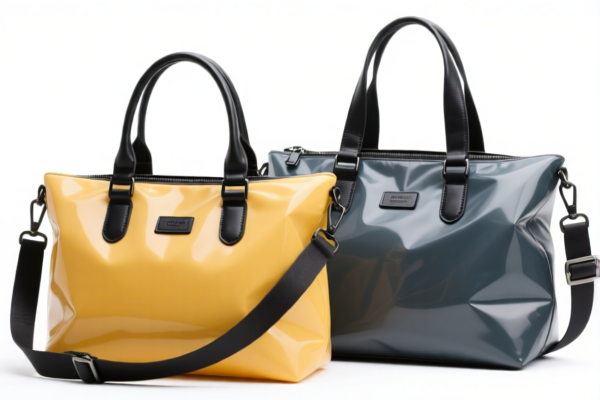
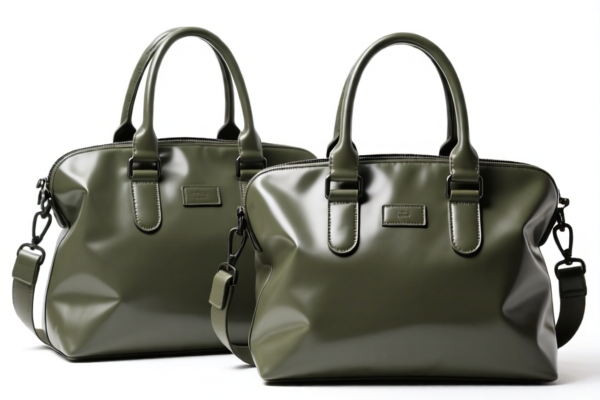
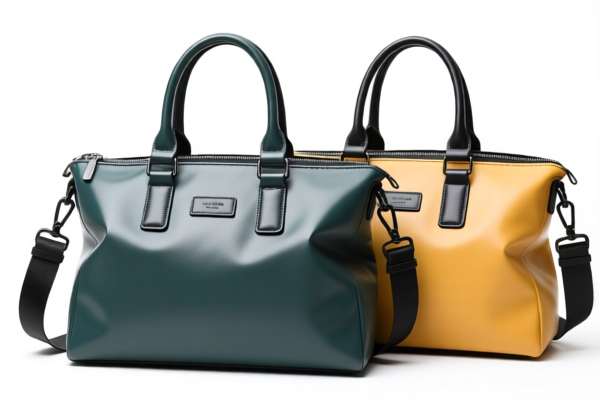
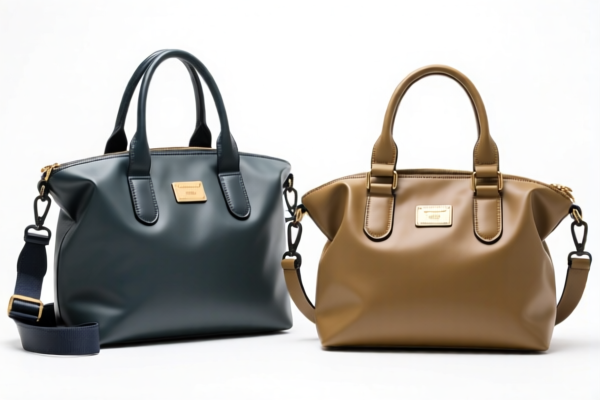
AI Analysis
👜 Waterproof Woven Handbag: HS Code Classification & Duty Analysis (US Market)
🌐 HS Code Reference & Customs Clearance Guide | 2026 Latest Tariff Analysis | Professional Strategy for Woven Bags
📌 I. Product Definition & Classification: Do You Truly Understand "Woven Handbags"?
A Waterproof Woven Handbag is not a single, uniform product in customs terminology. Its classification depends entirely on the material composition of the weaving strands and the structural nature of the bag.
- Plant-Based Weaving: Made from bamboo, rattan, reed, straw, or other natural vegetable materials.
- Textile/Fiber Weaving: Made from synthetic fibers, natural fibers (cotton/linen), or other textile materials woven into sheets or tubes.
- Finished Goods vs. Accessories: Whether the bag has internal linings, compartments, or is considered a "finished article."
⚠️ Key Distinction Point:
- If the bag is made of natural plant materials (bamboo/rattan) without a textile lining → Chapter 46.
- If the bag is made of textile materials (synthetic/natural fibers) → Chapter 42.
- If the bag is a miscellaneous finished article (complex structure, mixed materials) → Chapter 63.
📦 II. HS Code Classification Details (2026 Latest Tariff Reference)
Based on your provided data, here are the specific HS Codes, their descriptions, and why they apply:
| HS Code | Product Description (Summary) | Material Basis | Applicable Scenario |
|---|---|---|---|
| 4602.11.21.00 | Woven handbag, material: Bamboo, Rattan, etc. | Vegetable Materials (Natural) | Bags made from stiff plant stems (bamboo/rattan). No textile lining. |
| 4602.19.29.20 | Woven handbag, material: Other plant weaving products | Vegetable Materials (Other) | Bags made from straw, reed, or less common plant fibers not covered by 4602.11. |
| 4202.22.40.20 | Woven handbag, material: Woven materials (Textile) | Textile Materials | Handbags made from woven synthetic or natural fibers (e.g., woven polypropylene, woven cotton). |
| 4202.22.89.80 | Woven handbag, material: Other textile materials | Other Textiles | Handbags made from woven textiles not specifically listed elsewhere (e.g., complex woven composites). |
| 6307.90.98.91 | Woven handbag, with internal compartments, other finished goods | Mixed/Complex Structure | Handbags that are complex "other made-up articles," often implying mixed materials or specific functional designs not fitting standard handbag definitions. |
🔍 Critical Note:
- "Waterproof" is a performance feature, not a classification criterion. It does not change the HS Code.
- Chapter 46 is for products of weaving materials, not the bag itself as a "container" (Chapter 42).
- Chapter 42 is for articles of leather, travel goods, handbags, even if made of woven textile.
- Chapter 63 is a catch-all for other made-up textile articles, used only when it doesn't fit standard handbag definitions.
💰 III. 2026 Latest Tariff Rate Breakdown (Including Surcharges)
✅ Applicable Country: United States (US)
✅ Origin: China (CN)
✅ Effective Date: Current rates apply (Includes Base Tariff + Section 301 + Section 122)
🎯 1. 4602.11.21.00 – Woven Handbag (Bamboo/Rattan)
| Item | Content |
|---|---|
| Base Tariff | 6.2% |
| Section 301 Surcharge | +25.0% |
| Section 122 Surcharge | +10.0% |
| Total Tariff Rate | 41.2% |
| Calculation | CIF Value × 41.2% |
| De Minimis Exemption | ❌ Not Eligible |
📌 Explanation:
- Section 301 (25%): Applied to most Chinese-made goods under HTS 4602.
- Section 122 (10%): Additional surcharge on certain Chinese imports.
- Total 41.2% is a significant cost driver. Bamboo/rattan bags are heavily taxed.
🎯 2. 4602.19.29.20 – Woven Handbag (Other Plant Materials)
| Item | Content |
|---|---|
| Base Tariff | 5.3% |
| Section 301 Surcharge | +25.0% |
| Section 122 Surcharge | +10.0% |
| Total Tariff Rate | 40.3% |
| Calculation | CIF Value × 40.3% |
| De Minimis Exemption | ❌ Not Eligible |
📌 Explanation:
- Slightly lower base rate than 4602.11, but total rate is nearly identical (40.3%).
- Applies to straw, seagrass, or other non-bamboo/rattan plant weaves.
🎯 3. 4202.22.40.20 – Woven Handbag (Woven Textile Materials)
| Item | Content |
|---|---|
| Base Tariff | 7.4% |
| Section 301 Surcharge | +25.0% |
| Section 122 Surcharge | +10.0% |
| Total Tariff Rate | 42.4% |
| Calculation | CIF Value × 42.4% |
| De Minimis Exemption | ❌ Not Eligible |
📌 Explanation:
- Even though it's a "handbag" (Chapter 42), the material is woven textile.
- Total rate is 42.4%, the highest among Chapter 46/42 options.
- Do not assume "handbag" classification automatically reduces tariff; the surcharges dominate.
🎯 4. 4202.22.89.80 – Woven Handbag (Other Textile Materials)
| Item | Content |
|---|---|
| Base Tariff | 17.6% |
| Section 301 Surcharge | +25.0% |
| Section 122 Surcharge | +10.0% |
| Total Tariff Rate | 52.6% |
| Calculation | CIF Value × 52.6% |
| De Minimis Exemption | ❌ Not Eligible |
📌 Explanation:
- Highest Tariff Rate (52.6%).
- Applies to "other" textile materials not specifically listed in 4202.22.40.20.
- Avoid this code unless absolutely necessary due to extreme cost.
🎯 5. 6307.90.98.91 – Woven Handbag (Other Finished Articles)
| Item | Content |
|---|---|
| Base Tariff | 7.0% |
| Section 301 Surcharge | +7.5% |
| Section 122 Surcharge | +10.0% |
| Total Tariff Rate | 24.5% |
| Calculation | CIF Value × 24.5% |
| De Minimis Exemption | ❌ Not Eligible |
📌 Explanation:
- Lowest Total Tariff Rate (24.5%).
- Why? Section 301 surcharge is only 7.5% instead of 25%.
- Condition: Must be classified as an "other made-up article" (e.g., complex structure, mixed materials, or not fitting standard handbag definitions).
- Risk: Misclassification risk is HIGH. Customs may reclassify as Chapter 42 (42.4% or 52.6%) if it looks like a standard handbag.
🛠️ IV. Customs Clearance Practical Advice (Battle-Tested Strategies)
✅ 1. Documentation Checklist (Non-Negotiable)
| Document | Required | Purpose |
|---|---|---|
| ✅ Product Specification Sheet | ✔️ | Must detail material composition (e.g., "60% Bamboo, 40% Cotton Lining"). |
| ✅ Material Composition Breakdown | ✔️ | Critical for distinguishing Chapter 46 vs. 42 vs. 63. |
| ✅ Product Photos (Clear & Detailed) | ✔️ | Show weaving pattern, lining, closure, and structure. |
| ✅ Commercial Invoice | ✔️ | Clearly state "Woven Handbag" and correct HS Code. |
| ✅ Packing List | ✔️ | Confirm quantity and weight. |
| ✅ Origin Certificate | ✔️ | Proves China origin (triggers surcharges). |
✅ 2. Declaration Strategy (Key Mnemonics)
🔥 "Material First, Structure Second. Don't Guess the Code!"
| Scenario | Recommended HS Code | Reason |
|---|---|---|
| Pure Bamboo/Rattan Weave | 4602.11.21.00 (41.2%) |
Natural plant material. |
| Pure Straw/Reed Weave | 4602.19.29.20 (40.3%) |
Other plant material. |
| Woven Synthetic/Natural Fabric | 4202.22.40.20 (42.4%) |
Standard woven textile handbag. |
| Complex/Mixed Material Bag | 6307.90.98.91 (24.5%) |
Potential Savings, but high audit risk. Use only if structure is complex/non-standard. |
| Unclear/Other Textile | 4202.22.89.80 (52.6%) |
Last Resort. Highest cost. |
✅ 3. Special Cases & Mitigation
| Case | Handling Advice |
|---|---|
| Lined Bags | If a bamboo bag has a full fabric lining, it MAY still be 4602.11 if the weave is the primary material. If the lining makes it a "textile bag," it moves to 4202 (higher tariff). |
| "Waterproof" Coating | A PVC coating on woven material may shift classification to Chapter 39 or 63 depending on the coating's nature. Consult a specialist. |
| Section 301 Exclusions | Check if your specific HS Code currently has an exclusion. Most woven bags are not excluded. |
| Pre-Ruling Application | For 6307.90.98.91, file an Advance Ruling with CBP to justify the "other made-up article" classification. This saves ~18% in duties if approved. |
🌍 V. Global Market Comparison (2026 Update)
| Country/Region | Recommended HS Code | Total Tariff (China Origin) | Notes |
|---|---|---|---|
| 🇺🇸 USA | 6307.90.98.91 (if eligible) |
24.5% | Lowest rate, but highest classification risk. |
| 🇪🇺 EU | 4602.11 / 4202.22 |
~5-7% | No Section 301/122. Lower base tariffs. |
| 🇨🇳 China | 4602.11 / 4202.22 |
~5-7% | Low import tariff, no surcharges. |
| 🇬🇧 UK | 4602.11 / 4202.22 |
~5-7% | Post-Brexit, generally favorable for textiles. |
📌 Conclusion:
- USA is the most expensive market due to Section 301 and 122.
- Maximize savings by correctly classifying under6307.90.98.91if the bag's structure justifies it.
- Never assume a lower tariff code applies; misclassification leads to penalties.
📌 VI. Common Mistakes & Pitfalls (Lessons Learned)
❌ Mistake 1: Using 4202.22.89.80 (52.6%) without justification.
👉 Consequence: Overpaying ~10% compared to 4202.22.40.20 and ~28% compared to 6307.90.98.91.
❌ Mistake 2: Declaring a bamboo bag as 4202.22.40.20 (Textile).
👉 Consequence: Higher base tariff (7.4% vs 6.2%) and potential audit for misclassification.
❌ Mistake 3: Assuming "Waterproof" = Different HS Code.
👉 Consequence: No change in tariff. Focus on material, not function.
❌ Mistake 4: Using 6307.90.98.91 for a standard handbag.
👉 Consequence: CBP will reclassify to Chapter 42, leading to back taxes + penalties.
✅ Correct Approach:
"Woven Handbag, Bamboo Material, With Interior Pouch, Model XYZ"
Code:4602.11.21.00(if bamboo is primary)
Code:6307.90.98.91(if complex structure justifies it, with pre-ruling).
🎯 VII. Conclusion: Professional Classification Saves Money
🎯 Remember the Rules:
🔹 "Material Dictates Code, Structure Dictates Chapter."
🔹 "4602 for Plants, 4202 for Textiles, 6307 for Complex/Other."
🔹 "USA Tariffs are High (25%+10%), Choose Wisely."
📌 Pro Tip:
If your handbag has a complex, non-standard structure (e.g., multiple compartments, unique shaping, mixed materials), invest in a CBP Advance Ruling for 6307.90.98.91. The 24.5% total duty is significantly lower than the 41-52% range for standard classifications.
📣 Immediate Action:
📞 Contact a Customs Broker to analyze your product's material breakdown.
📝 Document Everything: Material % composition is critical.
🚀 Optimize for 24.5% if Possible, or stick to 41-42% with confidence.
✨ Professional Classification Starts with Precision!
💼 Your Duty Cost is Directly Proportional to Your HS Code Accuracy!
Customer Reviews
About HS Code Classification
The Harmonized System (HS) is an internationally standardized nomenclature developed by the World Customs Organization (WCO) to classify traded products. Over 200 countries use the HS system as the basis for customs tariffs, trade statistics, and import/export regulations.
Each HS code follows a hierarchical structure:
- Chapter (2 digits) — Broad category of goods (e.g., Chapter 84: Machinery and Mechanical Appliances)
- Heading (4 digits) — More specific grouping within the chapter
- Subheading (6 digits) — Internationally standardized breakdown, used by all WCO member countries
- National subdivisions (8-10 digits) — Country-specific extensions for further classification, such as US HTSUS 10-digit codes
Correct HS code classification is essential for smooth customs clearance, accurate duty payment, and compliance with trade regulations. Misclassification can lead to customs delays, overpayment of duties, or penalties.
When importing from CN to US, the applicable tariff rates may include:
- Most-Favored-Nation (MFN) rate — The standard duty rate applied to WTO members
- General rate — Applied to countries without trade agreements
- Trade remedy duties — Additional tariffs such as Section 301 (anti-dumping), Section 232 (national security), or countervailing duties
The information provided on this page is for reference purposes only. For official classification, please consult with your local customs authority or a licensed customs broker.