Wet Blue Rawhide Semi finished Leather
CN → US| HS编码 | 关税税率 | 原产国 | 目的国 | 文档 |
|---|---|---|---|---|
| 4104115080 | 13.3% | CN | US | 官方文档 |
| 4104195080 | 13.3% | CN | US | 官方文档 |
商品图片
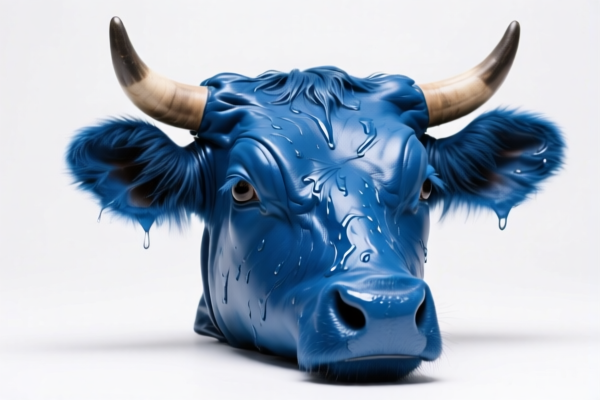
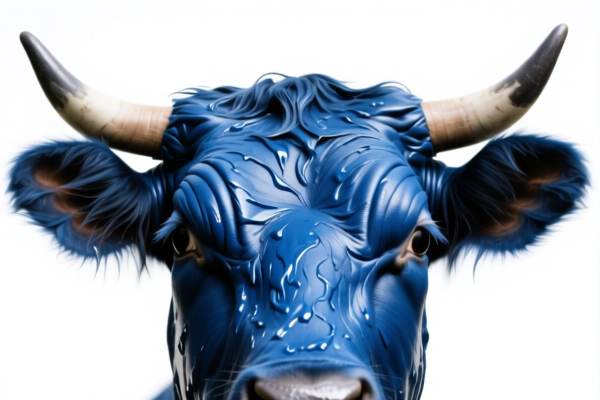
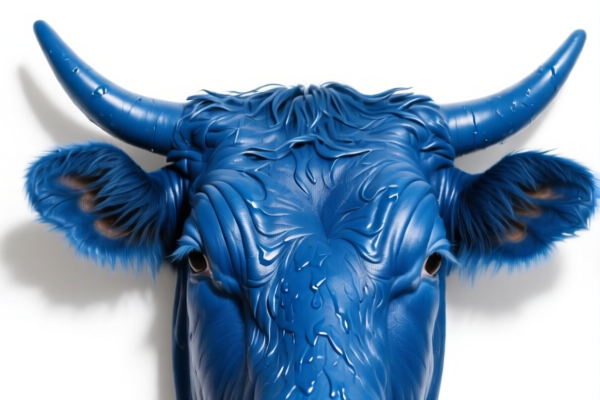
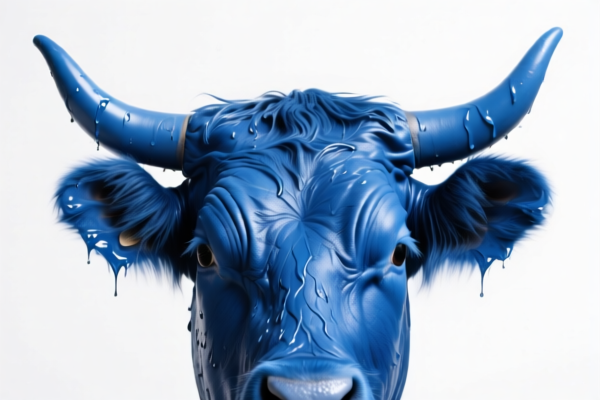
AI分析
🐂 Wet Blue Rawhide & Semi-Finished Leather (Bovine/Equine)
🌐 HS Code Reference & Customs Clearance Guide | 2026 Latest Tariff Analysis | Professional Grade Strategy
📌 1. Product Definition & Classification: What is "Wet Blue"?
"Wet Blue" refers to hides or skins of bovine (cow/buffalo) or equine animals that have undergone the tanning process using chromium salts but have not been dried. They are in a damp state, typically blue-tinted due to the chromium complexes, and are ready for further processing (buttering, drying, splitting, finishing).
Key Characteristics: - State: Wet (not dried, not crust). - Process: Tanned (usually chrome-tanned). - Preparation: No hair on, may or may not be split. - Classification Logic: It falls under Chapter 41 ("Animal Skins and Leathers"), specifically heading 4104 ("Tanned or crust hides and skins of bovine... without hair on").
⚠️ Critical Distinction:
- If dried but not further prepared → "Crust" (Heading 4104/4105, different subheadings).
- If further processed (dyed, finished, split) → May fall under 4104.19 or 4104.11 depending on split status.
- Wet Blue specifically implies wet state and tanned.
📦 2. HS Code Classification Details (2026 Latest Tariff Mapping)
Based on your provided data, there are two primary HS Codes for Wet Blue Rawhide/Semi-Finished Leather, distinguished by split status and origin/source:
| HS Code | Product Description | Key Criteria | Applicable Scenario |
|---|---|---|---|
| 4104.11.50.80 | Full grains, unsplit; grain splits: Other: Other: Other Other | - Full Grain OR Grain Splits - Unsplit (not separated into layers) - Wet State |
High-quality hides where the grain layer is intact. Not split into multiple layers. |
| 4104.19.50.80 | Other: Other: Other: Other Other | - Other (Not full grain/unsplit grain splits) - Wet State |
Hides that are split into lower layers (splits) or other non-full-grain wet tanned leathers. |
🔍 重点提醒 (Key Reminder):
- Both codes require the leather to be in the wet state (including wet-blue).
- If the leather is dried (crust), it cannot use these codes.
- "Unsplit" means the hide has not been mechanically split into top grain and split layers.
- "Full Grain" refers to the outer layer of the hide with the natural grain surface intact.
💰 3. 2026 Tariff Rate Breakdown (Detailed Tax Clause Explanation)
✅ Applicable Country: United States (US)
✅ Origin: China (CN)
✅ Effective Date: 2025/2026 Tariff Schedule
🎯 1. 4104.11.50.80 – Wet Blue, Full Grain/Unsplit
| Item | Content |
|---|---|
| Base Tariff | 0.0% (Ad Valorem) |
| Section 301 / Trade War Tariff | 0.0% |
| Total Effective Tariff | 0.0% |
| Tax Detail | "基础关税: 0.0%, 加征关税: 0.0%" |
📌 Explanation:
- Base Rate: The standard Most Favored Nation (MFN) rate for this specific subheading is 0%.
- Additional Tariffs: Unlike many other Chinese goods, Wet Blue Leather in this specific unsplit/full-grain category is exempt from the Section 301 tariffs (25%) and other additional duties (like IEEPA) in the provided data.
- Cost Impact: This is a zero-tariff advantage for importers, making it highly competitive.
🎯 2. 4104.19.50.80 – Wet Blue, Other (Split/Other Types)
| Item | Content |
|---|---|
| Base Tariff | 0.0% (Ad Valorem) |
| Section 301 / Trade War Tariff | 0.0% |
| Total Effective Tariff | 0.0% |
| Tax Detail | "基础关税: 0.0%, 加征关税: 0.0%" |
📌 Explanation:
- Base Rate: Also 0% for this specific "Other" wet-blue category.
- Additional Tariffs: 0%.
- Cost Impact: Same zero-tariff benefit. This applies to split leathers or other wet-blue varieties that don't fit the "full grain/unsplit" description.⚠️ Critical Note:
- The data provided shows 0% total tax for both codes.
- Do not assume all leather categories are 0%. For example, Crust Leather (dried) or Finished Leather may have higher tariffs. Ensure your product is truly "Wet" and "Tanned" to qualify for this 0% rate.
🛠️ 4. Customs Clearance Practical Advice (Real-World Pitfall Guide)
✅ 1. Required Documentation Checklist
| Document | Must Provide | Purpose |
|---|---|---|
| ✅ Commercial Invoice | ✔️ | Must clearly state "Wet Blue Leather", "Hides/Skins", "Bovine/Equine", and State: Wet. |
| ✅ Packing List | ✔️ | Detail weight (gross/net), number of hides, dimensions. |
| ✅ Bill of Lading/Air Waybill | ✔️ | Standard shipping document. |
| ✅ Certificate of Origin | ✔️ | To confirm origin (e.g., China) and apply correct tariff rates. |
| ✅ Product Specification Sheet | ✔️ | Include: Tanning process (Chrome), State (Wet), Split status (Split/Unsplit), Grain type. |
| ✅ Photo of Goods | ✔️ | Show the blue tint (if chrome-tanned) and wet condition. |
| ✅ Customs Broker Declaration | ✔️ | Ensure HS Code matches exactly: 4104.11.50.80 or 4104.19.50.80. |
✅ 2. Declaration Tips (Key Mnemonic)
🔥 "Wet State, Tanned, Unsplit or Split, Code 4104, Zero Duty!"
| Scenario | Correct HS Code | Reason |
|---|---|---|
| Wet Blue, Full Grain, Not Split | 4104.11.50.80 |
Fits "Full grains, unsplit" description. |
| Wet Blue, Split Layers | 4104.19.50.80 |
Fits "Other" category for splits. |
| Dried, Tanned (Crust) | ❌ NOT 4104.11/19 | Must use different subheading (e.g., 4104.19.10 or 4104.19.30). |
| Finished Leather (Colored/Fixed) | ❌ NOT 4104.11/19 | Must use 4104.19.90 or similar (Finished leather). |
📌 Common Mistake:
- Declaring Crust Leather (dried) as Wet Blue to get 0% tariff.
- Consequence: Customs will inspect, find it’s dry, reclassify, and apply higher tariffs (e.g., 25% Section 301 for crust leather in some cases).
- Solution: Ensure the leather is genuinely wet (high moisture content, pliable, blue-tinted).
✅ 3. Special Cases & Handling
| Situation | Handling Advice |
|---|---|
| Mixed Shipments | If a shipment contains both Wet Blue and Crust leather, declare separately. Do not mix HS Codes. |
| Sodium Chloride Preservation | Wet blue leather is often packed with salt. Ensure the invoice mentions "Preserved with Salt" to justify wet state. |
| Temperature Control | Wet blue leather can spoil or develop mold if not handled properly. Ensure proper ventilation during transit. |
| Environmental Compliance | Chrome tanning involves chemicals. Ensure the exporter provides REACH/SVHC compliance documents if importing to EU, or TSCA if to US. |
🌍 5. Global Market Comparison (2026)
| Country/Region | Recommended HS Code | Tariff Rate | Notes |
|---|---|---|---|
| 🇺🇸 USA | 4104.11.50.80 / 4104.19.50.80 |
0% | Zero duty for Wet Blue. |
| 🇨🇳 China | 4104.11/4104.19 | 0% - 5% | Check latest Chinese tariff schedule. |
| 🇪🇺 EU | 4104.11/4104.19 | ~0% - 4% | Varies by split status. No Section 301 equivalent. |
| 🇬🇧 UK | 4104.11/4104.19 | ~0% - 4% | Post-Brexit tariffs may apply. |
📌 Conclusion:
- The USA offers a significant tariff advantage (0%) for Wet Blue Leather compared to some other leather products.
- Ensure accurate classification to maintain this benefit.
📌 6. Common Errors & Pitfall Avoidance
❌ Error 1: Declaring Dried Hides as Wet Blue
👉 Consequence: Rejection, penalties, and higher tariffs.
✅ Fix: Verify moisture content and physical state.
❌ Error 2: Mixing Split and Unsplit in one HS Code
👉 Consequence: Customs may audit and reclassify, leading to back-taxes.
✅ Fix: Separate shipments by split status if possible, or declare accurately with supporting docs.
❌ Error 3: Using Generic Description "Leather"
👉 Consequence: Delays and queries.
✅ Fix: Use precise terms: "Wet Blue Bovine Hides, Chrome Tanned, Unsplit".
🎯 7. Final Summary: Clear, Accurate, Cost-Effective!
🎯 Remember:
🔹 "Wet Blue = 0% Duty (US)"
🔹 "Unsplit → 4104.11.50.80"
🔹 "Split/Other → 4104.19.50.80"
🔹 "Dry = Crust = Higher Duty!"
📌 Pro Tip:
- If you are importing large volumes, consider pre-classification rulings with US Customs and Border Protection (CBP) to confirm your HS Code.
- Ensure your supplier provides a Certificate of Tanning Process to prove it’s "Wet Blue" and not "Crust".
📣 Act Now:
📞 Work with a licensed customs broker.
🚀 Provide clear product specs.
✅ Enjoy 0% Tariff on Wet Blue Leather!
✨ Precise Classification Saves Money!
💼 Your Leather Shipment, Smoothly Cleared!
用户评价
关于 HS 编码归类
协调制度(HS)是由世界海关组织(WCO)制定的国际贸易商品分类标准。全球 200 多个国家采用 HS 系统作为海关关税、贸易统计和进出口监管的基础。
每个 HS 编码遵循以下层级结构:
- 章(2 位)——商品大类(例如:第 84 章:机器和机械设备)
- 品目(4 位)——章内的更具体分类
- 子目(6 位)——国际通用细分,所有 WCO 成员国统一使用
- 本国细分(8-10 位)——各国自行扩展的细分编码,如美国 HTSUS 10 位编码
正确的 HS 编码归类对于顺利通关、准确缴纳关税和遵守贸易法规至关重要。错误归类可能导致海关延误、多缴关税或罚款。
从CN进口到US时,适用的关税税率可能包括:
- 最惠国(MFN)税率——适用于 WTO 成员国的标准关税税率
- 普通税率——适用于无贸易协定国家
- 贸易救济关税——附加关税,如 301 条款(反倾销)、232 条款(国家安全)或反补贴税
本页内容仅供参考。如需正式归类,请咨询当地海关或持牌报关代理。