Wet Blue Rawhide Semi finished Leather
CN → US| HS Code | Tariff Rate | Origin | Destination | Doc |
|---|---|---|---|---|
| 4104115080 | 13.3% | CN | US | Official Doc |
| 4104195080 | 13.3% | CN | US | Official Doc |
Product Images
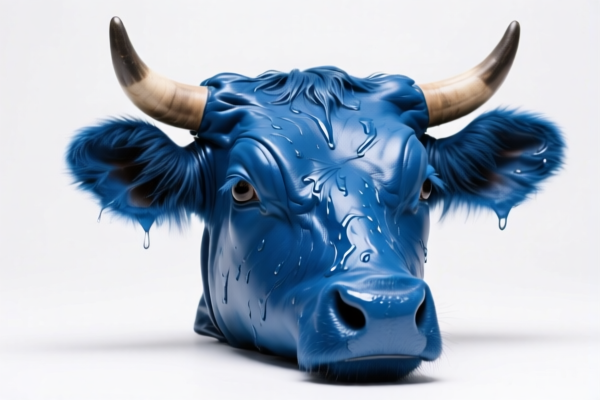
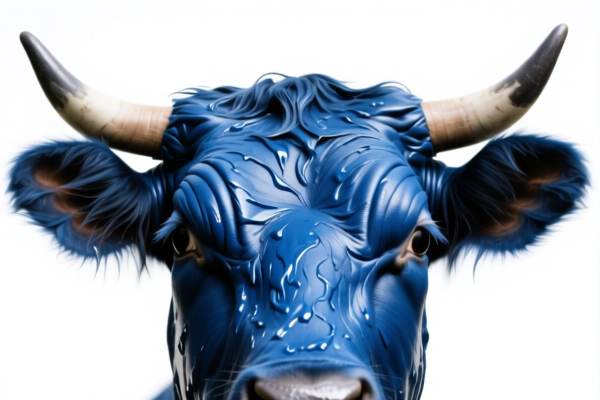
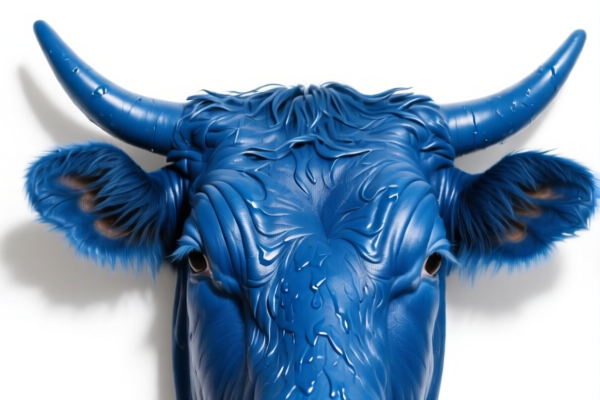
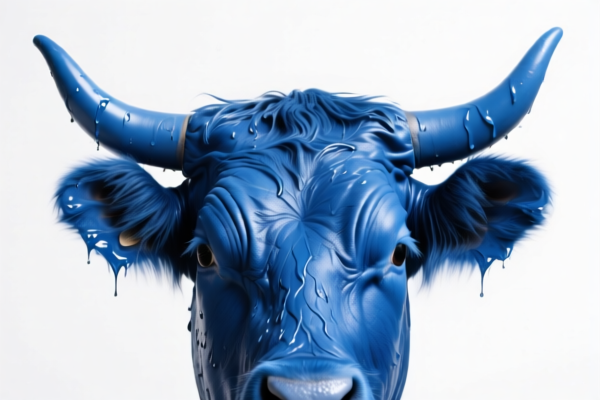
AI Analysis
🐂 Wet Blue Rawhide & Semi-Finished Leather (Bovine/Equine)
🌐 HS Code Reference & Customs Clearance Guide | 2026 Latest Tariff Analysis | Professional Grade Strategy
📌 1. Product Definition & Classification: What is "Wet Blue"?
"Wet Blue" refers to hides or skins of bovine (cow/buffalo) or equine animals that have undergone the tanning process using chromium salts but have not been dried. They are in a damp state, typically blue-tinted due to the chromium complexes, and are ready for further processing (buttering, drying, splitting, finishing).
Key Characteristics: - State: Wet (not dried, not crust). - Process: Tanned (usually chrome-tanned). - Preparation: No hair on, may or may not be split. - Classification Logic: It falls under Chapter 41 ("Animal Skins and Leathers"), specifically heading 4104 ("Tanned or crust hides and skins of bovine... without hair on").
⚠️ Critical Distinction:
- If dried but not further prepared → "Crust" (Heading 4104/4105, different subheadings).
- If further processed (dyed, finished, split) → May fall under 4104.19 or 4104.11 depending on split status.
- Wet Blue specifically implies wet state and tanned.
📦 2. HS Code Classification Details (2026 Latest Tariff Mapping)
Based on your provided data, there are two primary HS Codes for Wet Blue Rawhide/Semi-Finished Leather, distinguished by split status and origin/source:
| HS Code | Product Description | Key Criteria | Applicable Scenario |
|---|---|---|---|
| 4104.11.50.80 | Full grains, unsplit; grain splits: Other: Other: Other Other | - Full Grain OR Grain Splits - Unsplit (not separated into layers) - Wet State |
High-quality hides where the grain layer is intact. Not split into multiple layers. |
| 4104.19.50.80 | Other: Other: Other: Other Other | - Other (Not full grain/unsplit grain splits) - Wet State |
Hides that are split into lower layers (splits) or other non-full-grain wet tanned leathers. |
🔍 重点提醒 (Key Reminder):
- Both codes require the leather to be in the wet state (including wet-blue).
- If the leather is dried (crust), it cannot use these codes.
- "Unsplit" means the hide has not been mechanically split into top grain and split layers.
- "Full Grain" refers to the outer layer of the hide with the natural grain surface intact.
💰 3. 2026 Tariff Rate Breakdown (Detailed Tax Clause Explanation)
✅ Applicable Country: United States (US)
✅ Origin: China (CN)
✅ Effective Date: 2025/2026 Tariff Schedule
🎯 1. 4104.11.50.80 – Wet Blue, Full Grain/Unsplit
| Item | Content |
|---|---|
| Base Tariff | 0.0% (Ad Valorem) |
| Section 301 / Trade War Tariff | 0.0% |
| Total Effective Tariff | 0.0% |
| Tax Detail | "基础关税: 0.0%, 加征关税: 0.0%" |
📌 Explanation:
- Base Rate: The standard Most Favored Nation (MFN) rate for this specific subheading is 0%.
- Additional Tariffs: Unlike many other Chinese goods, Wet Blue Leather in this specific unsplit/full-grain category is exempt from the Section 301 tariffs (25%) and other additional duties (like IEEPA) in the provided data.
- Cost Impact: This is a zero-tariff advantage for importers, making it highly competitive.
🎯 2. 4104.19.50.80 – Wet Blue, Other (Split/Other Types)
| Item | Content |
|---|---|
| Base Tariff | 0.0% (Ad Valorem) |
| Section 301 / Trade War Tariff | 0.0% |
| Total Effective Tariff | 0.0% |
| Tax Detail | "基础关税: 0.0%, 加征关税: 0.0%" |
📌 Explanation:
- Base Rate: Also 0% for this specific "Other" wet-blue category.
- Additional Tariffs: 0%.
- Cost Impact: Same zero-tariff benefit. This applies to split leathers or other wet-blue varieties that don't fit the "full grain/unsplit" description.⚠️ Critical Note:
- The data provided shows 0% total tax for both codes.
- Do not assume all leather categories are 0%. For example, Crust Leather (dried) or Finished Leather may have higher tariffs. Ensure your product is truly "Wet" and "Tanned" to qualify for this 0% rate.
🛠️ 4. Customs Clearance Practical Advice (Real-World Pitfall Guide)
✅ 1. Required Documentation Checklist
| Document | Must Provide | Purpose |
|---|---|---|
| ✅ Commercial Invoice | ✔️ | Must clearly state "Wet Blue Leather", "Hides/Skins", "Bovine/Equine", and State: Wet. |
| ✅ Packing List | ✔️ | Detail weight (gross/net), number of hides, dimensions. |
| ✅ Bill of Lading/Air Waybill | ✔️ | Standard shipping document. |
| ✅ Certificate of Origin | ✔️ | To confirm origin (e.g., China) and apply correct tariff rates. |
| ✅ Product Specification Sheet | ✔️ | Include: Tanning process (Chrome), State (Wet), Split status (Split/Unsplit), Grain type. |
| ✅ Photo of Goods | ✔️ | Show the blue tint (if chrome-tanned) and wet condition. |
| ✅ Customs Broker Declaration | ✔️ | Ensure HS Code matches exactly: 4104.11.50.80 or 4104.19.50.80. |
✅ 2. Declaration Tips (Key Mnemonic)
🔥 "Wet State, Tanned, Unsplit or Split, Code 4104, Zero Duty!"
| Scenario | Correct HS Code | Reason |
|---|---|---|
| Wet Blue, Full Grain, Not Split | 4104.11.50.80 |
Fits "Full grains, unsplit" description. |
| Wet Blue, Split Layers | 4104.19.50.80 |
Fits "Other" category for splits. |
| Dried, Tanned (Crust) | ❌ NOT 4104.11/19 | Must use different subheading (e.g., 4104.19.10 or 4104.19.30). |
| Finished Leather (Colored/Fixed) | ❌ NOT 4104.11/19 | Must use 4104.19.90 or similar (Finished leather). |
📌 Common Mistake:
- Declaring Crust Leather (dried) as Wet Blue to get 0% tariff.
- Consequence: Customs will inspect, find it’s dry, reclassify, and apply higher tariffs (e.g., 25% Section 301 for crust leather in some cases).
- Solution: Ensure the leather is genuinely wet (high moisture content, pliable, blue-tinted).
✅ 3. Special Cases & Handling
| Situation | Handling Advice |
|---|---|
| Mixed Shipments | If a shipment contains both Wet Blue and Crust leather, declare separately. Do not mix HS Codes. |
| Sodium Chloride Preservation | Wet blue leather is often packed with salt. Ensure the invoice mentions "Preserved with Salt" to justify wet state. |
| Temperature Control | Wet blue leather can spoil or develop mold if not handled properly. Ensure proper ventilation during transit. |
| Environmental Compliance | Chrome tanning involves chemicals. Ensure the exporter provides REACH/SVHC compliance documents if importing to EU, or TSCA if to US. |
🌍 5. Global Market Comparison (2026)
| Country/Region | Recommended HS Code | Tariff Rate | Notes |
|---|---|---|---|
| 🇺🇸 USA | 4104.11.50.80 / 4104.19.50.80 |
0% | Zero duty for Wet Blue. |
| 🇨🇳 China | 4104.11/4104.19 | 0% - 5% | Check latest Chinese tariff schedule. |
| 🇪🇺 EU | 4104.11/4104.19 | ~0% - 4% | Varies by split status. No Section 301 equivalent. |
| 🇬🇧 UK | 4104.11/4104.19 | ~0% - 4% | Post-Brexit tariffs may apply. |
📌 Conclusion:
- The USA offers a significant tariff advantage (0%) for Wet Blue Leather compared to some other leather products.
- Ensure accurate classification to maintain this benefit.
📌 6. Common Errors & Pitfall Avoidance
❌ Error 1: Declaring Dried Hides as Wet Blue
👉 Consequence: Rejection, penalties, and higher tariffs.
✅ Fix: Verify moisture content and physical state.
❌ Error 2: Mixing Split and Unsplit in one HS Code
👉 Consequence: Customs may audit and reclassify, leading to back-taxes.
✅ Fix: Separate shipments by split status if possible, or declare accurately with supporting docs.
❌ Error 3: Using Generic Description "Leather"
👉 Consequence: Delays and queries.
✅ Fix: Use precise terms: "Wet Blue Bovine Hides, Chrome Tanned, Unsplit".
🎯 7. Final Summary: Clear, Accurate, Cost-Effective!
🎯 Remember:
🔹 "Wet Blue = 0% Duty (US)"
🔹 "Unsplit → 4104.11.50.80"
🔹 "Split/Other → 4104.19.50.80"
🔹 "Dry = Crust = Higher Duty!"
📌 Pro Tip:
- If you are importing large volumes, consider pre-classification rulings with US Customs and Border Protection (CBP) to confirm your HS Code.
- Ensure your supplier provides a Certificate of Tanning Process to prove it’s "Wet Blue" and not "Crust".
📣 Act Now:
📞 Work with a licensed customs broker.
🚀 Provide clear product specs.
✅ Enjoy 0% Tariff on Wet Blue Leather!
✨ Precise Classification Saves Money!
💼 Your Leather Shipment, Smoothly Cleared!
Customer Reviews
About HS Code Classification
The Harmonized System (HS) is an internationally standardized nomenclature developed by the World Customs Organization (WCO) to classify traded products. Over 200 countries use the HS system as the basis for customs tariffs, trade statistics, and import/export regulations.
Each HS code follows a hierarchical structure:
- Chapter (2 digits) — Broad category of goods (e.g., Chapter 84: Machinery and Mechanical Appliances)
- Heading (4 digits) — More specific grouping within the chapter
- Subheading (6 digits) — Internationally standardized breakdown, used by all WCO member countries
- National subdivisions (8-10 digits) — Country-specific extensions for further classification, such as US HTSUS 10-digit codes
Correct HS code classification is essential for smooth customs clearance, accurate duty payment, and compliance with trade regulations. Misclassification can lead to customs delays, overpayment of duties, or penalties.
When importing from CN to US, the applicable tariff rates may include:
- Most-Favored-Nation (MFN) rate — The standard duty rate applied to WTO members
- General rate — Applied to countries without trade agreements
- Trade remedy duties — Additional tariffs such as Section 301 (anti-dumping), Section 232 (national security), or countervailing duties
The information provided on this page is for reference purposes only. For official classification, please consult with your local customs authority or a licensed customs broker.