Wild Hare Skins
CN → US| HS编码 | 关税税率 | 原产国 | 目的国 | 文档 |
|---|---|---|---|---|
| 4103901130 | 17.5% | CN | US | 官方文档 |
| 4301900000 | 10.0% | CN | US | 官方文档 |
| 4103901190 | 17.5% | CN | US | 官方文档 |
| 4301800202 | 17.5% | CN | US | 官方文档 |
商品图片
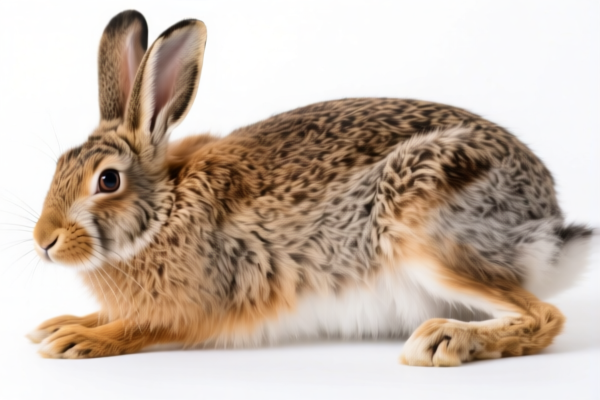
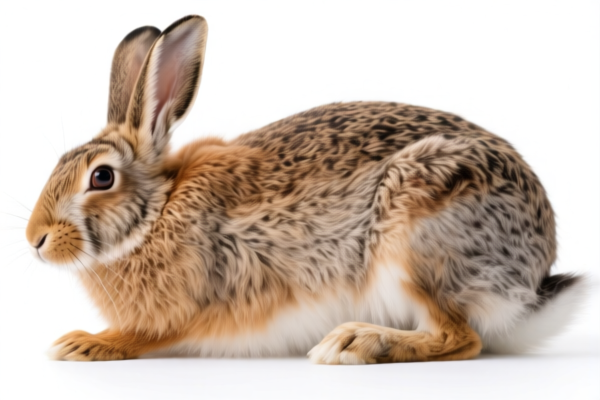
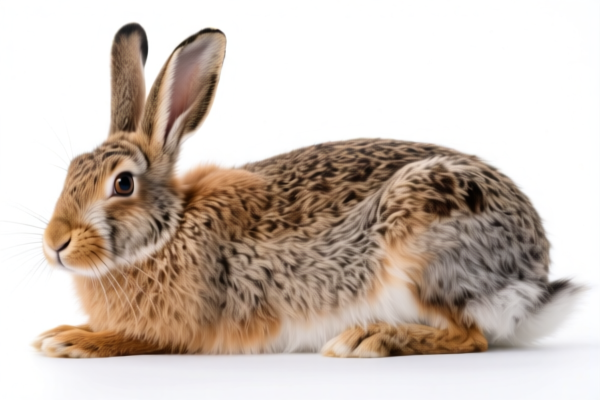
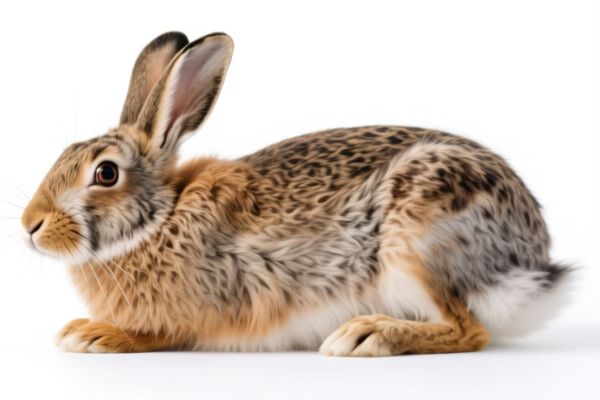
AI分析
🐇 Wild Hare Skins: HS Code Classification & Customs Clearance Guide (2026)
🌐 HS Code Reference & Customs Strategy | Un-tanned Raw Furs | Professional Clearance Protocol
📌 I. Product Definition: What Are "Wild Hare Skins"?
Wild Hare Skins, in the context of international trade, refer to the raw, un-tanned hides of hares. The classification hinges entirely on their state of preservation and processing level:
- Raw/Un-tanned (Grease Tanned is excluded): Skins that have been salted, dried, or limed but not chemically tanned to become durable leather or furskin.
- Preserved State: The biological structure remains intact, suitable for further processing (tanning/dyeing).
⚠️ Critical Distinction:
- If the skins are un-tanned → They fall under Chapter 41 (Leather) or Chapter 43 (Furskins) depending on specific national interpretations of "raw furskin" vs. "raw leather." - If the skins are tanned → They fall under Chapter 43 (Furskins) as processed goods. - Note: The provided data indicates "Raw Hare Skins" are the subject, so we focus on the un-tanned state.
📦 II. HS Code Classification Details (2026 Latest Tariff)
Based on the provided data, there are four distinct HS Codes applied to Raw Hare Skins. These codes reflect different customs interpretations of whether hare skins are treated as general "raw hides" (Chapter 41) or specific "raw furskins" (Chapter 43).
| HS Code | Product Description | Classification Logic | Total Tax Rate (China Origin to US) |
|---|---|---|---|
| 4103.90.11.30 | Other Raw Hides (Bottom-up Category) | Classified as "Other Raw Hides" under Chapter 41. Fits the logic of un-tanned state and general catch-all category for non-specified raw hides. | 17.5% |
| 4301.90.00.00 | Raw Furskins (General) | Classified as "Raw Furskins" under Chapter 43. Fits the material nature (fur) and raw state definition. | 10.0% |
| 4103.90.11.90 | Other Raw Hides (Non-specific Variety) | Classified as "Other Raw Hides" under Chapter 41. Fits un-tanned state and non-specific variety attribute. | 17.5% |
| 4301.80.02.02 | Raw Hare Hides (Specific Match) | Classified as "Raw Hare Hides" under Chapter 43. Perfect match for material (hare) and state (raw). | 17.5% |
🔍 Key Insight:
- Code4301.90.00.00offers the lowest tax rate (10.0%) if customs authorities accept hare skins as general "raw furskins." - Codes4103.90.11.30,4103.90.11.90, and4301.80.02.02all carry a higher tax rate of 17.5%. - The choice between Chapter 41 (Leather) and Chapter 43 (Furs) is critical and often disputed. Chapter 43 is generally more appropriate for fur-bearing animals, but some jurisdictions classify raw hares under Chapter 41.
💰 III. 2026 Latest Tariff Rate Breakdown (Detailed Tax Clauses)
✅ Applicable Country: United States (US)
✅ Origin: China (CN)
✅ Effective Date: From November 10, 2025 (including subsequent imports)
🎯 1. 4103.90.11.30 & 4103.90.11.90 – Other Raw Hides (Chapter 41)
| Item | Details |
|---|---|
| Base Tariff | 0.0% (Ad Valorem) |
| Section 301 / USITC Additional Tariff | +7.5% (Applied to Chapter 41 raw hides from China) |
| IEEPA Additional Tariff (Section 122) | +10.0% (Specific to certain raw animal products from China) |
| Total Effective Tax Rate | 17.5% |
| Tax Calculation | CIF Value × 17.5% |
| De Minimis Exemption | ❌ Not Eligible (deny_de_minimis) |
| Legal Authority Path | USITC:4103.90.11 → FOOTNOTE:9903.88.01 → IEEPA:9903.01.24 |
📌 Explanation:
- 0% Base: Raw hides often have low base tariffs. - +7.5% Section 301: Standard additional tariff for many Chinese animal products. - +10% IEEPA (122 Clause): This is the key differentiator. The "122 Clause" refers to specific additional tariffs under the International Emergency Economic Powers Act targeting certain raw materials. - Total 17.5%: A significant cost burden.
🎯 2. 4301.90.00.00 – Raw Furskins (Chapter 43)
| Item | Details |
|---|---|
| Base Tariff | 0.0% (Ad Valorem) |
| Section 301 / USITC Additional Tariff | 0.0% (No additional tariff for this specific subheading under current 301 lists for furskins) |
| IEEPA Additional Tariff (Section 122) | +10.0% (Applies to raw furskins from China) |
| Total Effective Tax Rate | 10.0% |
| Tax Calculation | CIF Value × 10.0% |
| De Minimis Exemption | ❌ Not Eligible (deny_de_minimis) |
| Legal Authority Path | USITC:4301.90.00 → IEEPA:9903.01.24 |
📌 Explanation:
- 0% Base: Raw furskins have minimal base tariffs. - 0% Section 301: Crucially, no 25% or 7.5% Section 301 tariff applies to this specific furskin code in the provided data. - +10% IEEPA: The 122 Clause still applies, bringing the total to 10.0%. - Total 10.0%: This is the most cost-effective classification.
🎯 3. 4301.80.02.02 – Raw Hare Hides (Specific Chapter 43 Subheading)
| Item | Details |
|---|---|
| Base Tariff | 0.0% (Ad Valorem) |
| Section 301 / USITC Additional Tariff | +7.5% (Applied to specific raw hare hides under 4301.80) |
| IEEPA Additional Tariff (Section 122) | +10.0% (Applies to raw hare hides from China) |
| Total Effective Tax Rate | 17.5% |
| Tax Calculation | CIF Value × 17.5% |
| De Minimis Exemption | ❌ Not Eligible (deny_de_minimis) |
| Legal Authority Path | USITC:4301.80.02 → FOOTNOTE:9903.88.01 → IEEPA:9903.01.24 |
📌 Explanation:
- Despite being in Chapter 43 (Furs), this specific subheading for Hare skins incurs the 7.5% Section 301 surcharge, likely due to specific trade restrictions or historical tariff classifications for hare products. - Total 17.5%: Same high cost as Chapter 41 classifications.
🛠️ IV. Customs Clearance Practical Advice (Pitfall Avoidance Guide)
✅ 1. Document Checklist (Non-Negotiable)
| Document | Required | Purpose |
|---|---|---|
| ✅ Commercial Invoice | ✔️ | Must clearly state "Raw Hare Skins, Un-tanned, Salted/Dried". Avoid vague terms like "Leather" or "Fur Garments." |
| ✅ Packing List | ✔️ | Detail quantity, weight, and packaging method (e.g., bales, cartons). |
| ✅ Certificate of Origin | ✔️ | Essential to prove China Origin for accurate tariff application (301/IEEPA). |
| ✅ Product Description & Specifications | ✔️ | Include: Species (Lepus sp.), Treatment (Salted/Dried/Limed), No Tanning Agents. |
| ✅ Photos of Skins | ✔️ | Show raw state, salt crystals, no signs of tanning chemicals or dye. |
| ✅ Import License (if applicable) | ✔️ | Check if CITES or USDA permits are needed for wild hare skins. |
📌 Critical Note:
- Do NOT use terms like "Finished Fur" or "Tanned Hides." This will lead to misclassification and penalties. - Specify "Un-tanned" explicitly in the invoice description.
✅ 2. Declaration Strategy (Key Tactics)
| Scenario | Recommended HS Code | Rationale |
|---|---|---|
| Maximize Cost Savings | 4301.90.00.00 |
Claims 10.0% total tax. Argue that hares are "furred animals" and raw skins fall under general raw furskins. |
| Conservative/Standard | 4301.80.02.02 |
Most accurate physical description (Raw Hare), but bears 17.5% tax. Use if customs strictly requires species-specific codes. |
| High Risk of Audit | 4103.90.11.30 |
If customs argues hares are not "furskins" but "leather hides," this is the fallback. Also 17.5%. |
🔥 Pro Tip:
"Fight for 4301.90.00.00!"
The difference between 10% and 17.5% is significant. Provide technical data sheets proving the skins are raw furskins (Chapter 43) rather than raw leather hides (Chapter 41). Cite that hare skins are primarily used for fur, not leather.
✅ 3. Special Considerations
| Issue | Handling Advice |
|---|---|
| CITES Compliance | Wild hares may be protected in some regions. Ensure no CITES restrictions apply for export/import from China to US. |
| USDA/APHIS Inspection | Raw animal products are subject to strict biosecurity checks. Ensure skins are properly salted/dried to prevent odor/preservation issues. |
| De Minimis Exemption | ❌ None. All raw animal skins are exempt from the $800 de minimis rule. Full duty declaration required. |
| Labeling | Labels must include: "Product of China," "Raw Hare Skins," "Un-tanned." |
🌍 V. Global Market Comparison (2026)
| Market | Preferred HS Code | Estimated Tax (China Origin) | Notes |
|---|---|---|---|
| 🇺🇸 United States | 4301.90.00.00 |
10.0% | Best rate. Avoid Chapter 41 codes (17.5%). |
| 🇨🇳 China (Import) | 4301.90.00.00 |
10-15% | Check local regulations for raw fur imports. |
| 🇪🇺 European Union | 4301.10 or 4301.80 |
0-5% | No Section 301/IEEPA. Lower tariffs generally. |
| 🇬🇧 United Kingdom | 4301.10 or 4301.80 |
0-5% | Post-Brexit tariffs may vary. Generally favorable. |
| 🇯🇵 Japan | 4301.10 or 4301.80 |
0-5% | Low base tariffs for raw furs. |
📌 Conclusion:
- The US is the most costly market due to Section 301 and IEEPA 122 tariffs. - EU/UK/Japan offer significantly lower tax burdens for the same product. - Strategic Suggestion: If targeting the US market, optimize documentation to support4301.90.00.00to save 7.5% per unit.
📌 VI. Common Mistakes & Pitfalls (Lessons Learned)
❌ Mistake 1: Classifying as "Finished Fur Garments" (4302)
👉 Consequence: Incorrect state description. Raw skins are not finished goods. Leads to rejection or reclassification.
❌ Mistake 2: Using Chapter 41 (4103) without justification
👉 Consequence: Higher tax (17.5% vs 10%). Customs may accept Chapter 43 if proven to be fur-bearing.
❌ Mistake 3: Ignoring IEEPA 122 Clause
👉 Consequence: Undeclared 10% additional tax. Results in back taxes + penalties upon audit.
❌ Mistake 4: Missing CITES/USDA Permits
👉 Consequence: Seizure of goods and potential fines. Wild animal products are heavily regulated.
✅ Correct Approach:
"Raw Hare Skins, Un-tanned, Salted, Product of China, HS Code 4301.90.00.00, Subject to IEEPA 122 Tariff."
🎯 VII. Conclusion: Precision Classification for Cost Efficiency
🎯 Key Takeaway:
🔹 HS Code
4301.90.00.00is the Golden Ticket: 10.0% total tax.
🔹 Avoid4103and4301.80.02.02: 17.5% total tax.
🔹 Always Declare "Un-tanned": Prevents misclassification.
🔹 Check CITES/USDA: Biosecurity is strict.
📌 Pro Tip:
For high-volume shipments, apply for an Advance Ruling from US Customs and Border Protection (CBP) to confirm the classification under 4301.90.00.00. This provides legal certainty and prevents costly disputes at the port.
📣 Immediate Action:
📞 Contact Customs Broker + Provide Raw Skin Photos + Specify "Un-tanned" + Target HS Code 4301.90.00.00
🚀 Optimize for 10% Tax, Avoid 17.5%, Ensure Smooth Clearance!
✨ Professional Clearance Starts with Accurate Classification!
💼 Every Percent Saved is Profit Gained!
用户评价
关于 HS 编码归类
协调制度(HS)是由世界海关组织(WCO)制定的国际贸易商品分类标准。全球 200 多个国家采用 HS 系统作为海关关税、贸易统计和进出口监管的基础。
每个 HS 编码遵循以下层级结构:
- 章(2 位)——商品大类(例如:第 84 章:机器和机械设备)
- 品目(4 位)——章内的更具体分类
- 子目(6 位)——国际通用细分,所有 WCO 成员国统一使用
- 本国细分(8-10 位)——各国自行扩展的细分编码,如美国 HTSUS 10 位编码
正确的 HS 编码归类对于顺利通关、准确缴纳关税和遵守贸易法规至关重要。错误归类可能导致海关延误、多缴关税或罚款。
从CN进口到US时,适用的关税税率可能包括:
- 最惠国(MFN)税率——适用于 WTO 成员国的标准关税税率
- 普通税率——适用于无贸易协定国家
- 贸易救济关税——附加关税,如 301 条款(反倾销)、232 条款(国家安全)或反补贴税
本页内容仅供参考。如需正式归类,请咨询当地海关或持牌报关代理。